
Key Takeaways
- KP-10 (kisspeptin-10) has a very short plasma half-life of ~4 minutes, making fixed daily dosing schedules unreliable; researchers use controlled infusions rather than simple home dosing routines.
- There is no proven universal 'best time' to take KP-10 because timing depends entirely on clinical goals, and the peptide requires physician-supervised protocols with regular hormone monitoring via blood tests.
- Self-guided KP-10 use carries significant risks including unpredictable hormone shifts, injection-site reactions, and exposure to products with unknown purity; baseline lab work and professional oversight are essential before use.
- Certain groups—including those trying to conceive, pregnant individuals, and those with hormone-sensitive conditions—should never use KP-10 without direct physician involvement due to potentially serious health consequences.
If you have searched online for the best time to take KP-10, you have likely found conflicting advice. Some websites claim morning dosing works best. Others suggest cycling schedules or specific meal timing. But here is the truth: there is no proven, one-size-fits-all answer for when to take KP-10, also known as kisspeptin-10.
This peptide plays a role in reproductive hormone signaling, and its use is far more complex than typical wellness supplements. For anyone considering it, understanding the real science matters more than following generic online dosing charts. In this article, we compare self-guided KP-10 timing against physician-supervised care, so you can make an informed decision about your health.

What Is KP-10 and Why Does Timing Matter?
KP-10, or kisspeptin-10, is a short peptide fragment also called KISS1 45-54 amide or metastin 45-54. It plays a key role in regulating gonadotropin-releasing hormone (GnRH), which controls luteinizing hormone (LH) and reproductive function in both men and women.
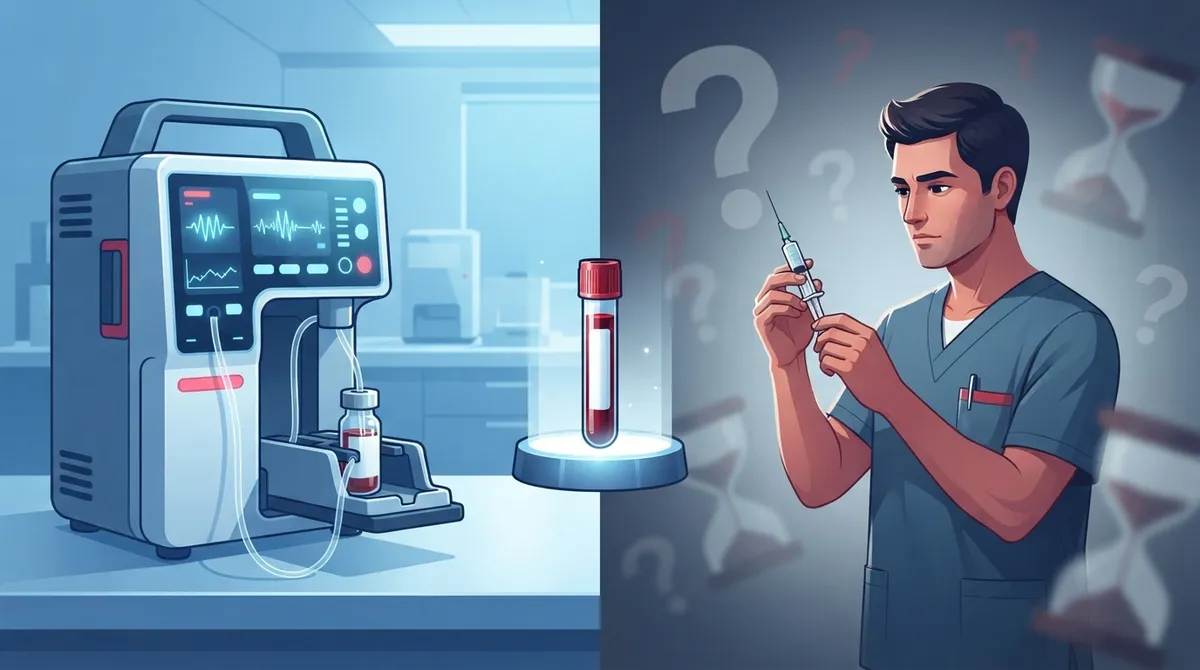
Because kisspeptin-10 directly influences hormone signaling, timing is not just a matter of convenience. It can affect how your body responds to the peptide. Research studies have used carefully controlled infusions or pulses of kisspeptin to study hormone release patterns, not fixed daily schedules that consumers can follow at home.
One important fact often missing from online guides: kisspeptin-10 has a very short plasma half-life, estimated at around 4 minutes in research literature. This rapid breakdown is a major reason researchers use controlled infusions rather than simple oral or injectable dosing routines.

Self-Guided Timing vs. Medical Supervision: A Direct Comparison
Many people searching for KP-10 dosing schedules want a simple answer. But comparing self-guided approaches to physician-supervised protocols reveals major differences in safety, accuracy, and outcomes.
|
Factor |
Self-Guided Timing |
Physician-Supervised Approach |
|---|---|---|
|
Dosing Schedule |
Based on online forums or product labels |
Based on lab results and clinical goals |
|
Hormone Monitoring |
Rarely included |
Regular blood tests for LH, FSH, and sex hormones |
|
Product Quality |
Unknown purity, sterility, or concentration |
Verified sourcing and dosing accuracy |
|
Route of Administration |
Often subcutaneous injection without training |
Administered or guided by trained staff |
|
Risk of Hormonal Imbalance |
Higher due to lack of monitoring |
Lower with ongoing lab tracking |
|
Long-Term Safety Data |
Limited and unverified |
Guided by current research and clinical judgment |
This comparison makes one thing clear. Self-guided timing lacks the safety net that comes with professional oversight. A trusted primary care provider can help you understand whether kisspeptin-10 even fits your health goals in the first place.
Why There Is No Universal "Best Time" to Take KP-10
Online sources often claim KP-10 works best in the morning, at night, or with food. These claims are not backed by clinical consensus. Here is why:
- Kisspeptin-10 is not a routine supplement. It is typically discussed as an injectable research compound, not something meant for daily self-administration like a vitamin.
- Timing depends on the clinical goal. Fertility research protocols use different schedules than studies looking at hormone regulation in other conditions.
- Pulsatile signaling matters. Some research uses timed pulses to mimic natural hormone release patterns, a method that requires medical equipment and monitoring, not home use.
- Product formulations vary widely. Concentration, purity, and route of administration differ by source, making a universal schedule unreliable.
Some online sources describe subcutaneous doses ranging from 25 to 100 micrograms per administration. Others reference investigational research doses like 6.4 nmol/kg used in assisted-reproduction studies. None of these figures should be treated as standard guidance for personal use outside a supervised clinical setting.
Who Should Never Use KP-10 Without Medical Guidance?
Certain groups face higher risks if they use kisspeptin-10 without professional supervision. Consider these situations carefully:
- Pregnant individuals - Hormone-active peptides can affect pregnancy outcomes and should never be used without direct physician involvement.
- People trying to conceive - Fertility treatment requires precise hormone monitoring that only a specialist can provide.
- Those with hormone-sensitive conditions - Conditions like certain cancers or reproductive disorders may worsen with unsupervised hormone manipulation.
- Patients with pituitary or hypothalamic disease - These conditions already affect hormone regulation, making self-treatment especially risky.
- Anyone with unexplained menstrual changes - These symptoms need proper diagnosis before adding any hormone-active substance.
- People taking fertility or hormone medications - Combining treatments without guidance can cause unpredictable interactions.
If you fall into any of these categories, speaking with a qualified clinician is not optional. It is essential for your safety.
What Happens If You Use KP-10 Without Testing First?
Skipping hormone testing before considering kisspeptin-10 use creates real risks. Without baseline blood work, you cannot know your starting hormone levels or track how your body responds.
Potential concerns include:
- Excessive or unpredictable shifts in luteinizing hormone and follicle-stimulating hormone
- Disruption to normal ovulation or testicular function
- Injection-site reactions from improper technique
- Health risks from contaminated or incorrectly compounded products
- Limited understanding of long-term effects since safety data remains sparse
This is why our team at InCare emphasizes comprehensive lab work before discussing any hormone-related therapy. Whether you visit our Tampa or Riverview location, our providers prioritize testing and monitoring over guesswork.
How InCare Approaches Hormone Health and Fertility Support
At InCare, our providers understand that reproductive hormone health requires more than a generic timing chart. Our approach includes thorough evaluation before any specialized therapy discussion.
Here is what a responsible process typically looks like:
- Initial consultation - Discuss your health history, symptoms, and goals with a licensed provider.
- Baseline lab testing - Check hormone levels including LH, FSH, and relevant sex hormones.
- Personalized evaluation - Review results to determine if further specialist referral is appropriate.
- Ongoing monitoring - If any hormone-related treatment is pursued, regular follow-up testing tracks your response.
- Clear communication - Your provider explains what the results mean and what steps come next.
This structured approach reflects the same standard we bring to all our services, from cancer screening to DNA gene testing. We believe informed decisions start with accurate data, not internet speculation.
Common Confusion: KP-10 vs. Other Similar-Sounding Terms
Another reason KP-10 timing questions get confusing is name overlap. People sometimes confuse kisspeptin-10 with other products or abbreviations, such as CoQ10, a completely different compound used for cellular energy support. According to the Cleveland Clinic, CoQ10 has its own separate guidance for use and is unrelated to reproductive hormone peptides.
Before asking about timing, always confirm with your clinician or pharmacist:
- The exact product name and active ingredient
- The strength or concentration
- The intended route of administration
- The specific health purpose behind the recommendation
This simple verification step prevents dangerous mix-ups and wasted money on the wrong product entirely.
Making the Right Choice for Your Health
When you weigh self-guided KP-10 use against physician-supervised care, the comparison is not close. Professional guidance offers testing, monitoring, and safety checks that online research simply cannot replace.
If you are considering kisspeptin-10 or have questions about reproductive hormone health, the safest path starts with a conversation with a qualified provider. Our team also supports broader wellness goals through services like weight loss programs and IV hydration therapy, all designed with the same commitment to evidence-based care.
Many patients across Tampa and Riverview trust our experienced providers for exactly this reason. You can also visit us on Google — InCare to see what other patients say about their experience with our team.
Take the Next Step Toward Informed Hormone Health
Do not rely on guesswork when it comes to reproductive hormone peptides like KP-10. The right timing, dosing, and safety plan depend entirely on your individual health picture. Our providers at both Tampa and Riverview locations are ready to help you understand your options with proper testing and expert guidance.
Stay connected with us on Facebook and Instagram for more wellness insights, or follow our tips on Tik Tok. When you are ready to discuss your hormone health goals with a trusted primary care team, reach out to our office today or schedule your appointment now to get started with a personalized health evaluation.
FAQs
Q: What is KP-10 used for?
A: KP-10, or kisspeptin-10, is a peptide involved in regulating reproductive hormones like GnRH and LH. It is studied in fertility research and certain hormone conditions, but it is not an approved over-the-counter wellness supplement.
Q: Should kisspeptin-10 be taken in the morning or at night?
A: There is no established best time to take KP-10 for general use. Timing depends entirely on the clinical protocol, reproductive goal, and lab monitoring guided by a qualified provider.
Q: Is kisspeptin-10 approved for fertility or testosterone treatment?
A: Kisspeptin-10 remains largely investigational. While research has explored its role in fertility and hormone conditions, it is not a standard, universally approved treatment and requires specialist supervision.
Q: What are the risks of using KP-10 without medical guidance?
A: Unsupervised use can lead to unpredictable changes in hormone levels, injection-site reactions, and exposure to products with uncertain purity or concentration. Long-term safety data remains limited.
Q: Do I need blood tests before considering KP-10?
A: Yes, baseline hormone testing is essential before considering any kisspeptin-related discussion. This helps a provider understand your starting point and track any changes safely over time.