

Key Takeaways
- H5253-109 is a Medicare Advantage plan identifier for AARP Medicare Advantage from UnitedHealthcare OH-0003 (HMO-POS) in Ohio and select Kentucky counties; it is not a diagnosis or billing code.
- Always verify your specific benefits using your Evidence of Coverage and Summary of Benefits documents before scheduling care, as costs, copays, and coverage rules vary by plan segment, county, and plan year.
- This plan reports a $0 in-network primary care copay for 2025-2026, but you may need a referral from your primary care provider for specialist visits; confirm referral requirements before booking.
- Match your full plan segment number (-001, -002, -004, etc.) to official CMS and UnitedHealthcare materials, as different segments have different premiums and out-of-pocket maximums.
If you recently saw the code H5253-109 on a Medicare card, mailer, or plan document, you may be wondering what it means for your health care. It is not a diagnosis code or a billing code. H5253-109 is a Medicare Advantage plan identifier. It points to AARP Medicare Advantage from UnitedHealthcare OH-0003, an HMO-POS plan offered in parts of Ohio and, for some segments, Kentucky.
Knowing how to read this identifier helps you avoid surprise bills and delays. It also helps you use your primary care benefits well. In 2026, many members will see a $0 in-network primary care copay listed for this plan, but the details can change by county, segment, and plan year. This guide explains what H5253-109 is, how to confirm your own benefits, and how to build a strong primary care routine around any Medicare Advantage plan. Whether you are helping a parent, planning for your own coverage, or comparing options, these steps will keep you on track.

What H5253-109 Actually Means
Every Medicare Advantage contract has a CMS identifier. The letter and numbers tell you who runs the plan and which version you have. H5253 is the contract number. The 109 is the plan number within that contract. A full identifier also includes a segment number, such as H5253-109-001, -002, or -004.
Here is what is known about this plan from available 2025 and 2026 listings:
- Plan name: AARP Medicare Advantage from UnitedHealthcare OH-0003.
- Plan type: HMO-POS, which means you generally use the plan's network but may have some point-of-service options.
- Coverage: Medicare Part A, Part B, and prescription drug coverage (often called MAPD).
- Service area: Selected Ohio counties, and for some segments, selected Kentucky counties.
Because details depend on the segment and plan year, you should never rely on the short code alone. Always match it to your current official plan documents.
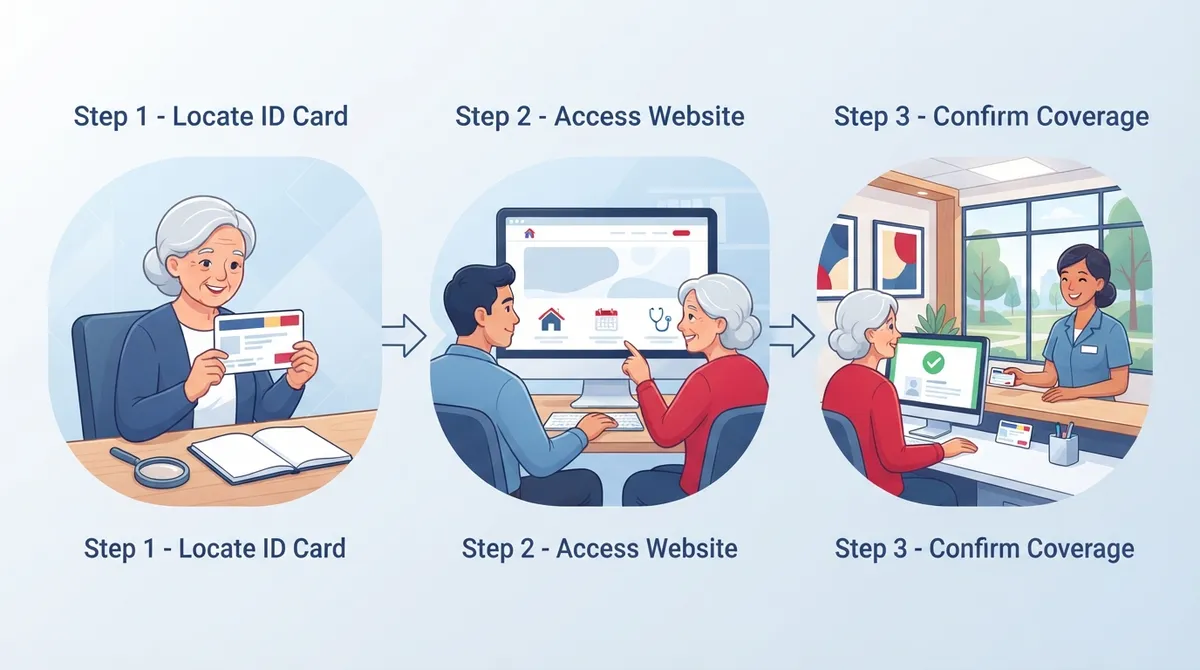
How to Confirm Your Coverage Step by Step
A plan identifier does not prove that you are enrolled or that a service is covered. Follow these steps to verify your benefits before you book care.
- Find your full plan number. Look at your member ID card or enrollment letter. Note whether it ends in -001, -002, -004, or another segment.
- Download the Evidence of Coverage. This is the full legal document. It explains copays, referrals, and out-of-network rules.
- Read the Summary of Benefits. This shorter document lists your primary care copay, specialist copay, and drug costs.
- Check the provider directory. Confirm that your doctor and clinic are in the network for your specific plan and county.
- Call the number on your card. Ask about referral rules, prior authorization, and any limits on wellness visits.
- Save your answers. Write down the date, the representative's name, and what you were told.
This process takes about 30 minutes. It can save you hundreds of dollars over a year.
Understanding Costs: Why Segments Matter
The same plan number can have different prices across segments. Secondary 2026 plan listings show this clearly. These figures are examples only and should be verified with official CMS and UnitedHealthcare materials.
|
Cost Item |
Segment -002 (2026 listing) |
Segment -004 (2026 listing) |
|---|---|---|
|
Monthly premium |
$49 |
$35 |
|
In-network medical out-of-pocket maximum |
$4,200 |
$3,400 |
|
In-network primary care copay |
$0 reported |
$0 reported |
Some 2026 listings also report a $440 Part D deductible for certain H5253-109 segments. Drug costs, deductibles, and specialist copays can vary. Do not assume that one figure applies to every member. Your Evidence of Coverage is the final word.
Primary Care Benefits to Look For
The most useful feature reported for this plan is the $0 in-network copay for primary care visits. A 2025 UnitedHealthcare plan document lists this benefit, and 2026 search results report the same. That makes regular checkups easier to afford.
A primary care provider is the person who coordinates your care. Good primary care can include:
- Annual wellness visits and preventive screenings
- Management of blood pressure, diabetes, and cholesterol
- Medication reviews and refills
- Vaccines and early cancer screening referrals
- Referrals to specialists when you need them
You can read more about what to expect in what happens during an annual wellness visit. For a broader view of the role, see what a primary care physician does for your health.
Referrals and Prior Authorization
HMO and HMO-POS plans often require a referral from your primary care provider before you see certain specialists. UnitedHealthcare provider guidance says that beginning January 1, 2026, some delegated HMO and HMO-POS members in applicable Ohio and Kentucky markets may need a primary care referral for specified specialist services. There are exceptions, and rules differ by plan and service.
Here is a simple way to avoid problems:
- Ask your primary care office to confirm the referral rules before booking a specialist.
- Get the referral in writing or in your patient portal.
- Check whether the service also needs prior authorization.
- Confirm that the specialist is in your network.
Our guide on fragmented care versus coordinated care explains why one main doctor makes this process smoother.
How Providers Can Verify H5253-109 Patients
If you work in a primary care office, a plan identifier on its own is not enough. Use this checklist before delivering care:
- Check eligibility through the insurer's current provider portal.
- Confirm the patient's active enrollment date and full plan segment.
- Verify that your practice is in the network for that plan.
- Review referral and prior authorization requirements for the planned service.
- Document the verification in the patient's chart.
This protects both the patient and the practice from denied claims.
Tips for Different Patient Groups
Different people use primary care in different ways. Here are a few ideas that apply to many readers.
Busy families and caregivers. If you manage care for an older parent, keep a folder with the plan card, Summary of Benefits, and a list of doctors. Our guide to making preventive care work for your health offers a simple routine you can adapt for the whole family.
Tech-savvy members. Use your plan's app or online portal to view claims and find in-network doctors. Ask your clinic about virtual visits for routine follow-ups. Many practices now offer telehealth for refills and quick check-ins.
Wellness-minded adults. Medicare Advantage plans may cover preventive screenings, but extras such as advanced genetic testing or IV therapy are often not covered. Ask before you book so you know your out-of-pocket cost.
Common Mistakes to Avoid
- Assuming the code is a billing code. H5253-109 identifies a plan, not a service.
- Using the wrong segment. Benefits for -002 may not match -004.
- Skipping the network check. Out-of-network care can cost much more or may not be covered.
- Ignoring referrals. A missed referral can lead to a denied claim.
- Using old documents. Plans change each year. Always use the current plan-year documents.
If you are still choosing a doctor, 7 mistakes to avoid when choosing a primary care doctor is a helpful read.
Where to Find Official Information
For the most reliable answers, go to the sources that produce the plan. Use the official CMS Medicare Plan Finder, the UnitedHealthcare member portal, and the printed documents you received at enrollment. Third-party listing sites can be helpful for comparing plans, but they may lag behind updates. Treat them as a starting point only.
If you live in the Tampa Bay area instead and want a Medicare-friendly office, see our resource on the traits of the best Medicare provider for primary care. You can also read about Medicare Advantage plans and what primary care patients need to know. Always confirm which plans a clinic accepts before your visit, because network participation differs by location.
Building a Strong Primary Care Routine
No matter which plan you have, the best results come from a steady relationship with one primary care team. At InCare, we focus on prevention, personalized plans, and whole-body health. Our team uses modern tools and clear communication so patients understand every step. You can learn more about our approach on our about us page, and you can see what other patients say when you visit us on Google. Follow our updates on Instagram, Facebook, and TikTok for health tips and clinic news.
Here are habits that help every patient:
- Book a yearly wellness visit, even when you feel fine.
- Bring a list of all medications, vitamins, and supplements.
- Ask which screenings are due for your age and risk level.
- Use the patient portal to track results and send questions.
- Keep your insurance details updated at the front desk.
Final Thoughts
H5253-109 is a Medicare Advantage plan identifier tied to AARP Medicare Advantage from UnitedHealthcare OH-0003. Reported $0 in-network primary care copays make preventive visits more affordable, but referrals, premiums, drug costs, and out-of-pocket limits depend on your segment, county, and plan year. Verify everything in your official documents, and use your primary care provider as the hub of your care.
Ready to build a trusted primary care relationship? Book your appointment with InCare today, or contact our team with questions about insurance and getting started.
FAQs
Q: What is Medicare plan H5253-109?
A: H5253-109 is a CMS identifier for AARP Medicare Advantage from UnitedHealthcare OH-0003, an HMO-POS plan offered in parts of Ohio and, for some segments, Kentucky. It combines Medicare Part A, Part B, and prescription drug coverage. It is a plan identifier, not a diagnosis or billing code.
Q: Does H5253-109 cover primary care visits, and what is the copay?
A: Plan documents and listings for 2025 and 2026 report a $0 copay for in-network primary care visits. Exact benefits can vary by segment, county, and plan year. Confirm your cost in your current Summary of Benefits or Evidence of Coverage.
Q: Do members with H5253-109 need a referral to see a specialist?
A: Some HMO and HMO-POS members in applicable Ohio and Kentucky markets may need a primary care referral for certain specialist services. UnitedHealthcare guidance says these rules apply to specified delegated plans and services, with exceptions. Check your plan documents or call the number on your member card before booking.
Q: What is the difference between H5253-109-001, -002, and -004?
A: These are plan segments that can have different premiums, drug deductibles, and out-of-pocket limits. For example, 2026 secondary listings show different monthly premiums and medical maximums for segments -002 and -004. Always use the figures for your own segment from official materials.
Q: How can a primary care provider verify H5253-109 eligibility and network status?
A: Use the insurer's current provider portal to confirm active enrollment, the full plan segment, and network participation. Also review referral and prior authorization rules for the planned service. A plan identifier alone does not prove coverage for a specific visit.


