
Key Takeaways
- Laser hair removal for KP is not a cure and should only be considered after trying topical treatments like moisturizers, urea, lactic acid, or retinoids first, as research evidence remains limited.
- A small clinical trial showed laser hair removal improved skin bumpiness but did not meaningfully reduce redness, so vascular lasers may be better for addressing redness specifically.
- Pigment changes including dark patches are real risks, especially for people with medium to darker skin tones, since the main research only tested lighter skin types (Fitzpatrick I-III).
- If pursuing laser treatment, require at least three sessions spaced 4-5 weeks apart with a qualified provider familiar with your full health history to minimize complications.
- Before any laser treatment, confirm your KP diagnosis, discuss your skin tone and hair color, and ask about realistic expectations for texture improvement versus redness reduction.
- Most patients see noticeable improvement within weeks using consistent topical treatments, making them a safer, more affordable first-line option before considering elective laser therapy.
If you have small, rough bumps on your upper arms or thighs that never seem to go away, you may have keratosis pilaris, often called KP. Many people search for laser hair removal for KP hoping for a lasting fix. This article breaks down what the science actually shows, what to expect, and how a primary care team can help you choose the right path for your skin.
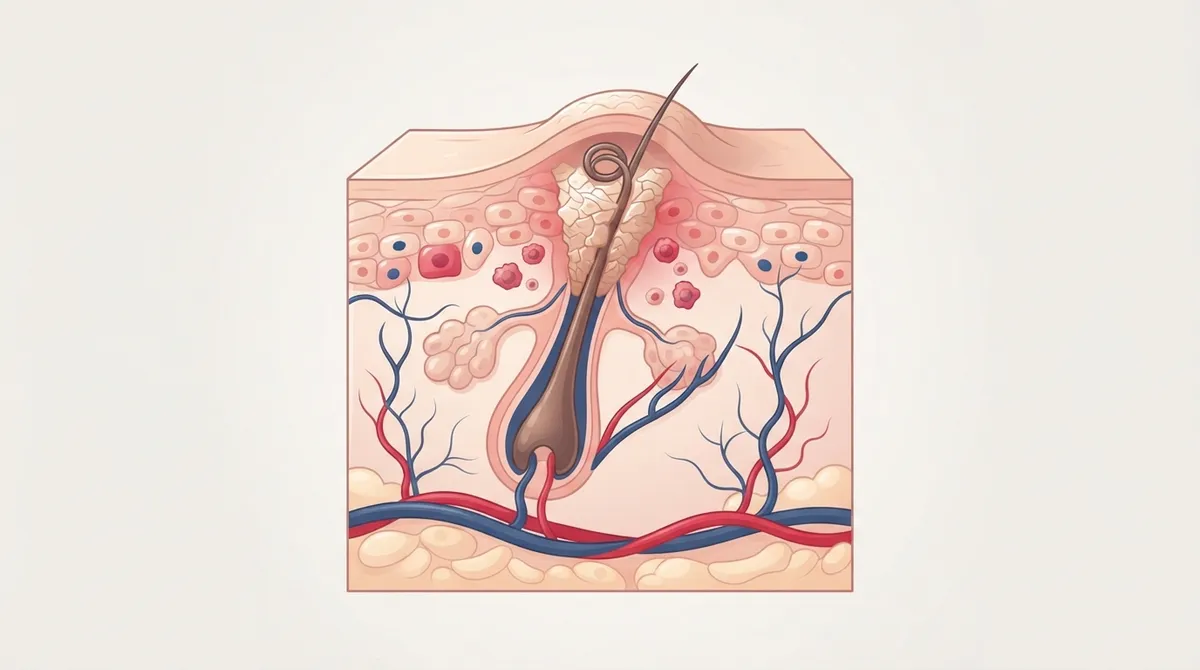
Keratosis pilaris is common and harmless. It happens when hair follicles get clogged with keratin, a protein found in skin. This creates tiny bumps that can look like goosebumps or mild acne. Some people also notice redness around the bumps. While KP is not dangerous, it can affect confidence, especially during warmer months in Florida when shorts and swimsuits are common.
What Is Keratosis Pilaris and Why Does It Happen?
KP shows up most often on the upper arms, thighs, cheeks, and buttocks. Doctors describe it as a benign follicular condition, meaning it comes from the hair follicle itself and is not linked to any serious illness. The exact cause is not fully understood, but genetics and dry skin seem to play a role.
According to DermNet, KP is described as a common skin condition in dermatology references, though exact prevalence numbers are hard to pin down. Many patients notice it gets worse in winter when skin is drier and improves somewhat in humid weather.
Can Laser Hair Removal Actually Help KP?
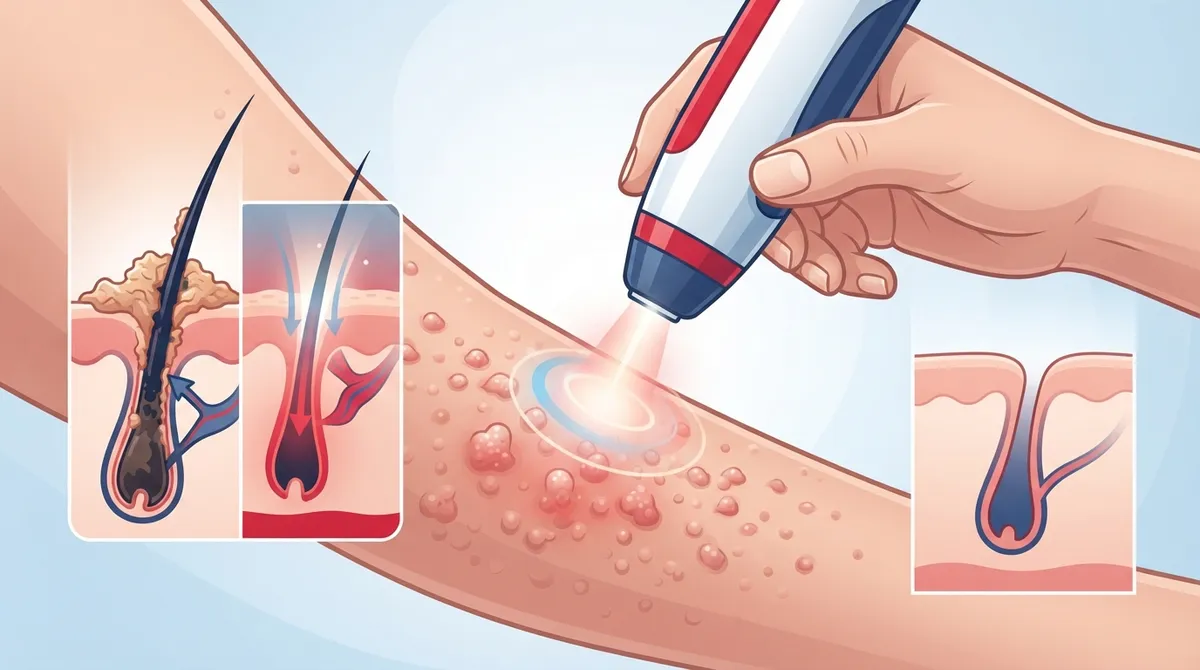
Laser hair removal targets hair follicles using focused light energy. Since KP bumps form around follicles, some clinicians have explored whether this treatment might smooth out rough skin texture as a side benefit. This is different from lasers or intense pulsed light devices used specifically to reduce redness, since those target blood vessels rather than hair follicles.
It is important to understand that laser hair removal for KP is considered elective and cosmetic. It is not a first-line treatment and it is not a cure. The evidence supporting its use is still limited, so any decision should involve a careful conversation with a qualified provider.
What the Research Shows
One of the most cited studies on this topic is a small randomized, split-body trial. Researchers enrolled 23 participants, and 18 completed the full study. Everyone had Fitzpatrick skin types I through III, meaning the results may not apply equally to people with darker skin tones.
Participants received three sessions with an 810-nm diode laser, spaced four to five weeks apart. Researchers checked results twelve weeks after the first treatment. Here is a quick summary of what they found:
|
Measure |
Treated Side |
Untreated Side |
Statistical Significance |
|---|---|---|---|
|
Roughness/Bumpiness Score |
1.0 (median) |
2.0 (median) |
Significant (P=.004) |
|
Redness Score |
2.0 (median) |
2.0 (median) |
Not significant (P=.11) |
This tells us something useful. The laser improved how rough and bumpy the skin felt, but it did not meaningfully reduce redness. If redness is your main concern, a vascular laser or intense pulsed light device may be a better fit than one built for hair removal.
A more recent 2026 proof-of-concept report looked at laser hair removal for KP in a single patient. While the results were promising for that one person, the authors were clear that a single case cannot tell us how well this works for the general population. More research is needed before broader conclusions can be drawn.
Side Effects and Safety Concerns
Laser treatments are not risk-free. In the diode laser trial mentioned above, two participants dropped out because they developed inflammatory hyperpigmentation, meaning dark patches formed on their skin after treatment. This is a real risk, especially for people with medium to darker skin tones.
Other possible side effects include:
- Temporary redness and swelling after treatment
- Mild burning or stinging sensation
- Blistering in rare cases
- Pigment changes, including both lightening and darkening of skin
- Scarring, though uncommon with proper technique
Because of these risks, choosing the right device settings and working with an experienced provider matters a great deal. This is one reason why a consultation with a primary care team familiar with your full health history can help you avoid unnecessary complications.
Should You Try Creams Before Considering Laser Treatment?
Most dermatology guidance suggests starting with simpler, more affordable options before jumping to laser therapy. According to the StatPearls clinical reference, common first-line approaches for KP include:
- Daily moisturizing with thick, fragrance-free creams
- Topical exfoliants containing urea, lactic acid, or salicylic acid
- Topical retinoids, which help normalize skin cell turnover
- Gentle exfoliation using a soft washcloth, avoiding harsh scrubbing
These treatments require ongoing use to maintain results. Many patients see noticeable improvement within a few weeks of consistent use, though bumps may return if treatment stops. If these steps do not deliver the results you want after several months, that may be the time to discuss laser options with a provider.
Who Should Evaluate Your Keratosis Pilaris Before Any Laser Treatment?
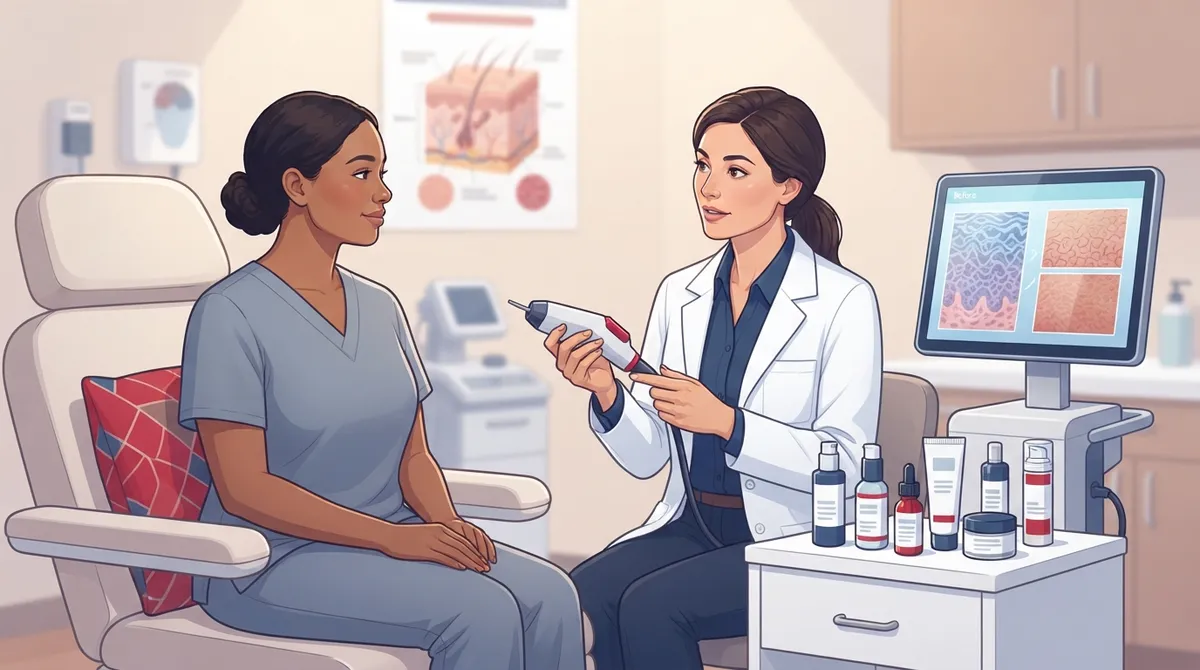
Before considering laser hair removal for KP, you need a proper evaluation. A qualified clinician should confirm your diagnosis, review your skin tone, check your hair color, and ask about any history of scarring or pigment changes. They should also review your current medications, since some drugs can make skin more sensitive to light-based treatments.
This is where having an established relationship with a primary care provider becomes valuable. Rather than seeking treatment from a walk-in cosmetic clinic with no medical oversight, working with a team that knows your full health picture offers more thoughtful, personalized guidance. At InCare, our providers in Tampa and Riverview take time to understand your skin history and overall wellness goals before recommending any treatment path.
Questions to Ask Before Treatment
When you meet with a provider about KP treatment options, consider asking these questions:
- What is my Fitzpatrick skin type, and how does that affect my risk of pigment changes?
- How many sessions might I realistically need?
- What results can I expect for bumpiness versus redness?
- What are the signs of a bad reaction I should watch for?
- Are there topical treatments I should try first?
Comparing Treatment Options for KP
Since KP has multiple possible approaches, it helps to see them side by side. The table below compares common options based on available evidence.
|
Treatment |
Primary Target |
Evidence Level |
Typical Commitment |
|---|---|---|---|
|
Moisturizers |
Dry skin, mild bumps |
Widely recommended |
Daily, ongoing |
|
Topical Keratolytics (urea, lactic acid) |
Rough texture |
Common first-line therapy |
Daily to weekly |
|
Topical Retinoids |
Skin cell turnover |
Considered supportive option |
Nightly, ongoing |
|
Laser Hair Removal (810-nm diode) |
Hair follicles, texture |
Limited, small trial data |
3+ sessions, possible maintenance |
|
Vascular Laser/IPL |
Redness |
Used off-label for redness |
Multiple sessions |
No single option works for everyone. Your skin type, goals, and budget all factor into the right choice. A wellness-focused primary care visit can help you weigh these options against your specific situation rather than guessing on your own.
Setting Realistic Expectations
If you decide to move forward with laser hair removal for KP, keep expectations grounded in what research actually shows. Improvement may be partial rather than complete. You may need more than three sessions, and results for redness may lag behind improvements in texture. Maintenance treatments or a combination with topical products may be needed to sustain results over time.
Because study data remains limited, providers should be honest about the uncertainty involved. Being transparent about these limits is part of good patient care, and it is something InCare providers take seriously when discussing elective cosmetic treatments alongside broader wellness goals like body composition tracking or DNA gene testing.
Why a Whole-Health Approach Matters for Skin Concerns
Skin issues like KP often connect to broader health patterns, including hydration, nutrition, and hormone balance. A comprehensive wellness visit can catch these connections instead of treating skin bumps in isolation. For example, dry skin conditions sometimes improve when overall hydration status improves, which is one reason some patients pair skin care goals with IV hydration and vitamin drip therapy.
InCare's approach combines primary care expertise with advanced wellness tools, so patients get more than a quick cosmetic fix. Whether you are dealing with KP, exploring weight loss programs, or want a full cancer screening to stay ahead of your health, our providers in Tampa and Riverview are ready to help. You can also check out real patient experiences and visit us on Google — InCare to see what current patients say about their care.
Steps to Take Before Your First Treatment
If you are ready to explore options for KP, follow these steps to make a smart, safe decision:
- Schedule a consultation with a primary care or dermatology-trained provider
- Get a clear diagnosis to confirm KP rather than another skin condition
- Discuss your skin tone and hair color to gauge laser safety
- Try topical treatments first if you have not already
- Ask about realistic timelines and number of sessions needed
- Review potential side effects, including pigment change risks
- Set a follow-up plan to track your results over time
Following these steps helps you avoid wasted money on treatments unlikely to work for your skin type, and it reduces your risk of side effects like hyperpigmentation.
Take the Next Step Toward Clearer, Healthier Skin
Keratosis pilaris can feel frustrating, but you do not have to guess your way through treatment options. Whether you want to start with simple topical care or discuss whether laser hair removal for KP fits your goals, a knowledgeable provider can guide you toward a safe, realistic plan. To learn more about our full range of wellness services, follow us on Facebook or check out patient stories on Instagram and Tik Tok for more health tips and clinic updates.
Ready to talk through your skin concerns with a trusted primary care team? Book your appointment today and take the first step toward skin that feels as good as it looks.
FAQs
Q: Does laser hair removal help keratosis pilaris bumps?
A: Some evidence suggests it can improve rough, bumpy texture. A small clinical trial found meaningful improvement in bumpiness after three sessions, though redness did not improve significantly. Results vary by individual and skin type.
Q: Can laser treatment get rid of keratosis pilaris permanently?
A: No, laser hair removal is not considered a cure for KP. It may improve texture temporarily, but ongoing maintenance or additional sessions are often needed to sustain results over time.
Q: How many laser sessions are needed for KP?
A: Research on this topic used three sessions spaced four to five weeks apart, with results checked twelve weeks after the first visit. Your provider may recommend a different schedule based on your specific skin condition.
Q: Is laser hair removal safe for KP on darker skin?
A: The main clinical trial only included people with lighter skin types (Fitzpatrick I-III), so results may not apply equally to darker skin tones. Pigment changes are a known risk, making careful evaluation by a qualified provider essential before treatment.
Q: Should I try creams or laser treatment first for KP?
A: Most guidance recommends starting with moisturizers and topical treatments like urea, lactic acid, or retinoids before considering laser therapy. These options are lower-risk and often effective when used consistently.


