
Key Takeaways
- Stress can lower sexual desire, affect arousal, and reduce satisfaction, and the effect varies widely; it may pass quickly or last for months.
- Stress is rarely the only factor: mood disorders, poor sleep (including sleep apnea), medications, hormonal changes, pain, alcohol, and relationship strain can all lower libido.
- Track your pattern for one to two weeks, noting when desire changed, stress levels, sleep, mood, new medicines, and relationship changes; if desire returns during calmer periods, stress is a likely driver.
- Consider seeing a clinician if low desire lasts for weeks or months, distresses you or your partner, or comes with fatigue, pain, or low mood; there is no set number of times per week that defines healthy.
- Reduce stress with protected sleep, regular movement, limits on workload, moderate alcohol intake, and slow breathing practices, choosing steps you can sustain.
- Reduce pressure during intimacy by planning low-pressure time together that doesn't have to lead to sex, and never stop prescribed medication without talking to the prescriber first.
A busy season at work, a new baby, money worries, or poor sleep can leave you with little interest in sex. Many people notice this and quietly wonder what is wrong. So, can stress cause low sex drive? Yes, it can. Stress may lower sexual desire, and it can also affect arousal and satisfaction. The effect is different for each person. It may pass quickly or last for months.
Still, stress is not always the whole story. Low libido often has more than one cause. Mood, sleep, medications, relationships, and physical health can all play a part. That is why a clear plan matters more than a guess.
This guide shows you how to work out whether stress is the likely cause. It explains how stress affects desire, what else to rule out, and which steps help. It also covers when to see a clinician and what a primary care visit looks like in 2026.
Can Stress Cause Low Sex Drive?
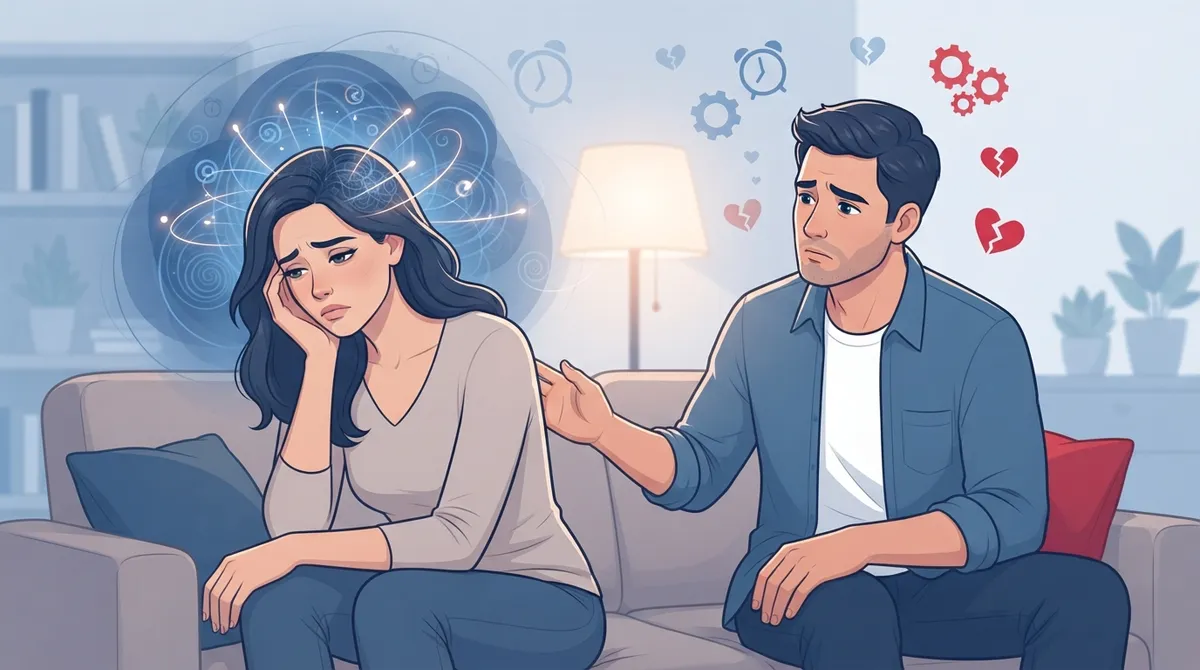
Stress can contribute to low sexual desire. This applies to women, men, and people of any gender. Desire is not the same as arousal, and both can change under stress. Desire is the wish to have sex. Arousal is the body's physical response.
Research supports the link, with some limits. A 2024 study abstract looked at 2,077 men having fertility testing. Among men who reported high stress, 31.4% described their libido as poor or terrible. That compared with 17.2% of men with moderate stress and 9.5% with low stress. The same study found that 25.5% of high-stress men had sex less than once a week, versus 6.0% of low-stress men.
These numbers show an association, not proof of cause. The group was a specific clinical sample and may not match the general public. Even so, the pattern fits what many patients report.
A 2025 daily-diary study of couples adds more detail. On days when people with sexual interest and arousal disorder felt more stress than usual, they and their partners reported lower desire. They also reported less sexual satisfaction and more sexual distress. Again, this shows a connection, not a single proven cause.
How Stress Affects Desire in the Body and Mind
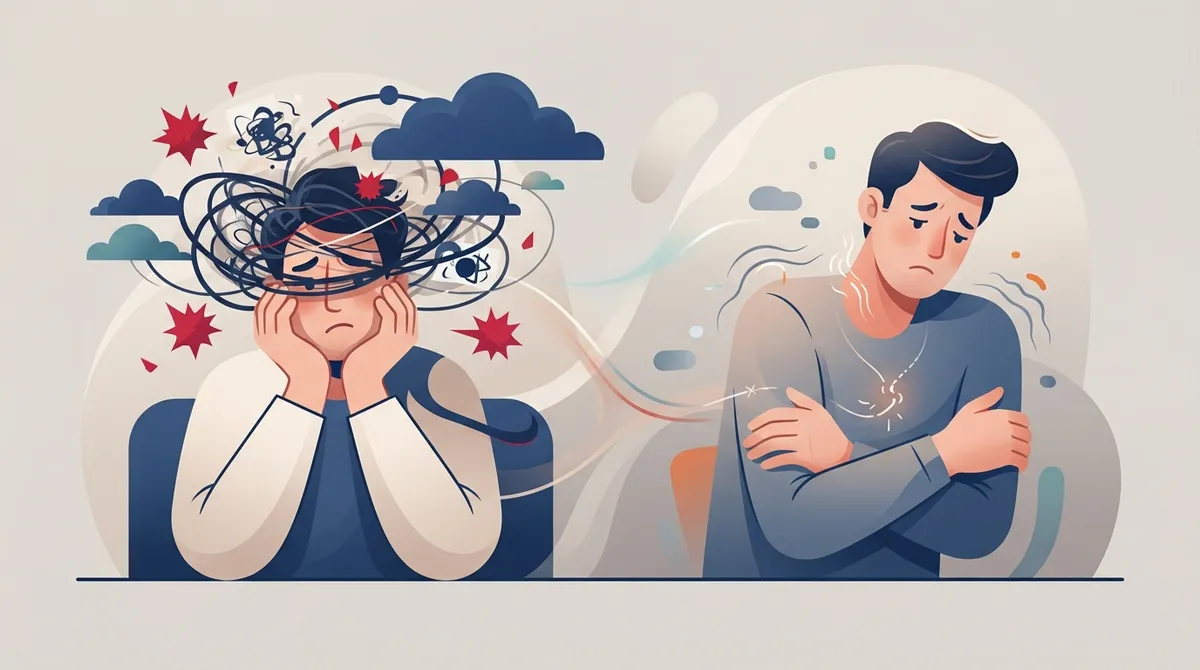
Stress works through several paths at once. Most people feel more than one of them.
- Distraction: A mind full of deadlines and worries has little room for desire.
- Anxiety: Worry and tension make it hard to relax and feel present.
- Fatigue: Long stress drains energy, and tired people rarely feel interested in sex.
- Low mood: Ongoing stress can slide into sadness or burnout.
- Relationship strain: Tension at home can reduce closeness and trust.
- Body stress response: Long-term stress and cortisol may be linked to sexual changes.
The hormone piece is complex. A 2020 review found limited research on chronic stress and sexual function. It did report evidence linking chronic stress with lower desire or genital arousal. However, cortisol is not proven to be the cause in every person. So it is best to treat hormones as one possible factor, not the answer for everyone.
Step 1: Notice Your Pattern
The first step is to look at when your desire changed and what else was happening. A simple pattern check often points you in the right direction.
- Mark the start date. Think about when you first noticed the change. Was it after a job change, a loss, a move, or a new baby?
- Track your stress levels. Note high-stress days and calmer days. See if desire rises when stress eases.
- Check your sleep. Poor sleep alone can lower libido.
- Note your mood. Look for sadness, worry, or loss of interest in other things you enjoy.
- Review any new medicines. Write down anything started near the time of the change.
- Think about your relationship. Ask whether conflict or distance has grown.
Keep these notes for a week or two. They will help you and your clinician see what lines up. If desire returns on vacation or on quiet weekends, stress may be a strong driver. If it stays low no matter what, look wider.
Step 2: Rule Out Other Causes
Stress is common, so it is easy to blame. But low libido is multifactorial. Other possible causes include the following.
|
Possible Cause |
What It May Look Like |
Why It Matters |
|---|---|---|
|
Depression or anxiety |
Low mood, worry, loss of interest in many things |
Mood conditions often lower desire and are treatable |
|
Sleep problems |
Poor rest, snoring, daytime tiredness |
Poor sleep and sleep apnea can reduce libido |
|
Medications |
Change after starting a new drug |
Some antidepressants and other drugs affect desire |
|
Hormonal disorders |
Fatigue, weight change, hot flashes, low energy |
Thyroid, testosterone, or menopause changes may play a role |
|
Pain or chronic illness |
Pain during sex, long-term conditions |
Physical discomfort lowers interest |
|
Alcohol or substances |
Regular heavy use |
These can dull desire and arousal |
|
Relationship concerns |
Conflict, distance, lack of trust |
Emotional closeness often shapes desire |
Do not stop any prescribed medicine on your own. If you think a drug is affecting you, talk with the prescriber first. A safe plan may include a dose change or another option.
Hormone-related causes deserve a mention for some adults. Men with low energy and low desire may want to learn about what causes low sex drive in men. Women in midlife may notice shifts that tie to hormones as well. A clinician can guide which checks make sense for you.
Step 3: Reduce Stress in Ways That Help Desire
When stress is a likely cause, easing it can help. Choose steps you can keep up with. Small changes done often work better than big changes done once.
- Protect your sleep. Keep a steady bedtime and limit screens at night.
- Move your body. Regular activity lowers tension and lifts mood.
- Set limits. Pick one or two tasks to drop or share each week.
- Practice slow breathing. A few minutes a day can calm your body.
- Limit alcohol. It may feel relaxing but often dulls desire.
- Make time for connection. Plan low-pressure time with your partner that does not have to lead to sex.
That last point matters. Pressure to perform can add more stress. Touch, talk, and shared time can rebuild comfort first. Desire often follows when the pressure drops.
Body health also supports mood and energy. A steady routine for food, movement, and rest helps your whole system. If weight or metabolism is part of your concern, a plan like medical weight loss can support energy and confidence over time.
Step 4: Know When to See a Doctor
There is no single normal level of sexual desire. What matters is your own experience and goals. A change is worth discussing with a clinician if it is:
- Lasting for weeks or months
- Distressing to you or your partner
- Affecting your relationship or quality of life
- Happening along with other symptoms, such as fatigue, pain, or low mood
You do not need a set number of times per week to be healthy. A good clinician will not assume that stress is the only cause. They will also not assume that a certain frequency of sex is required. The goal is to understand what feels right and what feels off for you.
What a Primary Care Visit Looks Like
A primary care doctor is a good first stop for this concern. The visit is private and respectful. Expect a calm, open talk rather than a rushed exam.
- Confidential history. You will talk about your health, medicines, mood, relationships, and sexual health.
- Stress and sleep review. The clinician asks about workload, home life, and rest.
- Targeted exam. An exam is done when your symptoms call for it.
- Selected tests. Lab tests are chosen based on your symptoms and findings.
- A shared plan. You and your clinician agree on next steps.
It helps to know that tests are not one-size-fits-all. Tests may be considered when signs point to a hormone or other medical cause. Routine cortisol testing is not an established general test for low libido. So a good clinician will not simply order every test available.
At InCare, our team treats the whole person. We combine primary care with advanced wellness tools. Patients in Tampa and Riverview can discuss stress, sleep, mood, and sexual health in one place. You can also read about what happens during an annual wellness visit to see how a full checkup fits in.
Care Options That May Help
Treatment depends on what your visit finds. Care is individualized. It may include one or more of these paths.
- Stress management: Skills and habits that lower daily strain.
- Counseling or sex therapy: Talk-based support for stress, worry, or couple concerns.
- Medication review: A check of drugs that may affect desire, done with the prescriber.
- Sleep care: Testing and support if poor sleep or sleep apnea is suspected.
- Treating an underlying condition: Care for thyroid, hormone, or other health issues when found.
Some adults ask about hormone care when low desire comes with fatigue and other signs. A clinician can explain whether that is a fit. You can learn more about BHRT versus traditional HRT before your visit. For men, our guide on testosterone replacement therapy explains who may qualify and why testing comes first.
Who Benefits Most From Acting Early
Stress-related low desire touches many life stages. Busy parents often feel stretched thin and short on sleep. Young professionals may juggle long hours and constant screens. Health-minded adults may want to catch small changes early rather than wait.
Acting early keeps a small issue from growing. It also protects your relationship from months of silence and worry. Many patients feel relief just from saying the problem out loud. Support for the whole body, including mood, sleep, and energy, tends to bring the best results. Options such as IV hydration and vitamin drips may suit some patients who feel run down, though a clinician should first confirm what is driving the symptoms.
Talking With Your Partner
Low desire can feel lonely. It can also be misread by a partner as rejection. Open talk helps both people.
- Choose a calm moment, not right before or after sex.
- Use "I" statements, such as "I have felt very stressed and tired."
- Explain that this is not about attraction.
- Ask what closeness would feel good right now.
- Agree to review how things are going in a few weeks.
If talking feels hard, a counselor can guide the conversation. Support from a professional is a sign of care, not failure.
Take the Next Step With InCare
Stress can lower sex drive, but it is rarely the only factor. A clear look at your sleep, mood, medicines, and health gives you real answers. You deserve care that listens and does not judge.
InCare offers personalized primary care and wellness services in Tampa and Riverview, with virtual visits available. See what patients say when you visit us on Google — InCare, and follow our health tips on Instagram, Facebook, and TikTok. When you are ready, book your visit now or contact our team with any questions.
FAQs
Q: Can stress cause low sex drive in women and men?
A: Yes. Stress can lower sexual desire in people of any sex or gender. The effect varies from person to person and may be short-term or lasting. Stress can also affect arousal and sexual satisfaction.
Q: Can anxiety or burnout cause a temporary loss of sex drive?
A: Yes. Anxiety, burnout, fatigue, and low mood can all reduce desire for a time. For many people, libido improves as stress eases and sleep returns. If the change lasts or feels distressing, see a clinician.
Q: When should I see a doctor about low libido?
A: See a doctor if the change is persistent, distressing, or affecting your relationship or quality of life. It is also wise to seek care if it comes with other symptoms such as fatigue, pain, or low mood. A primary care visit is a good first step.
Q: What tests might a primary care clinician use for low libido?
A: A clinician usually starts with a confidential history covering health, medicines, mood, relationships, and sexual health. An exam or lab tests are chosen based on your symptoms and findings. Routine cortisol testing is not an established general test for low libido.
Q: How can I improve my sex drive when stress is the cause?
A: Focus on sleep, regular movement, and limits on workload and alcohol. Plan relaxed time with your partner without pressure. Counseling, sex therapy, or a medication review may also help, and you should not stop prescribed medicine without talking to the prescriber.


