

Key Takeaways
- A thorough health assessment, including medical history, medications, blood pressure, blood sugar, cholesterol, and sleep, should come before any weight-loss plan to protect safety and guide decisions.
- Set modest, measurable goals: a 5% body weight reduction (about 10 pounds for a 200-pound adult) can meaningfully improve blood pressure, blood sugar, and joint strain.
- Build a plan you can repeat for years, focusing on protein, vegetables, fiber, portion awareness, regular walking, and strength training to protect muscle during fat loss.
- Prescription medication such as semaglutide or tirzepatide is typically considered at BMI 30 or higher, or BMI 27 or higher with a weight-related condition, and should always be paired with lifestyle care.
- Vet a clinic by asking who prescribes, confirming credentials, reviewing the first-visit workup, medication oversight, follow-up schedule, and total costs before committing.
- Plan for long-term maintenance from day one, since weight regain is common, and monitor weight, labs, side effects, and progress to adjust when results stall.
Searching for evidence-based weight loss in Tampa can feel overwhelming. Ads promise fast results, social media pushes quick fixes, and every clinic claims to be the answer. Yet real, lasting weight management is not a short diet. It is ongoing medical care built around your health, your habits, and your goals.
This guide shows you how to begin the process step by step. You will learn what a sound plan includes, how to judge a clinic, and when prescription medicine may fit. Whether you are a busy parent, a young professional, or someone who wants proactive, tech-supported care, the same principles apply. Good care is personal, monitored, and sustainable.
Florida's adult obesity rate was 26.6% in 2024, according to CDC survey data. That is a state estimate based on self-reported height and weight, not a Tampa figure. Still, it shows how many neighbors are working on the same challenge.

What Evidence-Based Weight Loss Means in a Tampa Primary Care Setting
Evidence-based care means your treatment follows what clinical research supports. It is not a trend, a detox, or a 30-day challenge. It is individualized, medically supervised care that treats weight as a chronic health issue.
In a primary care and wellness clinic, a good plan usually combines several parts:
- Nutrition support: changes that create a steady, sustainable calorie deficit.
- Physical activity: movement matched to your health, schedule, and ability.
- Behavioral strategies: goal setting, self-monitoring, problem solving, and support.
- Medical oversight: labs, vital signs, and review of your medicines.
- Prescription options: considered when you meet eligibility criteria and it is safe for you.
Medication is used with lifestyle care, not instead of it. That point matters. A pill or injection alone is not a complete plan.
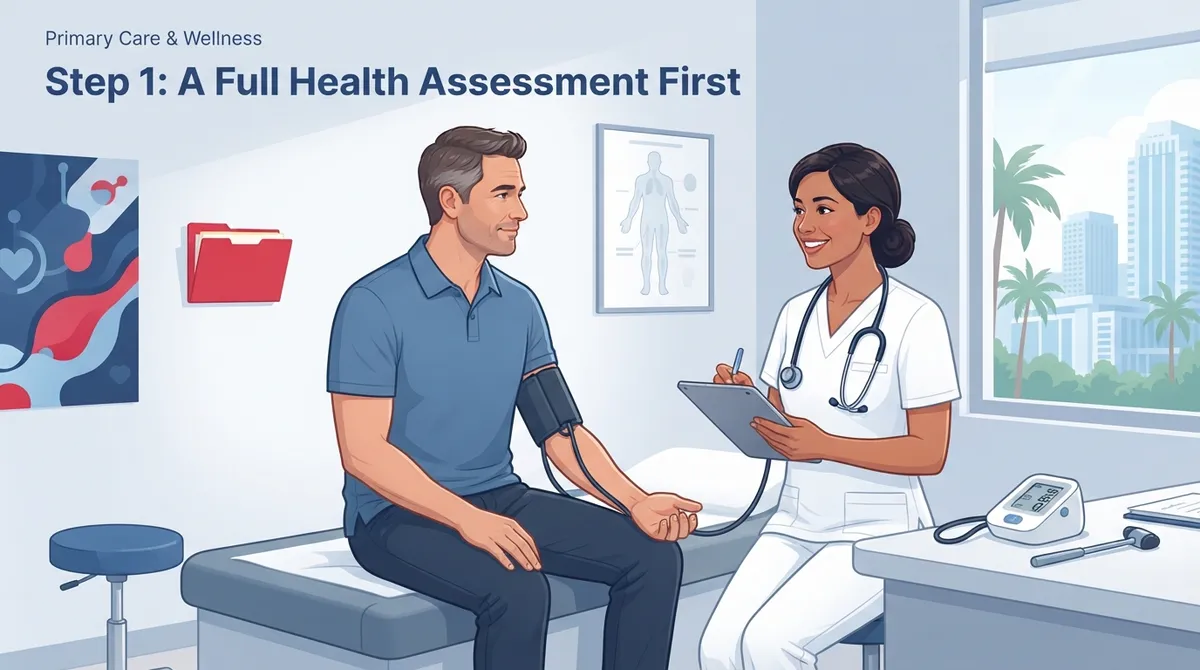
Step 1: Get a Full Health Assessment First
Weight is only one data point. A careful clinician looks at the whole picture before suggesting any plan. This step protects your safety and makes your plan more effective.
A strong first visit often reviews:
- Your medical history and family history.
- Your current medicines and supplements, since some affect weight.
- Blood pressure, blood sugar, cholesterol, and other metabolic markers.
- Sleep quality, stress, and mental health.
- Past weight-loss attempts and what worked or did not.
- Your preferences, schedule, and goals.
This is where primary care shines. One team can look at weight alongside prediabetes, high blood pressure, and sleep concerns. If you snore or wake tired, it may be worth reading how to know when to see a doctor for poor sleep, because sleep and weight affect each other.
Technology That Adds Useful Data
Modern clinics can add tools that make the picture clearer. InCare offers metabolic breath analysis, 3D body composition scanning, and DNA gene testing. These tools can help show how your body uses energy and where fat and muscle sit. They support decisions, but they do not replace a clinician's judgment. You can learn more about what a metabolic breath test shows about your body before you decide if it fits you.
Step 2: Set Realistic, Measurable Goals
Many people aim too high, too fast. Evidence supports modest, steady targets. A 2026 diabetes care guideline summary describes a general goal of at least 5% body weight reduction for adults treated with obesity medicine, while stressing that goals should be individual and monitored.
Five percent may sound small. For a 200-pound adult, that is about 10 pounds. Yet even modest loss can improve blood pressure, blood sugar, and joint strain for many people.
Try goals like these:
- A weekly habit goal, such as three walks or planned lunches.
- A monthly check-in goal, such as waist measurement or energy level.
- A three-month goal tied to a health marker, such as blood pressure.
Track more than the scale. Clothing fit, stamina, sleep, and lab results all tell a story.
Step 3: Build a Plan That Fits Your Real Life
A plan that ignores your schedule will fail. This is true for busy young families, shift workers, and professionals with packed calendars. The best plan is one you can repeat for years.
Nutrition
You do not need a perfect diet. You need a pattern you can keep. Most successful plans focus on protein, vegetables, fiber, and portion awareness. They also leave room for family meals and social events. If you are unsure whether to see a registered dietitian or a physician-led program, this comparison of dietitian vs nutritionist differences can help you choose support.
Movement
Start where you are. Walking counts. Strength training helps protect muscle while you lose fat, which matters for long-term metabolism. Your clinician can suggest a level that is safe for your heart and joints.
Behavior and Support
Self-monitoring is one of the best-supported habits. That can mean logging meals, tracking steps, or weighing in on a set schedule. Regular follow-up also keeps you accountable. Many Tampa patients find that scheduled check-ins make the difference between starting and finishing.
Step 4: Learn When Prescription Medication May Help
For some adults, medicine can be a helpful part of the plan. Common U.S. clinical thresholds are a BMI of 30 or higher, or a BMI of 27 or higher with at least one weight-related condition. Actual eligibility depends on the specific drug's labeling and your individual risks.
Semaglutide and tirzepatide are among the newer medicines used for chronic weight management. Here are key points to understand:
- They require a clinician's assessment and ongoing follow-up.
- Stomach-related side effects are common, especially early on.
- They are not right for everyone, including during pregnancy.
- Cost, access, and personal preference all belong in the decision.
- Weight can return after stopping, so planning for the long term matters.
Medication should never be sold as a quick fix. Nutrition, activity, and behavior support still do the heavy lifting alongside it. If you want to compare options, these guides explain how semaglutide works and how tirzepatide works inside your body. For a side-by-side view, see six facts on tirzepatide vs semaglutide.
Quick Comparison: Lifestyle Care and Medication
|
Approach |
What It Offers |
Key Consideration |
|---|---|---|
|
Nutrition and activity plan |
Builds lasting habits and supports overall health |
Needs consistency and regular check-ins |
|
Behavioral support |
Goal setting, self-monitoring, problem solving |
Works best with scheduled follow-up |
|
Prescription medication |
May help eligible adults reach a clinical goal |
Requires clinician oversight and monitoring |
|
Specialty referral |
Addresses complex or related conditions |
Coordinated through your primary care team |
Step 5: Check That a Tampa Clinic Is Truly Medically Supervised
Not every weight-loss business offers the same level of care. Before you commit, ask direct questions. A trustworthy clinic will answer them clearly.
Use this checklist:
- Who prescribes and supervises? Confirm the clinicians' licenses and credentials.
- What does the first visit include? Look for a full history, vitals, and labs, not just a quick weigh-in.
- How is medication overseen? Ask about dose changes, side-effect plans, and eligibility screening.
- What is the follow-up schedule? Ongoing monitoring should be built in.
- What are the costs? Ask about insurance, visit fees, and medication pricing up front.
- Is there a referral pathway? You should be able to see specialists if you need them.
This guidance is general. Local availability varies, so verify details directly with any clinic you consider. For more help, read eight mistakes to avoid at a premium weight loss center and what a weight management clinic actually does.
Why Primary Care Is a Smart Home Base for Weight Care
Weight rarely travels alone. It is tied to blood pressure, blood sugar, sleep apnea, joint pain, and mood. A primary care team can manage these together, which keeps your care coordinated instead of scattered.
InCare is a personalized clinic with locations in Tampa and Riverview that blends primary care, urgent care, and advanced wellness services. That mix means your weight plan can sit alongside preventive screenings, chronic condition care, and tools like body composition scanning. If you value convenience, virtual visits are also available. Learn more in this overview of 14 ways a primary care doctor aids weight loss, or explore the basics of how medically supervised weight loss works.
Patients often tell us they want a team that listens. InCare holds a 4.8 out of 5 rating on Google from 359 reviews, and you can read InCare reviews on Google to hear from patients directly.
Step 6: Plan for Monitoring and Long-Term Maintenance
Losing weight is one phase. Keeping it off is another. Weight regain is common, so your plan should include a maintenance strategy from day one.
Effective monitoring usually includes:
- Regular weight and waist checks.
- Blood pressure and lab reviews as needed.
- Side-effect checks if you take medication.
- Adjustments when progress stalls.
- Ongoing support for nutrition and activity habits.
If you are wondering whether your plan is on track, this guide on how to know when weight loss medication is working offers useful markers. For the long game, see how you can keep weight off for good and why weight can return after stopping tirzepatide.
Common Mistakes to Avoid
Even motivated people stumble. Watch for these traps:
- Choosing a program based on speed instead of safety.
- Skipping the health assessment and labs.
- Treating medication as a stand-alone fix.
- Ignoring sleep, stress, and mood.
- Stopping follow-up visits once early progress shows.
If you are unsure what is holding you back, five real reasons you are not losing weight may point you in the right direction.
Ready to Begin?
Evidence-based weight loss in Tampa starts with a conversation, not a quick fix. A thorough assessment, realistic goals, a plan built for your life, and steady monitoring give you the best chance at lasting results. InCare brings primary care, advanced testing, and personalized support together in one place, so you do not have to piece it together alone.
You can follow InCare for health tips on Instagram, Facebook, and TikTok. When you are ready, book your weight management visit with InCare or contact our team with questions. Take the first step toward a plan that is safe, personal, and built to last.
FAQs
Q: What does evidence-based medical weight loss in Tampa include?
A: It typically includes a full health assessment, nutrition and activity guidance, and behavioral support such as goal setting and self-monitoring. When appropriate, a clinician may add prescription medication alongside lifestyle care. Regular follow-up is used to monitor progress and safety.
Q: Who may qualify for prescription weight-loss medication?
A: Common U.S. criteria are a BMI of 30 or higher, or 27 or higher with a weight-related condition such as high blood pressure. The specific drug's FDA labeling and your personal risks determine whether it is suitable. A clinician must evaluate you before prescribing.
Q: Are semaglutide or tirzepatide right for everyone?
A: No. Both are used for chronic weight management in eligible adults, but stomach-related side effects are common and they are not appropriate for everyone, including during pregnancy. Your clinician will weigh benefits, risks, cost, and your preferences before recommending either.
Q: How can I check whether a Tampa weight-loss clinic is medically supervised?
A: Ask who prescribes, confirm clinician credentials, and request details on medication oversight and the follow-up schedule. Also ask about costs, insurance, and referral options. A reliable clinic will explain these clearly and include a thorough first visit with vitals and labs.
Q: Can primary care help with prediabetes, high blood pressure, or sleep apnea while managing weight?
A: Yes. Primary care teams can assess and manage weight alongside related conditions, which keeps your care coordinated. This approach helps ensure your weight plan supports your broader health rather than treating weight in isolation.


