

Key Takeaways
- Kisspeptin is a brain hormone that triggers the reproductive hormone cascade by activating GnRH release, which then stimulates LH and FSH production needed for ovulation and fertility.
- Early clinical trials show kisspeptin can increase LH levels 48-fold and FSH 16-fold in women with hypothalamic amenorrhea, but studies remain small (5-10 participants) and it is not FDA-approved.
- Tachyphylaxis—where the body's response weakens with frequent dosing—is a major challenge that must be solved before kisspeptin can become routine therapy, with twice-weekly dosing showing more stable results.
- If you have missed periods or fertility concerns, schedule an evaluation with a primary care doctor to identify root causes like stress, low body weight, or thyroid issues before considering experimental treatments.
- Avoid buying unregulated kisspeptin products online, as FDA approval is lacking, manufacturing quality is unverified, and dosing and purity cannot be guaranteed outside controlled clinical trials.
- Kisspeptin may offer future benefits for hypothalamic amenorrhea, IVF ovulation triggers with lower ovarian hyperstimulation risk, and certain PCOS cases, but current proven treatments remain the standard of care.
Fertility researchers are buzzing about a hormone called kisspeptin. Headlines call it a "medical breakthrough" for reproductive health. But what does that actually mean for you? If you have missed periods, unexplained infertility, or low hormone levels, you deserve a clear, honest answer, not hype.
This guide breaks down what kisspeptin is, what the science really shows, and what steps you can take today. We will also explain why working with a trusted primary care team matters more than chasing unregulated products online. InCare, with locations in Tampa and Riverview, Florida, helps patients understand emerging research while focusing on proven, safe paths to better health.

What Is Kisspeptin and Why Is It Getting Attention?
Kisspeptin is a natural hormone made in the brain. It plays a key role in starting and controlling your reproductive system. Think of it as a messenger that tells your brain to release other hormones needed for periods, ovulation, and fertility.
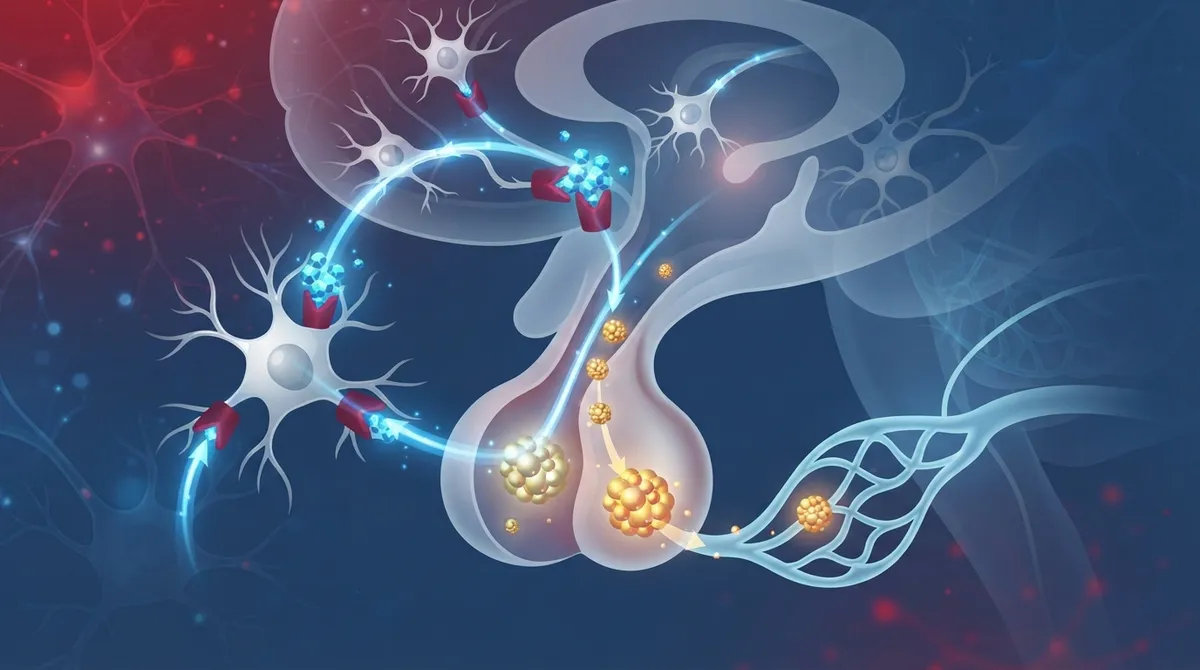
Specifically, kisspeptin activates a receptor called KISS1R. This triggers the release of gonadotropin-releasing hormone (GnRH). GnRH then signals your pituitary gland to release two more hormones: luteinizing hormone (LH) and follicle-stimulating hormone (FSH). These two hormones control ovulation in women and testosterone production in men.
In short, kisspeptin sits at the top of a hormone chain reaction. It does not replace sex hormones directly. Instead, it wakes up the entire system that produces them.
Why Researchers Call It Promising
Scientists are excited because kisspeptin may help people whose reproductive hormone system has shut down. This condition often affects women with irregular or missing periods due to stress, poor nutrition, or overtraining. Early studies show kisspeptin can restart hormone signals in these cases.
The Science Behind the Kisspeptin Medical Breakthrough
Let's look at real numbers from clinical research. These studies are small, but they show clear effects on hormone levels.
|
Study Detail |
Result |
Source |
|---|---|---|
|
Single kisspeptin injection in women with hypothalamic amenorrhea |
LH rose 48-fold; FSH rose 16-fold over four hours |
Endocrine Abstracts, 2009 |
|
Eight-week twice-weekly dosing study |
Hormone levels significantly higher than placebo; no adverse effects reported |
J Clin Endocrinol Metab, 2011 |
|
Long-term twice-weekly dosing |
LH response dropped from 21.5 IU/L to 10.0 IU/L by day 14, then stabilized |
Endocrine Abstracts, 2010 |
|
Eight-hour infusion study |
LH pulses increased from 1.6 to 5.0 per hour, about threefold |
J Clin Endocrinol Metab, 2014 |
|
Ovulation trigger comparison |
33.6-fold lower risk of severe OHSS versus rhCG |
2025 fertility research review |
These numbers sound impressive. But notice something important: most studies included only five to ten people per group. This is early-stage research, not proof that kisspeptin works for everyone.
The Tachyphylaxis Problem
One major challenge is called tachyphylaxis. This means your body's response to kisspeptin gets weaker with frequent use. Researchers found that dosing too often causes this fading effect. Less frequent dosing, such as twice weekly, seems to keep the hormone response more stable over time.
This is a critical hurdle. Any future treatment must solve this problem before it can become a routine therapy.
Who Might Benefit From Kisspeptin Research?
Right now, kisspeptin is not an approved treatment for the general public. But research points to a few groups who may benefit someday:
- Women with functional hypothalamic amenorrhea, where stress, low body weight, or excessive exercise stops periods
- Patients going through IVF who need an ovulation trigger with lower risk of ovarian hyperstimulation syndrome
- People with polycystic ovary syndrome (PCOS) being studied in early trials
- Men with certain forms of low testosterone linked to signaling problems in the brain
- Young patients with delayed puberty caused by hormone signaling issues
Notice that this list is about research directions, not current treatments. If you fall into one of these groups, the right move is to get evaluated by a doctor, not to search for kisspeptin products online.
What Primary Care Doctors Look For
If you have missed periods or fertility concerns, your primary care doctor plays a key role. Good doctors do not jump straight to experimental treatments. Instead, they look for root causes first.
Common Areas Your Doctor Will Evaluate
- Recent changes in weight, exercise habits, or diet
- Signs of chronic stress or sleep problems
- Thyroid function and other hormone levels
- Medication side effects that might affect your cycle
- Underlying conditions like PCOS or pituitary issues
- Family history of reproductive or hormone disorders
This step-by-step process helps identify what is actually causing your symptoms. Many cases of missed periods improve once the underlying issue, such as low energy intake or overtraining, gets addressed. You can learn more about this approach in our guide on what happens during an annual wellness visit.
Kisspeptin vs. Current Fertility Treatments
How does kisspeptin compare to treatments already used today? This table breaks down the key differences.
|
Treatment |
Current Status |
Main Use |
Key Advantage/Concern |
|---|---|---|---|
|
Kisspeptin |
Experimental, phase 1-2 trials |
Restoring LH/FSH signals; possible ovulation trigger |
Lower OHSS risk in trials; repeated dosing causes weaker response |
|
hCG (human chorionic gonadotropin) |
Standard, widely used |
Ovulation trigger in IVF |
Higher OHSS risk than kisspeptin in studies |
|
GnRH agonists |
Standard, widely used |
Ovulation trigger; hormone suppression |
Well established but different side effect profile |
|
Synthetic kisspeptin agonists (e.g., MVT-602) |
Early-phase investigation |
Longer-lasting hormone stimulation |
Still being tested in healthy women, FHA, and PCOS patients |
As you can see, kisspeptin has not replaced any standard treatment. It remains a research tool with future potential, not a current option at your local clinic.
Steps to Take If You Suspect a Hormone Problem
Instead of waiting for kisspeptin to become available, here is what you can do right now.
- Track your menstrual cycle and note any missed or irregular periods
- Write down other symptoms like fatigue, low libido, or hair changes
- Schedule a visit with a primary care provider or women's health specialist
- Ask for basic hormone bloodwork, including LH, FSH, and thyroid panels
- Discuss lifestyle factors such as exercise intensity, diet, and stress levels
- Follow up on any referrals to endocrinology or reproductive specialists
- Avoid buying unregulated peptide products marketed for fertility or hormone support
This process protects your health while giving your doctor the full picture needed to help you. If you are due for a check-up, you can book your appointment online today.
Why You Should Avoid Unregulated Kisspeptin Products
Because kisspeptin is trending in wellness circles, some online sellers market it as a supplement or injectable product. This is risky for several reasons.
- These products are not approved by the FDA for any medical use
- Dosing, purity, and sterility are often unverified
- Manufacturing quality varies widely between sellers
- Side effects and long-term risks have not been studied outside controlled trials
- There is no guarantee the product contains what the label claims
A 2025 study published in eBioMedicine tested intranasal kisspeptin in small groups of about ten participants per group. This shows how early-stage this research remains. Buying similar products online is very different from participating in a monitored clinical trial.
Broader Research Areas Worth Watching
Beyond fertility, scientists are studying kisspeptin's role in other areas of health. These are still research topics, not proven treatments.
Areas Under Investigation
- Puberty timing and delayed development in teens
- Reproductive aging and menopause transitions
- Male fertility and testosterone regulation
- Sexual desire and libido changes
- Possible links to metabolic health and appetite
If any of these areas apply to your health concerns, your best move is a conversation with your doctor. Ask about current options like DNA gene testing or hormone panels that can guide your care today, rather than waiting on future kisspeptin therapies.
How InCare Supports Your Reproductive and Hormone Health
At InCare, our providers focus on finding real answers for your symptoms. We do not offer experimental peptide therapies outside of approved medical use. Instead, we focus on thorough evaluation, lifestyle guidance, and referrals when needed.
Our team, including providers like Dr. Pramjeet Ahluwalia and Dr. Naveen Paddu, works with patients across Tampa and Riverview to address hormone concerns with proven, science-backed approaches. We also offer cancer screening and body composition analysis to give you a full picture of your health.
Patients trust InCare for honest, up-to-date guidance. You can see what real patients say by visiting our InCare location on Google, where our clinic holds a strong reputation for quality care and friendly service.
What to Expect at a Fertility or Hormone Evaluation
Many patients feel unsure about what a hormone workup involves. Here is a simple breakdown of the typical process.
|
Step |
What Happens |
Why It Matters |
|---|---|---|
|
Initial consultation |
Discuss symptoms, cycle history, and lifestyle |
Helps identify possible causes |
|
Blood testing |
Check LH, FSH, thyroid, and other hormone levels |
Confirms if hormone signaling is disrupted |
|
Lifestyle review |
Assess diet, exercise, sleep, and stress |
Many cases improve with lifestyle changes alone |
|
Specialist referral |
Endocrinology or reproductive medicine if needed |
Ensures access to advanced testing and treatment |
|
Follow-up care |
Monitor progress and adjust the plan |
Tracks improvement over time |
This structured approach gives you real answers, not guesswork. It also keeps your care grounded in evidence rather than trends.
Staying Informed Without Falling for Hype
Medical breakthroughs often sound bigger in headlines than they are in reality. Kisspeptin research is exciting, but it is still years away from becoming a standard treatment. Being an informed patient means asking good questions and trusting verified sources.
You can follow trusted health updates and see patient stories on our Facebook page or check daily wellness tips on Instagram. We also share quick health facts on Tik Tok to help you separate fact from fiction.
Conclusion: Take Action With Real Medical Guidance
Kisspeptin is a fascinating area of reproductive science. It may one day offer new options for fertility treatment with fewer risks than current methods. But today, it remains experimental and not ready for general use.
If you have missed periods, fertility concerns, or hormone symptoms, do not wait for future breakthroughs. Get evaluated now by a trusted primary care team who can identify the real cause and guide you toward safe, proven solutions. Reach out to InCare today to schedule your consultation and take the first step toward better hormone health.
FAQs
Q: What is kisspeptin and how does it affect fertility?
A: Kisspeptin is a hormone that activates the KISS1 receptor, triggering GnRH release and stimulating LH and FSH production. These hormones control ovulation and reproductive function, making kisspeptin a key regulator of the fertility system rather than a direct fertility drug.
Q: Can kisspeptin help restore periods in women with hypothalamic amenorrhea?
A: Early studies show kisspeptin can raise LH and FSH levels in women with hypothalamic amenorrhea, a condition often linked to stress, low body weight, or excessive exercise. However, evidence remains limited to small trials, and it is not yet an approved treatment for restoring periods.
Q: Is kisspeptin approved as a fertility treatment?
A: No, kisspeptin is not currently approved by the FDA or other major regulators for fertility treatment. It remains in phase 1-2 clinical trials, and therapeutic protocols have not been established for routine use.
Q: Can kisspeptin reduce the risk of ovarian hyperstimulation syndrome during IVF?
A: Research suggests kisspeptin-triggered protocols may carry a substantially lower risk of severe ovarian hyperstimulation syndrome compared to standard hCG triggers. This finding comes from investigational studies and is not yet part of standard IVF care.
Q: Should patients buy or use kisspeptin products from online wellness clinics?
A: No, patients should avoid unregulated kisspeptin products sold online, since these products often lack verified purity, dosing accuracy, and safety testing. The safest path is discussing symptoms with a primary care provider who can evaluate the real cause and recommend appropriate, approved care.