Key Takeaways
- Diagnosis requires multiple validated readings over time, not a single office visit—use home monitoring or 24-hour ambulatory monitoring with an upper-arm cuff rather than smartwatches for accuracy.
- Medication is generally recommended when blood pressure reaches 140/90 mm Hg or stays at 130/80+ after 3-6 months of lifestyle changes; earlier intervention applies if you have heart disease, diabetes, or kidney disease.
- Start with lifestyle changes like DASH diet, 150+ minutes weekly exercise, sodium reduction, and stress management before medication, especially for stage 1 hypertension with lower cardiovascular risk.
- Schedule follow-up visits every few weeks after diagnosis until stable, then every 3-6 months; seek emergency care immediately for readings above 180/120 mm Hg combined with chest pain or breathing difficulty.
High blood pressure often shows no warning signs, yet it quietly raises your risk for heart attack, stroke, and kidney disease. If you live in Tampa or Riverview, finding a primary care doctor who understands the newest blood pressure guidelines can make all the difference in protecting your long-term health. This guide walks you through exactly how a primary care doctor diagnoses, treats, and helps you manage hypertension using the latest 2025 medical standards.
Whether you are a busy parent squeezing in a checkup, a young professional who just got an alarming reading at a pharmacy kiosk, or someone managing this condition for years, understanding the process helps you take control. At InCare, our team combines modern technology with hands-on medical expertise to help patients manage blood pressure before it becomes a bigger problem.
Why a Primary Care Doctor Is Key to Managing Hypertension
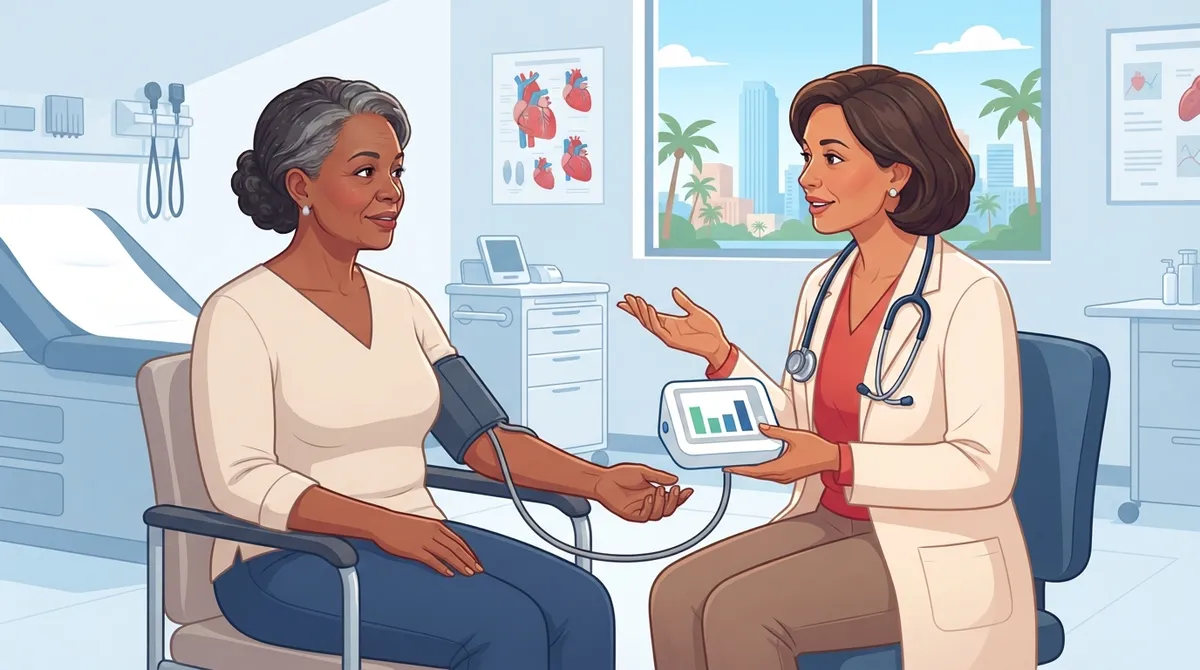
A primary care doctor does more than write a prescription. They screen for hypertension, confirm the diagnosis with proper testing, and check your overall heart and kidney health. They also look at your full picture, including family history, weight, and lifestyle, before deciding on next steps.
One high reading at a single visit does not always mean you have hypertension. Doctors usually want several accurate readings over time before making a diagnosis. This careful approach avoids unnecessary medication while catching real problems early. Learn more about primary care services designed to support this kind of ongoing monitoring.

Understanding the 2025 Blood Pressure Guidelines
In 2025, the American Heart Association and American College of Cardiology released updated guidelines for blood pressure care. These guidelines still use 130/80 mm Hg as the marker for hypertension, but they added more detail on how doctors should confirm and treat it.
Here is how blood pressure categories break down under the new guideline:
|
Category |
Systolic (top number) |
Diastolic (bottom number) |
|---|---|---|
|
Normal |
Below 120 |
Below 80 |
|
Elevated |
120–129 |
Below 80 |
|
Stage 1 Hypertension |
130–139 |
80–89 |
|
Stage 2 Hypertension |
140 or higher |
90 or higher |
These categories help your primary care doctor decide whether lifestyle changes alone are enough or if medication should start right away. If you're curious how this affects your own numbers, a visit to discuss blood pressure management strategies is a smart place to start.
How Doctors Confirm a Hypertension Diagnosis
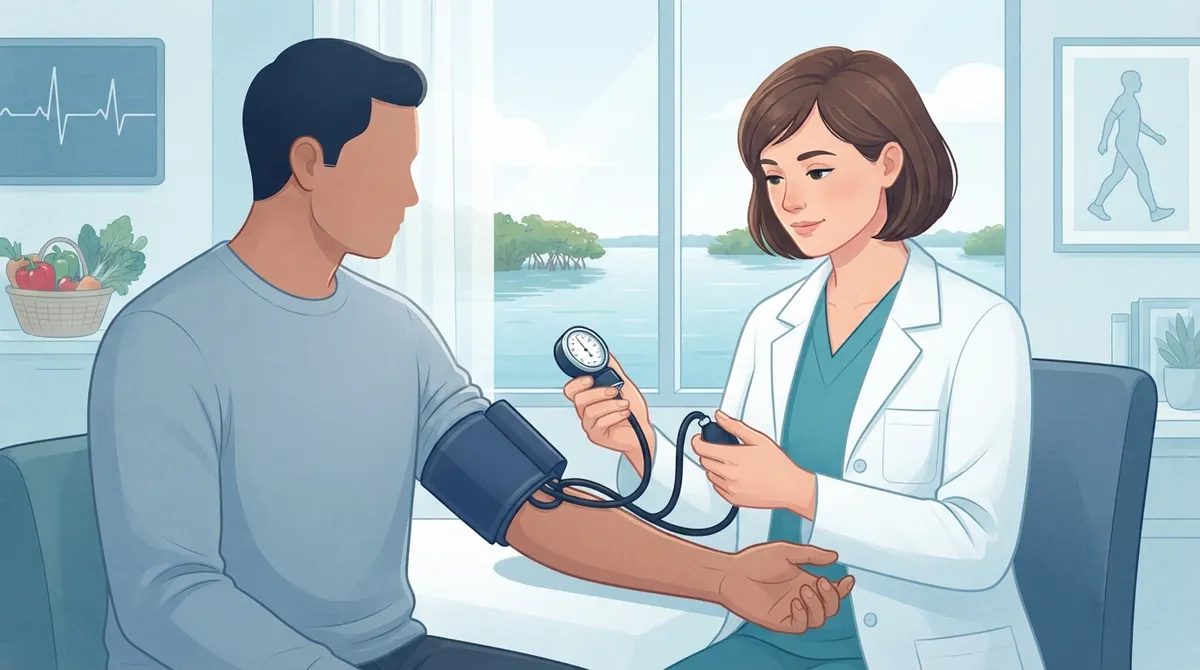
A single high reading in the office is not enough to confirm hypertension. The 2025 guideline calls for out-of-office readings using either home blood pressure monitoring or ambulatory monitoring, which tracks pressure over 24 hours.
Here is what the confirmation process typically looks like:
- Your doctor takes an initial reading using a properly sized cuff and standard technique.
- If the reading is high, you may be asked to check your blood pressure at home twice a day for about a week.
- Some patients wear a portable monitor for 24 hours to capture readings during normal daily activity.
- Your doctor reviews the pattern of readings, not just one number, to make a diagnosis.
- Based on the average results, your doctor classifies your blood pressure and recommends a treatment plan.
Smartwatches and other wrist-based devices that use cuffless technology are not recommended for diagnosis. A validated upper-arm cuff remains the gold standard for accuracy.
Lifestyle Changes That Support Lower Blood Pressure
Before jumping to medication, most doctors recommend lifestyle changes first, especially for adults with stage 1 hypertension and lower overall risk. These changes are simple but require consistency.
- Follow a heart-healthy eating pattern like the DASH diet, which emphasizes fruits, vegetables, and lean proteins
- Cut back on sodium in packaged foods and restaurant meals
- Get regular physical activity, aiming for at least 150 minutes a week
- Maintain a healthy weight through steady, sustainable habits
- Manage stress with relaxation techniques, better sleep, and mental health support
- Reduce or avoid alcohol consumption
For patients who need extra support losing weight to manage blood pressure, InCare's weight loss programs use medical supervision and modern tools to help patients reach lasting results, not quick fixes.
When Medication Becomes Necessary
Lifestyle changes work well for many people, but some patients need medication to reach a safe blood pressure range. The 2025 guideline gives clear direction on when this step should happen.
Medication is generally recommended when:
- Average blood pressure reaches 140/90 mm Hg or higher
- Blood pressure is 130/80 or higher and the patient has heart disease, prior stroke, diabetes, or kidney disease
- A calculated 10-year cardiovascular risk score is elevated, even without other conditions present
- Blood pressure remains at or above 130/80 after 3 to 6 months of consistent lifestyle changes
For patients diagnosed with stage 2 hypertension, doctors often start two medications from different drug classes right away, sometimes combined into a single pill for convenience. Common first-line options include thiazide diuretics, calcium-channel blockers, ACE inhibitors, and ARBs. Your primary care doctor will choose based on your specific health history and any other conditions you may have, something our team at InCare reviews closely through comprehensive annual wellness visits.
What to Ask When Choosing a Primary Care Doctor in Tampa
Not every clinic offers the same level of hypertension care. Before choosing a provider, it helps to ask a few direct questions.
- Does the practice support home blood pressure monitoring between visits?
- How often will follow-up appointments be scheduled after diagnosis?
- Can the doctor coordinate care with a cardiologist if needed?
- What insurance plans does the clinic accept?
- Are same-day or virtual appointments available for urgent concerns?
InCare's providers across Tampa and Riverview locations are equipped to answer these questions directly and build a long-term care plan tailored to your needs. You can also browse patient feedback and visit us on Google — InCare to see how other Tampa Bay residents describe their experience with our team.
How Often Should You Follow Up with Your Doctor?
Follow-up frequency depends on how well controlled your blood pressure is. Patients newly diagnosed or adjusting medication often need visits every few weeks until readings stabilize. Once blood pressure is well controlled, checkups every three to six months are common.
Consistent follow-up allows your doctor to catch problems early, adjust medication doses, and reinforce healthy habits. It also builds a relationship where your doctor understands your full health history, not just a snapshot from one visit. This kind of ongoing relationship is central to how our team approaches comprehensive primary care.
When High Blood Pressure Becomes an Emergency
Most high blood pressure readings can be managed calmly through outpatient care. However, a reading above 180/120 mm Hg needs prompt medical attention. If you also experience chest pain, shortness of breath, sudden weakness, vision changes, or trouble speaking, seek emergency care immediately.
For less severe but still concerning spikes, InCare's urgent care services offer same-day evaluation without the long wait times often seen in emergency rooms. This gives Tampa Bay patients a faster, more comfortable option for non-life-threatening concerns.
Beyond Blood Pressure: A Whole-Body Approach to Wellness
Hypertension rarely exists on its own. It often connects to weight, metabolism, stress, and genetics. That's why many patients benefit from a broader wellness evaluation alongside blood pressure care.
InCare offers services like body composition analysis and DNA gene testing to help identify risk factors before they become serious health issues. Combining these tools with regular primary care visits gives patients a fuller picture of their cardiovascular health, not just a number on a cuff.
Many patients also explore IV hydration and vitamin therapy to support overall energy and wellness while working on long-term blood pressure goals through diet and lifestyle change.
Staying Connected with Trusted Health Information
Staying informed about hypertension research helps you make better decisions with your doctor. The American Heart Association regularly publishes updated guidance on blood pressure management standards that shape how primary care doctors approach treatment nationwide.
You can also follow InCare's ongoing health tips and patient stories on Facebook and Instagram, where our team shares practical advice for managing chronic conditions like hypertension. For quick wellness tips in a more casual format, check out our updates on Tik Tok as well.
Take the Next Step Toward Better Blood Pressure Control
Managing hypertension does not have to feel overwhelming when you have the right primary care partner. With locations in Tampa and Riverview, InCare combines modern diagnostic tools with attentive, personalized care to help you stay ahead of high blood pressure and its complications. Our team takes time to review your full health history, confirm readings properly, and build a plan that fits your life, not a one-size-fits-all approach.
If you are ready to take control of your blood pressure and overall health, schedule your appointment today and start working with a Tampa Bay team that puts your long-term wellness first. You can also reach out to our team with any questions about insurance, scheduling, or what to expect at your first visit.
FAQs
Q: How do I find a primary care doctor in Tampa who treats high blood pressure?
A: Look for a clinic that offers home blood pressure monitoring support, regular follow-up visits, and coordination with specialists when needed. InCare's Tampa and Riverview locations provide comprehensive hypertension care backed by the latest 2025 medical guidelines.
Q: What blood pressure reading is considered hypertension under the 2025 guidelines?
A: Stage 1 hypertension is defined as systolic blood pressure between 130-139 mm Hg or diastolic between 80-89 mm Hg. Stage 2 hypertension applies when systolic reaches 140 or higher, or diastolic reaches 90 or higher.
Q: How does a doctor confirm a high blood pressure diagnosis?
A: Doctors confirm hypertension using repeated, properly taken readings rather than a single office visit. This often involves home blood pressure monitoring or 24-hour ambulatory monitoring using a validated upper-arm cuff.
Q: When does high blood pressure require medication instead of lifestyle changes alone?
A: Medication is typically recommended when blood pressure reaches 140/90 mm Hg or higher, or when it stays at 130/80 or above after 3 to 6 months of lifestyle changes in lower-risk patients. Those with existing heart disease, diabetes, or kidney disease may need medication sooner.
Q: When is a high blood pressure reading considered an emergency?
A: A reading above 180/120 mm Hg needs prompt medical attention, especially if paired with chest pain, shortness of breath, vision changes, or difficulty speaking. These symptoms require immediate emergency evaluation rather than a routine office visit.