
Key Takeaways
- GHK-Cu shows strong evidence for wound healing, particularly in diabetic ulcers with 98.5% closure rates versus 60.8% in control groups, but evidence for anti-aging claims is significantly weaker and not well-supported by clinical trials.
- Topical GHK-Cu has a favorable safety profile with adverse event rates below 1.8% across 47 clinical trials, but safety data primarily applies to 1-3% concentrations typical in cosmetic products.
- GHK-Cu is not FDA-approved as a medical treatment and is marketed as a cosmetic ingredient, so product claims should be evaluated critically rather than assumed to have regulatory backing.
- Most research supporting GHK-Cu comes from animal and cell studies rather than human trials; the single human wound-healing study showed promising results but cannot be taken as definitive proof of effectiveness.
- Start with a patch test and consult a healthcare provider before use, especially if you have sensitive skin, copper allergies, or are combining multiple active ingredients to avoid irritation.
- Real skin health requires a whole-body wellness approach including sleep, nutrition, sun protection, and hydration rather than relying on any single peptide product as a miracle solution.
Copper peptides are everywhere in skincare aisles right now, and GHK-Cu is one of the most talked-about ingredients. Maybe you saw it mentioned on TikTok, or your dermatologist brought it up during a visit. Either way, you probably want a straight answer: does it actually work? This guide breaks down the real science behind GHK-Cu effectiveness, so you can make an informed choice instead of following hype.
GHK-Cu, short for copper tripeptide-1, is a small protein fragment naturally found in the human body. Researchers have studied it for decades, mostly for its role in skin repair and wound healing. But not all claims about this peptide hold up equally well. Some uses have strong evidence. Others rely on thin, preliminary data. Knowing the difference matters, especially if you're investing time and money into a wellness routine.
At InCare, our providers in Tampa and Riverview help patients sort fact from marketing when it comes to peptides, supplements, and emerging wellness trends. This article walks through what the research actually shows, so you can decide if GHK-Cu deserves a spot in your health routine.
What Is GHK-Cu and Why Does It Matter for Skin Health?
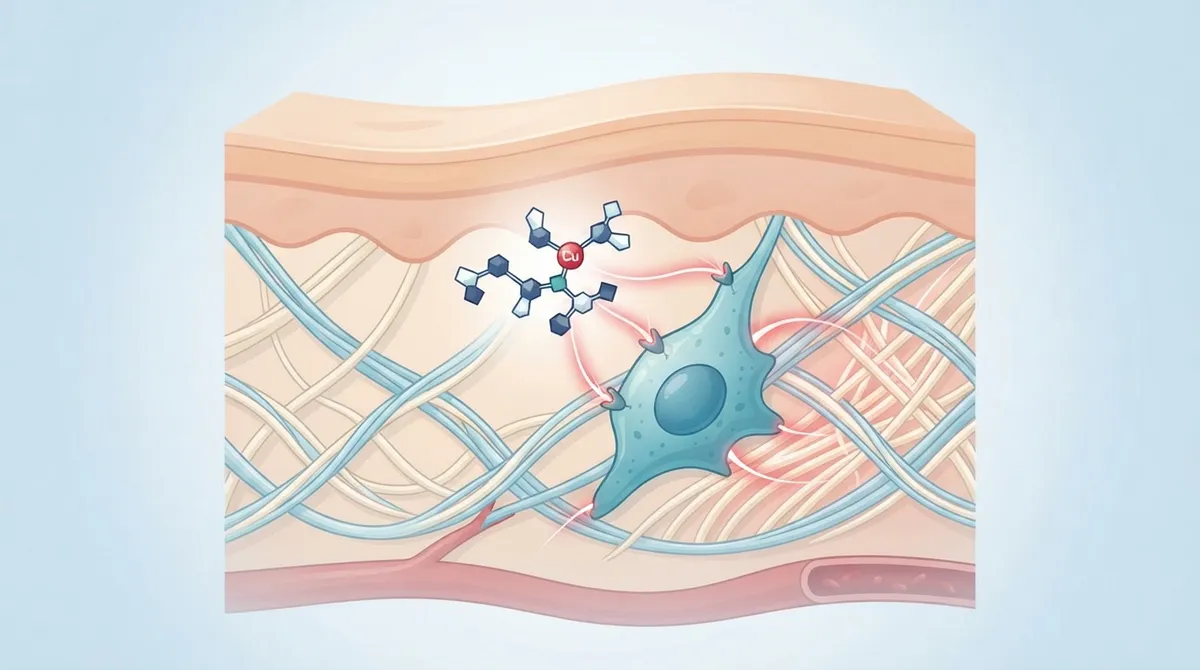
GHK-Cu is a peptide made of three amino acids bound to a copper ion. Your body produces it naturally, but levels drop as you age. This decline is part of why skin loses elasticity and heals more slowly over time.
Scientists first identified this peptide in human plasma decades ago. Since then, it has become a popular ingredient in serums, creams, and some wellness treatments. The appeal comes from its potential to support collagen and help skin repair itself.
Understanding what this peptide can and cannot do helps you set realistic expectations. It also helps you avoid overpaying for products that promise more than the science supports.
How Strong Is the Research Behind GHK-Cu Effectiveness?
The evidence for GHK-Cu comes in two main types: lab and animal studies, and human clinical trials. These two categories tell very different stories.
A 2015 review looked at 12 animal studies and only 4 human studies related to wound healing. That gap matters. Animal and cell research often shows promising results, but those results don't always carry over to people in the same way.
What Animal and Cell Studies Show
In lab settings, GHK-Cu has consistently shown several effects:
- Faster wound closure in mouse models
- Improved formation of new blood vessels (angiogenesis)
- Increased activity related to collagen production
- Reduced markers of inflammation in treated tissue
One frequently cited mouse study involving scald wounds found that GHK-Cu liposome treatment shortened healing time to 14 days. That's a meaningful result, but mice heal differently than humans, so this can't be taken as a guarantee for people.
What Human Studies Show
Human data is more limited but still notable in certain areas. A multicenter randomized study looked at diabetic neuropathic plantar ulcers, a serious and hard-to-treat wound type. Patients treated with GHK-Cu saw median area closure of 98.5%, compared to just 60.8% in the control group.
Infection rates also dropped significantly. Wounds treated immediately with GHK-Cu had a 7% infection rate, versus 34% in the control group. These numbers are encouraging, but this was one study, not a large body of repeated trials.
GHK-Cu for Anti-Aging: What Does the Evidence Actually Support?
Anti-aging claims are where GHK-Cu marketing gets ahead of the science. The peptide is often praised as a powerful wrinkle fighter, but the clinical evidence for this specific use is thinner than for wound healing.
Topical skin care remains the best-supported use of GHK-Cu. Most safety and effectiveness data comes from cosmetic formulations, not oral supplements or injections. If you're considering GHK-Cu for cosmetic reasons, understand that:
- The strongest evidence relates to skin repair, not dramatic anti-aging reversal.
- Human trials for anti-aging specifically are limited compared to wound healing research.
- Individual results vary based on skin type, concentration used, and consistency of application.
- No peptide replaces a full skincare and wellness routine that includes sun protection and hydration.
Claims about hair regrowth or broad systemic wellness benefits are the weakest supported uses. If a product promises total transformation from GHK-Cu alone, treat that claim with healthy skepticism.
GHK-Cu Safety: What You Need to Know Before Trying It
Safety is a top concern for anyone considering a new peptide. The good news is that topical GHK-Cu has a fairly favorable safety record, based on available research.
A 2020 safety review reportedly examined 47 clinical trials spanning three decades. Adverse event rates for topical GHK-Cu formulations stayed below 1.8%. That's a low number, suggesting good tolerability for most users.
|
Use Type |
Evidence Strength |
Safety Data Available |
|---|---|---|
|
Topical wound healing |
Moderate to strong |
Multiple studies, favorable |
|
Topical anti-aging/skincare |
Limited to moderate |
Mostly cosmetic-use data |
|
Oral or systemic use |
Weak |
Very limited long-term data |
|
Hair regrowth claims |
Weak |
Minimal direct evidence |
Most safety findings apply to concentrations between 1% and 3%, which is typical for cosmetic and skin-care products. Higher concentrations or non-topical uses haven't been studied as thoroughly, so caution is warranted.
Common Side Effects to Watch For
While generally well-tolerated, some people report mild reactions. These may include:
- Temporary redness or irritation at the application site
- Mild itching in sensitive skin types
- Rare allergic reactions to copper-based compounds
- Dryness if used alongside other active ingredients
If you notice persistent irritation, stop use and speak with a healthcare provider. A quick consultation through primary care services can help you figure out whether a reaction is related to the peptide or something else entirely.
Is GHK-Cu FDA Approved?
No. GHK-Cu is not broadly approved by the FDA as a treatment for wounds or any specific medical condition. It's typically sold and marketed as a cosmetic ingredient, not a regulated drug.
This distinction matters. Cosmetic ingredients don't go through the same rigorous approval process as prescription medications. That doesn't mean GHK-Cu is unsafe, but it does mean claims should be evaluated carefully rather than taken at face value.
As of 2026, reviewed sources report no active Phase II or Phase III trials for GHK-Cu wound healing. This suggests that, at least for now, large-scale confirmatory research isn't actively underway. That's worth keeping in mind if you see claims suggesting FDA approval is imminent.
How to Evaluate GHK-Cu Products Before You Buy
If you're considering adding a GHK-Cu product to your routine, a little due diligence goes a long way. Follow these steps to make a smarter choice:
- Check the ingredient concentration. Most safety data applies to the 1% to 3% range.
- Look for third-party testing or quality certifications on the product label.
- Avoid products making broad medical claims, since GHK-Cu isn't FDA-approved as a treatment.
- Start with a patch test to check for skin sensitivity before full application.
- Talk to a healthcare provider if you have sensitive skin, allergies, or existing skin conditions.
- Set realistic expectations based on wound-healing evidence rather than anti-aging hype.
Consulting with a knowledgeable provider before starting any peptide-based product is smart. The team at InCare's provider network can help you weigh the evidence and decide if it fits your skin goals.
GHK-Cu vs. Other Skin Wellness Approaches
GHK-Cu isn't the only tool available for skin health and wellness optimization. Comparing it to other approaches helps put its role in perspective.
|
Approach |
Best For |
Evidence Level |
|---|---|---|
|
Topical GHK-Cu |
Skin repair, minor wound support |
Moderate |
|
Retinoids |
Wrinkle reduction, cell turnover |
Strong |
|
Vitamin C serums |
Brightening, antioxidant support |
Strong |
|
Professional skin assessments |
Personalized treatment plans |
Clinical-grade |
Many patients get the best results by combining evidence-based skincare with a broader wellness plan. This might include proper hydration, balanced nutrition, and regular checkups. Services like IV hydration and vitamin drips can support overall skin and energy levels alongside topical treatments.
Why Whole-Body Wellness Matters More Than Any Single Peptide
It's tempting to chase the next trending ingredient. But real, lasting skin health comes from a combination of factors, not one peptide alone. Sleep quality, nutrition, stress levels, and hormone balance all play a role in how your skin looks and heals.
This is where a whole-body approach to wellness becomes valuable. Instead of guessing which product might help, working with a provider who understands your full health picture can save you time and money.
At InCare, patients can explore options like DNA gene testing to understand personal predispositions, or body composition analysis to track changes over time. These tools give a clearer picture than any single skincare ingredient ever could.
When to Talk to a Provider About Peptide Use
Consider scheduling a consultation if any of these apply to you:
- You have a chronic wound that isn't healing as expected
- You're combining multiple active skincare ingredients and experiencing irritation
- You have a copper allergy or sensitivity history
- You're interested in peptide therapy beyond basic topical skincare
- You want a broader wellness plan that includes skin, metabolism, and overall health tracking
Patients exploring peptide options more broadly may also want to learn about peptide therapy programs in Tampa, which cover a range of applications beyond skin care.
Real Patient Considerations in Tampa and Riverview
Local patients often ask about GHK-Cu during wellness visits, especially those interested in hair restoration or general skin optimization. Providers at both the Tampa and Riverview locations can walk through the current evidence and help set expectations based on your specific skin type and goals.
InCare has built a strong reputation in the community, holding a 4.8 out of 5 rating from hundreds of patients. Many reviews highlight the clear, honest communication from staff and providers. You can visit us on Google — InCare to read what other patients have shared about their experience.
Staying connected with a trusted wellness clinic also means access to updates on emerging research. Following updates on platforms like Facebook or Instagram keeps patients informed as new peptide studies are published.
Making an Informed Decision About GHK-Cu
So, is GHK-Cu effective? For topical skin repair and wound support, the evidence leans positive, especially in specific cases like diabetic ulcers. For broader anti-aging or systemic wellness claims, the science is thinner and less conclusive.
The smartest approach is to treat GHK-Cu as one tool among many, not a miracle fix. Pair realistic expectations with professional guidance, and you'll make better choices for your skin and overall health.
Video content on platforms like Tik Tok can be a fun way to learn about wellness trends, but always verify claims with a licensed provider before making changes to your routine.
Take the Next Step Toward Informed Skin Wellness
Understanding GHK-Cu effectiveness is just one piece of a bigger wellness puzzle. If you're curious about how peptides, skin health, or broader preventive care fit into your goals, our team is ready to help. Get in touch with our team to ask questions and explore your options.
Ready to take action? You can also schedule your appointment today at our Tampa or Riverview location and start building a wellness plan backed by real evidence, not just trends.
FAQs
Q: What is GHK-Cu used for?
A: GHK-Cu is primarily used in topical skincare products for wound healing support, collagen stimulation, and general skin repair. It has also been studied for anti-inflammatory effects, though most established evidence centers on skin-related applications rather than systemic health benefits.
Q: Does GHK-Cu actually work for wound healing?
A: Research shows promising results for wound healing, particularly in a study on diabetic neuropathic plantar ulcers where GHK-Cu achieved 98.5% wound closure compared to 60.8% in the control group. However, human clinical trials remain limited compared to the larger body of animal research.
Q: Is GHK-Cu effective for anti-aging skin care?
A: Evidence for anti-aging specifically is more limited than for wound healing. While GHK-Cu may support collagen-related activity, broad anti-aging claims are not as strongly supported by clinical research as skin repair uses are.
Q: Is GHK-Cu safe to use on the skin?
A: Topical GHK-Cu generally has a favorable safety profile, with one review reporting adverse event rates below 1.8% across 47 clinical trials. Most safety data applies to concentrations between 1% and 3%, which is standard for cosmetic formulations.
Q: Is GHK-Cu approved by the FDA?
A: No, GHK-Cu is not broadly FDA-approved as a treatment for wounds or other medical conditions. It is typically marketed as a cosmetic ingredient, so consumers should evaluate product claims carefully rather than assuming regulatory approval.