
Key Takeaways
- Loud snoring, witnessed breathing pauses, unrefreshing sleep, and daytime sleepiness can signal obstructive sleep apnea and warrant a clinical evaluation, not just self-monitoring.
- Sleep apnea cannot be diagnosed from symptoms alone; objective testing via a home sleep apnea test or in-lab polysomnography is required to confirm it.
- Start with a primary care visit: bring a partner's observations of nighttime symptoms, a full medication list, and notes on caffeine, alcohol, and screen habits before bed.
- A home sleep test suits otherwise healthy adults with symptoms suggesting moderate-to-severe OSA; negative or inconclusive results often lead to a follow-up in-lab study.
- Treatment is not one-size-fits-all: CPAP is common and effective, while oral appliances fitted by a dentist, positional strategies, and weight management are alternatives depending on severity and preference.
- If CPAP mask problems arise, don't stop using it; mask refitting, humidifier adjustments, and follow-up care often resolve comfort issues and improve adherence.
Loud snoring, gasping at night, and heavy fatigue during the day are not just annoying. They can point to obstructive sleep apnea (OSA), a condition in which the upper airway repeatedly narrows or closes during sleep. Many people live with these signs for years before asking for help. If you are searching for sleep apnea treatment in Tampa, the good news is that a clear path exists, and it often starts with a conversation in your primary care office.
This guide walks you through each step. You will learn how to recognize the signs, how testing works, which treatments are available, and how to choose the right care team in the Tampa Bay area. Whether you are a busy parent running on four hours of sleep, a high-achieving professional who wants to perform at your best, or a young adult curious about your health, the steps below apply to you.
At InCare, we believe sleep is a core part of whole-body health. Our primary care team helps patients spot warning signs early, coordinate testing, and build a plan that fits real life.
Step 1: Recognize the Signs of Sleep Apnea
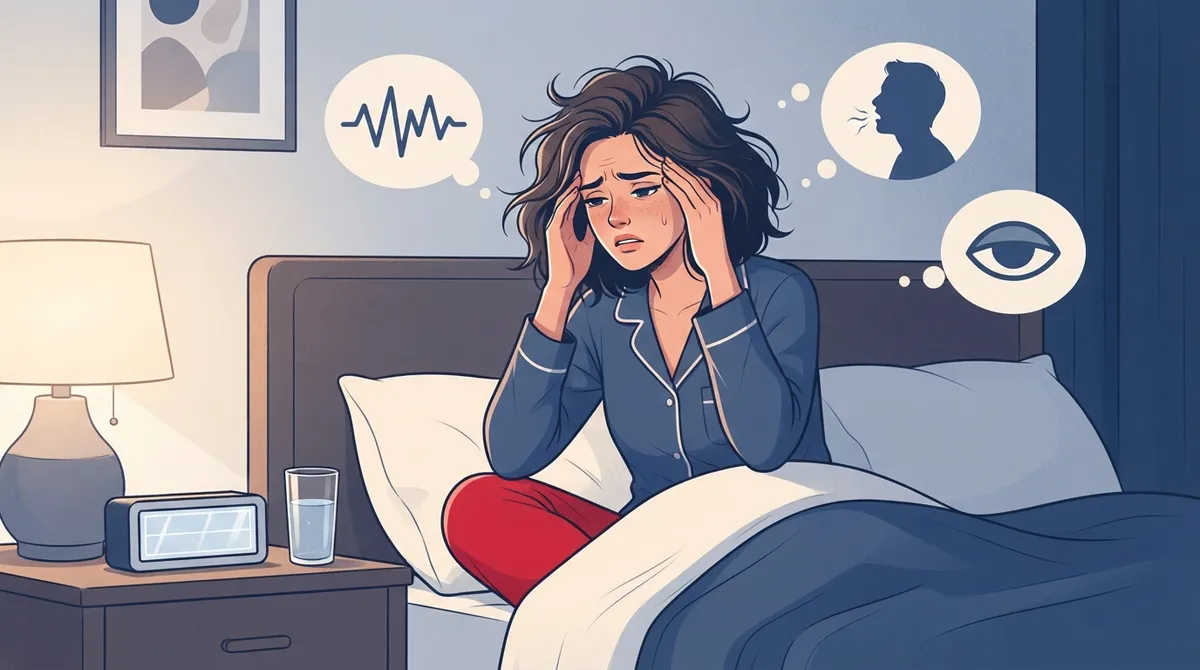
The first step toward sleep apnea treatment in Tampa is knowing what to look for. Obstructive sleep apnea means the airway is partly or fully blocked again and again during sleep. Each event can disrupt rest, even if you do not fully wake up.
Common clues include:
- Loud, frequent snoring
- Pauses in breathing or gasping noticed by a partner
- Unrefreshing sleep, even after a full night in bed
- Daytime sleepiness or trouble focusing
- Morning headaches or a dry mouth
- Frequent bathroom trips at night
These signs alone do not confirm a diagnosis. Many other conditions can cause tiredness. That is why a clinical evaluation and objective testing matter. A symptom checklist or a consumer sleep gadget should never replace a medical workup.
Who Is at Higher Risk?
Certain factors raise the chance of OSA. These include excess weight, a larger neck size, older age, nasal congestion, and a family history of the condition. Some medications and medical problems, such as high blood pressure, can also play a role. Your clinician will review your history and medications to see which factors apply to you.

Step 2: Start With a Primary Care Visit
You do not need to guess where to begin. A primary care clinician can assess your symptoms, medical history, medications, and risk factors. They can also arrange testing or a referral to a sleep specialist when appropriate.
This approach saves time. Instead of bouncing between offices, you get one team that sees the full picture. Sleep problems often connect with weight, blood pressure, blood sugar, mood, and energy. When one clinic looks at all of these together, the plan tends to work better.
To get the most from your visit, prepare ahead:
- Write down your symptoms and when they began.
- Ask a partner or family member what they notice at night.
- List all medications and supplements you take.
- Note your caffeine, alcohol, and screen habits before bed.
- Bring questions about testing, cost, and next steps.
Our primary care team at InCare takes the time to listen. Learn more about what a primary care doctor does and how that care can support your sleep health. If you also want a quick overview of our approach, see our About Us page.
Step 3: Get Objective Sleep Testing
A diagnosis of sleep apnea requires objective testing after a clinical evaluation. A doctor cannot diagnose it from symptoms alone. There are two main types of sleep tests.
Home Sleep Apnea Test vs. In-Lab Sleep Study
A home sleep apnea test (HSAT) is a simple device you use in your own bed. For appropriate, otherwise healthy adults with symptoms that suggest moderate-to-severe OSA, a clinician may use a technically adequate home test. An in-lab study, called polysomnography, takes place at a sleep center. It records more data, such as brain waves, heart rhythm, and oxygen levels.
|
Feature |
Home Sleep Test |
In-Lab Sleep Study |
|---|---|---|
|
Location |
Your own bed |
Sleep center |
|
Data collected |
Breathing, oxygen, heart rate |
Breathing, brain waves, muscle activity, oxygen, heart rhythm |
|
Best for |
Adults with a high chance of moderate-to-severe OSA and no major complicating conditions |
Complex cases, other sleep disorders, or unclear home results |
|
Comfort |
Familiar setting |
Monitored overnight stay |
|
Follow-up |
May need an in-lab study if results are negative, inconclusive, or inadequate |
Often used to confirm or clarify findings |
If a home test is negative, inconclusive, or technically poor, your clinician may recommend a follow-up in-lab study. This is normal and helps ensure nothing is missed.
What the Results Mean
Sleep tests report an apnea-hypopnea index (AHI), which counts breathing events per hour. A commonly used clinical threshold is an AHI of at least 15 events per hour, or at least 5 events per hour with symptoms or related health conditions. A qualified clinician should interpret your numbers, since thresholds and context vary.
Step 4: Know Where to Go for Testing in Tampa
Tampa has several established options for sleep care. Services and referral rules differ, so always confirm current details before you book. Local examples include the Sleep Disorders Center at Tampa General Hospital, AdventHealth Tampa Sleep Care, USF Health sleep services, and independent sleep-medicine practices.
Based on what each organization reports, Tampa General Hospital offers in-lab and home sleep studies. AdventHealth Tampa describes sleep-specialist care, home testing, CPAP support, and oral-appliance options. USF Health lists sleep-disorder services at Tampa locations. These are examples, not a complete directory or an endorsement.
Before you schedule, ask each provider:
- Do I need a referral from my primary care doctor?
- Which types of sleep tests do you offer?
- Does my insurance cover testing and equipment?
- How soon can I be seen?
- What follow-up care do you provide after diagnosis?
Your primary care clinic can help you answer these questions and make the referral smooth. That coordination is one reason many patients choose to start with a trusted local clinic. If you are still looking for a doctor, our guide on choosing the best primary care doctor in Tampa can help.
Step 5: Understand Your Treatment Options
Sleep apnea treatment in Tampa is not one-size-fits-all. Your plan depends on your diagnosis, how severe it is, your symptoms, and your personal preferences. Here are the main options.
Positive Airway Pressure (CPAP)
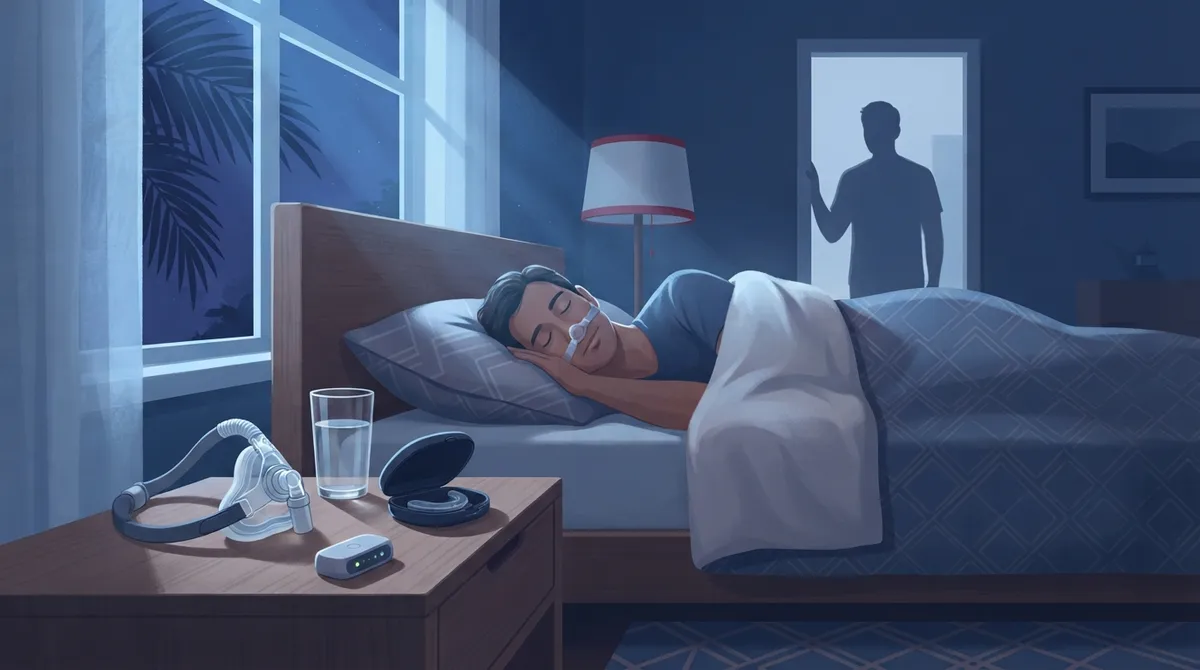
Positive airway pressure, including CPAP, is a common and effective treatment. It uses a gentle flow of air through a mask to keep the airway open during sleep. It works especially well for symptomatic or moderate-to-severe OSA.
Many people struggle at first with mask fit, dry mouth, or noise. These problems are fixable. Better mask sizing, patient education, humidifier settings, and regular follow-up can improve comfort and help you stick with treatment.
Oral Appliances
A custom, titratable oral appliance is fitted by a qualified dentist. It gently moves the lower jaw forward to open the airway. Clinicians often consider this option when a patient prefers it or cannot tolerate PAP. Follow-up testing may be needed to confirm it works well.
Lifestyle and Positional Strategies
Some people have OSA mostly when they sleep on their back. Positional strategies can help in selected cases. Weight management, when appropriate, may also reduce airway collapse. Limiting alcohol near bedtime and treating nasal congestion can support better breathing too.
This is where whole-body care matters. InCare offers weight loss programs and tools like body composition analysis to help patients understand their starting point and track real progress. You can also explore metabolic breath analysis to learn how your body uses energy.
Surgical and Device-Based Options
For selected patients, surgery or an implanted device may be an option. A sleep specialist or surgeon will decide if you are a good candidate. These choices are usually considered after other treatments have been tried or when anatomy points to a specific fix.
|
Treatment |
How It Works |
Often Considered For |
|---|---|---|
|
CPAP / PAP |
Air pressure keeps the airway open |
Symptomatic or moderate-to-severe OSA |
|
Oral appliance |
Moves the jaw forward |
Patients who prefer it or cannot tolerate PAP |
|
Positional strategies |
Avoids sleeping on the back |
Position-dependent OSA |
|
Weight management |
Reduces airway pressure and collapse |
Patients with excess weight |
|
Surgery or device |
Changes anatomy or stimulates airway muscles |
Selected patients after specialist review |
Step 6: Build Habits That Support Better Sleep
Treatment works best when daily habits support it. Small changes can add up over weeks.
- Keep a steady sleep and wake schedule, even on weekends.
- Avoid alcohol and heavy meals close to bedtime.
- Use your CPAP or oral appliance every night, not just some nights.
- Clean your equipment on the schedule your provider recommends.
- Stay active, since regular movement supports weight and heart health.
- Track how you feel, including energy, mood, and focus.
Hydration and nutrition also play a part in how you feel day to day. Some patients explore supportive wellness services such as IV hydration and vitamin drips as part of an overall energy plan. These services do not treat sleep apnea itself, so they should never replace proper testing and treatment.
Step 7: Plan for Follow-Up and Insurance
Sleep apnea care is ongoing. Plan to check in with your clinician after you start treatment. Ask whether your sleep symptoms have improved, whether your equipment fits well, and whether any data from your device shows the treatment is working.
Insurance rules vary. Coverage for testing, CPAP supplies, and oral appliances depends on your plan. Confirm details with your insurer and your provider before you begin. Ask about copays, deductibles, and any requirements for proof of use. Our guide to finding doctors accepting new patients can help you get started if you are looking for a new care home.
Why Primary Care Plays a Key Role
Sleep apnea rarely travels alone. It can overlap with high blood pressure, weight gain, mood changes, and low energy. A primary care team can look at all of these at once and keep your plan connected. They can recognize possible OSA, coordinate testing and specialist care, and address lifestyle factors that affect your sleep. See how primary doctors help manage chronic illnesses for more on this whole-person approach.
InCare serves patients in Tampa and Riverview, with virtual visits available for added convenience. Our team combines modern technology with personal attention. You can meet our providers and see why patients rate their experience so highly. You can also read InCare reviews on Google to hear from real patients. For ongoing tips, follow us on Instagram, Facebook, and TikTok.
Take the Next Step Toward Better Sleep
Untreated sleep apnea can wear down your energy, focus, and long-term health. The path to relief is clear: recognize the signs, see a clinician, complete objective testing, and choose a treatment that fits your life. You do not have to figure it out alone.
If you live in Tampa or Riverview and suspect sleep apnea, start with a primary care visit. Book your appointment with InCare today, or contact our team with any questions. We will help you take the first step toward deeper, more restful sleep.
FAQs
Q: What are the signs and symptoms of sleep apnea?
A: Common signs include loud snoring, witnessed pauses in breathing or gasping, unrefreshing sleep, and daytime sleepiness. Morning headaches and trouble focusing can also occur. These signs suggest the need for an evaluation, but only objective sleep testing can confirm a diagnosis.
Q: How do I get tested for sleep apnea in Tampa?
A: Start with a primary care visit so a clinician can review your symptoms, history, and risk factors. Your clinician may order a home sleep apnea test or refer you for an in-lab sleep study. Confirm referral rules and insurance coverage with the testing provider before you book.
Q: Can a primary care doctor order a home sleep apnea test?
A: A primary care clinician can assess your symptoms and arrange testing or a referral when appropriate. A home test is generally suited to otherwise healthy adults with symptoms that suggest moderate-to-severe obstructive sleep apnea. If results are negative, inconclusive, or inadequate, an in-lab study may be needed.
Q: What treatments are available for sleep apnea besides CPAP?
A: Options may include a custom oral appliance fitted by a qualified dentist, positional strategies, and weight management when appropriate. Selected patients may also be candidates for surgical or device-based treatments. Follow-up testing may be needed to confirm that an alternative treatment is working.
Q: What should I do if I cannot tolerate my CPAP mask?
A: Do not simply stop using it. Talk with your clinician about mask fit, comfort adjustments, education, and closer follow-up, since these steps often solve adherence problems. If PAP still does not work for you, ask whether an oral appliance or another option is appropriate.


