
Key Takeaways
- Some urgent care clinics offer annual physicals, but it is not standard everywhere, so call ahead and ask whether they perform a full adult physical rather than only sports, school, or work exams.
- Ask whether an appointment is required, whether fasting is needed, whether lab work is done on site, and whether results can be sent to your primary care provider.
- Medicare generally does not cover routine physicals; its Part B Annual Wellness Visit is a prevention-planning appointment, which costs nothing when the provider accepts assignment.
- Primary care is usually better for ongoing prevention because the same team tracks your health over time, while urgent care offers a convenient one-time exam with limited continuity.
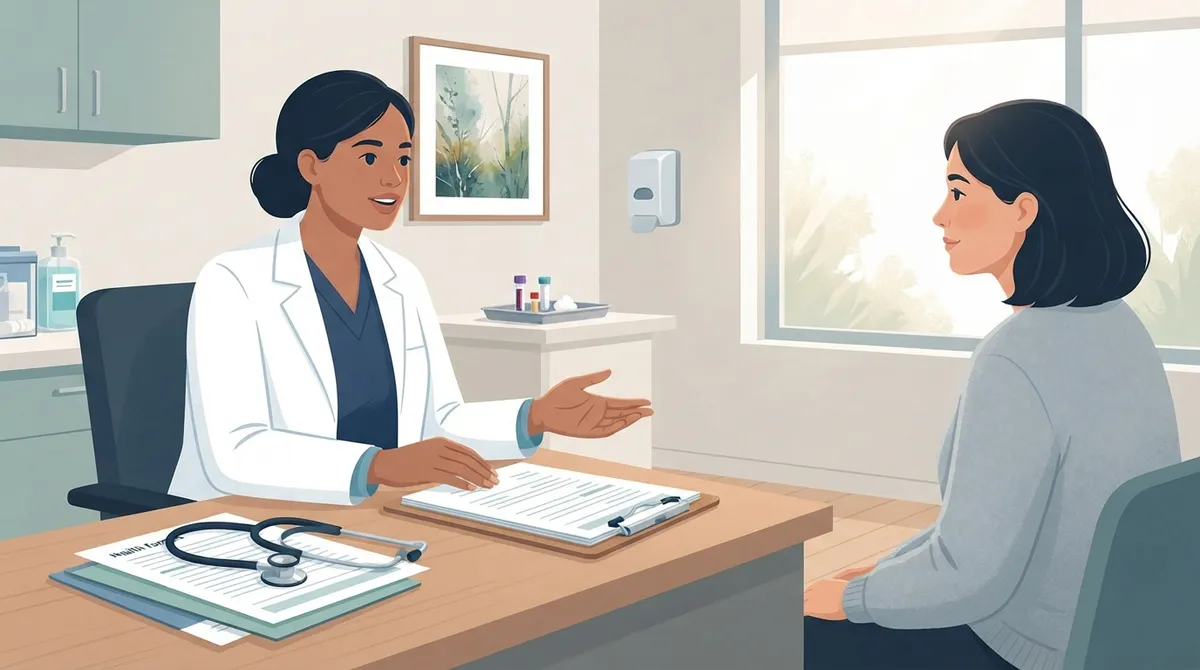
You are due for a checkup, but your schedule is packed. A nearby urgent care center seems like the fastest fix. So can urgent care do annual physicals? In many cases, yes. Some urgent care clinics offer routine physical exams, but it is not a standard service at every location. Availability depends on the clinic, its staffing, and its policies.
This guide shows you how to confirm whether a clinic offers annual physicals, what to ask before you book, and how to decide between urgent care and primary care. It also explains how insurance and Medicare treat these visits, so you avoid surprise bills in 2026. Whether you are a busy parent, a young professional, or someone who has never had a regular doctor, you will find clear steps to follow.

Can Urgent Care Do Annual Physicals?
The short answer is that some can. Urgent care clinics are built for quick, non-emergency care, such as colds, sprains, and minor infections. Many also provide school, sports, and work exams. Routine annual physicals are less consistent across clinics.
Because policies differ, you should call ahead. Ask directly whether the clinic performs a full annual physical for adults, not only a sports or employment exam. Also ask whether you need an appointment or can walk in.
Why availability varies
- Some clinics focus only on acute illness and injury.
- Staffing and exam room schedules may limit longer visits.
- Billing rules for preventive visits differ from rules for sick visits.
- Not every clinic keeps your records for ongoing follow-up.
At InCare, urgent care and primary care sit under one roof. Our urgent care services handle sudden needs, while our primary care team handles long-term prevention.
What an Annual Physical Usually Includes
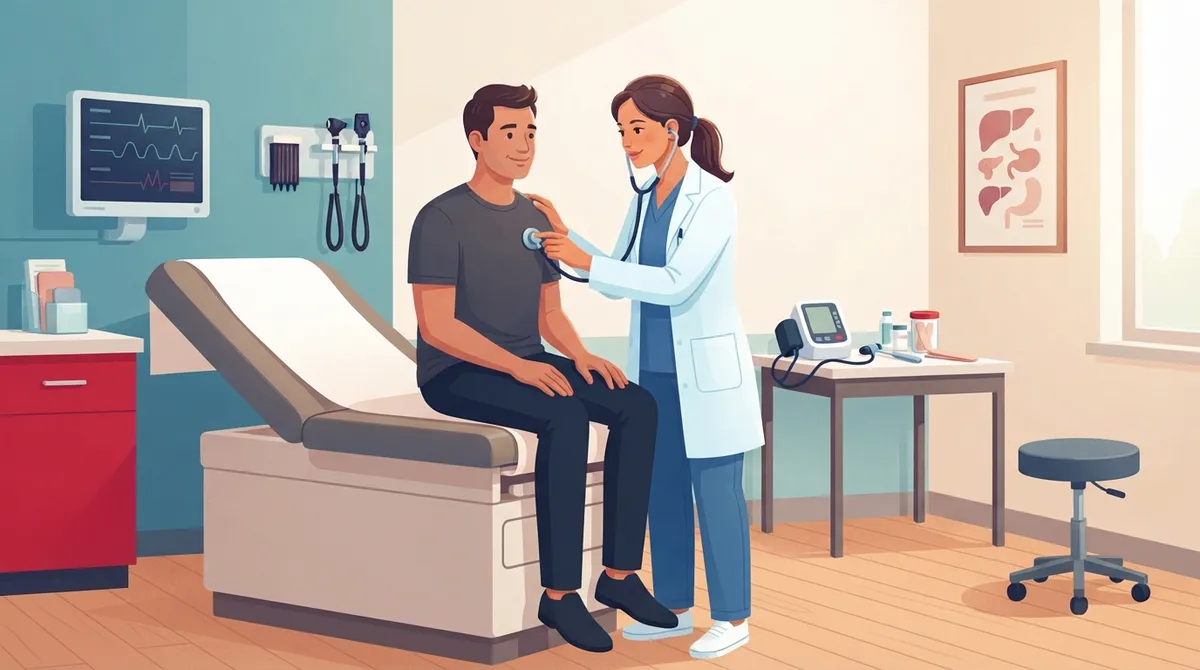
An annual physical reviews your overall health. The exact services depend on your age, risk factors, and the clinic. Most visits include a few core parts.
- A review of your medical and family history
- Vital signs, such as blood pressure, heart rate, and weight
- A hands-on physical exam
- Age- and risk-based preventive recommendations
- Lab work, when your clinician orders it
To see how a full visit unfolds, read what happens during an annual physical exam. Knowing the flow helps you judge whether a quick urgent care visit will cover what you need.
How to Get an Annual Physical: Step-by-Step
Follow these steps to book the right visit without wasted time or money.
- Decide what you need. A one-time exam for a form is different from a yearly health review with a long-term plan.
- Call the clinic. Ask if they offer routine annual physicals for adults. Confirm the exam is not limited to sports, school, or job requirements.
- Ask about appointments. Some clinics take walk-ins. Others require a booked time for a physical.
- Confirm fasting and lab rules. Ask whether you need to fast and whether blood work happens at the same visit.
- Check your coverage. Call your insurer and the clinic to confirm network status, copays, and lab charges.
- Gather your records. Bring a medication list, past test results, immunization records, and any forms you need signed.
- Plan the follow-up. Ask how results will reach you and whether they can be shared with your primary care provider.
Urgent Care vs. Primary Care for Annual Physicals
Both can serve you, but they are built for different goals. Urgent care is designed for prompt evaluation of non-emergency problems. Primary care is designed for ongoing health management and prevention.
|
Factor |
Urgent Care |
Primary Care |
|---|---|---|
|
Annual physical offered |
Varies by location |
Standard service |
|
Best for |
One-time exam or quick need |
Ongoing prevention and follow-up |
|
Continuity of care |
Limited |
Strong, with one care team |
|
Records review |
May be brief |
Detailed and ongoing |
|
Chronic condition support |
Limited |
Core focus |
|
Wait time |
Often shorter |
May need an appointment |
If you want a relationship with a clinician who knows your history, primary care is usually the stronger fit. Our guide on what a primary care physician does for your health explains the difference in more detail. Not sure whether you need one? See whether you need a PCP.
How Insurance Treats an Annual Physical
Cost is a common worry, so check it before you go. Coverage depends on your plan, the clinic's network status, and how the visit is billed.
Private insurance
Many non-grandfathered private plans cover recommended preventive services without cost-sharing when delivered under plan rules. However, a service outside those rules may be billed differently, even if it happens during a physical. For example, if you bring up a new symptom, part of the visit may be billed as a diagnostic visit. Confirm copays, deductibles, and lab charges with both your insurer and the clinic.
Medicare
Medicare treats these visits differently from what many people expect. The Annual Wellness Visit is not the same as a routine physical. According to Medicare.gov, Part B covers a yearly wellness visit for eligible beneficiaries once every 12 months. You pay nothing when the provider accepts assignment, though extra services may cost more. Medicare generally does not cover routine physical exams, and patients are responsible for that cost.
The Wellness Visit is a prevention-planning appointment. It creates or updates a personal prevention plan. Learn more about what happens during an annual wellness visit before you schedule one.
Questions to Ask Before You Book
A short phone call can save you a wasted trip. Use this checklist when you call any clinic.
- Do you perform routine annual physicals for adults?
- Is an appointment required, or can I walk in?
- Do I need to fast, and is lab work done on site?
- What records or forms should I bring?
- Are you in network with my insurance plan?
- Can results be sent to my primary care provider?
Can Urgent Care Do Sports, School, or Work Physicals?
Often, yes. Many urgent care centers complete sports, school, and employment exams quickly. Some also handle specialized exams. For example, commercial drivers may need a federal exam, which you can read about in our guide to DOT physicals. Still, a form-only exam is narrower than a full annual physical. It checks specific requirements and may skip broader prevention planning.
Who Benefits Most From Each Option
Your lifestyle and goals should guide the choice. Here is how it plays out for different people.
- Tech-savvy millennials: You may like the speed of walk-in care. If you want digital tools and virtual follow-ups, pick a clinic that offers telemedicine alongside in-person visits.
- Busy young families: A single clinic for sick visits and yearly checkups saves time. Check out family primary care to see how one care team can cover everyone.
- Women without a regular doctor: A full wellness visit can cover screenings and whole-body health beyond reproductive care. Our guide to well woman exam mistakes helps you prepare.
- Gen Z health explorers: If you are building habits early, a prevention-focused visit with a clinician you can return to builds a strong baseline.
- High-income wellness seekers: You likely want more than a basic exam. Advanced options, such as DNA gene testing and cancer screening, extend prevention well beyond a standard physical.
Why Primary Care Often Wins for Prevention
An annual physical is most useful when it connects to a bigger plan. A single visit can find a problem. A care team that follows you over time can track trends and act early.
Primary care also coordinates your care. If your blood pressure creeps up or your labs shift, the same team can monitor it. That continuity is hard to match in a walk-in setting. For more on this, read how preventive care works for your health.
What InCare adds to a physical
InCare combines primary care, urgent care, and advanced wellness under one practice. Our clinicians pair medical expertise with modern technology, such as body composition analysis, to give a fuller picture of your health. Patients in Tampa and Riverview trust us for personalized, prevention-first care. Our providers are listed on our providers page, and you can find the nearest clinic on our locations page.
If you live near Riverview, see what neighbors say and read InCare reviews on Google. You can also follow our updates on Instagram.
Tips to Get the Most From Your Physical
A little preparation makes any physical more useful.
- Write down your questions. List symptoms, concerns, and goals before you arrive.
- Bring your medication list. Include supplements and over-the-counter products.
- Know your family history. Note conditions that run in your family.
- Be honest. Share habits around sleep, diet, exercise, and stress.
- Ask about screenings. Find out which tests fit your age and risk level.
- Schedule your next step. Book any follow-up before you leave.
Your Next Step Toward a Complete Checkup
Urgent care can be a convenient option for a one-time exam, but it may not give you the continuity, records review, and long-term planning that primary care offers. If you want a yearly checkup that ties into a real prevention plan, choose a clinic that can follow your health over time.
Ready to schedule? Book your appointment with InCare today, or contact our team with questions about your annual physical and coverage.
FAQs
Q: Can I get a routine annual physical at urgent care?
A: Some urgent care clinics offer routine annual physicals, but it is not a standard service everywhere. Availability depends on the location, staffing, and clinic policy, so call ahead to confirm the exam you need and whether an appointment is required.
Q: Does Medicare cover an annual physical at urgent care?
A: Medicare generally does not cover routine physical exams. Part B does cover a yearly Annual Wellness Visit for eligible beneficiaries, which is a prevention-planning appointment rather than a physical, and it costs nothing when the provider accepts assignment.
Q: What is the difference between a Medicare Annual Wellness Visit and a physical exam?
A: A Wellness Visit creates or updates a personal prevention plan and reviews your health risks. A routine physical exam is a hands-on examination, and Medicare generally does not cover it. Extra services added to a wellness visit may carry charges.
Q: Does urgent care accept insurance for an annual physical?
A: Many urgent care clinics accept insurance, but coverage depends on your plan, the clinic's network status, and how the visit is billed. Confirm your copay, deductible, and any lab charges with both your insurer and the clinic before you go.
Q: Should I use urgent care or a primary care provider for preventive care?
A: Urgent care works well for a convenient one-time exam. A primary care provider is better suited to ongoing preventive care, records review, and follow-up because the same team tracks your health over time.


