

Key Takeaways
- Look for a licensed physician or clinician with preventive, sports medicine, or exercise testing training who supervises the test and interprets your results, not just a technician.
- A direct lab cardiopulmonary exercise test (CPET) measures oxygen and carbon dioxide gas exchange, while wearables only estimate VO2 max from heart rate and formulas.
- A good provider reviews your history, medications, and symptoms before any maximal effort, and may require medical evaluation first if you have chest pain or known heart or lung disease.
- VO2 max is one strong risk marker, not a lifespan prediction; research findings describe group risk, so results should be read alongside blood pressure, lipids, glucose, and family history.
- Ask who will interpret your results, how often equipment is calibrated, what happens if something unusual appears, and what follow-up plan exists before you book.
- Retest every six to twelve months or after major changes in training, weight, or health, and watch for trends rather than a single number.
Searching for someone who is experienced with VO2 max and longevity testing can feel confusing. Gyms, apps, wearables, and clinics all claim to measure your fitness. Yet they do not all offer the same level of accuracy or medical insight. A reliable test needs trained staff, calibrated equipment, and a clinician who can explain what the numbers mean for your health.
This guide shows you how to find the right professional in 2026. You will learn what qualifications to look for, how a lab test works, and which questions to ask before you book. You will also see why VO2 max is helpful but never a standalone prediction of how long you will live. If you live in the Tampa Bay area, you will also learn what to expect from a primary care clinic that offers this testing.
What VO2 Max Testing Actually Measures
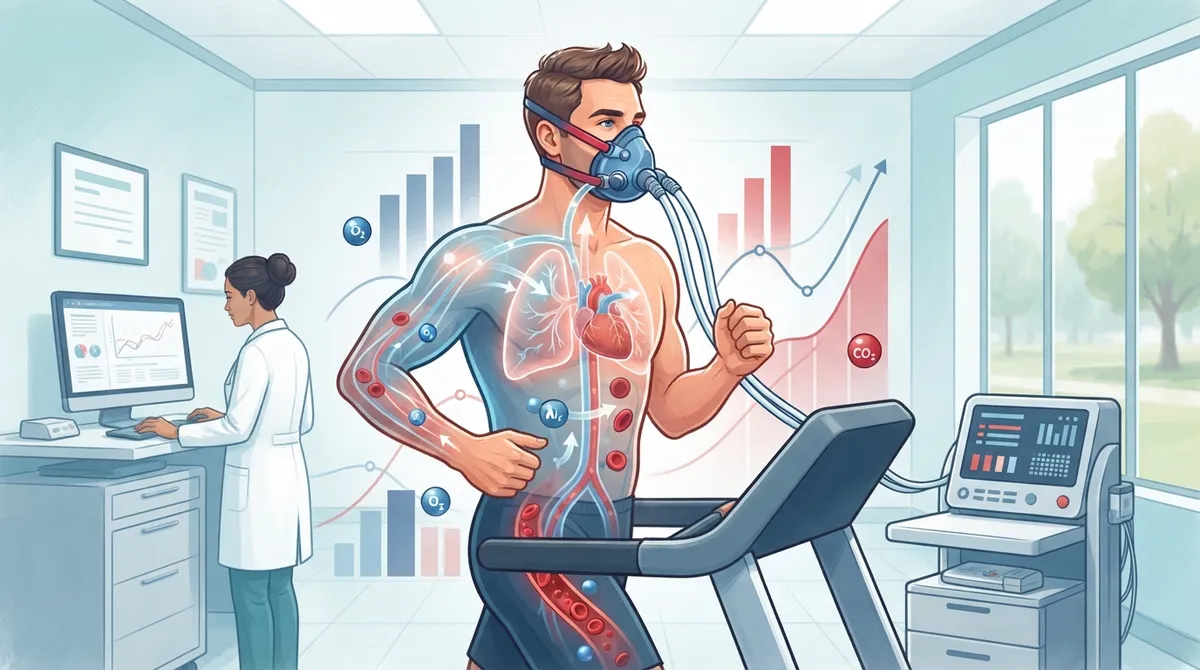
VO2 max is the highest amount of oxygen your body can use during hard exercise. It is a strong marker of cardiorespiratory fitness. Results are usually shown in mL/kg/min. When a clear plateau does not appear during the test, reports often use peak VO2 as the practical measure.
The gold standard is a cardiopulmonary exercise test, often called a CPET. During a CPET, you exercise on a treadmill or cycle while a mask measures the oxygen you take in and the carbon dioxide you breathe out. This is a direct measurement. Many smartwatches and basic fitness tests only estimate your VO2 max.
A good CPET also shows more than one number. It tracks how your lungs, heart, and muscles respond to effort. That helps a clinician see where your limits may come from. Doctors also use CPET to look into unexplained shortness of breath or poor exercise tolerance.
Why the Number Matters for Long-Term Health
Research links higher fitness with better long-term outcomes. A 2001 study in JAMA Internal Medicine followed middle-aged men. Those with low measured VO2 max (below 27.6 mL/kg/min) had about 2.76 times the adjusted risk of death compared with fit men (above 37.1 mL/kg/min). That is a group finding, not a personal forecast.
A 2023 study in the Journal of the American College of Cardiology looked at 93,060 adults with an average age of 61.3. A drop in fitness of more than 2 METs was linked to a 69% higher mortality risk in people without heart disease. It was linked to a 74% higher risk in people with heart disease. One MET equals about 3.5 mL/kg/min of oxygen use.
These findings show why tracking fitness over time is useful. They do not mean one test can tell you how long you will live.

Who Is Qualified to Perform and Interpret These Tests?
The best person is not simply a trainer with a mask and a treadmill. In a primary care and wellness setting, you want a licensed clinician with training in preventive medicine, sports medicine, or exercise testing. That person should be able to review your history, medicines, and symptoms before any hard effort.
A strong testing team usually includes:
- A physician or licensed clinician who supervises testing and interprets the results
- Trained exercise physiology or respiratory staff who run the test and watch your safety
- Properly calibrated equipment that is checked on a regular schedule
- A clear plan for what happens if something unusual appears during the test
The level of medical oversight depends on your health. Someone with chest pain, known heart disease, or lung disease may need evaluation in a medically supervised setting first. A general wellness test may not be the right starting point for that person.
Why a Physician Matters More Than a Machine
A machine produces data. A clinician turns that data into advice. Your doctor can place your VO2 max next to your blood pressure, cholesterol, blood sugar, family history, and symptoms. Without that context, a single number can mislead you or cause needless worry.
This is why primary care is such a good home for longevity testing. A doctor who knows your full record can spot patterns and plan next steps. If you are not sure where to begin, you can read about longevity in primary care and how everyday medicine supports a longer, healthier life.
Lab CPET vs. Wearables and Gym Estimates
Many people first meet VO2 max through a smartwatch. Those numbers can be handy for spotting trends. Still, they are estimates based on heart rate, pace, and formulas. They do not measure gas exchange directly.
|
Feature |
Lab CPET |
Wearable or Gym Estimate |
|---|---|---|
|
How it measures |
Direct oxygen and carbon dioxide analysis |
Heart rate and formula-based estimate |
|
Accuracy |
Reference method for fitness testing |
Varies; often less precise |
|
Medical oversight |
Clinician review and trained staff |
Usually none |
|
Extra insight |
Shows heart, lung, and muscle response |
Single estimated score |
|
Best use |
Baseline, diagnosis, and tracking |
Casual trend watching |
If you want a firm starting point, a direct test is the better choice. You can then use a wearable between tests to watch for broad trends.
How to Find the Right Provider: A Step-by-Step Plan
Use this checklist to find someone truly experienced with VO2 max and longevity testing.
- Confirm the test type. Ask whether the clinic performs a direct CPET or an estimate. Direct gas analysis is the standard for accuracy.
- Ask who supervises and interprets. You want a licensed clinician, not only a technician. Ask about their training in preventive or sports medicine.
- Check the equipment. Ask how often the analyzer is calibrated and what protocol the clinic uses.
- Request a health review first. A good provider checks your history, medicines, and symptoms before maximal effort.
- Look for a whole-health approach. The best longevity programs combine fitness data with labs, screenings, and lifestyle planning.
- Ask about follow-up. You need a plan to retest and track change over time, not a one-time number.
Questions Worth Asking Before You Book
- Who will interpret my results, and what is their medical background?
- What conditions or symptoms would make me a poor fit for maximal testing?
- How will my result be compared to others of my age and sex?
- What will we do with the results after the test?
Clear, direct answers to these questions are a good sign. Vague answers are a warning.
Why VO2 Max Is Not a Standalone Longevity Test
It is tempting to treat VO2 max as a lifespan score. That is not accurate. A useful longevity review looks at many things together. These include blood pressure, lipids, glucose, smoking history, family history, body composition, and functional ability.
VO2 max is one strong risk marker among many. Think of it as one chapter in a larger health story. Your clinician should explain how age, sex, body size, test protocol, and effort affect the result. They should also tell you whether the number was measured or estimated.
A CPET review notes that a peak VO2 below 85% of the predicted value is often seen as abnormal in clinical settings. Still, the cutoff depends on the reference values used and your personal situation. This is another reason to work with a trained physician.
Adding Other Tools to the Picture
Fitness testing pairs well with other wellness measures. Many patients combine it with metabolic breath analysis to understand how the body burns fuel at rest and during activity. Others add body composition analysis to track muscle and fat over time. Some also explore DNA gene testing for added insight into long-term health risks.
Together, these tools give you a fuller view than any single test. They also give your doctor more to work with when building a prevention plan.
Safety: Who Should Be Careful With Maximal Testing
Maximal exercise testing is safe for many people when done correctly. Even so, it is not right for everyone without a medical check first. A clinician should review your readiness before you start.
Speak with a doctor first if you have any of these:
- Chest pain, pressure, or tightness with effort
- Unexplained shortness of breath or dizziness
- Known heart or lung disease
- Uncontrolled high blood pressure
- A recent serious illness or injury
In these cases, you may need a medical evaluation or a supervised clinical setting before any maximal test. This step protects you and makes sure the results are meaningful.
How to Prepare for Your Test
Good preparation helps you give a true effort and get cleaner data. Your provider will give exact directions, but these general steps help most people:
- Wear comfortable workout clothes and supportive shoes.
- Avoid a heavy meal in the hours before the test.
- Skip caffeine and hard workouts beforehand if your provider advises it.
- Bring a list of your medicines and supplements.
- Sleep well and stay hydrated the day before.
Tell the team about any symptoms right away. Honest feedback during the test keeps you safe.
How Often Should You Retest?
Many people retest every six to twelve months, or after a major change in training, weight, or health. Your doctor can suggest the right timing. The goal is to see a trend. Steady or rising fitness is a good sign. A decline is a prompt to look closer at sleep, stress, activity, and medical causes.
Over time, these repeat tests make your prevention plan more personal and more useful. Pairing results with routine care, such as an annual physical exam, keeps everything in one place.
What to Expect From a Primary Care Clinic in Tampa Bay
If you live near Tampa or Riverview, you do not need to piece this together alone. InCare is a personalized primary care and wellness clinic that combines advanced technology with medical expertise. The team focuses on prevention and whole-body optimization, which is the right mindset for longevity work.
At InCare, testing is tied to real medical care. You can learn more about how VO2 max testing at InCare supports lifelong health gains, or read about how PNOE testing enhances VO2 max performance. You can also review local details on VO2 max testing in Tampa and Riverview.
InCare has locations in Tampa and Riverview, plus virtual visits for follow-up care. That makes it easier to fit testing and check-ins into a busy schedule. You can meet the care team on the providers page and see the clinic locations to plan your visit.
Patient feedback also matters when you choose a clinic. You can see what InCare patients say by using this link to visit us on Google — InCare. You can also follow clinic updates and wellness tips on Instagram, Facebook, and TikTok.
Key Takeaways
- Choose a licensed clinician with preventive, sports, or exercise testing experience.
- Ask for a direct CPET, not just a wearable estimate.
- Expect a health review before any maximal effort.
- Treat VO2 max as one marker, not a lifespan prediction.
- Retest on a schedule so you can track real change.
Take the Next Step Toward Smarter Prevention
The right provider makes VO2 max testing safe, accurate, and useful. When your results sit beside your labs, history, and goals, they become a roadmap instead of a random number. That is the heart of good longevity care.
Ready to see where you stand? Book your appointment with InCare today, or contact our team with any questions. Your future health starts with one informed step.
FAQs
Q: Who should I see for a VO2 max test in a primary care or wellness clinic?
A: Look for a physician or licensed clinician with training in preventive medicine, sports medicine, or exercise testing. They should be supported by trained staff who run calibrated equipment. This team can review your health history and explain what your results mean.
Q: Is a lab CPET more accurate than a smartwatch VO2 max estimate?
A: Yes. A lab cardiopulmonary exercise test directly measures oxygen use and carbon dioxide output during exercise. Most wearables and submaximal tests estimate VO2 max from heart rate and formulas, so they are less precise.
Q: Can VO2 max testing predict how long I will live?
A: No. Studies link higher fitness with lower risk across large groups, but those findings do not predict one person's lifespan. VO2 max works best alongside blood pressure, lipids, glucose, family history, and symptoms.
Q: Who should avoid a maximal exercise test?
A: People with chest pain, unexplained shortness of breath, known heart or lung disease, or uncontrolled blood pressure should see a clinician first. They may need a medical evaluation or a supervised setting rather than a general wellness test.
Q: How often should I retest my VO2 max?
A: Many people retest every six to twelve months or after a major change in training, weight, or health. Your doctor can suggest timing based on your goals. The aim is to track a trend over time, not chase a single number.