
Key Takeaways
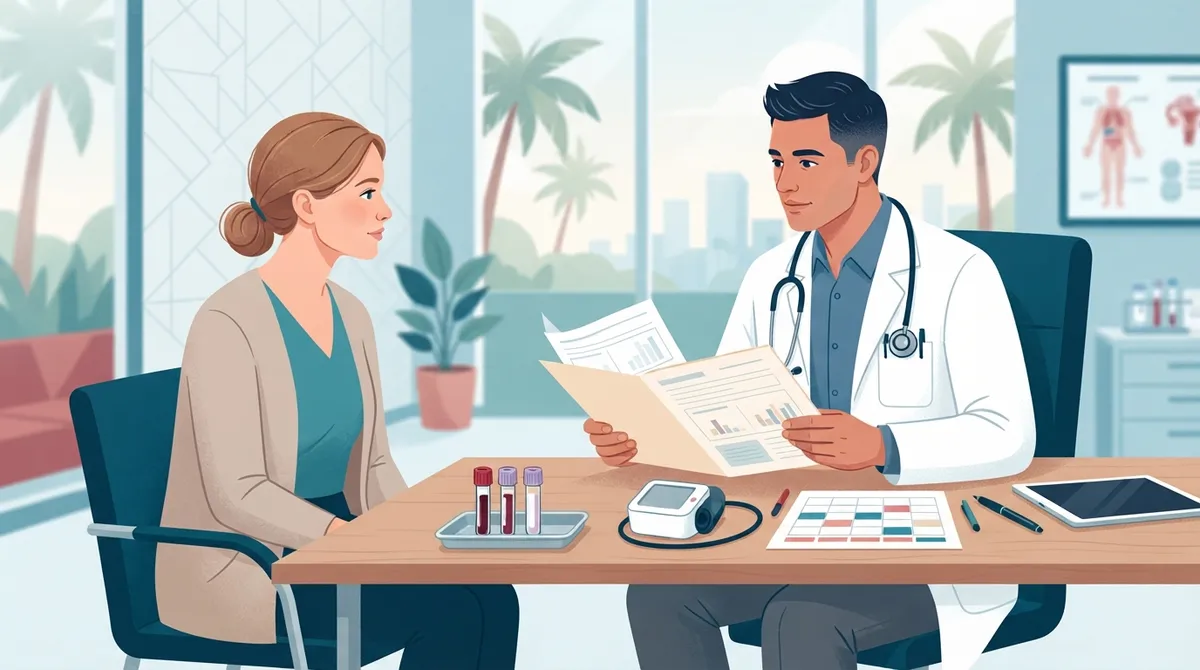
- Personalized TRT means more than choosing a product: a clinician should review your symptoms, health history, medicines, and goals before recommending treatment.
- Low testosterone should be confirmed with symptoms plus repeated morning fasting testosterone tests, since a single low lab result is not enough to diagnose it.
- Ask about fertility goals before starting therapy, because testosterone treatment can suppress sperm production and is generally unsuitable for men planning near-term pregnancy.
- A strong provider looks for the cause of low testosterone by checking LH and FSH, medicines, sleep, weight, and thyroid health, not just the testosterone number.
- Get a written monitoring plan covering testosterone and hematocrit checks, plus prostate-risk assessment, since follow-up schedules should be set by your clinician based on your risk.
- Red flags include treatment after one lab result, guaranteed results, one product for every patient, skipped fertility or prostate discussions, and pressure to pay for long packages up front.
Searching for who offers personalized TRT protocols in Tampa can feel confusing. Many clinics use the same words: "custom," "tailored," and "individualized." But a protocol is only personal if a clinician studies your symptoms, confirms your labs, and plans your follow-up.
In 2026, Tampa has many options. Primary care offices, men's health practices, and wellness clinics all advertise testosterone replacement therapy (TRT). Some are strong. Others lean on marketing more than medicine. This guide shows you how to tell the difference.
You will learn what a personalized protocol should include, what tests matter, and which questions to ask. You will also see how a primary care setting can support safe, long-term hormone care. Whether you are a busy professional, a health-focused millennial, or a family man who is tired all the time, these steps will help you choose with confidence.

What Makes a TRT Protocol Truly Personalized?
A personalized TRT protocol starts with you, not with a product. The clinician should ask about your symptoms, health history, medicines, sleep, weight, and goals. Then they should test your hormones more than once before they suggest treatment.
Many people think "personalized" means you get to pick injections, gels, or pellets. Choice is nice, but it is not the main point. A real protocol answers these questions first:
- Do you have symptoms that fit low testosterone?
- Are your lab results low on more than one morning test?
- What is causing the low level?
- Do you plan to have children soon?
- Which form of treatment fits your health and lifestyle?
- How will your safety be tracked over time?
If a clinic skips these steps, the plan is not truly personal. It is a package.
Step 1: Confirm Low Testosterone the Right Way
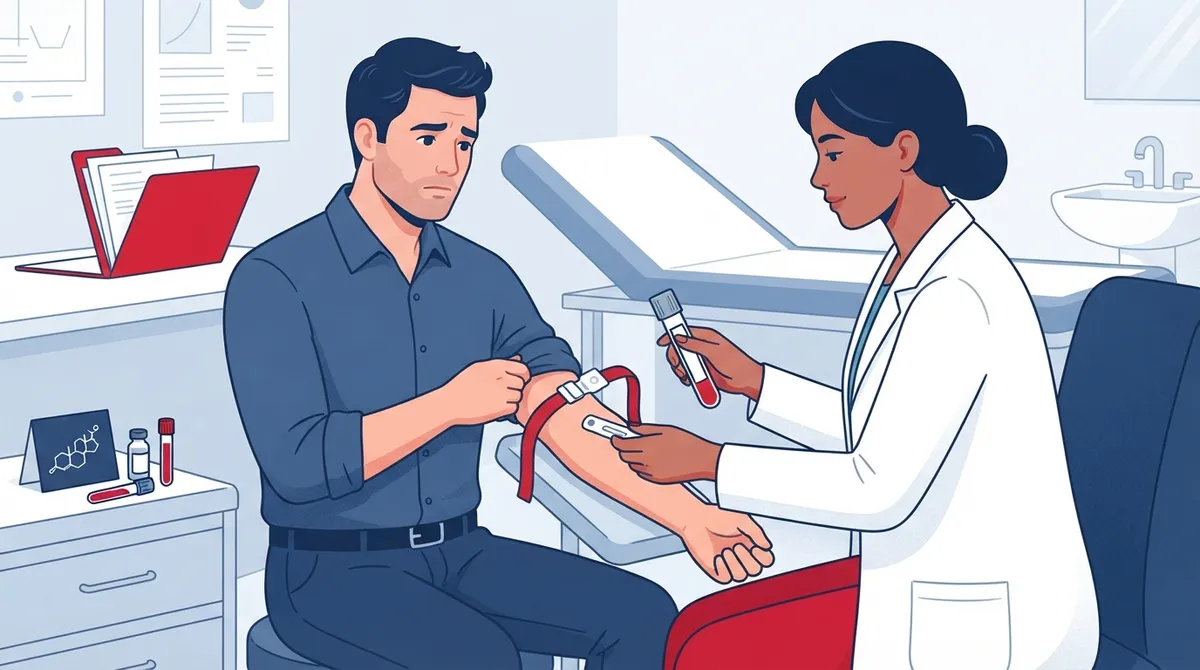
Low testosterone, also called hypogonadism, should be diagnosed with care. The Endocrine Society's 2018 guideline says the diagnosis requires two things together. First, you need symptoms or signs that fit low testosterone. Second, you need testosterone levels that are clearly and consistently low.
That second point matters. One lab result is not enough. Testosterone changes during the day and can drop with illness, poor sleep, or a recent meal. The guideline recommends repeating a morning fasting measurement to confirm a low result.
Common Symptoms to Discuss
- Low sex drive or fewer morning erections
- Ongoing fatigue and low energy
- Loss of muscle or strength
- Increased body fat
- Low mood or trouble focusing
- Poor sleep
These symptoms can have other causes. Thyroid problems, sleep apnea, depression, and metabolic disease can look similar. If you want to explore this topic first, read When Should I See a Doctor for Low Libido? Key Signs before you book a visit.
Step 2: Look for a Clinic That Finds the Cause
Good care does not stop at "your number is low." It asks why. The Endocrine Society recommends measuring LH and FSH in men with confirmed low testosterone. These hormones help show whether the problem starts in the testicles or in the brain's signaling system, such as the pituitary or hypothalamus.
A broader review may also include:
- Current medicines that can lower testosterone
- Sleep quality and possible sleep apnea
- Weight and metabolic health
- Thyroid function
- Alcohol use, stress, and recovery
- Fertility goals
This is where primary care has an edge. A primary care physician already looks at the whole picture. Your blood pressure, blood sugar, sleep, and medicines all connect to hormone health. For a closer look at this approach, see Testosterone Therapy vs. Root-Cause Care: Libido Help in Tampa.
Step 3: Ask About Fertility Before Anything Else
This is one of the most missed topics in men's hormone care. Testosterone therapy can lower sperm production. It is generally not a good fit for men who plan to have children in the near future.
If fertility matters to you, say so at your first visit. A qualified clinician can talk through other paths based on your diagnosis and goals. Some practices advertise options such as enclomiphene, but whether a given option fits you is a decision for your treating clinician.
Any provider who starts therapy without asking about fertility goals should raise a red flag.
Who Offers Personalized TRT Protocols in Tampa?
Several Tampa-area providers advertise individualized testosterone care. Examples include Ascend Mind and Body in Carrollwood, Gameday Men's Health in South Tampa and Westshore, TRT Tampa, and Forum Health Tampa. These are examples only, not endorsements. Services, staff, and treatment options can change, so confirm details directly with any provider.
Provider websites are promotional. Claims about results, safety, or patient numbers are not independent proof. Use the table below to compare what each type of practice may offer, and always verify current details.
|
Practice Type |
What It May Offer |
What to Verify |
|---|---|---|
|
Primary care clinic |
Whole-health review, labs, TRT discussion, ongoing monitoring |
Clinician credentials, lab process, follow-up schedule |
|
Men's health clinic |
Focus on hormones, multiple treatment forms |
Which options are offered at your location |
|
Wellness or functional clinic |
Broader testing, lifestyle plans, add-on services |
Whether claims are backed by evidence |
|
Telehealth provider |
Remote visits and mail-order labs |
Florida licensure, in-person options, monitoring plan |
One local example is worth noting. Ascend Mind and Body describes a primary-care-based evaluation led by a board-certified family physician. It publishes a process that includes two separate morning testosterone tests before treatment decisions. That kind of published, step-by-step approach is the standard to look for, no matter which clinic you choose.
InCare also takes a primary care approach to hormone health. At our Tampa and Riverview locations, your care team looks at your full health picture, not just one lab value. You can learn more in How to Start Medically Supervised TRT in Tampa Safely and Who Provides Medically Supervised TRT in Tampa Bay?
Step 4: Understand Your Treatment Options
Once low testosterone is confirmed, you and your clinician can talk about how to treat it. Each form has pros and cons. The right choice depends on your health, comfort, schedule, and risk profile.
|
Form |
How It Works |
Points to Discuss |
|---|---|---|
|
Injections |
Given on a set schedule, at home or in clinic |
Level swings between doses; comfort with needles |
|
Gels or creams |
Applied to skin daily |
Skin transfer risk to others; daily routine |
|
Pellets |
Placed under the skin in a minor procedure |
Less flexible dosing; procedure risks |
|
Oral options |
Taken by mouth, where available |
Product-specific safety and monitoring needs |
A strong clinician explains benefits and risks for each form in plain words. They should also explain how they will adjust your dose. If you want a closer look at what a plan includes, see What Does a Personalized TRT Protocol in Tampa Include?
Step 5: Insist on a Clear Monitoring Plan
Starting TRT is only the first step. Safe care depends on regular follow-up. Monitoring commonly includes testosterone levels and hematocrit, which is the share of red blood cells in your blood. Testosterone can raise red blood cell counts, so this is an important safety check.
Prostate health also matters. The Endocrine Society recommends assessing prostate-cancer risk before treatment. For men who choose prostate monitoring, it advises a repeat check 3 to 12 months after starting therapy. The guideline also suggests a urology referral during the first year in certain cases. Those include a confirmed PSA rise of more than 1.4 ng/mL above baseline, a confirmed PSA above 4.0 ng/mL, or an abnormal prostate exam.
Follow-up schedules vary. One Tampa-area practice publishes checks at three and six months, then every 6 to 12 months. That is one provider's approach, not a rule for everyone. Your treating clinician should set your schedule based on your risk. For common pitfalls, read 5 TRT Follow-Up Mistakes Riverview Patients Should Avoid.
A Simple Checklist for Choosing a TRT Provider
Use this numbered list when you compare clinics. A provider that checks every box is more likely to offer a truly personalized protocol.
- Ask how they diagnose. They should require symptoms plus repeated morning testosterone tests.
- Ask about the cause. Look for LH and FSH testing and a review of medicines, sleep, weight, and thyroid health.
- Ask about fertility. The clinician should raise this topic without being prompted.
- Ask about options. You should hear benefits and risks for each form of therapy.
- Ask about monitoring. Get the schedule for testosterone, hematocrit, and prostate review in writing.
- Ask about credentials. Confirm the clinician's license and training through the Florida Department of Health.
- Ask about costs. Get clear pricing for visits, labs, and medicine, and ask what insurance may cover.
If a provider cannot answer these questions clearly, keep looking. For more detail, see How to Choose a Reputable TRT Clinic in Tampa (2026) and 7 Traits of the Best TRT Doctor in Tampa (2026).
Red Flags to Watch For
Some warning signs show up again and again. Be careful if a clinic does any of the following:
- Offers treatment after a single lab result or symptoms alone
- Promises fast, guaranteed results
- Pushes one product for every patient
- Skips fertility talk or prostate risk talk
- Has no plan for follow-up labs
- Pressures you to pay for a long package up front
Good clinics welcome questions. They want you to understand your plan. If you feel rushed, trust that feeling.
Why Primary Care Is a Strong Home for Hormone Health
Hormones do not work alone. Low testosterone can link to weight gain, high blood sugar, poor sleep, and low mood. A primary care team can look at all of these together and treat them in one plan.
That whole-body view fits what many busy adults want. You can handle hormone care, preventive screenings, and routine health needs in one place. For many readers, this also means fewer appointments and a clearer path forward. To understand how primary care and standalone clinics differ, see Primary Care vs. Standalone Clinic: Who Prescribes TRT in Tampa?
At InCare, we combine medical expertise with modern technology, including in-house lab support and tools for tracking your health over time. Our focus is prevention and whole-body optimization. You can also see what other patients say by reading InCare reviews on Visit us on Google — InCare.
What About Cost and Insurance?
Costs vary by clinic, treatment form, and lab needs. Insurance coverage for testosterone therapy also varies. Some plans cover medically necessary treatment when the diagnosis is confirmed. Others limit coverage or require prior approval.
Before you commit, ask for a full breakdown. Ask what is included in monthly fees and which labs cost extra. Our guide How Much Does TRT Cost in Tampa? 2026 Price Guide can help you plan.
Stay Informed and Connected
Health information changes, and good habits help between visits. Follow InCare on Instagram, InCare on Facebook, or InCare on TikTok for wellness tips and clinic updates. These channels are a good way to learn about services, though they never replace a visit with your clinician.
Conclusion: Choose Care That Fits You
Finding who offers personalized TRT protocols in Tampa comes down to process, not promises. Look for a clinic that confirms low testosterone with repeated morning tests, explores the cause, discusses fertility, explains your options, and monitors you over time. Verify credentials and current services directly, since local practices change.
If you want a primary care team that looks at your whole health, InCare is ready to help at our Tampa and Riverview locations. Book your visit with InCare today, or contact our team with questions before you schedule.
FAQs
Q: Who offers testosterone replacement therapy in Tampa?
A: Several Tampa-area practices advertise TRT, including primary care clinics, men's health practices, and wellness clinics. Examples include Ascend Mind and Body, Gameday Men's Health, TRT Tampa, and Forum Health Tampa. InCare also offers primary care-based hormone evaluation. Always confirm current services and clinician credentials directly.
Q: Do I need two testosterone blood tests to qualify for TRT?
A: Many guidelines recommend confirming low testosterone with a repeat morning measurement. The Endocrine Society advises diagnosing hypogonadism only when symptoms and consistently low levels appear together. Some Tampa-area clinics publish a two-test process before treatment decisions.
Q: Can TRT affect fertility or sperm count?
A: Yes. Testosterone therapy can suppress sperm production and is generally not appropriate for men planning near-term fertility. Tell your clinician about family plans before treatment. A qualified provider can discuss alternatives based on your diagnosis and goals.
Q: How often should testosterone and hematocrit be monitored during TRT?
A: Monitoring commonly includes testosterone and hematocrit, with prostate-risk assessment when appropriate. The schedule should be set by your treating clinician based on your health and risk. One local practice publishes checks at three and six months, then every 6 to 12 months, but this is not a universal rule.
Q: What tests are needed before starting TRT?
A: Clinicians typically confirm low morning testosterone with a repeat measurement. They may also check LH and FSH to find the cause, plus hematocrit and prostate-risk factors. A broader review may include medicines, sleep, weight, thyroid health, and fertility goals.


