
Key Takeaways
- Confirm your exact insurance plan and whether the specific clinician is in network before booking, since copays and referral rules vary by plan.
- Call the practice to confirm it is accepting new patients, because online listings often lag behind real availability.
- Establish care while you are healthy so you have one trusted doctor ready when urgent needs arise instead of relying on walk-in visits.
- Compare practices on hours, telehealth, refill handling, and how test results are shared, not just distance from home or work.
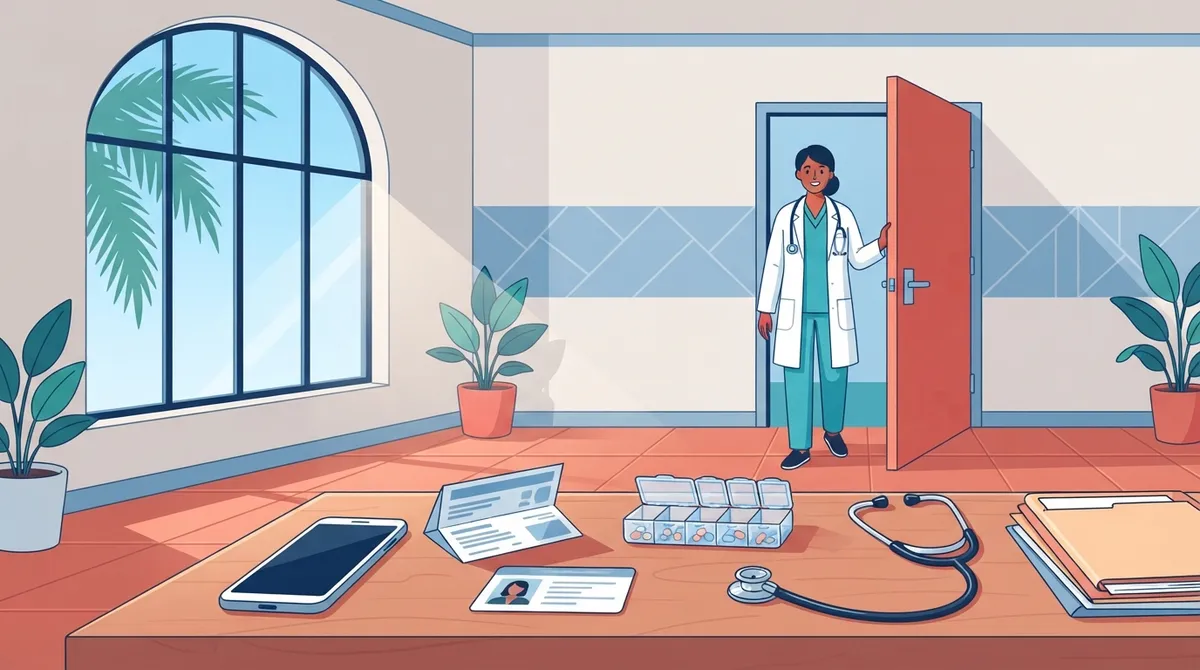
- Bring a photo ID, insurance card, medication and allergy list, prior records, and family health history to your first visit.
- If uninsured, ask practices about self-pay rates and payment plans, and check eligibility for the Hillsborough County Health Care Plan.
Searching for a primary care doctor near me in Tampa can feel harder than it should. Calendars fill quickly, insurance rules vary, and every office promises personal care. Yet a strong relationship with one trusted clinician is among the best investments you can make in your long-term health. Whether you are a busy parent, a young professional, or someone who has never had a regular doctor, the right practice makes prevention simple and convenient.
This guide walks you through a clear, step-by-step process for finding the right fit in 2026. You will learn what a primary care doctor does, how to check insurance and availability, what to compare across practices, and how to prepare for your first visit. Local data shows why this matters: Hillsborough County's 2025-2029 Community Health Assessment reports that 88.6% of residents were insured in 2022, which means 11.4% were not, and it describes primary-care shortage areas across the county. A little planning helps you avoid delays and surprise costs.
What a Primary Care Doctor Actually Does
A primary care doctor, often called a PCP, provides ongoing, first-contact care. This includes preventive visits, health screenings, diagnosis and treatment of common conditions, and management of long-term illnesses such as high blood pressure or diabetes. Your PCP also coordinates referrals when you need a specialist.
Family medicine and internal medicine physicians commonly provide adult primary care. Family physicians may also care for children and teens, which helps households keep everyone under one roof. If you want a closer look at the difference, see this guide on internist versus family doctor options for adults in Tampa.
A good PCP knows your history. That knowledge helps catch small problems early, avoid duplicate tests, and keep your medications safe. It is also why a relationship with one doctor beats bouncing between walk-in visits.
How to Find a Primary Care Doctor Near You in Tampa: 7 Steps
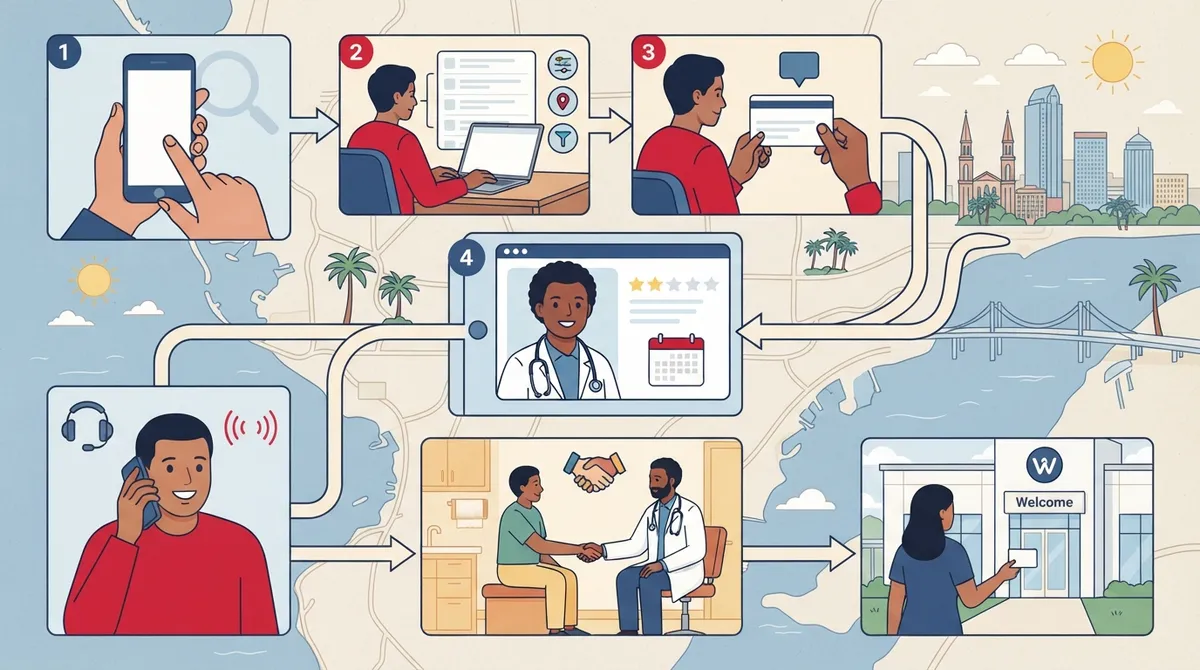
Use this process to move from a long list of names to a confident choice.
- Define your needs. Decide whether you want adult care, family care, or care for a specific goal such as weight management, hormone health, or chronic disease support.
- Check your insurance first. Confirm the exact plan, not just the insurer's name, and ask whether the clinician is in network.
- Search by location and travel time. Look at neighborhoods near your home or work in Tampa and Riverview.
- Confirm the practice is accepting new patients. Call or check online, since availability changes often.
- Compare office hours and access. Look at evening hours, same-day options, and telehealth.
- Read recent patient reviews. Look for patterns about wait times, listening, and follow-up.
- Schedule a first visit. Use the appointment to judge whether the doctor's style fits yours.
For more detail on each step, this resource on how to choose the best primary care near you in Tampa expands on the selection process.
Verify Credentials, Insurance, and Availability
Start with the basics. Confirm the clinician's credentials and whether the practice is accepting new patients. Then check your insurance carefully. Ask these questions before you book:
- Is the doctor in network for my specific plan?
- What is my copay for a primary care visit?
- Do I need a referral to see a specialist?
- Will I see the doctor I choose, or another clinician in the practice?
This step matters because access barriers are common. A Tampa General Hospital community health assessment found that residents who struggled to get care cited reasons such as inability to schedule an appointment (52.7%), inability to pay (41.1%), inability to take time off work (35.7%), inconvenient office hours (32.3%), and difficulty finding a doctor who accepts their insurance (19.6%). These are survey results, not countywide rates, but they show where problems tend to appear.
If you are on Medicare, plan details can be confusing. A guide such as 3 ways to confirm insurance accepted primary care in Tampa can help you verify coverage before your visit.
Compare Practices Side by Side
Once you have two or three options, compare them using the same checklist. The table below shows the factors that matter most.
|
Factor |
What to Check |
Why It Matters |
|---|---|---|
|
Insurance |
Exact plan, network status, copay |
Prevents surprise bills |
|
Location |
Travel time from home or work |
Short trips make visits easier to keep |
|
Availability |
New patient openings, wait time for an appointment |
Shows how quickly you can be seen |
|
Office hours |
Evenings, weekends, same-day slots |
Fits a busy work or family schedule |
|
Telehealth |
Virtual visits for follow-ups and refills |
Saves time for routine needs |
|
Communication |
Portal, refill process, test result follow-up |
Keeps you informed between visits |
|
Services |
Screenings, labs, urgent needs, wellness options |
Reduces trips to multiple locations |
Also ask how the office handles urgent concerns, prescription refills, and after-hours calls. A practice that answers these questions clearly usually runs smoothly.
Look for Whole-Body, Preventive Care
Many people only see a doctor when they feel sick. Preventive care flips that approach. It focuses on screenings, lab work, and healthy habits that lower your risk before problems start.
The best primary care practices now combine traditional medicine with modern tools. Examples include in-house lab testing, body composition analysis, metabolic breath testing, and personalized weight management. These tools turn vague goals into measurable plans. If you want to understand what a thorough checkup covers, read about what a wellness checkup in Tampa, FL includes.
InCare is built around this prevention-first model. With locations in Tampa and Riverview, the clinic offers primary care, urgent care, cancer screenings, medical weight loss, DNA gene testing, and IV hydration in one place. That means one team can follow your health from routine physicals to targeted wellness goals. Patients rate the practice 4.8 out of 5 on Google, and you can visit us on Google to read InCare reviews from real Tampa-area patients.
Match the Practice to Your Life Stage
Different readers need different things from a PCP. Here is how to think about your own situation.
Busy Young Families
Look for a practice that can care for adults and children, offers flexible hours, and handles sick visits quickly. A single clinic for the whole household saves time and keeps records in one place. See this overview of why pediatric primary care matters for your child's health if you are weighing family options.
Tech-Savvy Professionals and Millennials
Prioritize online booking, patient portals, and telehealth. Many routine follow-ups work well by video, which saves a trip across town.
Wellness-Focused Adults
If you want proactive testing, ask about advanced screenings, DNA gene testing, and metabolic assessments. These services help you act on your own data instead of guessing.
Women and Young Adults Without a Regular Doctor
A PCP covers far more than reproductive care. Ask about full wellness exams, cancer screenings, vaccines, and mental health check-ins. Starting early builds a health record that pays off for decades. If you have not had a regular doctor, this guide on how to establish care with a new doctor in 2026 is a helpful starting point.
What to Do If You Do Not Have Insurance
Lack of coverage should not stop you from finding a doctor. Hillsborough County reports that 11.4% of residents were uninsured in 2022, so many neighbors face the same question. Options exist.
- Ask practices about self-pay rates and what is included in the visit fee.
- Check whether the Hillsborough County Health Care Plan fits your situation. The county describes it as a managed-care program for eligible residents with limited income and assets who do not qualify for other coverage. Confirm current eligibility and benefits directly with the county, since details can change.
- Ask about payment plans and whether lab work is bundled or billed separately.
For more ideas, see where to find care without insurance in Tampa.
Prepare for Your First Appointment
A first visit sets the tone for the relationship. Come prepared so the doctor can learn about you quickly. Bring or arrange the following:
- Photo identification and your insurance card
- A list of current medications, supplements, and allergies
- Records from your previous clinician, or the details needed to request them
- A short list of questions and personal health goals
- Family health history, including conditions such as heart disease, diabetes, or cancer
During the visit, expect a review of your history, a basic exam, and a talk about preventive needs such as screenings and vaccines. Ask how to transfer records, how test results are shared, and how to reach the office between visits. This guide on what to bring to your first primary care visit offers a handy checklist.
Avoid Common Mistakes When Choosing a PCP
Small errors can cost you time and money. Watch for these:
- Choosing only by distance. A close office with long wait times may not serve you well.
- Skipping the insurance check. Network status and copays vary by plan.
- Ignoring communication style. You should feel heard and respected.
- Waiting until you are sick. Establish care while you are healthy so you have a doctor when urgent needs arise.
- Forgetting follow-up. Ask how results and refills are handled before you commit.
A deeper look at these pitfalls appears in 14 mistakes to avoid when scheduling primary care in Tampa.
Know When to Use Primary Care Versus Urgent Care
Your PCP is the best place for ongoing care, but sudden problems still happen. A good practice helps you decide where to go. Primary care suits checkups, chronic conditions, refills, and preventive screenings. Urgent care suits issues such as flu symptoms, minor injuries, or infections that need prompt attention but are not life-threatening. Emergencies such as chest pain or severe breathing trouble need the emergency room.
Choosing a clinic that offers both primary and urgent care means your records stay connected, and you avoid repeating your history to a new provider each time. For a clear comparison, review primary care versus urgent care and which one you need.
Follow Local Health Resources and Updates
Staying informed makes it easier to use your care well. Many Tampa-area clinics share health tips, service updates, and community news on social platforms. You can follow InCare on Facebook, Instagram, and TikTok for practical wellness guidance. Use these channels for general education, and rely on your clinician for personal medical advice.
Take the Next Step Toward Better Health
Finding a primary care doctor near me in Tampa comes down to a few smart checks: confirm insurance, compare access and hours, look for preventive and whole-body services, and prepare for your first visit. Do this work once, and you gain a partner who knows your history and helps you stay ahead of problems.
InCare brings primary care, urgent care, and advanced wellness services together in Tampa and Riverview, with a focus on prevention and personalized plans. If you are ready to establish care, book your appointment online today, or contact our team with questions about services, insurance, and availability.
FAQs
Q: How do I find a primary care doctor near me in Tampa who accepts my insurance?
A: Start by confirming your exact plan name with your insurer, then call the practice and ask whether the clinician is in network for that plan. Ask about your copay and any referral rules before booking. Verifying directly with the office is more reliable than relying on online directories alone.
Q: What should I look for when choosing a primary care doctor in Tampa?
A: Look for a practice that is accepting new patients, takes your insurance, and offers convenient hours and a location close to home or work. Check telehealth options, how the office handles refills and test results, and whether preventive services are available. A clinician who listens and explains clearly is also a strong sign.
Q: What is the difference between a family doctor and an internal medicine doctor?
A: Family medicine physicians care for patients of all ages, which can work well for households that want one doctor for everyone. Internal medicine physicians focus on adults and often manage complex or chronic conditions. Both can serve as your primary care provider.
Q: What options exist in Hillsborough County if I do not have health insurance?
A: The Hillsborough County Health Care Plan may help eligible residents with limited income and assets who do not qualify for other coverage. You can also ask practices about self-pay pricing and payment plans. Confirm current eligibility and program details directly with the county.
Q: What should I bring to my first appointment with a new primary care doctor?
A: Bring a photo ID, your insurance card, and a list of your medications, supplements, and allergies. Also bring prior medical records if you have them, your family health history, and a short list of questions. Being prepared helps the doctor build an accurate picture of your health in the first visit.


