
Key Takeaways
- The right primary care visit schedule depends on your age, health conditions, medications, family history, and past test results, so there is no single frequency that fits every adult.
- Healthy adults without chronic conditions often schedule one preventive visit per year, while people with conditions like diabetes or high blood pressure may need visits every 3 to 6 months.
- Screenings follow their own timelines, such as mammography every two years for women ages 40 to 74, so a yearly visit does not automatically mean yearly screening.
- Seek care sooner than your next checkup for new or worsening symptoms, unexplained weight changes, side effects from a new medication, or abnormal home blood pressure or blood sugar readings.
- Before each visit, list your conditions, medications and supplements, family history, and last test dates, and ask your clinician for a written schedule with target dates.
- Use the patient portal between visits, bring a question list, and confirm your follow-up date and any tests before leaving each appointment.
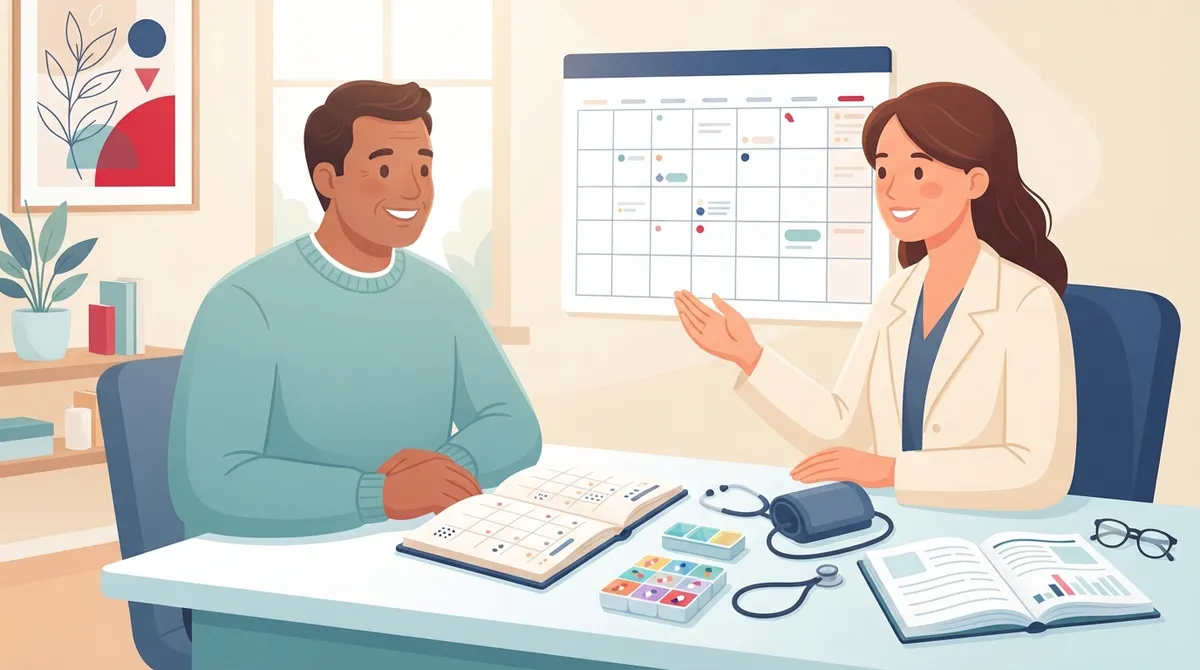
Many adults ask the same question: how often should I see my primary care doctor? The honest answer is that it depends on you. No single schedule fits every adult. Age, health conditions, medications, family history, and personal goals all shape the right visit plan.
For some healthy adults, one preventive visit each year is a smart habit. For others, especially those with chronic conditions or new symptoms, visits may need to happen more often. And some screenings follow their own timelines, such as every two years or every ten years.
This guide shows you how to build a visit schedule that fits your life. You will learn what each type of visit does, which factors change your timeline, and how to prepare so every appointment counts. Whether you are a busy parent, a young professional, or someone who wants to optimize your health with advanced tools, a clear plan helps you stay ahead of problems instead of reacting to them.

Why There Is No One-Size-Fits-All Answer
There is no single evidence-based schedule that applies to every adult. How often you should see a primary care clinician depends on your age, health conditions, medications, risk factors, past test results, and personal preferences.
A healthy 28-year-old with no medical history has different needs than a 55-year-old managing blood pressure. A new mom has different needs than a man with a strong family history of heart disease. That is why the best answer always starts with a conversation with your clinician.
Preventive Visits vs. Problem-Focused Visits
It helps to know the two main types of visits:
- Preventive or wellness visits: These focus on staying healthy. Your clinician reviews your history, medications, vaccines, mental health, lifestyle, and which screenings are due.
- Problem-focused visits: These address a new symptom, an injury, or a follow-up for a known condition.
A preventive visit does not mean every test is repeated every year. It is a chance to decide which services you need, and when. To learn more about what to expect, read what happens during an annual wellness visit.

A General Visit Guide by Health Status
Use the table below as a starting point. Your own clinician may recommend a different plan based on your health.
|
Your Situation |
Typical Visit Pattern |
Why |
|---|---|---|
|
Healthy adult, no chronic conditions |
One preventive visit per year is common, though your clinician may suggest a longer interval |
Review risks, vaccines, and screenings |
|
Chronic condition (diabetes, high blood pressure, asthma) |
More frequent visits, often every 3 to 6 months |
Track control, adjust medications, prevent complications |
|
New or worsening symptoms |
Visit as soon as symptoms appear |
Early evaluation prevents bigger problems |
|
Starting or changing a medication |
Follow-up as directed |
Check effects, side effects, and lab results |
|
Pregnancy or planning a pregnancy |
Visits tailored to your care team's plan |
Support health before, during, and after pregnancy |
|
Older adult |
Regular visits, often more than once a year |
Manage multiple conditions and medications |
Remember, these are general patterns. They are not rules. Always ask your clinician what interval is right for you.
How to Build Your Personal Visit Schedule
Follow these steps to create a plan that fits your life.
- List your health conditions. Include anything you manage, such as blood pressure, diabetes, thyroid issues, or mental health concerns.
- Write down your medications and supplements. Medication changes often call for follow-up visits.
- Note your family history. A parent or sibling with heart disease, cancer, or diabetes may change your screening timeline.
- Check your last visit and test dates. Know when your last physical, lab work, and screenings took place.
- Ask your clinician for a written plan. Request a simple schedule that lists each visit and screening with a target date.
- Confirm your insurance coverage. Ask whether your plan covers a preventive visit and how it is billed.
Having a written plan removes guesswork. It also helps busy families and professionals plan around work and school.
Screenings Follow Their Own Schedules
Many people think a yearly visit means yearly screening. That is not true. Screening schedules depend on the specific service, your age, and your risk level. The U.S. Preventive Services Task Force (USPSTF) sets many of these guidelines.
Here are a few examples from current USPSTF recommendations:
- Mammography: Every two years for women ages 40 to 74.
- Colorectal cancer screening: For adults ages 45 to 75. The test type and interval vary by method and personal circumstances.
- Lung cancer screening: Yearly low-dose CT for adults ages 50 to 80 who have at least a 20 pack-year smoking history and currently smoke or quit within the past 15 years. Screening stops when these criteria are no longer met.
Because each screening has its own timeline, a preventive visit is the best place to sort out what you need. Our guide on what screenings adults should get every year and our overview of cancer screening can help you prepare.
Signs You Should Not Wait for Your Next Checkup
A routine visit is not a substitute for care when something feels wrong. Schedule an appointment sooner if you notice any of these:
- A new symptom that does not go away after a few days
- A symptom that is getting worse
- Unexplained weight loss or weight gain
- Ongoing fatigue, low mood, or trouble sleeping
- Changes in blood pressure or blood sugar readings at home
- A new medication that causes side effects
For severe or urgent symptoms, such as chest pain, trouble breathing, or signs of stroke, seek emergency care right away. For non-emergency illness or injury that needs same-day attention, urgent care can be a fast option.
How Often to Visit with a Chronic Condition
If you live with a long-term condition, regular visits matter more. Conditions like diabetes, high blood pressure, asthma, and COPD can change over time. Frequent check-ins let your clinician catch small changes before they become big problems.
At these visits, your clinician may check lab results, adjust medications, review your home readings, and update your plan. Many patients find a visit every three to six months works well, but your clinician will set the pace based on how well your condition is controlled.
You can learn more about this type of care in our article on how primary doctors help manage chronic illnesses.
Tips for Different Life Stages and Lifestyles
Young Adults and Gen Z
If you are in your late teens or twenties and feel healthy, you may be tempted to skip the doctor. But this is the best time to build a baseline. A first visit can set up vaccines, mental health support, and a record of your normal numbers. Some young adults also explore prevention tools like DNA gene testing to understand their personal risk.
Busy Parents and Families
Families often put their own care last. Try to book your visit at the same time as your child's checkup. Ask about same-day options and telemedicine to save time. Our post on same-day appointments explains how fast primary care can fit a packed schedule.
Women Without a Regular Primary Care Provider
Many women see only an OB/GYN. A primary care visit covers the whole body, including heart health, mental health, bone health, and cancer screening. If you do not have a primary care relationship yet, our guide to a well woman exam is a good place to start.
Wellness-Focused Adults
If you want to go beyond basic checkups, ask about advanced tools like metabolic breath analysis, body composition analysis, and tailored wellness plans. These services work best when paired with regular primary care visits.
What to Expect During a Preventive Visit
A good preventive visit is more than a quick exam. Your clinician will usually:
- Review your medical and family history
- Check vital signs such as blood pressure, heart rate, and weight
- Go over your medications and supplements
- Discuss vaccines, screenings, and lab work that are due
- Ask about sleep, stress, mood, nutrition, and activity
- Create a plan for your next steps and follow-up
For a deeper look, see our post on what happens during an annual physical exam.
How to Get More from Every Visit
Use these simple habits to make each appointment count:
- Bring a list of questions. Write down concerns before you arrive so nothing gets forgotten.
- Share your full story. Mention symptoms, stress, sleep changes, and habits, even if they seem small.
- Bring your medication list. Include doses, supplements, and over-the-counter products.
- Ask what comes next. Before you leave, confirm your follow-up date and any tests to schedule.
- Use your patient portal. Review results and message your care team between visits.
Consistent, honest communication helps your clinician give you better advice. It also builds trust over time. If you are still searching for the right match, read 7 signs you've found the right primary care practice.
Why a Strong Primary Care Relationship Matters
Primary care visits do more than treat illness. They coordinate preventive screening, vaccinations, behavioral health support, and referrals to specialists. A clinician who knows your history can spot changes early and guide you through complex choices using shared decision-making.
Data also show many adults skip preventive care. A 2024 CDC analysis in Preventing Chronic Disease found wellness-visit use at about 20% in the population studied. That number describes behavior, not what each person should do, but it shows how many people may be missing chances to catch problems early.
At InCare, we combine personalized primary care with advanced wellness tools, so your visit schedule can match your goals. With clinics in Tampa and Riverview, plus virtual visits, we make it easier to stay on track. Learn more about primary care at InCare or meet our providers. You can also see what patients say when you visit us on Google — InCare, where we hold a 4.8 out of 5 rating.
Stay connected with our team on Instagram, Facebook, and TikTok for health tips and updates.
Conclusion: Make a Plan That Fits You
So, how often should you see your primary care doctor? For many healthy adults, a yearly preventive visit is a common starting point. If you have a chronic condition, take new medications, or have specific risks, you may need visits more often. Screenings follow their own timelines, and new symptoms should never wait for your next checkup.
The best approach is simple. Talk with your clinician, build a written plan, and review it each year. Small, steady steps protect your health far better than waiting until a problem appears.
Ready to build your personal visit plan? Book your appointment with InCare today, or contact our team with any questions. We are here to help you stay healthy, informed, and ahead of what matters most.
FAQs
Q: Do healthy adults need to see a primary care doctor every year?
A: Not always. An annual visit is a common chance for healthy adults to review preventive needs, but it is not a universal requirement. Ask your clinician what interval fits your age, history, and risk factors, and check whether your insurance covers a preventive visit.
Q: How often should I see my doctor if I have a chronic condition?
A: People with ongoing conditions such as diabetes, high blood pressure, or asthma usually need more frequent visits than healthy adults. Many patients are seen every three to six months, but your clinician will set the schedule based on how well your condition is controlled.
Q: What is the difference between a preventive visit and a problem-focused appointment?
A: A preventive visit focuses on staying healthy. It covers your history, medications, vaccines, mental health, lifestyle, and which screenings are due. A problem-focused appointment addresses a new symptom, an injury, or a follow-up for a known condition.
Q: When should I schedule a visit between annual checkups?
A: Book a visit when you have new or worsening symptoms, start or change a medication, or notice changes in home readings such as blood pressure. For severe or urgent symptoms, seek immediate care instead of waiting for a routine checkup.
Q: Are annual physicals covered by health insurance?
A: Many plans cover a preventive visit, but coverage and billing rules vary. Call your insurer or ask our office before your appointment to confirm what is covered and whether any tests or add-on services could create extra costs.


