

Key Takeaways
- Kisspeptin is not yet approved as a treatment for low libido; current research involves only small trials with single IV doses, not established dosing or long-term safety data for routine clinical use.
- Low libido typically has multiple causes including medical factors (hormone imbalances, thyroid problems, medications), psychological factors (stress, anxiety, depression), and lifestyle issues that require comprehensive evaluation before considering experimental treatments.
- Two small studies (32 participants each) showed kisspeptin temporarily changed brain activity related to sexual processing and increased penile response in men, but these short-term lab results don't prove lasting real-world effectiveness.
- Kisspeptin activates brain regions controlling reproductive hormones and sexual arousal, making it theoretically interesting for libido research, but this mechanism alone doesn't guarantee clinical benefit or safety over time.
- A primary care visit should include hormone testing, medication review, sleep and stress assessment, and mental health screening to identify treatable causes before pursuing experimental options like kisspeptin.
- Evidence-based treatments available today—hormone therapy, medication adjustments, stress management, improved sleep, and mental health support—effectively address low libido for many patients without experimental compounds.
Low sexual desire affects many adults, and it can feel isolating when nothing seems to explain it. Recently, a hormone called kisspeptin has made headlines for its possible link to sexual desire. Small research studies suggest it may briefly change how the brain responds to sexual cues in men and women. But before assuming a hormone injection is the answer, it helps to understand what kisspeptin actually does and what primary care doctors recommend for low libido today.
This guide breaks down the science in plain language. We will cover what kisspeptin is, what the research really shows, and how a primary care visit can help you find the real cause of low sexual desire. Whether you are a busy parent, a young professional, or someone exploring wellness options for the first time, this article will help you separate hype from evidence.
What Is Kisspeptin and Why Does It Matter for Libido?
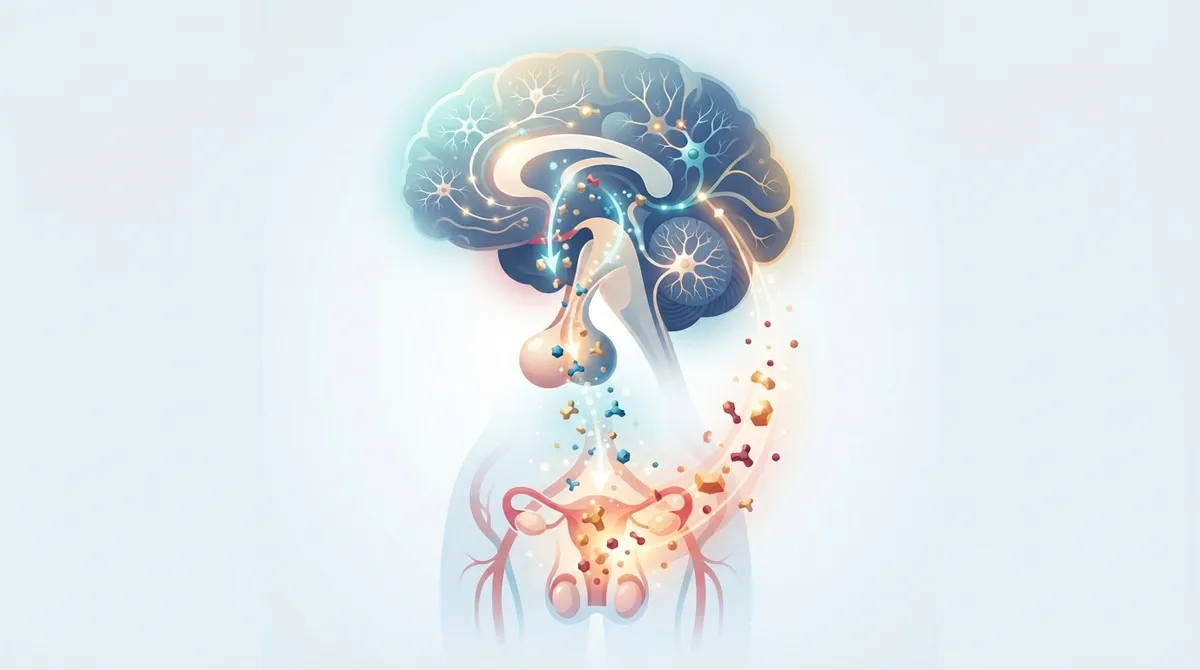
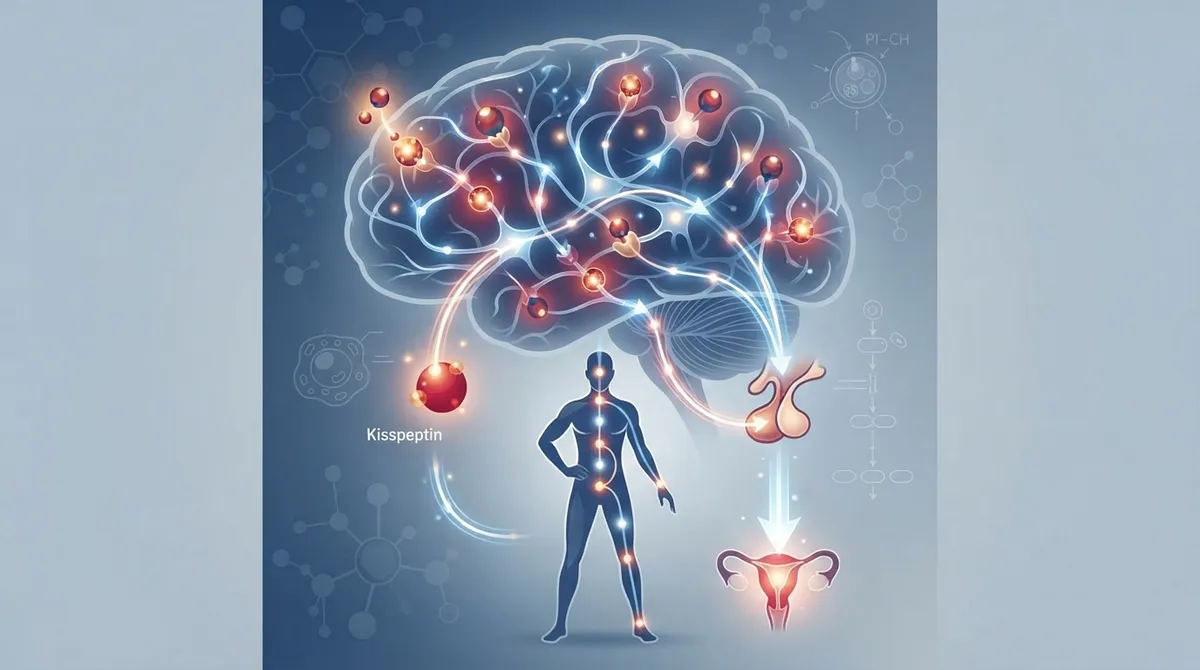
Kisspeptin is a natural hormone made in the brain. It plays a key role in the reproductive system. Specifically, it activates special receptors on cells that control other hormones like luteinizing hormone and follicle-stimulating hormone.
These hormones drive puberty, fertility, and sex hormone production in both men and women. Because kisspeptin sits at the top of this hormone chain, scientists began to wonder if it might also affect sexual desire and arousal.
The Brain-Hormone Connection
Kisspeptin does not just work on reproductive organs. It also acts on parts of the brain tied to emotion, motivation, and reward. This is why researchers started studying it as a possible treatment for low libido, rather than just fertility issues.
- Kisspeptin activates neurons that control the release of reproductive hormones
- It may influence brain areas linked to sexual arousal and attraction
- It plays a role in starting puberty in adolescents
- It supports normal fertility in both men and women
- It is being studied, not yet approved, as a treatment for low sexual desire
What the Research Actually Shows
Two key studies have looked at kisspeptin and low sexual desire. Both were small, short-term trials done at academic research centers. Understanding their limits is just as important as understanding their findings.
Study Results in Women
In 2022, researchers studied 32 premenopausal women with hypoactive sexual desire disorder, or HSDD. This condition means a person has ongoing low sexual desire that causes real distress. The women received a one-time kisspeptin infusion through an IV.
The study found that kisspeptin changed how the brain processed sexual and romantic images. Some hormone levels and psychological measures also shifted. Importantly, no adverse effects were reported during the trial.
Study Results in Men
A similar 2023 study looked at 32 men with HSDD. Again, researchers used a single IV dose of kisspeptin during a controlled lab setting.
The results showed changes in brain activity linked to sexual processing. Men also showed higher behavioral measures of desire. One notable finding was a physical response: penile tumescence, or swelling, was up to 56% greater than placebo during exposure to sexual images.
Numbered List: Key Facts From the Kisspeptin Studies
- Both trials were randomized, double-blind, and placebo-controlled, which is a strong research design
- Each study included only 32 participants, a small sample size
- Kisspeptin was given as a single IV dose, not a long-term treatment
- The studies took place at a specialist academic center, not in general primary care
- No serious adverse effects were reported in either trial
- The male study found a strong statistical effect on brain activity (Cohen d = 0.81)
- These results reflect short-term, acute responses, not long-term treatment outcomes
Kisspeptin Is Not Yet an Approved Treatment
It is important to be clear: kisspeptin is not approved by regulators as a treatment for low libido. The studies described above are early, mechanistic research. They tell us kisspeptin can influence brain activity and short-term physical responses. They do not prove it works as a safe, lasting treatment for everyday patients.
There is no established dosing, no long-term safety data, and no approval for routine use in a primary care or wellness clinic setting. Anyone considering kisspeptin-based treatment should understand it remains investigational.
|
Factor |
What We Know |
What We Don't Know |
|---|---|---|
|
Short-term brain response |
Changes seen in brain imaging studies |
Whether changes last beyond the study session |
|
Physical arousal response |
Increased in men during acute dosing |
Effect on real-world sexual satisfaction |
|
Safety |
No adverse effects in small trials |
Long-term safety across larger populations |
|
Dosing |
IV infusion used in research settings |
Optimal dose, frequency, or delivery method |
|
Approval status |
Investigational only |
Timeline for regulatory review |
What Causes Low Libido? A Primary Care Perspective
Low sex drive rarely has one single cause. In primary care, doctors look at the whole picture before jumping to any hormone-based explanation. Kisspeptin levels are just one small piece of a much bigger puzzle.
Common Medical Causes
- Low testosterone or low estrogen levels
- Thyroid problems
- Chronic pain or ongoing illness
- Poor sleep quality or sleep disorders
- Menopause or postpartum hormone changes
- Certain medications, including antidepressants and blood pressure drugs
Common Psychological and Lifestyle Factors
- Stress, anxiety, or depression
- Relationship conflict or lack of intimacy
- Body image concerns
- Fatigue from work or caregiving demands
- Alcohol or substance use
This is why a thorough evaluation matters. A primary care visit can help identify the real cause, rather than assuming a single hormone is to blame.
How to Approach Low Libido: A Step-by-Step Guide
If you are dealing with low sexual desire that bothers you or your relationship, here is a practical path forward.
Steps to Take
- Schedule a comprehensive wellness visit to discuss your symptoms openly
- Ask about hormone testing, including testosterone, estrogen, and thyroid panels
- Review current medications with your doctor to check for side effects
- Discuss sleep habits, stress levels, and mental health openly
- Consider DNA gene testing to understand personal health predispositions
- Explore body composition or metabolic testing if weight or energy is also a concern
- Follow up regularly to track changes and adjust your care plan
This structured approach helps rule out common, treatable causes before considering research-based options like kisspeptin.
Evidence-Based Options Available Today
While kisspeptin remains experimental, there are proven approaches primary care doctors use to help patients with low libido right now.
Approaches Your Doctor May Recommend
|
Approach |
Best For |
What to Expect |
|---|---|---|
|
Hormone level testing |
Suspected testosterone or estrogen deficiency |
Blood work followed by targeted therapy if needed |
|
Medication review |
Patients on antidepressants or blood pressure drugs |
Possible dose adjustment or alternative options |
|
Mental health support |
Stress, anxiety, or relationship strain |
Counseling referrals or therapy discussion |
|
Lifestyle changes |
Fatigue, poor sleep, or weight concerns |
Sleep hygiene tips and weight management support |
|
Specialist referral |
Complex or persistent cases |
Connection to endocrinology or sexual health specialists |
Many patients find that addressing sleep, stress, and hormone balance brings noticeable improvement without needing experimental treatments. A weight loss program or IV hydration therapy may also support overall energy and well-being, which can indirectly improve desire and vitality.
Why a Whole-Body Approach Matters
Sexual health connects to overall health. This is why clinics that focus on whole-body wellness, not just single symptoms, tend to get better results. A doctor who understands your full health picture can spot patterns that a narrow, symptom-only approach might miss.
Benefits of Comprehensive Wellness Care
- Doctors can connect symptoms across multiple body systems
- Testing options like hormone panels and metabolic analysis provide clearer answers
- Personalized plans address root causes, not just symptoms
- Ongoing relationships with providers build trust and better outcomes
- Preventive care catches problems before they worsen
At InCare, our providers take this comprehensive view seriously. With locations in Tampa and Riverview, our team combines advanced diagnostic tools with a personal touch. You can learn more about our approach on our About Us page, or explore our locations to find the clinic nearest you.
What to Expect During a Consultation
If you decide to talk with a doctor about low libido, expect an open, judgment-free conversation. Physicians like those featured on our provider pages are trained to discuss sensitive topics with care and professionalism.
Typical Visit Structure
- Discussion of symptoms, duration, and personal distress level
- Review of medical history, medications, and lifestyle factors
- Physical exam and possible blood work orders
- Conversation about mental health and relationship context
- Development of a personalized care plan based on findings
This process ensures nothing is overlooked. Many patients feel relief simply from having a clear plan, rather than guessing what might help.
Staying Informed and Connected
Health research changes quickly, especially around new peptides like kisspeptin. Staying connected with a trusted provider means you get accurate updates instead of relying on unverified online claims. You can follow health tips and updates from InCare on Facebook, Instagram, and TikTok for accessible, everyday wellness content.
Patients across Tampa and Riverview also share their experiences online. You can visit us on Google — InCare to read real reviews from people who have found answers to their health concerns at our clinics.
Bringing It All Together
Kisspeptin is a fascinating hormone with real potential in future sexual health research. But right now, it remains an experimental tool studied in small, controlled trials. It is not an approved treatment, and no clinic should present it as a guaranteed fix for low libido.
The smarter path is a thorough evaluation with a trusted primary care team. This means checking hormone levels, reviewing medications, discussing mental health, and considering lifestyle factors. This whole-body approach, not a single hormone injection, remains the gold standard for addressing low sexual desire today.
If low libido has been affecting your life or relationship, do not wait to get answers. Reach out to our team to schedule a confidential consultation, or book your appointment online today. Our providers in Tampa and Riverview are ready to help you find real, evidence-based answers.
FAQs
Q: Can kisspeptin treat low libido or hypoactive sexual desire disorder?
A: Kisspeptin has shown promising short-term effects in small research studies, changing brain activity related to sexual desire. However, it is not an approved treatment, and larger, long-term studies are still needed before it becomes a standard option.
Q: What is the connection between kisspeptin, testosterone, estrogen, and sexual desire?
A: Kisspeptin sits upstream in the hormone system, triggering the release of luteinizing hormone and follicle-stimulating hormone. These hormones then control testosterone and estrogen production, which can influence sexual desire indirectly.
Q: Is kisspeptin approved by regulators for low libido in men or women?
A: No, kisspeptin is not currently approved for treating low libido. It remains an investigational compound studied only in small, controlled research trials at academic centers.
Q: Are kisspeptin injections safe, and what side effects are possible?
A: In small trials, kisspeptin was reported as well tolerated with no adverse effects during the study period. However, long-term safety data across diverse populations does not yet exist, so caution is warranted.
Q: How should a primary care clinician evaluate persistent low libido?
A: A thorough evaluation includes reviewing medical history, current medications, sleep habits, mental health, and hormone levels. This helps identify treatable causes before considering any experimental or specialist options.