

Key Takeaways
- First-month KPV costs range from $475–$1,400 when including consultation, labs, and follow-up visits, not just the $36–$100 vial price often advertised online.
- KPV is not FDA-approved with no validated human dosing standards or large-scale clinical trials—price differences do not guarantee safety or effectiveness, making cost-per-milligram comparisons misleading.
- Insurance does not cover KPV therapy since it remains investigational, requiring full out-of-pocket payment regardless of program cost or vendor type.
- Consult your primary care provider before purchasing KPV to explore evidence-based alternatives for inflammation, gut health, or skin concerns that may be covered by insurance.
Searching for KPV peptide prices online can feel like shopping without a map. One website lists a 10 mg vial for $36. Another quotes $250 a month. A wellness clinic mentions consultation fees and lab work you never expected. If you have felt confused trying to figure out a fair KPV cost comparison, you are not alone.
This guide breaks down what drives KPV pricing in 2026, what channels sell it, and why cost should never be the only factor in your decision. We will also explain why KPV remains an investigational compound rather than an approved treatment, so you can make an informed choice with your primary care provider.

What Is KPV and Why Do People Ask About It?
KPV, often labeled Ac-KPV-NH2, is a short peptide derived from alpha-melanocyte-stimulating hormone. It is marketed in wellness circles for its potential anti-inflammatory properties, along with claims related to gut health, skin support, and recovery.
Many people discover KPV through social media, biohacking forums, or wellness influencers rather than a doctor's office. This is common among Gen Z Health Explorers and tech-savvy adults who research supplements before ever speaking with a clinician. Before spending money, it helps to understand exactly what you are buying and from whom.
Important Regulatory Context
KPV is not approved by the FDA for treating any medical condition. Most available evidence comes from laboratory and animal research, not human clinical trials. According to peptide evidence reviews from 2025 and 2026, there is no validated human dose, no confirmed safety profile, and no established route of administration backed by large-scale studies.
This matters greatly when comparing costs. A lower price does not make an unproven product safer, and a higher price does not guarantee quality or effectiveness.
Where Is KPV Sold and How Do Prices Differ?
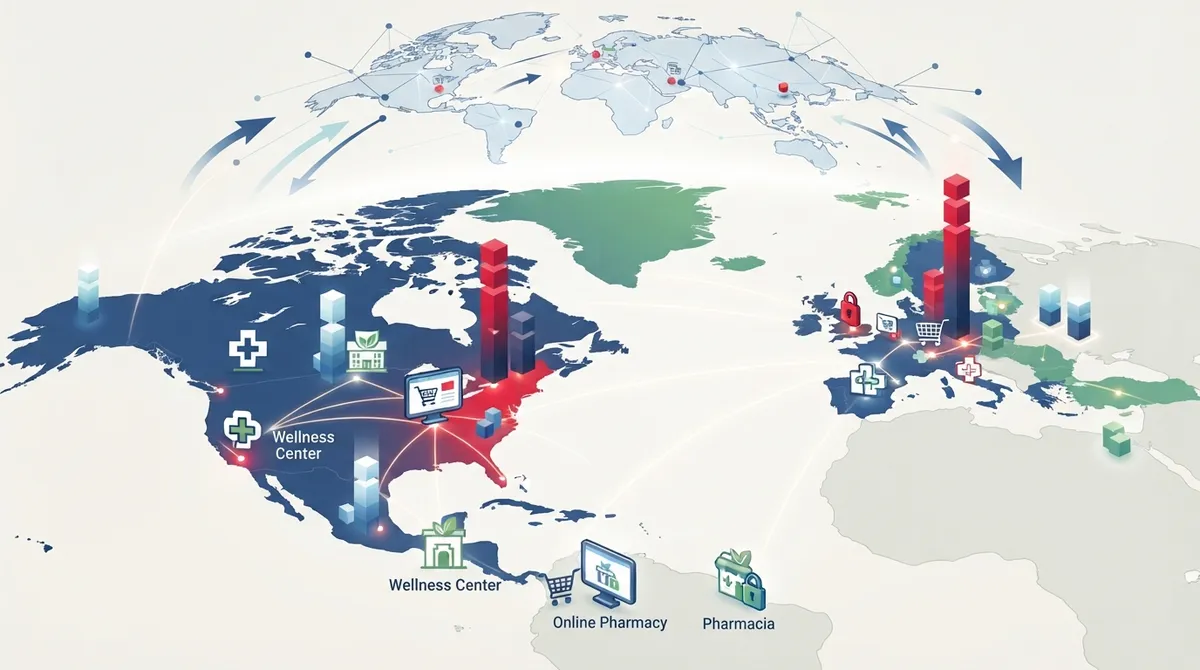
KPV shows up in several different sales channels, each with its own pricing structure and level of oversight. Understanding these differences is the first step in any honest KPV cost comparison.
- Research-chemical vendors sell KPV as a lab compound, not for human use. Prices are often the lowest, but these products carry no clinical oversight.
- Telehealth peptide programs combine a virtual consultation with a prescription-style process, though KPV itself remains unapproved for these purposes.
- Compounding pharmacy channels may offer custom formulations, sometimes bundled with other peptides or supplements.
- In-person wellness clinics typically include a physical consultation, monitoring, and follow-up visits as part of the total price.
Each of these channels serves a different purpose, and none should be treated as interchangeable when you are comparing dollar amounts alone.
KPV Price Ranges You Will Commonly See
Based on 2026 pricing reviews, here is a snapshot of typical costs across different channels.
|
Purchase Channel |
Typical Price Range |
What It Usually Includes |
|---|---|---|
|
Research-vendor 10 mg vial |
$36–$100 |
Vial only, excludes shipping and taxes |
|
Telehealth or compounded monthly program |
$80–$165 per month |
Medication plus limited virtual support |
|
In-person clinic monthly program |
$165–$250 per month |
Medication, consultation, some monitoring |
|
Full commercial program (medication + monitoring) |
$125–$550 per month |
Medication, follow-up visits, lab review |
One 2026 market review found a median listed price of about $4.20 per milligram across 24 product listings from 20 different vendors. This wide spread shows why price-per-vial comparisons alone can be misleading.
What a Realistic First-Month Budget Looks Like
The sticker price for a vial or a monthly subscription rarely reflects your full first-month cost. Programs offered through clinics often include several additional charges.
- Initial consultation fees, commonly $150–$350
- Baseline laboratory testing, often $200–$500
- Follow-up visits, typically $50–$150 each
- Shipping, handling, and storage requirements
- Potential repeat testing to monitor for adverse reactions
When you add these together, a realistic first-month budget for a supervised KPV program can range from roughly $475 to $1,400. This is a significant jump from the $36–$100 vial price seen on research-chemical websites, and it explains much of the confusion in online cost comparisons.
Why Price-Per-Milligram Is Not Enough
It is tempting to compare KPV products purely by cost per milligram. However, this single metric ignores several important factors that affect both safety and value.
- Formulation quality — Is the product sterile, properly dosed, and free of contaminants?
- Certificate of analysis — Has an independent lab verified the contents match the label?
- Vendor licensing — Is the seller a licensed pharmacy, or an unregulated research supplier?
- Clinical oversight — Does a licensed provider review your health history before recommending anything?
- Shipping conditions — Peptides can degrade without proper temperature control during transit.
- Follow-up care — Does the price include monitoring for side effects or lack of response?
A $40 vial with no oversight is not automatically a better deal than a $200 program that includes a consultation and lab review. The real cost includes your safety, not just the invoice total.
Questions to Ask Before You Compare Prices
Before requesting a quote from any provider or vendor, consider asking the following.
- Is this product intended for human use, or labeled for research only?
- What documentation proves purity and sterility?
- Does the price include a consultation with a licensed clinician?
- Are follow-up visits or lab tests included, or billed separately?
- What is the cancellation or refund policy if you experience side effects?
These questions apply whether you are a busy parent evaluating a wellness program or a high-income wellness seeker exploring advanced options at a clinic.
KPV Compared to Established Anti-Inflammatory Options
Because KPV lacks FDA approval and large human trials, it is worth comparing its evidence base to more established approaches available through primary care.
|
Factor |
KPV Peptide |
FDA-Approved Anti-Inflammatory Options |
|---|---|---|
|
FDA approval status |
Not approved for any condition |
Approved for specific, studied indications |
|
Human clinical trials |
Not established at scale |
Multiple large trials required for approval |
|
Dosing standards |
No validated human dose |
Standardized, tested dosing |
|
Insurance coverage |
Not covered |
Often covered, subject to plan |
|
Typical monthly cost |
$80–$550+ |
Varies; often lower with insurance |
This comparison does not mean KPV has no potential. It simply means the evidence and cost structure differ significantly from treatments your primary care physician can prescribe with confidence backed by clinical trials.
Does Insurance Cover KPV Therapy?
In nearly all cases, health insurance does not cover KPV peptide programs. Because it is not FDA-approved for any diagnosis, insurers classify it as investigational or experimental. This means the full cost, whether $50 or $500 per month, typically comes out of pocket.
This is an important budgeting consideration for wellness seekers comparing multiple health optimization services, since peptide costs will not offset your deductible or count toward covered preventive care.
A Safer Path: Talk to Your Primary Care Team First
Before purchasing any peptide product, a conversation with a licensed provider can help you understand your actual health goals. Many concerns that lead people to search for KPV, such as chronic inflammation, digestive discomfort, or skin issues, have established diagnostic pathways and treatment options.
At InCare, our providers in Tampa and Riverview take a whole-body approach to wellness, using tools like metabolic breath analysis and DNA gene testing to identify what your body actually needs. This kind of data-driven assessment often provides clearer answers than an unregulated peptide purchase.
Steps to Take Before Trying Any Peptide Product
- Schedule a comprehensive evaluation with a licensed primary care provider.
- Request relevant baseline labs to identify the true source of your symptoms.
- Ask your provider about evidence-based treatment options for your specific concern.
- Discuss any peptide or supplement you are considering, including potential risks.
- Review total costs, including consultations, labs, and follow-up care, before committing.
This process protects both your health and your wallet, especially if a proven, insurance-covered option turns out to be more appropriate than an investigational peptide.
How InCare Approaches Peptide and Wellness Conversations
InCare combines advanced diagnostic technology with personalized medical guidance across our Tampa and Riverview locations. Our providers take time to review your full health picture, from cancer screenings to metabolic testing, before recommending any therapy.
If you are researching peptide options like KPV, our team can help you understand the current evidence, discuss realistic costs, and explore alternatives that are backed by stronger clinical data. Patients consistently mention this thorough, honest approach in reviews, and you can visit us on Google — InCare to read what our patients say about their experience.
You can also follow our latest wellness updates and educational content on Facebook, Instagram, and TikTok for practical, science-based health information.
Key Takeaways for Your KPV Cost Comparison
- KPV pricing varies widely, from $36 for a research vial to $550 or more for a full monthly clinic program.
- Price alone does not indicate safety, purity, or clinical oversight.
- KPV is not FDA-approved, and human clinical evidence remains limited.
- Insurance typically does not cover KPV, so budget for full out-of-pocket costs.
- A conversation with a licensed primary care provider can clarify whether KPV is even the right path for your goals.
Making a smart decision means looking past the price tag and understanding exactly what you are paying for, and why.
Ready to Get Clear, Evidence-Based Guidance?
If you have questions about KPV, inflammation, gut health, or any wellness goal, our team is here to help you make an informed decision. Reach out to our care team today to discuss your options, or schedule your appointment now to start with a comprehensive evaluation at one of our Tampa or Riverview locations.
FAQs
Q: How much does KPV cost per month?
A: Monthly KPV costs typically range from $80 to $250 through telehealth or clinic programs, though full commercial programs with monitoring can reach $125 to $550. Research-vendor vials alone often cost $36 to $100, but these exclude consultation and lab fees.
Q: Does insurance cover KPV therapy?
A: No, health insurance generally does not cover KPV because it is not FDA-approved for any medical condition. Patients should expect to pay the full cost out of pocket for any KPV-related program.
Q: What is the difference between research-grade KPV and compounded KPV?
A: Research-grade KPV is sold for laboratory purposes only and is not intended for human use, often lacking clinical oversight. Compounded KPV, sold through some pharmacies or clinics, typically involves a consultation process, though it still lacks FDA approval and standardized human dosing.
Q: Is KPV FDA-approved or backed by human clinical trials?
A: KPV is not FDA-approved for treating any condition, and current evidence reviews report no established large-scale human clinical trials. Most available research is limited to laboratory and animal studies.
Q: What should be included in the total cost of a KPV program?
A: A realistic total cost includes the medication itself, an initial consultation, baseline laboratory testing, follow-up visits, and shipping. Together, these can bring a first-month budget to roughly $475 to $1,400 in some commercial programs.