
Key Takeaways
- In 2026, Medicare Part D includes a $615 deductible limit and $2,100 annual out-of-pocket threshold, providing stronger cost protection for chronic condition management and predictable yearly drug expenses.
- Check Wellcare's current formulary yearly before enrollment because drug tiers, coverage status, and utilization rules change annually; do not assume last year's coverage applies to 2026.
- Wellcare offers 90-day mail delivery through Express Scripts Pharmacy with $0 copays for certain Tier 1 generics at preferred pharmacies, reducing costs and pharmacy trips for maintenance medications.
- Request formulary or tiering exceptions when drugs are denied; having your doctor submit medical necessity documentation significantly strengthens exception requests and appeals.
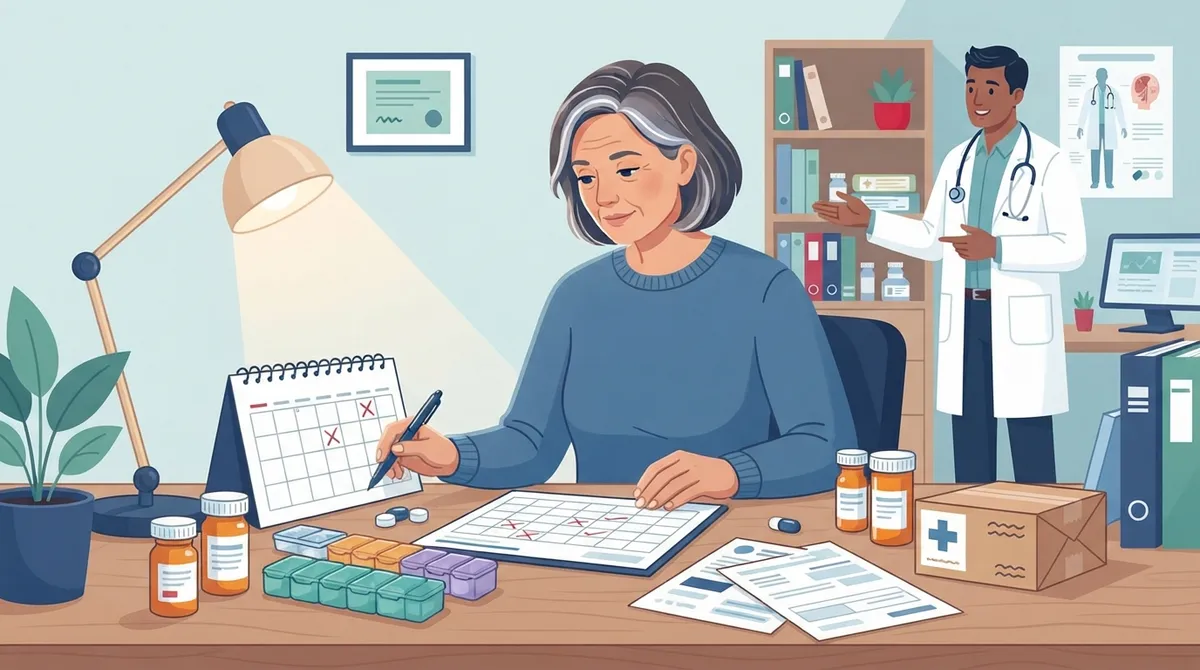
- Work with your primary care team to conduct annual formulary checks, medication reconciliation, and refill planning so they can submit prior authorizations and identify covered alternatives proactively.
- Enroll during your Initial Enrollment Period around age 65, Annual Enrollment Period (October 15–December 7), or Special Enrollment Period after life events to avoid late enrollment penalties.
Prescription costs are one of the biggest concerns for people on Medicare. If you take daily medications for blood pressure, diabetes, cholesterol, or weight management, your drug plan matters as much as your doctor. Wellcare Medicare Part D is one option many patients consider when they want prescription coverage that works alongside their medical care.
Wellcare is the Medicare brand of Centene Corporation. It is an approved Medicare Part D sponsor, and it offers standalone Prescription Drug Plans (PDPs). Plan details, premiums, and pharmacy networks vary by plan and location. In 2026, Medicare Part D also includes new cost protections, which makes it a good time to review your coverage.
This guide explains what Wellcare Medicare Part D covers, how formularies and pharmacies affect your costs, and what the 2026 rules mean for your wallet. It also shows how a primary care team can help you use your plan wisely. Whether you are new to Medicare or reviewing your current plan, you will find clear, practical steps here.
What Is Wellcare Medicare Part D?
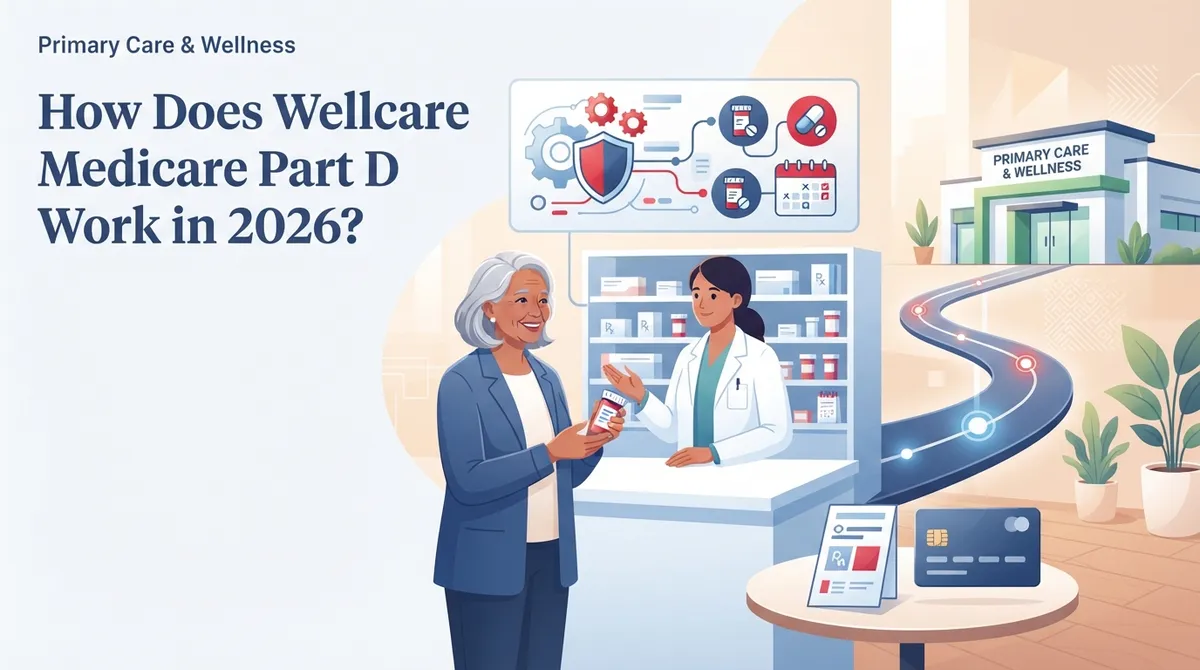
Medicare Part D is the prescription drug benefit within Medicare. Private insurance companies offer it, and Wellcare is one of them. Wellcare Medicare Part D plans help pay for covered outpatient prescription drugs, such as medications you pick up at a retail pharmacy or receive by mail.
Wellcare offers standalone PDPs. These plans pair with Original Medicare (Parts A and B). They are different from Medicare Advantage plans, which often bundle drug coverage with medical coverage.
For 2026, Wellcare's PDP options include plans such as Wellcare Value Script and Wellcare Classic. Premiums, deductibles, copays, and covered drugs differ by plan and service area. Always check the current plan documents and the Medicare Plan Finder for your ZIP code before you enroll.
Who Should Consider a Standalone Drug Plan?
A standalone PDP may fit you if you meet one or more of these conditions:
- You have Original Medicare and need prescription coverage.
- You take several maintenance medications each month.
- You want to keep your current doctors without network limits tied to a Medicare Advantage plan.
- You want mail-order options for long-term prescriptions.
How Do Formularies and Drug Tiers Affect Your Costs?
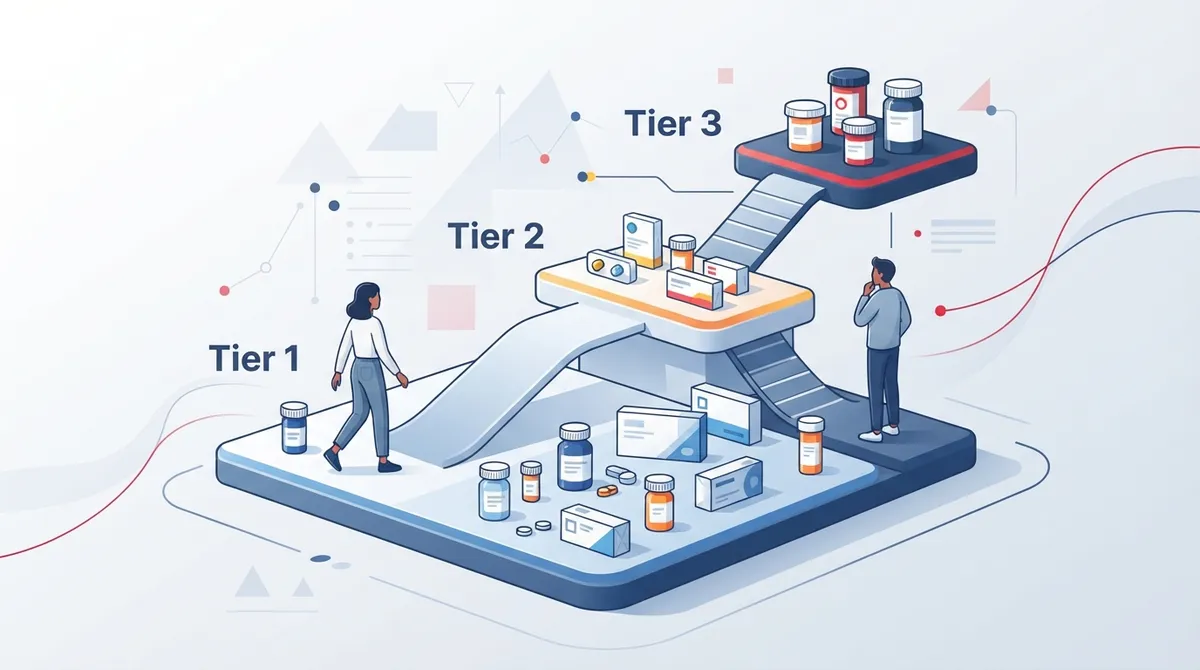
Every Wellcare Part D plan uses a formulary. A formulary is a list of covered medicines. Drugs are sorted into tiers, and each tier has its own cost sharing. Generally, lower tiers cost less, and higher tiers cost more.
Your cost for a drug depends on several factors:
- The drug's tier. Generic drugs usually sit in lower tiers, while brand-name and specialty drugs sit in higher tiers.
- Utilization rules. Some drugs need prior authorization or step therapy before the plan pays.
- Your pharmacy. Preferred network pharmacies may offer lower cost sharing than standard network pharmacies.
- Your plan and year. Formularies can change from one year to the next.
This is why a drug's name alone does not tell you if it is covered. Do not assume coverage based on last year's list. Check the current formulary each year, ideally before the open enrollment period.
Common Utilization Rules Explained
|
Rule |
What It Means |
What You Can Do |
|---|---|---|
|
Prior Authorization |
The plan must approve the drug before it pays. |
Ask your doctor to submit supporting medical details. |
|
Step Therapy |
You try a lower-cost drug first. |
Discuss covered alternatives with your prescriber. |
|
Quantity Limits |
The plan limits how much you can get at once. |
Ask your doctor if a dose change or exception request makes sense. |
What Changed in Medicare Part D for 2026?
The Part D benefit now has stronger cost protections. According to the Centers for Medicare & Medicaid Services (CMS), the 2026 rules include a $615 deductible limit and a $2,100 annual out-of-pocket threshold for covered Part D drugs. You can review the details on the CMS Part D redesign fact sheet.
Here is a simple overview of how the benefit works in 2026:
|
Benefit Stage |
What Happens |
|---|---|
|
Deductible |
You pay the full cost of covered drugs until you reach your plan's deductible, which cannot exceed $615. |
|
Initial coverage |
The standard coinsurance is 25% for covered drugs, subject to plan-specific benefit design. |
|
Catastrophic coverage |
After you reach $2,100 in qualifying out-of-pocket spending, you pay $0 for covered Part D drugs for the rest of the year. |
Wellcare's 2026 plan materials describe the same $2,100 threshold. Keep in mind that monthly premiums and drugs not covered by Part D do not count toward that limit in the same way. Review your plan's Summary of Benefits and Annual Notice of Change for exact figures.
Why This Matters for Chronic Conditions
If you manage a long-term condition, your yearly drug spending can add up fast. The $2,100 cap gives you a clear ceiling on what you can pay for covered medications. That makes budgeting easier for patients with diabetes, heart disease, COPD, or other conditions that need ongoing treatment.
How Do Pharmacies and Mail Delivery Work?
Wellcare says its pharmacy network includes national chains, regional grocery stores, and independent pharmacies. Not every pharmacy is in-network for every plan. Preferred pharmacies may offer lower costs, but this depends on your specific plan and year.
Wellcare also offers 90-day medication home delivery through Express Scripts Pharmacy. Its plan materials describe $0 copays for certain Tier 1 generics at preferred pharmacies. Actual costs depend on your plan, the drug, the pharmacy, and benefit rules. Confirm these details in your member documents.
Use this short checklist before you fill a prescription:
- Confirm that your pharmacy is in-network for your plan.
- Check whether it is a preferred pharmacy.
- Ask if a 90-day supply is available and if it lowers your cost.
- Look at mail-order delivery for maintenance medications.
- Verify the drug's tier and any utilization rules.
How Can You Check If Your Medication Is Covered?
Checking coverage takes only a few minutes. Follow these steps:
- Make a full medication list. Include prescriptions, doses, and how often you take each one.
- Find your plan's current formulary. Use the Wellcare website or your member portal.
- Search each drug by name. Note its tier and any restrictions.
- Check your pharmacy status. Confirm it is in-network and whether it is preferred.
- Use Medicare Plan Finder. Compare estimated annual costs across plans in your ZIP code.
- Call Wellcare or Medicare if anything is unclear.
You can also read the plan's official Prescription Drug Plan page for current plan options and tools.
What If a Drug Is Denied or Not Covered?
A denial does not always end the conversation. You have options:
- Ask for a formulary exception. Your doctor can explain why you need a specific drug.
- Request a tiering exception. This may lower your cost for a covered drug in a higher tier.
- File an appeal. If the plan denies coverage, you can ask for a review.
- Talk to your prescriber about alternatives. A covered drug in the same class may work well for you.
Your primary care provider plays a key role here. A clear note from your doctor about why a medication is medically necessary often strengthens an exception request.
How Can Primary Care Help You Use Your Drug Plan Well?
Your drug plan and your doctor should work as a team. A strong primary care relationship can help you avoid surprise costs and gaps in treatment. Here are practical ways your care team can support you:
- Medication reconciliation. Your provider reviews every medicine you take, including supplements, to prevent duplicates and interactions.
- Annual formulary checks. During your yearly visit, your team can help you review whether your drugs are still covered and at what tier.
- Covered alternatives. If a drug becomes costly or restricted, your doctor can discuss similar options.
- Refill planning. Aligning refill dates and using 90-day supplies can reduce trips and costs.
- Prior authorization support. Your office can help submit the needed documents.
Providers should not guess about coverage. They should direct patients to Wellcare or Medicare for plan-specific coverage decisions. Still, a good primary care team makes the process far less stressful.
At InCare, our team focuses on prevention and whole-body care at our Tampa and Riverview locations. If you want help managing your medications, you can read our prescription management tips for 2026 to build better habits. You can also learn what Medicare covers for seniors in primary care to understand how your benefits fit together.
When Can You Enroll in or Change a Wellcare Part D Plan?
Timing matters with Medicare. Common enrollment windows include:
|
Enrollment Period |
Typical Timing |
Purpose |
|---|---|---|
|
Initial Enrollment Period |
Around your 65th birthday |
First chance to join a drug plan |
|
Annual Enrollment Period |
October 15 to December 7 |
Join, switch, or drop plans for the next year |
|
Special Enrollment Period |
After qualifying life events |
Change plans if you move or lose other coverage |
Missing your enrollment window can lead to a late enrollment penalty if you go without creditable drug coverage. Review the Wellcare Medicare basics guide and confirm your eligibility dates with Medicare or Wellcare.
Tips to Lower Your Prescription Costs
Small habits can lead to real savings. Try these steps:
- Ask your doctor if a generic version of your medicine exists.
- Use preferred pharmacies when possible.
- Choose 90-day supplies for stable, long-term medications.
- Review your plan every fall during open enrollment.
- Keep your medication list updated and share it at every visit.
Preventive care can also reduce long-term drug needs. Services such as blood pressure management, diabetes care, and weight management may help you stay healthier over time. If you are exploring ways to improve your overall health, our guide on blood pressure management strategies offers helpful starting points.
Find Care That Fits Your Medicare Plan
Picking a drug plan is only part of the picture. You also need a primary care team that listens, explains your options, and helps you stay on track. InCare combines modern technology with personal attention, so you get clear answers and a plan that fits your life. You can see what patients say by checking our reviews on Google: Visit us on Google — InCare.
You can also follow our health tips and updates on Facebook, Instagram, and TikTok.
Conclusion
Wellcare Medicare Part D offers standalone prescription drug plans with formularies, preferred pharmacies, and 90-day mail delivery options. In 2026, the $615 deductible limit and $2,100 out-of-pocket threshold give Medicare members stronger protection against high drug costs. Still, your actual costs depend on your plan, your drugs, and your pharmacy.
The best approach is simple. Review your formulary each year, confirm your pharmacy status, and work with your primary care team to manage your medications. A trusted provider can help you spot problems early and keep your treatment on track.
Ready to build a care plan that supports your health and your budget? Book Now to meet the InCare team in Tampa or Riverview, or contact us with your questions today.
FAQs
Q: What does Wellcare Medicare Part D cover?
A: Wellcare Medicare Part D covers outpatient prescription drugs listed on your plan's formulary. Coverage, tiers, and costs vary by plan and location, so review your plan documents and the Medicare Plan Finder before enrolling.
Q: How much is the Part D deductible and out-of-pocket limit in 2026?
A: For 2026, Medicare Part D has a $615 deductible limit and a $2,100 annual out-of-pocket threshold for covered drugs. After you reach the threshold, you pay $0 for covered Part D drugs for the rest of the calendar year.
Q: Can I get a 90-day prescription supply through Wellcare?
A: Wellcare offers 90-day medication home delivery through Express Scripts Pharmacy. Its materials describe $0 copays for certain Tier 1 generics at preferred pharmacies, but your actual cost depends on your plan, drug, and pharmacy.
Q: What should I do if Wellcare denies a medication?
A: You can request a formulary or tiering exception, or file an appeal. Ask your doctor to provide a statement explaining why the drug is medically necessary, and discuss covered alternatives if needed.
Q: When can I enroll in or change a Wellcare Part D plan?
A: You can enroll during your Initial Enrollment Period, the Annual Enrollment Period from October 15 to December 7, or a Special Enrollment Period after a qualifying event. Confirm your eligibility dates with Medicare or Wellcare.


