
Key Takeaways
- Verify your doctor is in-network before enrolling by calling both your insurer and clinic with your exact plan ID, as provider directories change and out-of-network care typically isn't covered.
- Compare total HMO costs beyond premiums by analyzing deductibles, copayments, coinsurance, and out-of-pocket maximums to accurately estimate your annual expenses.
- Choose an HMO primary care clinic that offers same-day/next-day appointments, online scheduling, and digital tools to maximize the benefits of coordinated care.
- Understand that HMO specialist visits usually require a referral from your primary care provider, so confirm referral rules before booking to avoid coverage issues.
- HMOs work best for busy families, young adults valuing prevention, and wellness-focused professionals who benefit from coordinated care through one trusted primary provider.
- Only 12% of employer-covered workers have HMOs versus 46% with PPOs, giving most employees a choice—compare your available options based on your actual healthcare usage patterns, not just the plan label.
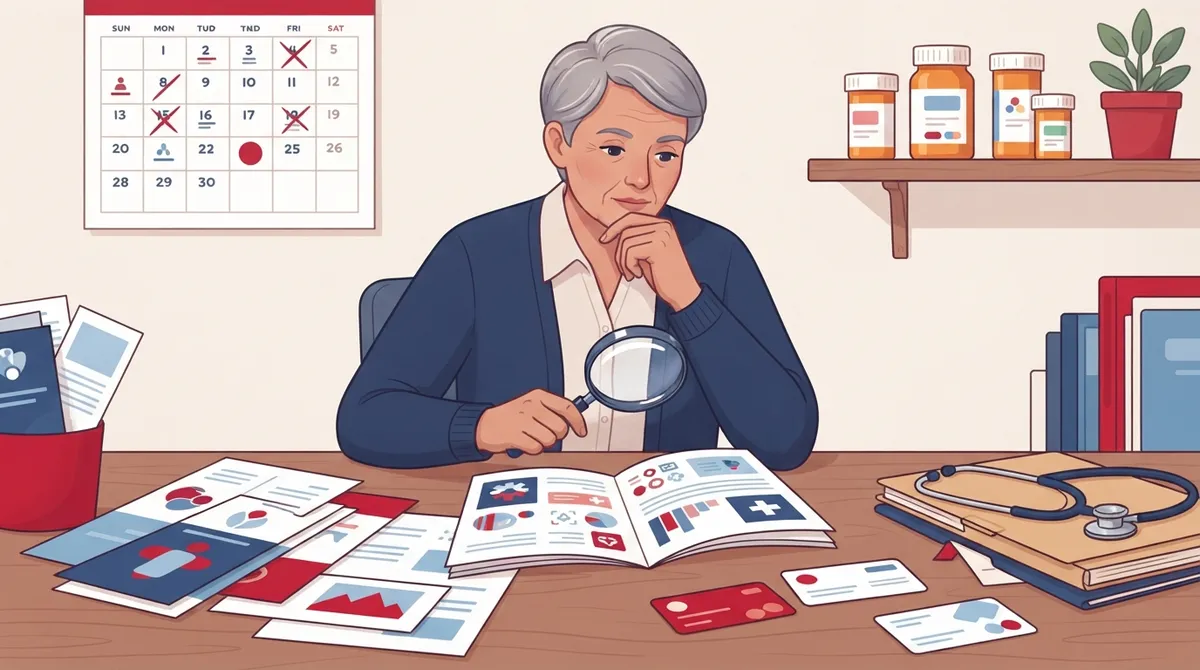
Choosing a health plan is one of the most important choices you will make for your family. Many people pick a plan based on price alone. Then they discover rules about doctors, referrals, and networks that they never expected. If you are comparing a medical insurance HMO, it helps to know how this plan type works before you enroll.
A health maintenance organization, or HMO, is built around coordinated care. You usually pick a primary care provider who guides your preventive visits, manages ongoing conditions, and refers you to specialists when needed. For busy professionals, young families, and wellness-minded adults in Tampa Bay, this structure can bring real benefits. It can also bring limits that are worth understanding in 2026.
This guide explains what an HMO is, how it connects to primary care, what it costs, and how to confirm your doctor is covered. You will also see how to compare an HMO with other plan types. Plan rules vary, so always verify details with your insurer and your clinic.

What Is a Medical Insurance HMO?
A medical insurance HMO is a health plan that limits non-emergency care to doctors, hospitals, and other providers in its contracted network. If you go outside that network for routine care, the plan usually does not pay. You may be responsible for the full bill.
The idea behind an HMO is simple. The plan works with a set group of providers and focuses on keeping care organized. In return, members often get lower premiums or predictable copayments. Many plans also emphasize prevention and wellness.
Key Features of Most HMO Plans
- Network-based coverage: Non-emergency care must usually come from in-network providers.
- Primary care provider (PCP): You choose one clinician to coordinate your care.
- Referrals: You may need a referral from your PCP before seeing a specialist.
- Emphasis on prevention: Many plans cover annual visits and screenings.
- Emergency exception: Emergency care is generally treated differently from routine care.
Rules differ from plan to plan. Review your plan documents before booking specialist care.

How Does an HMO Work With Your Primary Care Doctor?
Your PCP is the center of an HMO. This doctor gets to know your history, your risks, and your goals. When you need a specialist, your PCP helps decide who you should see and why.
This model can improve continuity. One clinician sees the full picture, including your medications, lab results, and past visits. That matters for people managing blood pressure, diabetes, weight, or other long-term conditions. You can learn more about this approach in our guide on how primary doctors help manage chronic illnesses.
What Coordinated Care Looks Like
- You choose a PCP who is in your plan's network.
- You schedule a new patient visit and a wellness exam.
- Your PCP orders screenings and labs based on your age and risk.
- If you need a specialist, your PCP submits a referral when required.
- Your PCP reviews specialist notes and updates your care plan.
This process works best when your PCP is accessible and your clinic uses modern tools. Same-day visits, virtual appointments, and on-site testing make coordinated care much easier. To see how a strong primary care relationship works, read what comprehensive primary care is and why it matters.
HMO vs. PPO vs. POS: What Is the Difference?
Plan names can be confusing. The table below compares the most common plan types in simple terms. Details differ by insurer, so treat this as a general guide.
|
Feature |
HMO |
PPO |
POS |
|---|---|---|---|
|
Network rules |
In-network only for most non-emergency care |
In-network and out-of-network allowed |
Mostly in-network, some out-of-network at higher cost |
|
Primary care provider |
Usually required |
Usually not required |
Usually required |
|
Specialist referrals |
Often required |
Usually not required |
Often required |
|
Out-of-network coverage |
Generally none, except emergencies |
Yes, at higher cost |
Limited, at higher cost |
|
Best for |
People who want coordinated care and clear rules |
People who want maximum provider choice |
People who want a blend of both |
Some plans offer an HMO point-of-service option. It may cover certain out-of-network services at a higher cost. Do not assume this applies to a standard HMO. Verify the benefit and any authorization rules first.
How Common Are HMO Plans?
HMOs are a smaller share of employer coverage than many people think. In the KFF 2025 Employer Health Benefits Survey, 12% of covered workers were enrolled in an HMO. About 46% were in PPOs, 33% were in high-deductible plans with a savings option, and 9% were in POS plans.
This means many workers have a choice. If your employer offers more than one plan, take time to compare. The right plan depends on how you use care, not on a label.
What Does an HMO Really Cost?
Premiums are only one part of the picture. A plan with a lower monthly premium can still cost more if the copays, deductible, or prescription costs are high. KFF reported 2025 average annual employer-sponsored premiums of $9,325 for single coverage and $26,993 for family coverage. These are all-plan averages, not HMO-specific numbers.
KFF also reported that premiums rose 5% for single coverage and 6% for family coverage from 2024 to 2025. Workers paid an average of $1,440 per year toward single coverage and $6,850 toward family coverage. Again, these figures cover all plan types.
Costs to Compare Before You Enroll
- Monthly premium: What you pay to keep the plan active.
- Deductible: What you pay before the plan starts sharing costs.
- Copayments: Flat fees for visits, labs, and prescriptions.
- Coinsurance: Your percentage share after the deductible.
- Out-of-pocket maximum: The most you pay in a year for covered care.
- Prescription coverage: Which drugs are covered and at what tier.
Ask for a summary of benefits. Then estimate your own use. Think about how many primary care visits, screenings, and prescriptions you expect in a year.
Pros and Cons of an HMO for Primary Care and Wellness
No plan fits everyone. An HMO can be a strong choice for some people and a poor fit for others. This table gives a quick view of both sides.
|
Potential Advantages |
Potential Trade-Offs |
|---|---|
|
Coordinated care through one PCP |
Limited coverage for non-emergency out-of-network care |
|
Emphasis on prevention and wellness |
Referral requirements for specialists in many plans |
|
Predictable copayments in many plans |
Smaller provider network than some other plan types |
|
Clear rules about where to get care |
Service area limits may affect travel or relocation |
The value of an HMO depends on local access. If your preferred clinic is in-network and offers timely appointments, the experience can be smooth. If not, the rules can feel restrictive.
How Do Emergencies and Urgent Needs Work?
Emergency care is generally an exception to HMO network rules. Federal consumer guidance describes protections for emergency room access. Your cost share and coverage details still depend on your plan and applicable rules.
Urgent care is different from an emergency. A sore throat, a minor injury, or a flu-like illness may not need an ER. Check whether your plan covers urgent care visits and which locations are in-network. Many patients save time and money by choosing an urgent care clinic for common illnesses. Learn more in 8 reasons urgent care at InCare beats the ER in 2026.
How Can You Check If Your Doctor Accepts Your HMO?
Provider directories can change. A doctor listed last year may no longer be in your network. Confirming coverage before your first visit prevents surprise bills.
A Simple Verification Process
- Search the insurer's online provider directory for your doctor and clinic.
- Call the member services number on your insurance card to confirm network status.
- Call the clinic and ask if they accept your exact plan name and plan ID.
- Ask if the clinic is currently accepting new patients.
- Confirm that labs, imaging, and any on-site services are covered in-network.
- Write down the date, the name of the person you spoke with, and what they said.
You should also check your hospital, pharmacy, and any specialists you may need. For more help, see how to find doctors accepting new patients near you.
What Should You Look for in an HMO Primary Care Clinic?
Your plan sets the rules, but your clinic shapes the experience. A good primary care practice makes an HMO easier to use. It helps you get appointments, understand referrals, and stay on top of prevention.
- Access: Same-day or next-day appointments and virtual visits.
- Technology: Online scheduling, test results, and secure messaging.
- Prevention focus: Annual wellness visits, cancer screenings, and risk assessments.
- Clear communication: Staff who explain referrals and coverage in plain language.
- Whole-person care: Support for weight, metabolism, and long-term health goals.
Our article on 7 signs you've found the right primary care practice offers a helpful checklist. You can also review what happens during an annual wellness visit so you know what to expect.
Who Benefits Most From an HMO?
An HMO can suit many types of patients. Here are a few common examples.
Busy Young Families
Families often want predictable costs and one trusted clinic for everyone. An HMO with a strong family practice can keep checkups, vaccines, and sick visits in one place. Our guide to family primary care explains why this matters.
Tech-Savvy Millennials and Gen Z Adults
If you value virtual visits and digital tools, look for an in-network clinic that offers telemedicine. Many younger adults skip a regular doctor. An HMO nudges you to build a relationship that supports prevention.
Wellness-Focused Professionals and Women Building Care
If you want screenings, metabolic testing, or personalized wellness plans, ask which services your plan covers. Some advanced wellness services may be self-pay. Knowing this ahead of time helps you budget.
Common HMO Mistakes to Avoid
- Skipping the network check: Assuming your doctor is covered without confirming.
- Ignoring referral rules: Booking a specialist without the required referral.
- Focusing only on premium: Overlooking copays, deductibles, and drug costs.
- Forgetting service area limits: Not checking coverage when you travel or move.
- Waiting too long to start care: Missing preventive visits that your plan already covers.
You can avoid most of these by reading your plan documents and asking questions early. A little preparation saves time and money.
Why Choose InCare for HMO Primary Care in Tampa Bay?
InCare is a personalized primary care and wellness clinic with locations in Tampa and Riverview, Florida. The team combines modern technology with medical expertise to deliver preventive, whole-body care. Patients can access primary care, urgent care, cancer screenings, weight loss programs, DNA gene testing, and more in one trusted setting.
Patients often tell us they value the friendly staff and the time providers spend listening. InCare holds a 4.8 out of 5 rating on Google. You can visit us on Google — InCare to read patient reviews. Meet the clinicians on our providers page and see both locations.
Plan acceptance can change, so contact our team to confirm that your specific HMO is accepted before your visit. We follow InCare on Facebook and Instagram for health tips and clinic updates. You can also see short wellness videos on TikTok.
Conclusion: Make Your HMO Work for Your Health
A medical insurance HMO can be a smart choice when you want coordinated care, clear rules, and a strong focus on prevention. The key is to match the plan with the right primary care clinic. Confirm your network, understand your referral rules, and compare the full cost of coverage, not just the premium.
Once your plan is in place, use it. Schedule your wellness visit, complete recommended screenings, and build a lasting relationship with your PCP. That is where an HMO delivers its greatest value.
Ready to find out how your plan fits with a personalized primary care team? Book Now to schedule a visit, or contact our team with questions about coverage at our Tampa and Riverview locations.
FAQs
Q: What is an HMO medical insurance plan?
A: An HMO is a health plan that generally limits non-emergency care to doctors, hospitals, and providers in its contracted network. Members usually choose a primary care provider who coordinates preventive care and specialist referrals. Plan rules, costs, and networks vary, so verify details with your insurer.
Q: Do I need a referral to see a specialist with an HMO?
A: Many HMO plans require a referral from your primary care provider before you see a specialist. Referral rules vary by plan. Check your plan documents or call member services before booking specialist care.
Q: Can I see a doctor outside my HMO network?
A: For non-emergency care, a standard HMO usually does not cover out-of-network doctors, so you may owe the full bill. Emergency care is generally treated as an exception. Some plans offer a point-of-service option with limited out-of-network coverage at a higher cost.
Q: How can I check whether my primary care doctor accepts my HMO?
A: Search your insurer's provider directory, then call both the insurer and the clinic to confirm network status and that the doctor is accepting new patients. Directories can change, so confirming with both sources is the safest approach. Ask for your exact plan name and plan ID when you call.
Q: What is the difference between an HMO and a PPO?
A: An HMO typically requires you to use in-network providers and choose a primary care provider, while a PPO allows out-of-network care at a higher cost and usually does not require referrals. HMOs often emphasize coordination and prevention. PPOs offer more provider choice and flexibility.