

Key Takeaways
- KPV lacks FDA approval and has no registered human clinical trials; all current knowledge comes from preclinical lab and animal studies, not proven human safety or efficacy data.
- All five administration methods (oral, subcutaneous, topical, intranasal, rectal) discussed online lack validated human dosing, absorption rates, and safety profiles—community-shared doses like 200-500 micrograms are unverified.
- Unregulated online KPV products carry serious risks including contamination, impurity, sterile injection concerns, and unknown drug interactions that require consultation with a licensed provider before use.
- Before considering any peptide therapy, consult a licensed provider, verify FDA status, request evidence-based alternatives, and avoid self-sourcing from unregulated online sellers.
Peptide therapies have become a hot topic in wellness circles, and KPV is one name that keeps coming up. People ask about pills, injections, creams, and nasal sprays. But here's the truth: KPV administration methods are not backed by solid human research. This article breaks down what science actually knows, what remains unproven, and why talking to a licensed provider matters more than any online protocol.
If you have read about KPV on wellness forums or social media, you may have seen bold claims about gut healing or reduced inflammation. Before trying any peptide, it helps to understand where the evidence stands. At InCare, our providers in Tampa and Riverview focus on helping patients make informed, safe choices about emerging wellness trends like this one.
What Is KPV and Why Does It Matter?
KPV stands for Lys-Pro-Val. It is a small piece, called a tripeptide, of a larger hormone known as alpha-melanocyte-stimulating hormone (α-MSH). Researchers have studied this fragment for its possible anti-inflammatory and immune-calming effects.
Most of what we know comes from lab dishes and animal studies, not people. This distinction matters a lot. A result in a mouse does not guarantee the same result, or the same safety, in a human body.
- KPV is a fragment derived from α-MSH, a hormone involved in inflammation control.
- Early research has focused on gut inflammation models, including colitis in animals.
- No registered human clinical trials (Phase 1, 2, or 3) have been identified for KPV.
- KPV is not approved by the FDA for any medical use.
- There are no official dosing charts or treatment schedules backed by regulators.

Why Do People Ask About KPV Administration Methods?
Interest in KPV mirrors a broader trend in wellness: people want natural-sounding solutions for gut health, inflammation, and immune balance. Peptide therapy has grown popular alongside programs like medical weight loss and DNA gene testing, which use science-backed tools to personalize care.
But KPV is different. It sits in a gray area of research chemicals, not approved medicine. That means marketing claims often move faster than actual proof. Understanding the different methods people discuss can help you ask smarter questions during a medical visit.
1. Oral Administration
Oral delivery is the method most closely tied to lab research. Some studies suggest KPV may interact with a gut transporter called PepT1, which helps carry small peptides across the intestinal wall.
Even so, human absorption rates, how long it stays active, and how the body breaks it down are unknown. Animal studies using drinking-water doses cannot be directly translated into a safe human dose.
2. Subcutaneous Injection
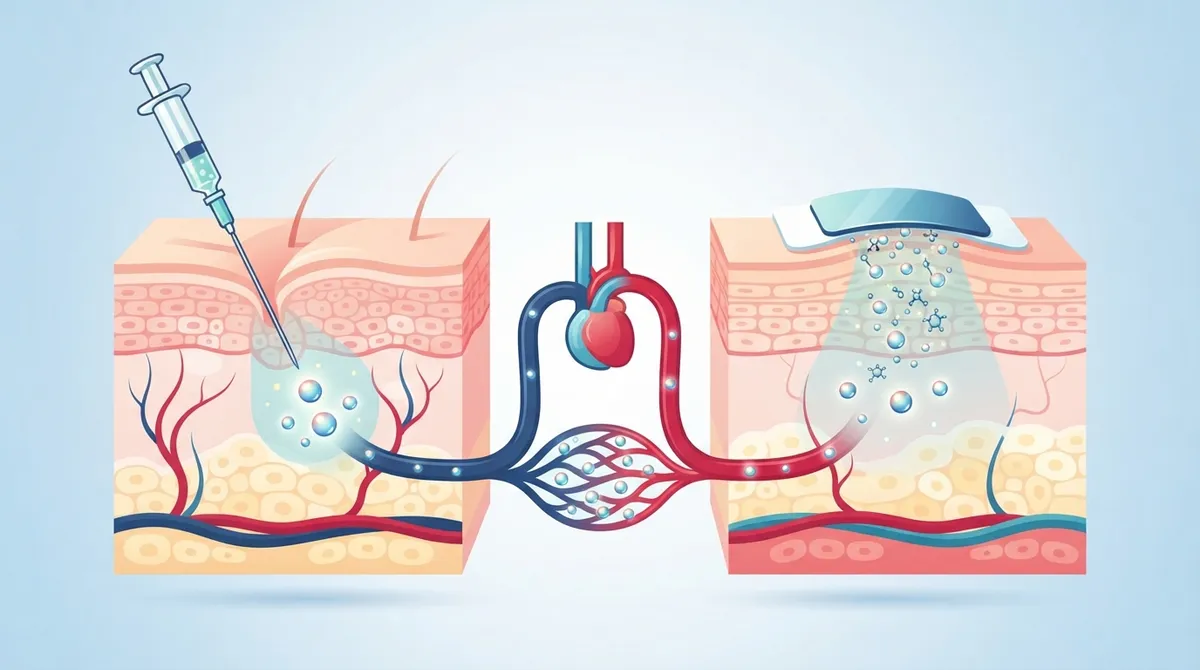
This method involves injecting KPV just under the skin. It shows up often in peptide-compounding conversations, with community dosing figures ranging from about 200 to 500 micrograms.
These numbers are not clinically validated. There is no confirmed human pharmacokinetic profile, meaning we do not know how the body absorbs, uses, or clears the peptide after injection.
3. Topical and Transdermal Use
Some wellness products market KPV creams or gels for localized skin concerns. The idea is appealing, since topical treatments feel less invasive than injections.
However, there is no meaningful clinical evidence showing that KPV penetrates skin effectively or produces a measurable effect in humans.
4. Intranasal Sprays
Nasal sprays are sometimes proposed as a faster route into the bloodstream. This idea borrows from how certain approved medications use nasal delivery.
For KPV, though, this remains theoretical. No published human trials confirm nasal absorption, safety, or effective dosing.
5. Rectal Formulations
Rectal delivery is occasionally discussed for gut-related applications, based loosely on colitis research in animals. This route has the least public information available and carries added concerns about product sterility and correct use.
Comparing KPV Administration Methods
The table below summarizes what is known, and more importantly, what is not known, about each method discussed in wellness circles.
|
Method |
Research Basis |
Human Data |
Key Concerns |
|---|---|---|---|
|
Oral |
Preclinical gut/colitis studies |
Not established |
Unknown absorption, unverified dosing |
|
Subcutaneous injection |
Anecdotal, compounding community |
None validated |
Sterility, purity, injection technique |
|
Topical |
Marketing claims, limited lab data |
Not established |
Unclear skin penetration |
|
Intranasal |
Theoretical, borrowed from other peptides |
Not established |
No safety or dosing data |
|
Rectal |
Animal colitis models |
Not established |
Sterility and correct use unclear |
Why Human Evidence Is Still Missing
It is worth repeating: no registered Phase 1, 2, or 3 clinical trial for KPV has been found in current research summaries. This means scientists have not tested KPV in controlled human studies for safety or effectiveness.
Without this kind of research, we cannot say:
- How much KPV is safe for an average adult
- How the body absorbs and processes it over time
- Whether it interacts with other medications
- If it is safe during pregnancy, for children, or for older adults
- What side effects might appear with regular use
Steps to Take Before Considering Any Peptide Therapy
If you are curious about KPV or similar compounds, following a careful process protects your health. Here is a simple sequence to follow:
- Research the current evidence level for the peptide, distinguishing lab studies from human trials.
- Schedule a visit with a licensed primary care provider to discuss your health history and goals.
- Ask direct questions about FDA approval status and known risks.
- Request lab work or screenings if inflammation or gut issues are your main concern.
- Avoid self-sourcing injectable products from unregulated online sellers.
- Discuss safer, evidence-based alternatives, such as approved anti-inflammatory treatments or nutrition changes.
- Follow up regularly to monitor any new treatment plan.
Potential Risks Worth Understanding
Because KPV lacks FDA approval and formal safety data, several concerns deserve attention before anyone considers trying it.
- Product purity and identity cannot always be confirmed from online sellers.
- Injectable versions may not be sterile, raising infection risk.
- Contamination and inconsistent dosing are common issues with unregulated peptides.
- Immune reactions are possible but not well studied.
- Drug interactions remain largely unknown.
- Safety in pregnancy, childhood, and chronic illness has not been established.
The absence of reported problems in small, informal use does not prove something is safe. It simply means large, well-designed studies have not yet been done.
How InCare Approaches Emerging Wellness Trends
At InCare, our team stays current on wellness trends while prioritizing patient safety above all else. Whether you are interested in gut health, inflammation management, or general wellness optimization, our providers in Tampa and Riverview can walk you through what is backed by science and what still needs more research.
We also offer services with stronger clinical support, including IV hydration and vitamin therapy, body composition analysis, and comprehensive cancer screening options. These services give you measurable, evidence-supported ways to invest in your health today.
Questions to Ask Your Provider About Peptide Therapy
A good conversation with your doctor can prevent costly mistakes. Consider asking:
- Is this peptide approved by the FDA for any use?
- What does current research say about safety in humans?
- Are there proven alternatives that address the same health concern?
- How would this interact with medications I already take?
- What signs of a reaction should I watch for?
Staying Informed and Connected
Wellness trends move quickly, and staying informed helps you avoid unnecessary risks. Our team shares educational updates on Facebook and Instagram, and you can also find quick tips on Tik Tok. Following credible sources, rather than anonymous forums, is one of the best ways to protect yourself.
Many patients also check Visit us on Google — InCare to see real reviews from people in Tampa and Riverview before booking their first appointment. Reading firsthand experiences can help set expectations for what a visit with our team looks like.
Why a Licensed Provider Should Guide Your Decisions
Self-treating with unregulated peptides carries real risk. A licensed provider can review your full health picture, order proper testing, and recommend treatments supported by research. This is especially important if you already manage a chronic condition or take prescription medication.
Our team of providers includes physicians experienced in whole-body wellness, from routine primary care to advanced screenings. This kind of guidance protects you from wasted money and unnecessary health risks.
Final Thoughts on KPV Administration Methods
KPV remains an interesting subject in early-stage research, but it is not a proven treatment. Oral, injectable, topical, nasal, and rectal methods are all discussed online, yet none have solid human safety data behind them. Making decisions based on preclinical studies alone can lead to real harm.
If you want to explore inflammation management, gut health, or general wellness improvements safely, our team is ready to help. You can reach out to our care team with your questions, or go ahead and schedule your visit today at one of our Tampa or Riverview locations. Making informed choices starts with a conversation, and we are here to help you have it.
FAQs
Q: What is KPV peptide and what is it used for?
A: KPV, or Lys-Pro-Val, is a small fragment of a hormone called alpha-MSH. Researchers have studied it in labs and animals for possible anti-inflammatory effects, but it has no approved human use.
Q: Is oral KPV more appropriate than subcutaneous KPV for gut issues?
A: Oral delivery is more closely linked to gut-focused research, since scientists have studied it in intestinal inflammation models. However, human absorption and dosing remain unconfirmed for both oral and subcutaneous routes.
Q: Is KPV FDA-approved or available by prescription?
A: No. KPV is not FDA-approved for any medical condition and has no official prescribing guidelines. It should not be treated as a proven medical therapy.
Q: What is a safe human dose of KPV?
A: There is no established safe human dose. Figures shared online, such as 200 to 500 micrograms for injections, come from informal use rather than clinical research.
Q: Are KPV injections safe, and how should injectable products be prepared?
A: Injectable KPV carries risks including contamination, impurity, and lack of sterility since it is not regulated like approved medications. Anyone considering an injectable peptide should speak with a licensed provider first rather than self-inject.