Most people visit a doctor only when something feels wrong. But the real value of a primary care doctor shows up long before symptoms appear. Disease prevention is the quiet, ongoing work that happens during routine checkups, blood pressure checks, and simple conversations about your daily habits. In 2026, primary care teams use better tools than ever to catch problems early, from advanced screening technology to personalized risk assessments based on your genetics and lifestyle.
Whether you are a busy parent juggling family checkups, a young professional who has never had a regular doctor, or someone focused on optimizing long-term health, understanding how prevention works can change how you approach your own care. This guide breaks down exactly what primary care doctors do to stop disease before it starts, backed by current guidelines from national health authorities.
What Does Disease Prevention Actually Mean in Primary Care?
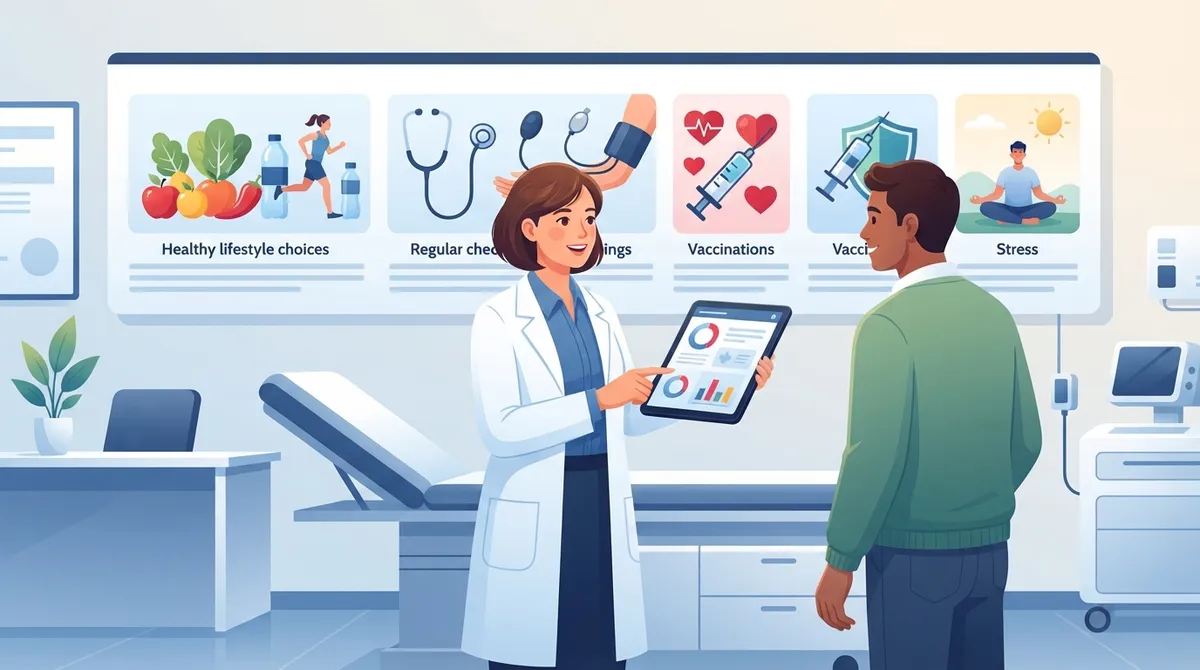
Disease prevention is not just about avoiding illness. It covers two related goals. The first is stopping disease before it ever develops. The second is finding hidden risk factors or early-stage disease before symptoms show up. Both approaches rely on your primary care doctor knowing your full health picture.
The U.S. Preventive Services Task Force (USPSTF) reviews scientific evidence and issues recommendations for services that primary care teams can deliver directly. These cover more than a dozen health categories, including heart disease, cancer, infections, mental health, and pregnancy care. A trusted primary care provider uses these guidelines as a starting point, then adjusts based on your personal situation.
Prevention Is Personal, Not One-Size-Fits-All
Two patients of the same age might need completely different screening schedules. Your doctor looks at several factors before recommending tests or vaccines:
- Your age, sex, and pregnancy status
- Family history of conditions like cancer, diabetes, or heart disease
- Genetic risk factors, which can be assessed through DNA gene testing
- Current medications and existing health conditions
- Lifestyle habits, including diet, exercise, and tobacco or alcohol use
- Social factors, such as access to healthy food or safe housing
This is why the same screening test recommended for one 45-year-old might not apply to another. A good doctor treats your history as the map for your prevention plan.
Core Ways Primary Care Doctors Prevent Disease
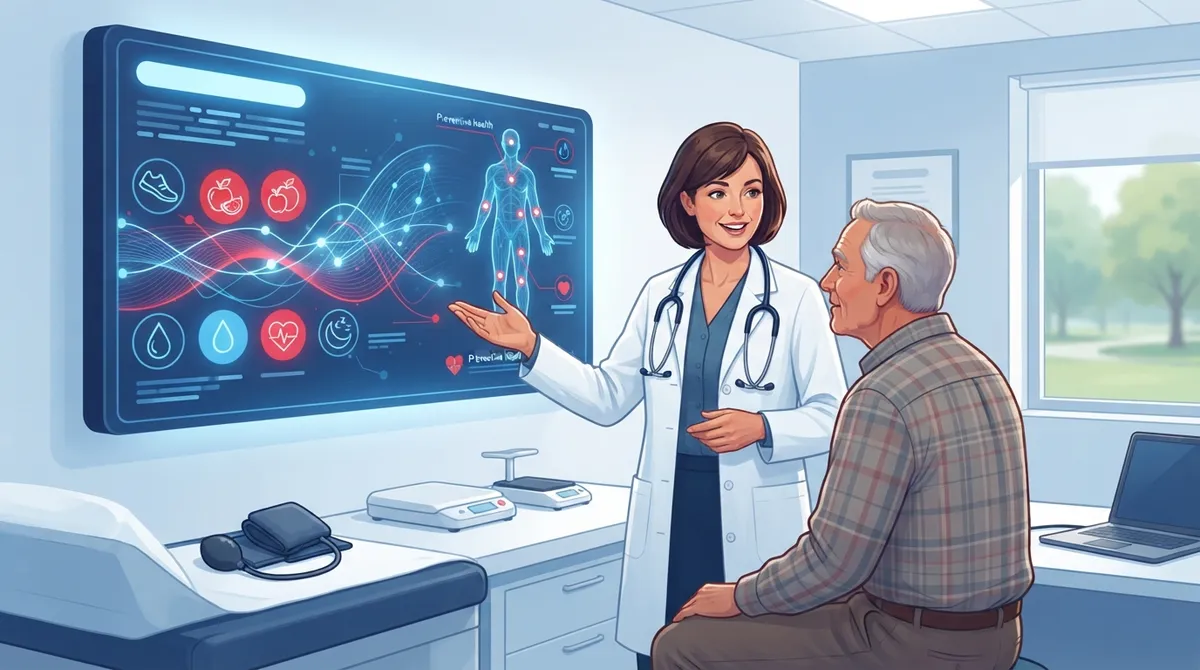
Prevention happens through several coordinated activities, not a single yearly visit. Here are the main tools your primary care team uses.
1. Routine Risk Assessment
Every visit is a chance to catch small warning signs. Blood pressure checks, weight tracking, and simple questionnaires help identify risks for heart disease, diabetes, and other chronic conditions long before they cause symptoms.
2. Evidence-Based Screening Tests
Screenings look for disease before you feel sick. The USPSTF gives each screening a letter grade based on how much benefit it provides. Services with an A or B grade are considered high priority because the evidence strongly supports their use.
|
Screening |
Who It's For |
Frequency |
|---|---|---|
|
Mammography |
Women aged 40 to 74 |
Every 2 years |
|
Osteoporosis screening |
Women 65+, or younger postmenopausal women at higher risk |
As recommended by your doctor |
|
Blood pressure check |
All adults |
Every visit |
|
Syphilis screening |
All pregnant patients |
Early in pregnancy, or at first opportunity |
|
Cholesterol and diabetes risk panel |
Adults with risk factors |
Based on individual risk |
These guidelines change as new research becomes available, so it is worth confirming your personal screening schedule with your doctor rather than relying on outdated information. Learn more about what to expect from your next visit in this guide on how to get the most out of your health screening.
3. Vaccinations
Vaccines remain one of the simplest, most effective prevention tools available. The CDC's adult immunization schedule recommends annual flu shots, Tdap during every pregnancy, and Td or Tdap boosters roughly every ten years. Depending on your age and risk factors, your doctor may also discuss COVID-19, RSV, HPV, pneumococcal, shingles, hepatitis, or MMR vaccines.
4. Behavioral Counseling
Many chronic diseases connect back to daily habits. Primary care visits often include honest conversations about:
- Nutrition and healthy eating patterns
- Physical activity levels
- Tobacco and alcohol use
- Sleep quality
- Mental health and stress management
These conversations are not about judgment. They are about giving you practical, personalized steps you can actually follow.
5. Managing Risk Factors Early
Conditions like high blood pressure, high cholesterol, obesity, and prediabetes rarely cause symptoms in their early stages. Left unchecked, they can quietly damage your heart, kidneys, and blood vessels for years. A primary care doctor identifies these risk factors early and treats them before they turn into full-blown disease. Programs like medically supervised weight loss can play a major role in reversing these trends before they become permanent.
Cancer Screening: A Cornerstone of Prevention
Early detection dramatically improves outcomes for many cancers. Your primary care doctor coordinates cancer screening based on age, sex, and family history, then refers you to specialists if something needs closer attention. This coordination matters because gaps in screening are one of the most common ways cancer goes undetected until later stages.
Addressing Social and Behavioral Risks
Modern preventive care looks beyond physical exams. The USPSTF now includes screening topics such as:
- Food insecurity
- Intimate partner violence, particularly for women of reproductive age
- Alcohol use patterns
- Breastfeeding support
- Behavioral interventions for children and teens with high BMI
These topics recognize that health is shaped by more than biology. A doctor who understands your living situation can offer more realistic, useful advice.
Why Consistency Matters More Than a Single Checkup
Prevention is not a once-a-year event. It works best as an ongoing process. Practices that use reminders, patient registries, and electronic health record prompts catch gaps in care that might otherwise slip through. If you missed a screening last year, a good system flags it instead of letting it disappear.
This is one reason why having a consistent provider matters. When your doctor already knows your history, they can spot patterns faster and follow up more effectively. Learn more about building this kind of relationship in this article on signs you've found the right primary care practice.
How InCare Approaches Prevention in Tampa and Riverview
At InCare, prevention is built into every visit, not treated as a separate service. Patients in Tampa and Riverview have access to a wide range of tools that go beyond a standard physical, including body composition analysis, metabolic breath analysis, and personalized DNA testing to understand genetic risk factors before problems develop.
This approach appeals to a wide range of patients, from busy families managing family primary care needs to individuals seeking advanced wellness clinic services like IV hydration therapy. Whatever your starting point, the goal is the same: catch problems early and build a health plan around your actual life, not a generic checklist.
Many patients also turn to social platforms to see real experiences before choosing a clinic. You can follow along on Facebook or Instagram for updates on services and wellness tips, and check out Tik Tok for quick, practical health content. You can also visit us on Google — InCare to read reviews from patients across our Tampa and Riverview locations.
What to Expect at Your Next Preventive Visit
If you are new to primary care or have not had a checkup in a while, here is a simple breakdown of what typically happens:
- Your doctor reviews your personal and family medical history
- Basic vitals are checked, including blood pressure, weight, and heart rate
- Blood work may be ordered based on your age and risk factors
- Your doctor discusses lifestyle habits like diet, exercise, and sleep
- Recommended screenings and vaccines are reviewed and scheduled
- A follow-up plan is created based on your specific results
This process becomes more efficient over time as your doctor builds a complete picture of your health. For a deeper look at this process, read about what happens during an annual wellness visit.
Take Control of Your Health Before Problems Start
Disease prevention works best when it becomes a habit, not an afterthought. Regular checkups, honest conversations, and personalized screenings give your body the best chance to stay ahead of chronic disease. Whether you need a first-time wellness visit, cancer screening, or a full prevention plan built around your genetics and lifestyle, a knowledgeable primary care team makes the difference.
Ready to build a prevention plan that actually fits your life? Book your appointment today at one of our Tampa or Riverview locations, or reach out to our team with any questions about where to start.
FAQs
Q: What does a primary care doctor do to prevent disease?
A: A primary care doctor prevents disease through routine risk assessments, evidence-based screenings, vaccinations, and behavioral counseling. They also manage early risk factors like high blood pressure, high cholesterol, and prediabetes before these conditions cause lasting damage.
Q: Which preventive screenings should I get from my primary care doctor?
A: Recommended screenings depend on your age, sex, and personal risk factors. Common examples include blood pressure checks at every visit, mammograms for women 40 to 74, and osteoporosis screening for women 65 and older. Your doctor will personalize this list based on your health history.
Q: How often should I have a primary care checkup?
A: Most adults benefit from an annual wellness visit, though some conditions may require more frequent follow-up. Consistent visits allow your doctor to track changes over time and catch problems earlier than sporadic care would allow.
Q: Can a primary care doctor help prevent diabetes and heart disease?
A: Yes. Primary care doctors assess cardiovascular and diabetes risk through blood work, lifestyle counseling, and weight management support. Early intervention on factors like prediabetes and high cholesterol significantly reduces the chance of developing full-blown disease later.
Q: How do family history and genetics change preventive care recommendations?
A: Family history and genetic risk factors can shift screening schedules earlier or make certain tests more urgent. For example, someone with a strong family history of breast cancer may need earlier or more frequent mammograms than standard guidelines suggest.