
Key Takeaways
- Hormone imbalance is not a diagnosis; symptoms like fatigue, weight change, poor sleep, and low libido have many causes, including sleep apnea, stress, anemia, depression, medications, and blood sugar problems.
- For most adults, start with a primary care clinician, who evaluates symptoms, orders targeted tests, treats common conditions, and refers to an endocrinologist when the case is complex.
- Be wary of any clinic that promises a diagnosis from symptoms alone or pushes treatment before testing; a confirmed indication should come first.
- There is no single hormone panel that answers everything; tests such as thyroid function, A1C, and reproductive hormones should be chosen based on your specific symptoms and risk factors.
- See an endocrinologist for suspected adrenal or pituitary disease, abnormal thyroid labs that persist, a thyroid nodule, or complex diabetes or calcium and bone concerns.
- The FDA states many compounded products marketed as 'bioidentical' are not FDA-approved and lack evidence of being safer than approved therapies, so discuss risks and benefits with your doctor.
Feeling tired all the time? Gaining weight for no clear reason? Sleeping poorly, struggling with mood, or noticing a drop in libido? Many people blame "hormones" and start searching for a hormone imbalance doctor in Tampa. That is a reasonable first step. But the right path matters.
"Hormone imbalance" is not a diagnosis. It is a broad phrase. The same symptoms can come from thyroid problems, blood sugar issues, poor sleep, stress, medications, or other health conditions. A good doctor looks at the full picture before naming a cause or starting any treatment.
This guide explains what kind of doctor to see, what an evaluation looks like, which tests are common, and when a specialist makes sense. It also covers menopause therapy and testosterone treatment, so you know what questions to ask. If you are in the Tampa Bay area, you will also learn how a primary care clinic can be your best starting point.

What Does "Hormone Imbalance" Really Mean?
Hormones are chemical messengers. They help control energy, metabolism, mood, sleep, growth, and reproduction. When a gland makes too much or too little of a hormone, symptoms can follow.
But the term "hormone imbalance" is often used loosely online. It can make people believe a single hormone panel will explain everything. That is rarely true. Symptoms like fatigue, weight change, poor sleep, mood swings, or low libido are not specific to hormone disorders.
Common non-hormonal causes include:
- Poor or interrupted sleep, including sleep apnea
- Chronic stress or burnout
- Anemia or vitamin deficiencies
- Depression or anxiety
- Side effects from medications
- Blood sugar problems or prediabetes
This is why a hormone imbalance doctor in Tampa should begin with your story, not a shortcut. A careful history and physical exam come first. Testing follows only when it makes sense.
Which Doctor Should You See First?
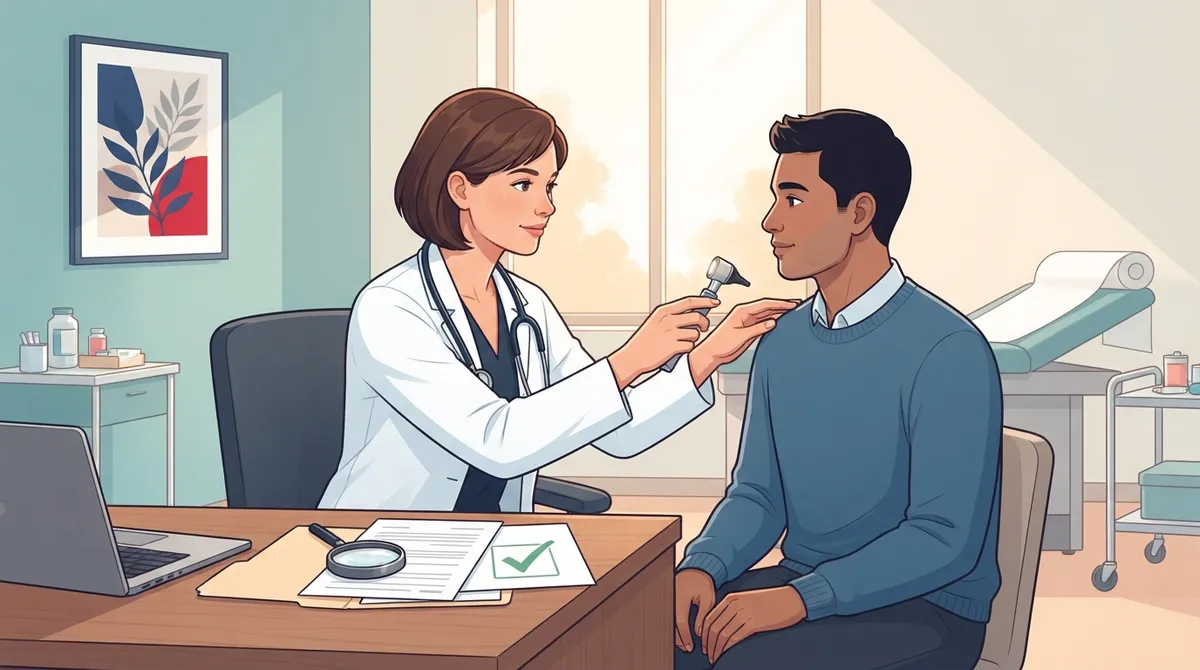
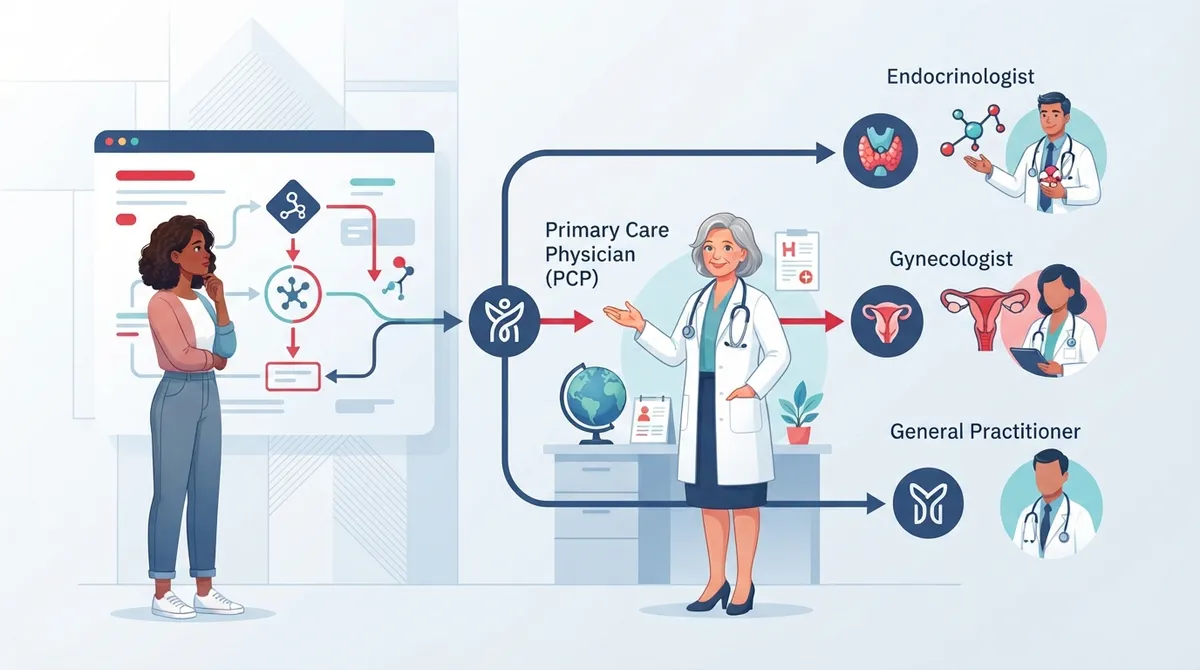
For most adults, the best first stop is a primary care clinician. Primary care providers review your symptoms, medications, medical history, and risk factors. They order targeted tests and treat common conditions. If your case is complex, they refer you to an endocrinologist or another specialist.
This is also how care often works in practice. Academic health systems, including USF Health, note that patients commonly see primary care before an endocrinology referral.
Here is a simple comparison to help you choose.
|
Type of Doctor |
Best For |
What They Do |
|---|---|---|
|
Primary care physician |
First evaluation of symptoms like fatigue, weight change, mood, sleep, or low libido |
Takes a full history, orders targeted labs, treats common conditions, and refers when needed |
|
Endocrinologist |
Confirmed or suspected gland disorders and complex hormone problems |
Diagnoses and manages thyroid, adrenal, pituitary, reproductive-hormone, and bone or calcium conditions |
|
OB/GYN |
Reproductive and gynecologic concerns |
Manages menstrual, fertility, and pregnancy-related care |
A primary care clinic can also look at the bigger picture. That includes your weight, blood pressure, blood sugar, sleep, mood, and screening needs. For a deeper look at what a family-focused clinic provides, see what a family medicine clinic actually does for you.
What Happens During a Hormone Evaluation?
A strong evaluation follows a clear process. Here is what you can expect from a thoughtful clinic.
- Detailed history. Your doctor asks about symptoms, when they started, and how they affect daily life. You will also review your medications, supplements, sleep habits, diet, stress, and family history.
- Physical exam. This may include blood pressure, weight, heart rate, and a check of your thyroid and other areas as needed.
- Targeted testing. Your doctor orders labs based on what they suspect, not a random long list.
- Results review. Lab values are interpreted in context. A number outside the normal range does not always mean you need treatment.
- A plan. This may include lifestyle changes, treatment of a confirmed condition, follow-up testing, or referral to a specialist.
Be wary of any clinic that promises a diagnosis from symptoms alone or pushes treatment before testing. A confirmed indication should come first.
Common Tests Your Doctor May Order
There is no single hormone test that answers every question. A single broad hormone panel is not a universal diagnostic tool. Instead, your doctor chooses tests based on your symptoms and risk factors.
Depending on your situation, testing may include:
- Thyroid function tests for fatigue, weight change, temperature sensitivity, or hair changes
- Glucose or A1C to check blood sugar and metabolic health
- Reproductive hormones such as testosterone, estradiol, FSH, or LH when symptoms point that way
- Other endocrine measures if an adrenal or pituitary problem is suspected
- Basic labs such as a blood count, vitamin levels, and kidney and liver function
Timing and method also matter. Some hormones vary across the day or across a menstrual cycle. Your doctor should explain when and how to test so the results are useful.
Having labs run on site can speed things up. If you want to understand how fast testing can help decisions, read about in-house versus external lab testing services.
When to See an Endocrinologist
Endocrinologists specialize in disorders of hormone-producing glands and metabolism. This includes thyroid, adrenal, pituitary, reproductive-hormone, and bone or calcium conditions.
You may need a referral if you have:
- Abnormal thyroid labs that do not settle with first-line care
- A thyroid nodule that needs further evaluation
- Suspected adrenal or pituitary disease
- Complex diabetes or metabolic disease
- Test results that do not match your symptoms
- Concerns about calcium or bone health
Tampa-area options include USF Health and the Endocrinology Institute at Tampa General Hospital. Tampa General describes services such as comprehensive hormone testing, dynamic stimulation and suppression testing, thyroid fine-needle aspiration, and evaluation of adult and pediatric endocrine disorders. Availability, referral rules, insurance, and services change, so confirm details directly with the office before you book.
Your primary care doctor can help you decide when a referral is needed. They can also send your records and lab results so the specialist visit is more productive. For tips on that step, see 7 key steps to a medical records request in primary care.
Menopause Hormone Therapy: What to Know
Menopause can bring hot flashes, sleep trouble, mood changes, and vaginal dryness. Hormone therapy can help some women, but it is not right for everyone. It should be an individual decision made after a talk about your health history and risks.
According to FDA guidance, approved hormone therapies have been evaluated for safety and effectiveness. Risks and benefits depend on your health history and the specific treatment. Possible risks for some patients include:
- Blood clots
- Stroke
- Heart attack
- Breast cancer
- Gallbladder disease
The FDA also notes that estrogen without progestin can raise the risk of endometrial cancer in people who still have a uterus. Adding progestin lowers that risk. This is why your doctor must tailor the plan to you.
Many women also ask about "bioidentical" hormones. The FDA states that many compounded products marketed as bioidentical are not FDA-approved. It also says it lacks evidence that they are safer or more effective than approved therapies. The word "bioidentical" alone does not prove a product is safe or approved. If you want to compare options, this overview of BHRT versus traditional HRT can help you prepare questions for your visit.
Testosterone Concerns: Testing Before Treatment
Men often search for a hormone imbalance doctor when they feel low energy, reduced drive, or lower sex drive. These symptoms are common and not specific to low testosterone. Poor sleep, weight gain, stress, depression, and other health issues can cause the same signs.
Sound care follows a clear path:
- Review symptoms and rule out other causes.
- Confirm the diagnosis with appropriate lab testing.
- Discuss risks, benefits, and alternatives.
- If treatment is prescribed, monitor it over time.
Testosterone treatment should not be based on vague symptoms alone. If you want to understand what a careful approach looks like, read what testosterone replacement therapy is at InCare.
Why a Primary Care Clinic Is a Smart Starting Point
A primary care clinic can sort out many causes at once. That saves time and avoids unneeded treatment. It also gives you one team that knows your full history.
At InCare, patients in Tampa and Riverview can start with a thorough primary care visit. The clinic combines medical expertise with modern technology and focuses on prevention and whole-body health. A visit may include a review of your symptoms, targeted lab work, and a plan that fits your goals. If a specialist is needed, your team can coordinate that step.
InCare also offers related services that support a complete picture of your health, including medical weight loss, metabolic breath analysis, and DNA gene testing. These tools can help explain why energy, weight, or metabolism feel off. Learn more about the care model in primary care at InCare.
Patients often tell us they value a team that listens. You can see what people say by reading InCare reviews on Google, where the clinic holds a 4.8 out of 5 rating.
How to Prepare for Your First Hormone Visit
A little preparation makes your appointment far more useful. Bring or write down the following:
- A list of symptoms, when they began, and how often they happen
- All medications and supplements, including doses
- Past lab results, if you have them
- Your menstrual history, if it applies
- Family history of thyroid disease, diabetes, or hormone conditions
- Notes on sleep, stress, diet, and exercise
- Your questions and goals for the visit
You can also track your symptoms for a week or two before the visit. Short notes about energy, mood, sleep, and appetite help your doctor spot patterns. For a full picture of what to expect at a routine visit, see what happens during an annual physical exam.
Red Flags to Avoid When Choosing a Provider
Not every clinic uses the same standards. Watch for these warning signs:
- A promise to "fix your hormones" before any testing
- One-size-fits-all treatment packages
- Pressure to start treatment on the first visit
- No discussion of risks, side effects, or alternatives
- No plan for follow-up and monitoring
- Claims that a product is safer simply because it is "natural" or "bioidentical"
A trustworthy provider explains the reason for each test, shares results clearly, and treats only when there is a confirmed need. They also tell you when treatment is not the right answer. For more on picking a provider you can rely on, see 7 signs you've found the right primary care practice.
Follow InCare for Health Tips
If you like practical wellness updates, you can follow InCare on Instagram, Facebook, and TikTok. These channels share clinic news and everyday health ideas. They are not a substitute for a medical visit, but they can help you stay informed between appointments.
Take the Next Step Toward Answers
If you suspect a hormone problem, start with a clear plan. See a clinician who will listen, test with purpose, and explain your options in plain language. A careful evaluation protects you from unneeded treatment and helps you find the real cause of your symptoms.
The team at InCare serves patients in Tampa and Riverview with personalized primary care and wellness services. Ready to get started? Book your appointment with InCare today, or contact our team with questions. You can also call 813-553-3330.
FAQs
Q: What kind of doctor should I see for a suspected hormone imbalance in Tampa?
A: Start with a primary care doctor. They review your symptoms, medications, and history, order targeted tests, and treat common causes. If your case is complex, they refer you to an endocrinologist.
Q: Can a primary care doctor test for hormone problems?
A: Yes. A primary care clinician can order tests such as thyroid function, blood sugar, and reproductive hormones based on your symptoms. They interpret results in context and refer you to a specialist when needed.
Q: Are bioidentical hormones FDA-approved and safe?
A: Not always. The FDA states that many compounded products marketed as bioidentical are not FDA-approved, and it lacks evidence that they are safer or more effective than approved therapies. Talk with your doctor about the risks and benefits of any option.
Q: What should I bring to my first hormone evaluation?
A: Bring a list of symptoms and when they started, all medications and supplements, past lab results, and your family history. Notes on sleep, stress, and diet also help your doctor find patterns.
Q: When should I see an endocrinologist instead of a primary care provider?
A: See an endocrinologist when you have suspected gland disorders, abnormal thyroid results that persist, a thyroid nodule, or signs of adrenal or pituitary disease. Your primary care doctor can guide the referral and share your records.