
Key Takeaways
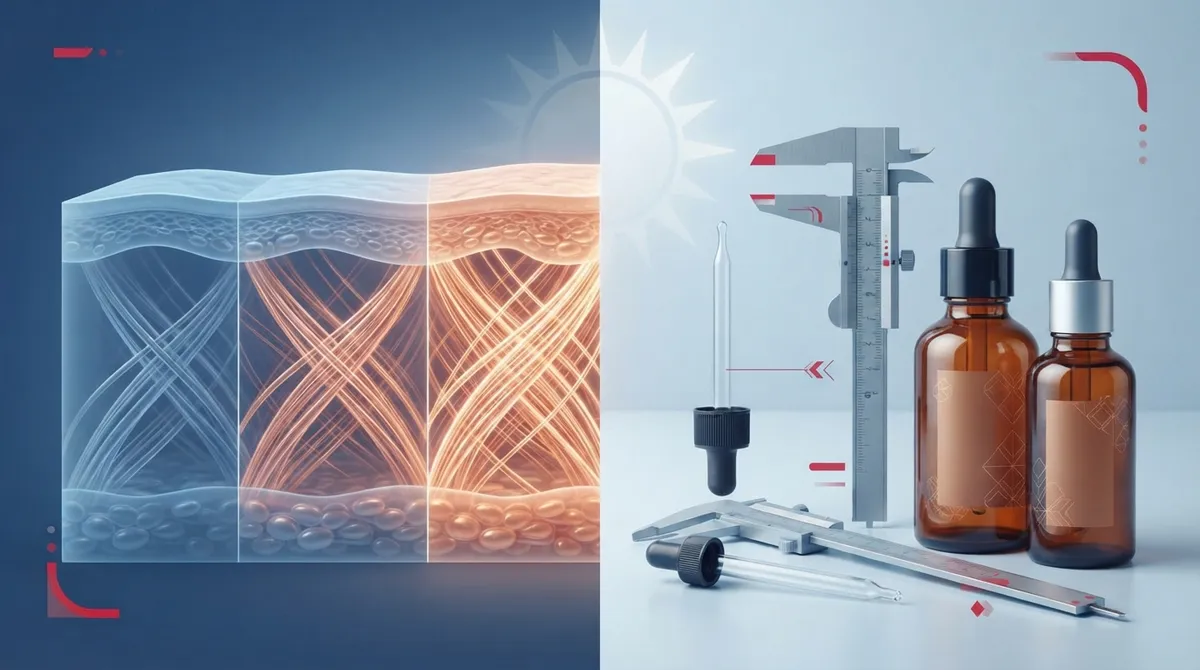
- GHK-Cu is a copper tripeptide that may gradually support collagen production and skin firmness over 12 weeks, but does not provide immediate tightening or remove significant loose skin.
- Topical GHK-Cu has limited research from small studies (41-71 women), while injectable versions lack FDA approval and clinical evidence, making unregulated injectables a high-risk choice.
- Retinoids have decades of large clinical trials supporting their effectiveness, whereas GHK-Cu evidence is promising but much smaller, making retinoids the stronger choice for significant photoaging.
- Product formulation quality varies dramatically between brands due to copper peptide sensitivity to pH and packaging; buying from reputable sources with third-party testing matters more than the ingredient alone.
- GHK-Cu works best as part of a broader skincare strategy including daily sunscreen (the most proven anti-aging tool) and should not replace procedural options for significant skin laxity.
- Patch-test GHK-Cu products on small skin areas first, introduce slowly every other day, and avoid combining with strong actives like retinol or vitamin C to prevent irritation.
Loose, sagging skin bothers a lot of people. Many turn to the internet for answers before talking to a doctor. One name keeps popping up in skincare forums and wellness clinics alike: GHK-Cu. But how does this copper peptide actually compare to tried-and-true options like retinoids, sunscreen, and in-office procedures? If you are exploring ghk cu skin tightening claims, you deserve facts, not hype. This guide breaks down what the science really shows, how GHK-Cu stacks up against other treatments, and what questions to ask your primary care provider before trying it.
At InCare, we believe informed patients make better choices. Our team in Tampa and Riverview helps people sort through wellness trends every day, from peptide therapy to advanced DNA gene testing. This article gives you a clear, honest look at GHK-Cu so you can decide if it fits your skin goals.
What Is GHK-Cu, Exactly?
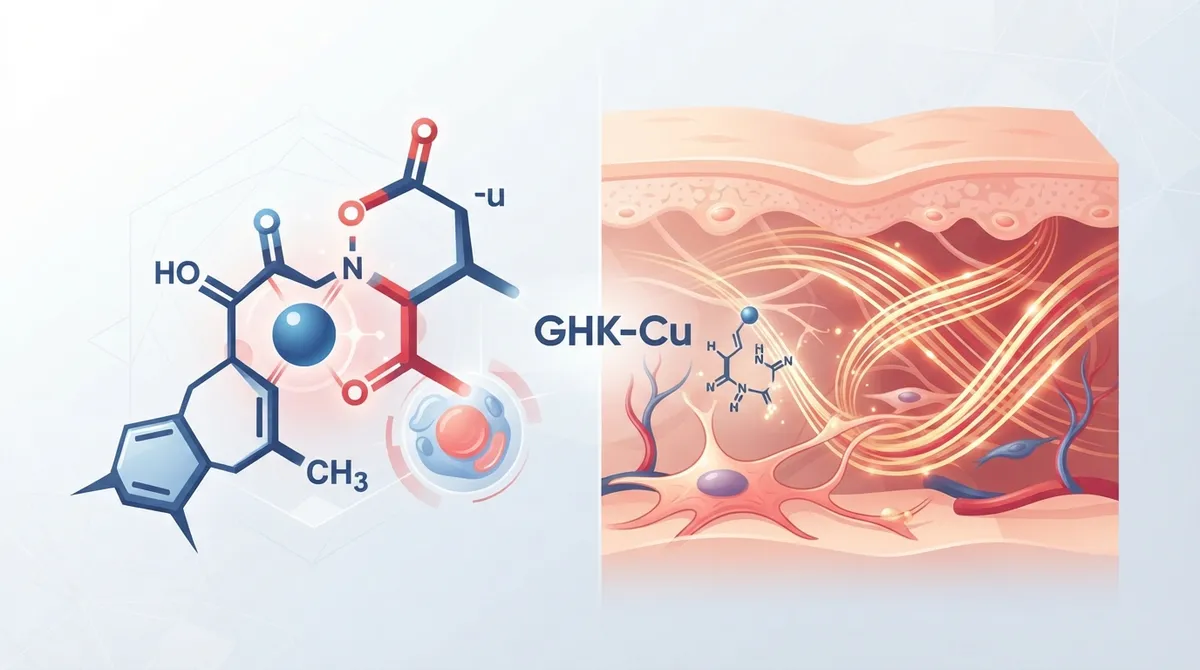
GHK-Cu, also called copper tripeptide-1, is a small protein fragment naturally found in the human body. It combines three amino acids—glycine, histidine, and lysine—with a copper ion. In skincare products, manufacturers use it to try to support firmer, smoother-looking skin.
Unlike fillers or lasers, GHK-Cu does not work by physically pulling or heating skin. Instead, researchers believe it works on a biological level. It may help stimulate collagen production and support the skin's natural repair process. This is a slow, cellular approach rather than an instant fix.
How GHK-Cu Is Thought to Work
Laboratory studies suggest GHK-Cu may support what scientists call extracellular-matrix remodeling. In simple terms, this means it may help skin cells rebuild the structure that keeps skin firm. It may also support wound healing and general skin-cell activity.
These effects, if they happen, build up gradually. GHK-Cu does not create an immediate lift. It will not remove large amounts of loose or sagging skin. Think of it as a slow, supportive nudge to your skin's own repair systems, not a dramatic overnight change.
GHK-Cu vs. Retinoids: A Side-by-Side Look
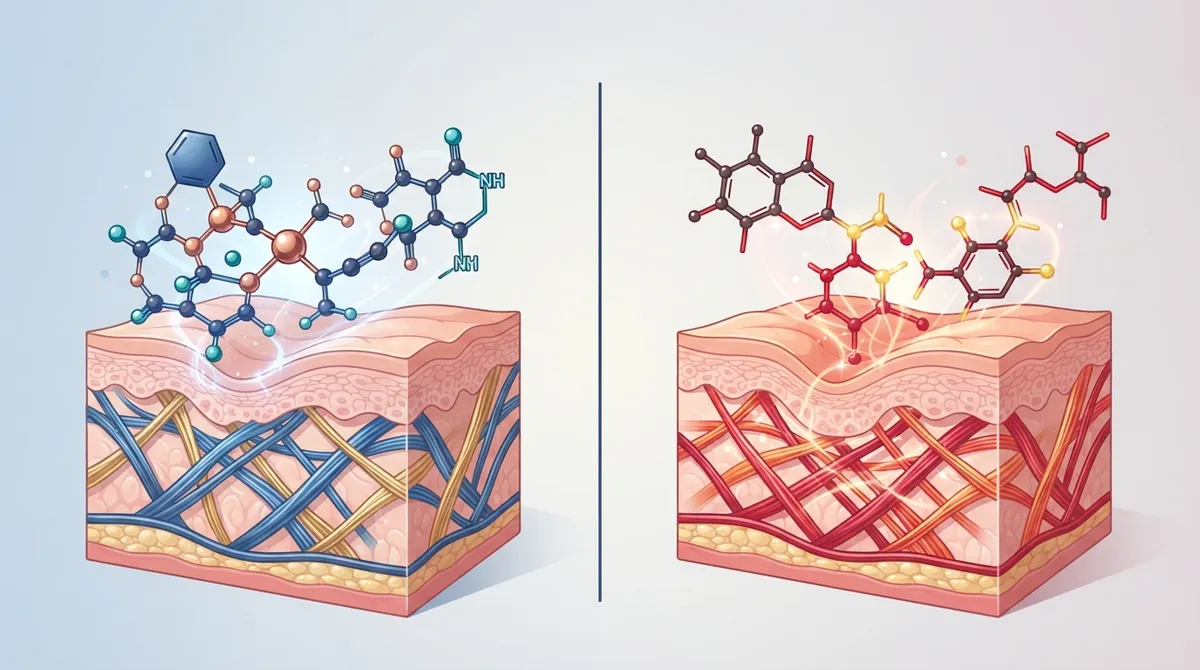
Retinoids have decades of solid research behind them. GHK-Cu has promising but much smaller studies. Here is how they compare on key points patients care about.
|
Factor |
Topical GHK-Cu |
Prescription Retinoids |
|---|---|---|
|
Evidence base |
Small studies, 8-12 weeks |
Decades of large clinical trials |
|
Time to see results |
Around 12 weeks |
Often 8-16 weeks |
|
Common side effects |
Mild irritation, redness, dryness |
Peeling, redness, sun sensitivity |
|
FDA approval status |
Not approved as a drug |
Many are FDA-approved prescriptions |
|
Best for |
Mild firmness support, texture |
Wrinkles, acne, significant photoaging |
Neither option replaces sunscreen, which remains the single most proven way to protect skin from premature aging. A well-rounded plan often includes both prevention and active treatment, something your primary care team can help you design.
What the Research Actually Shows
The evidence on GHK-Cu is encouraging but limited. Here are the key studies worth knowing about:
- A placebo-controlled study of 71 women with photoaged skin found reduced laxity and wrinkles after 12 weeks of topical GHK-Cu cream use, along with increased skin density and thickness.
- A separate 12-week study of 67 women aged 50 to 59 reported improvements in firmness, fine lines, coarse wrinkles, and pigmentation with twice-daily use.
- An eye cream study involving about 41 women showed better improvement in lines and overall appearance compared to a placebo and a vitamin K comparison cream, also after 12 weeks.
- One cosmetic formulation study reported a 55.8% reduction in wrinkle volume compared to a control serum, though this result came from a specific formulation and should not be assumed for every product on the market.
Notice the pattern: most results appear around the 12-week mark. Any product promising instant tightening should raise a red flag. Real, gradual change takes patience and consistent use.
Why Study Size and Formulation Matter
Small study groups mean results can vary widely from person to person. A serum tested on 41 or 71 women cannot guarantee the same outcome for everyone. Formulation quality also plays a huge role. Copper peptides are sensitive to pH, packaging, and other active ingredients mixed into the product.
This means a GHK-Cu serum from one brand may perform very differently than another, even if both list the same peptide on the label. Buying from a reputable source matters more than many people realize.
Topical vs. Injectable GHK-Cu: A Critical Difference
This distinction is one of the most important parts of this topic. Topical GHK-Cu creams and serums have some published human research behind them. Injectable or systemic GHK-Cu, often marketed online for anti-aging or wellness purposes, does not.
- No FDA-approved prescription drug or biologic containing GHK-Cu currently exists in U.S. approval databases.
- Injectable products from unregulated or gray-market sources raise concerns about sterility and impurities.
- Dosing standards for injectable GHK-Cu are not well established in clinical research.
- Immunogenicity, or the risk of an unwanted immune reaction, has not been thoroughly studied for injectable use.
- Regulatory oversight for compounded injectable peptides is complex and varies by state.
If you see injectable GHK-Cu marketed as a quick fix for sagging skin, treat that claim with real skepticism. This is exactly the kind of product discussion worth having with a licensed provider before you try anything.
Realistic Expectations: What GHK-Cu Can and Cannot Do
Setting the right expectations protects both your skin and your wallet. Here is an honest breakdown:
What GHK-Cu May Help With
- Slightly firmer-looking skin over several weeks of consistent use
- Modest improvement in fine lines and skin texture
- Support for skin density and thickness, based on small studies
- General skin-cell repair support alongside a broader skincare routine
What GHK-Cu Will Not Do
- Remove significant amounts of loose or excess skin
- Replace the results of radiofrequency, ultrasound, or laser skin tightening
- Provide an immediate, visible lift after one or two uses
- Substitute for prescription-strength retinoids when major photoaging is present
If you have significant skin laxity, especially after weight loss or aging, a conversation about medical or procedural options may serve you better than relying on a serum alone. Our providers offer guidance during comprehensive weight loss programs, since skin changes often come up as patients lose weight.
Safety Considerations Before You Try GHK-Cu
Most reported side effects from topical GHK-Cu are mild. Still, they are worth knowing before you start.
- Patch-test any new GHK-Cu product on a small area of skin first, waiting 24 to 48 hours before full use.
- Watch for redness, itching, or dryness, especially if you have sensitive or acne-prone skin.
- Introduce the product slowly, perhaps every other day at first, rather than jumping straight to twice-daily use.
- Stop use and seek medical evaluation if irritation persists or worsens after several days.
- Check how GHK-Cu interacts with other active ingredients like retinol, vitamin C, or exfoliating acids, since combining strong actives can increase irritation risk.
- Avoid unregulated injectable versions entirely unless discussed thoroughly with a licensed medical provider.
People with known copper allergies or certain skin conditions should be especially cautious. A quick conversation with your provider can save you from weeks of frustration or irritation.
How GHK-Cu Compares to Other Wellness Approaches
Patients often ask how GHK-Cu stacks up against other popular anti-aging strategies. Here is a broader comparison:
|
Approach |
Typical Timeline |
Evidence Strength |
|---|---|---|
|
Topical GHK-Cu |
~12 weeks |
Limited, small studies |
|
Daily sunscreen use |
Ongoing prevention |
Very strong, decades of data |
|
Collagen supplements |
8-12 weeks |
Mixed and still developing |
|
Radiofrequency skin tightening |
Several sessions, weeks to months |
Strong for mild to moderate laxity |
|
Microneedling |
Multiple sessions, 4-6 weeks apart |
Well-studied for texture and firmness |
Notice that GHK-Cu sits in a middle ground. It has more research than many trendy ingredients but far less than sunscreen or retinoids. For patients wanting whole-body optimization, pairing skin strategies with services like IV hydration and vitamin drips or body composition analysis may offer a more complete picture of overall health.
Questions to Ask Your Primary Care Provider
Before adding any peptide product to your routine, bring these questions to your next appointment:
- Is this product safe given my skin type and any existing conditions?
- How does this ingredient interact with medications or other skincare products I use?
- Are there formulation-quality concerns I should watch for with this brand?
- Would a procedural option serve my goals better than a topical product alone?
- Should I be screened for any underlying condition contributing to skin changes?
InCare providers, including our team featured on our providers page, take time to walk through these questions with patients rather than rushing to a one-size-fits-all answer. This kind of personalized guidance is part of what makes primary care valuable beyond urgent symptom treatment.
Choosing a Reputable GHK-Cu Product
Not all copper peptide serums are created equal. Consider these factors when shopping:
- Look for third-party testing or clear ingredient sourcing information on the label.
- Avoid products making claims of guaranteed or dramatic results in days.
- Check that the product is stored and packaged to protect peptide stability, since light and air exposure can degrade active ingredients.
- Research the brand's manufacturing practices and whether they follow good manufacturing standards.
- Start with a lower concentration if you have never used a copper peptide product before.
Quality control matters more with peptides than with many other skincare ingredients, since stability issues can reduce or eliminate any potential benefit.
Why Whole-Body Wellness Matters for Skin Health
Skin firmness does not exist in isolation. Nutrition, hydration, sleep, hormone balance, and sun exposure all play a role in how your skin looks and feels. Rather than chasing one ingredient, a broader wellness approach often produces better long-term results.
This is where comprehensive primary care becomes valuable. Annual wellness visits, cancer screenings, and metabolic assessments can catch issues that affect skin health long before they become visible. Learn more about what a typical visit involves in our guide on what happens during an annual wellness visit.
Many patients in Tampa and Riverview also explore peptide therapy more broadly for energy, recovery, and anti-aging support. If you are curious about how GHK-Cu fits into a larger peptide therapy plan, our article on peptide therapy in Tampa offers useful background.
Real Patient Conversations Matter
We often hear from patients who tried a copper peptide serum on their own after seeing it on social media. Some found modest improvement. Others experienced irritation because they combined too many active ingredients at once. The common thread is that outcomes vary, and a knowledgeable provider can help you avoid costly trial and error.
You can also follow along with wellness tips and patient education from InCare on Facebook, Instagram, and TikTok, where we regularly break down trending wellness topics in plain language.
Final Thoughts on GHK-Cu Skin Tightening
GHK-Cu shows real promise as a gradual, supportive tool for skin firmness and texture. It is not a replacement for sunscreen, prescription retinoids, or procedural skin tightening when significant laxity exists. Injectable versions carry additional risks and lack strong regulatory backing, so topical use under guidance remains the safer starting point.
If you are weighing GHK-Cu against other options, or you simply want a professional opinion before trying a new peptide product, our team is ready to help. Many patients also check Visit us on Google — InCare to read real reviews from people in Tampa and Riverview before scheduling their first visit.
Ready to talk through your skin and wellness goals with a provider who listens? Book your appointment today and get answers built on real evidence, not internet trends. You can also reach out to our team with any questions before your visit.
FAQs
Q: Does GHK-Cu really tighten loose skin?
A: Topical GHK-Cu may support gradual improvements in firmness and skin density, based on small studies over about 12 weeks. It does not create an immediate lift or remove significant loose skin, so it should be viewed as a modest, supportive treatment rather than a dramatic fix.
Q: How long does GHK-Cu take to improve skin firmness?
A: Most published studies on topical GHK-Cu measured results after approximately 12 weeks of consistent use. Improvement is gradual, and there is no evidence supporting rapid or immediate tightening from any GHK-Cu product.
Q: Is topical GHK-Cu safe for sensitive or acne-prone skin?
A: Many people tolerate topical GHK-Cu well, but mild irritation, redness, or dryness can occur, especially in sensitive skin. A patch test and slow introduction are recommended, and persistent reactions should be evaluated by a healthcare provider.
Q: What is the difference between topical and injectable GHK-Cu?
A: Topical GHK-Cu has some published human research supporting cosmetic use on skin. Injectable or systemic GHK-Cu lacks strong clinical evidence and is not FDA-approved, raising concerns about sterility, dosing, and regulatory oversight that patients should discuss with a licensed provider.
Q: How does GHK-Cu compare with retinoids for anti-aging results?
A: Retinoids have decades of large clinical trials supporting their effectiveness for wrinkles and photoaging, while GHK-Cu research is limited to smaller studies over 8 to 12 weeks. Both can play a role in a skincare routine, but retinoids currently have a stronger evidence base.