
Key Takeaways
- Most human research on GHK-Cu involves topical creams and serums applied to skin; oral and injectable forms lack reliable evidence and standardized dosing, making systemic claims unproven.
- GHK-Cu is not FDA-approved as a drug for any condition, and online supplements exist in a regulatory gray area with highly variable quality and purity standards between manufacturers.
- Peptides are often broken down in the digestive system before acting as intended, and unlike established nutrients like zinc or collagen, GHK-Cu lacks standardized human absorption data for oral use.
- People with copper metabolism disorders (Wilson disease, liver disease) need medical supervision before using GHK-Cu products due to the peptide's copper-binding properties.
- Topical GHK-Cu can cause contact dermatitis and skin irritation in some users; always perform a patch test and disclose use to your primary care provider before starting.
- Established wellness options like IV hydration, gene testing, and evidence-based hair restoration protocols may better address your health goals than unproven oral or injectable GHK-Cu supplements.
Copper peptide products have taken over skincare shelves and wellness clinics alike. If you have searched for a GHK-Cu supplement online, you have likely seen bold claims about smoother skin, faster healing, and even anti-aging benefits taken by mouth or injection. Before you spend money on these products, it helps to know what the science actually supports and where the gaps remain.
At InCare, our providers in Tampa and Riverview take a research-first approach to wellness trends like peptide therapy. This guide breaks down what GHK-Cu is, how it is studied, and what questions to ask before trying any copper peptide product. Whether you are a curious wellness seeker or someone managing a skin or health concern, this information can help you make a safer choice.
What Is GHK-Cu and Why Is It Popular?
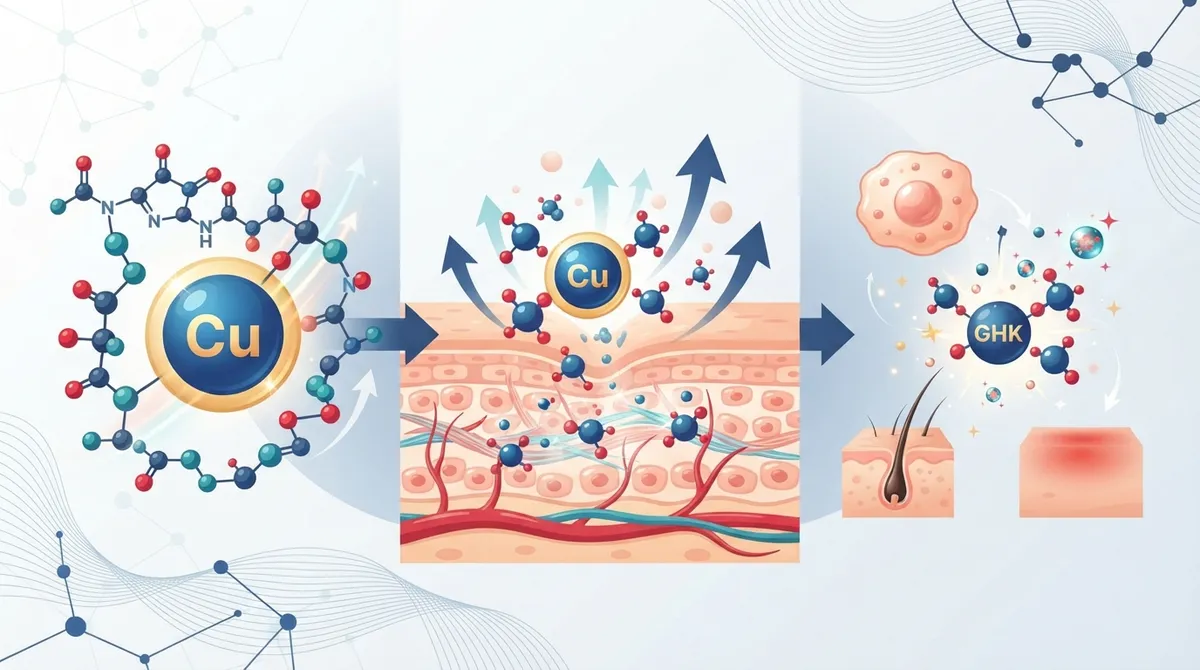
GHK-Cu stands for glycyl-histidyl-lysine, a small peptide that naturally binds to copper. It occurs in your body already and plays a role in how your skin and tissues repair themselves. Researchers have studied it for decades, mostly for its effects on skin cells in lab settings.
The peptide is linked to several natural processes, including:
- Signaling pathways that support the extracellular matrix, the scaffolding that holds skin and tissue together
- Collagen and elastin production, which keep skin firm and elastic
- Tissue remodeling after injury
- Regulation of inflammatory responses in damaged skin
A 2018 review published in the International Journal of Molecular Sciences summarized a large body of laboratory and animal research on GHK-Cu. The review found promising cellular activity, but it did not establish GHK-Cu as an approved treatment for any disease or condition in humans.
Topical Use vs. Oral Supplements: A Critical Difference
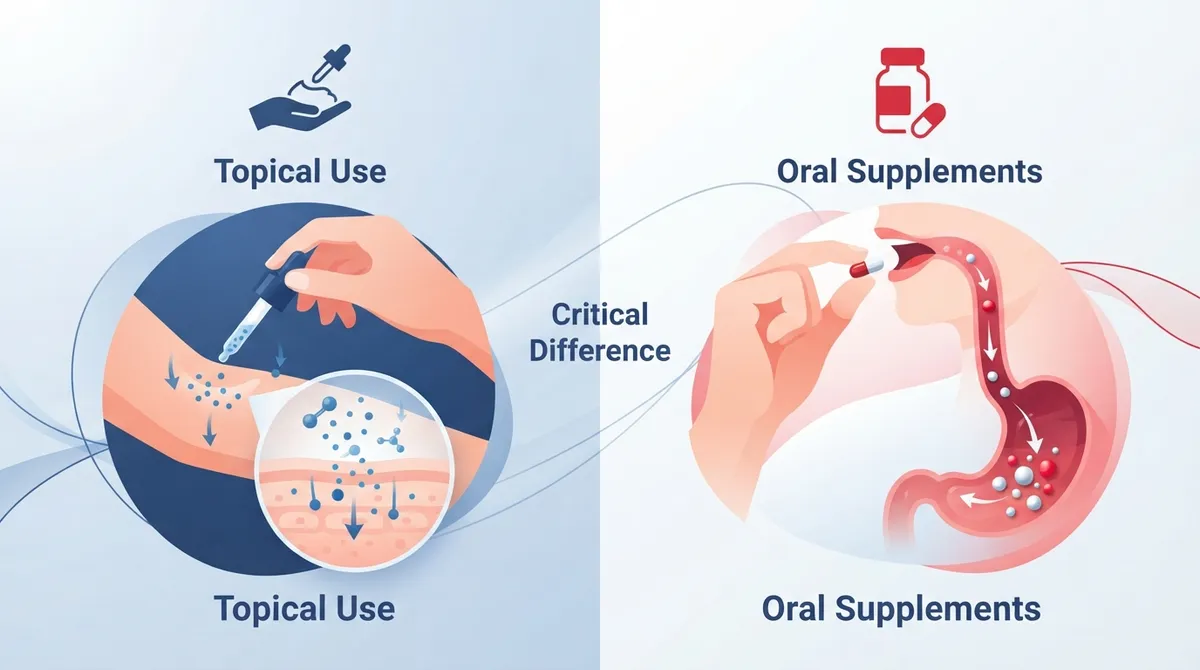
This is where confusion often starts. Most human studies on GHK-Cu involve creams, gels, or serums applied to the skin. Very little reliable research exists on oral GHK-Cu supplements or injectable versions marketed for systemic anti-aging or recovery purposes.
The table below outlines the key differences between these forms based on current available evidence.
|
Form |
Evidence Level |
Common Claims |
Key Concerns |
|---|---|---|---|
|
Topical (cream/serum) |
Limited but studied in small trials |
Smoother skin, reduced wrinkles, wound support |
Skin irritation, contact dermatitis, variable formulations |
|
Oral supplement |
Not well established |
Anti-aging, hair growth, systemic repair |
Unclear absorption, no standardized dosing |
|
Injectable |
Substantially limited human data |
Faster recovery, tissue regeneration |
No FDA-vetted dose, unclear long-term safety |
A GHK-Cu supplement taken by mouth faces a basic biological hurdle. Peptides are often broken down in the digestive system before they can act the way they might on skin applied directly. Unlike zinc, copper, or collagen peptides, GHK-Cu is not considered a standard dietary nutrient with established absorption data in humans.
What Does the Research Actually Show?
It helps to separate laboratory findings from real-world human results. Here is a simple breakdown of what has been studied and what remains unproven.
Topical Skin Studies
One small cosmetic study tested a 0.1% GHK-Cu serum over 12 weeks in 67 participants. Most people tolerated it well, but about 3% (two participants) developed contact dermatitis. This is a useful early safety signal, not proof of how a broader population would react.
Wound Healing Research
An older, small study on diabetic foot ulcers reported roughly 98.5% median wound-area closure with a GHK-Cu gel, compared to 60.8% with a vehicle-only control. This result sounds impressive, but the study was limited in size and age. It should never be used as a reason to self-treat a chronic wound instead of seeking urgent care or guidance from a primary care provider.
Systemic and Injectable Use
As of 2025, no Phase III randomized controlled trial has established the efficacy or long-term safety of injectable or systemic GHK-Cu. This means the products sold online promising whole-body anti-aging or recovery benefits are working ahead of the science.
Is GHK-Cu FDA Approved?
No. GHK-Cu is not an FDA-approved drug for anti-aging, wound healing, hair growth, inflammation, or systemic tissue regeneration. This distinction matters because products marketed to treat or prevent disease may fall under drug regulations rather than the looser rules that apply to cosmetics.
Here are the key regulatory facts to keep in mind:
- Topical cosmetic products with GHK-Cu are generally regulated as cosmetics, not drugs, as long as they only claim to improve appearance.
- Any product claiming to treat, cure, or prevent a medical condition faces stricter FDA drug requirements.
- Oral and injectable GHK-Cu products sold as "supplements" often exist in a regulatory gray area with limited oversight.
- No standardized, FDA-vetted dosing exists for oral or injectable GHK-Cu.
- Quality and purity can vary significantly between manufacturers, since these products are not held to pharmaceutical manufacturing standards.
Potential Side Effects and Safety Concerns
Even topical GHK-Cu, which has more research behind it than oral or injectable forms, carries some risk. Understanding these risks can help you make a more informed decision with your provider.
- Redness, stinging, or itching at the application site
- Allergic or contact dermatitis reactions
- Irritation from other ingredients in the formulation, such as preservatives or fragrance
- Theoretical risk of excess copper exposure with high or frequent systemic use
- Unknown interactions with other medications or supplements
Because GHK-Cu binds copper, people with conditions affecting copper metabolism need extra caution. This includes those with Wilson disease, liver disease, or other conditions requiring medical supervision. If you have any of these conditions, talk with your primary care provider before trying any copper peptide product.
Questions to Ask Before Trying a GHK-Cu Product
Whether you are considering a topical serum or curious about oral options, these steps can help you approach the decision more safely.
- Ask what form the product takes, topical, oral, or injectable, and what evidence supports that specific form.
- Request third-party testing results if the product claims to be pharmaceutical grade.
- Do a patch test on a small area of skin before full application, especially if you have sensitive skin.
- Disclose any peptide products you are using to your primary care doctor during your next visit.
- Avoid substituting any peptide product for prescribed treatment or evidence-based wound care.
- Discuss your full health history, including liver or copper-related conditions, before starting any new supplement.
Where Wellness-Minded Patients Should Start
Many people searching for a GHK-Cu supplement are really looking for better skin health, faster recovery, or general anti-aging support. There are often more established, evidence-based paths to reach those goals through comprehensive primary care and wellness services.
For example, patients interested in tissue repair and recovery may benefit more from a full evaluation that includes DNA gene testing to understand personal health risks, or body composition analysis to track real physical changes over time. Those focused on energy and cellular support sometimes explore IV hydration and vitamin drips as a more established option with clinical oversight.
If hair thinning is your main concern, InCare also offers hair restoration services backed by more established treatment protocols than oral copper peptides currently offer. And for those interested broadly in peptide-based wellness strategies, our team discusses options during consultations about peptide therapy in Tampa, always grounded in current evidence and safety data.
Why Medical Guidance Matters for Peptide Products
The wellness supplement market moves fast, often faster than the research behind it. This is especially true for a GHK-Cu supplement marketed for oral or injectable use. A trusted primary care practice in Riverview or Tampa can help you sort marketing claims from medical evidence.
Your provider can also check for interactions with existing medications, review your full health history, and help you avoid wasting money on unproven products. This kind of guidance is part of what makes annual wellness visits valuable, even if you feel generally healthy.
Many patients also follow InCare's updates on emerging wellness topics through our Facebook page, Instagram account, or TikTok channel, where our team shares evidence-based wellness tips and clinic updates.
How InCare Approaches Peptide and Wellness Trends
InCare combines medical expertise with advanced technology to evaluate wellness trends like GHK-Cu honestly. Our providers, including those featured on our providers page, focus on what current research actually supports rather than following trends blindly.
Patients across Tampa and Riverview trust this approach. Our clinic maintains a 4.8 out of 5 rating on Google from hundreds of reviews, reflecting the quality of care and clear communication patients receive. You can visit us on Google — InCare to read what other patients have shared about their experience.
If you are curious about copper peptides, skin health, or any other wellness trend, our Tampa and Riverview locations offer a place to get real answers grounded in current science, not marketing hype.
Final Thoughts on GHK-Cu Supplements
GHK-Cu shows real promise in laboratory and topical cosmetic research, particularly for skin appearance and wound support. However, oral and injectable GHK-Cu supplements lack the same level of human evidence, standardized dosing, and FDA oversight. If you are considering any copper peptide product, do your research, talk to a licensed provider, and never substitute unproven supplements for evidence-based medical care.
Ready to talk through your wellness goals with a knowledgeable team? Reach out to InCare today or book your appointment now to get personalized, science-backed guidance for your health journey.
FAQs
Q: What is a GHK-Cu supplement supposed to do?
A: A GHK-Cu supplement is marketed to support skin repair, collagen production, and tissue healing based on the peptide's natural role in the body. Most reliable evidence comes from topical cosmetic studies, not oral or injectable supplement forms, so claims about systemic benefits should be viewed cautiously.
Q: Does oral GHK-Cu work, and is it absorbed effectively?
A: Reliable human research has not established that oral GHK-Cu is absorbed effectively or produces the same benefits seen in topical studies. Unlike common nutrients such as zinc or collagen peptides, GHK-Cu does not have standardized absorption or dosing data for oral use.
Q: Is GHK-Cu FDA approved or safe to buy online?
A: GHK-Cu is not FDA approved as a drug for anti-aging, wound healing, hair growth, or systemic regeneration. Products sold online as supplements often lack the quality control and regulatory oversight required for prescription medications, so buyers should proceed carefully.
Q: Can GHK-Cu help with wounds or diabetic foot ulcers?
A: An older, small study showed promising wound closure results with topical GHK-Cu gel compared to a control, but this research is limited and should not replace evidence-based wound care. Anyone managing a chronic wound should work with a primary care or urgent care provider rather than self-treating.
Q: Who should avoid GHK-Cu supplements or products?
A: People with conditions affecting copper metabolism, such as Wilson disease or liver disease, should avoid GHK-Cu products without medical supervision. Anyone considering a peptide product should disclose it to their primary care provider to check for potential interactions or health concerns.