

Key Takeaways
- FDA-approved peptides like semaglutide and tirzepatide offer the clearest quality benchmark with proven clinical trial data and strict manufacturing oversight, while research-use-only products lack safety testing and should be avoided.
- Quality peptides require more than high purity percentages—verify sterility testing, traceability to licensed manufacturers, lot-specific certificates of analysis, and clinical evidence supporting the specific use you need.
- Compounded peptides from licensed 503A or 503B pharmacies can be legitimate only with valid prescriptions, state licensing verification, lot traceability, and sterility testing for injectable forms.
- Always work with a qualified primary care provider who reviews your full health history, checks for drug interactions, monitors kidney and liver function, and provides regular follow-up before starting any peptide therapy.
Searching for the best quality peptides can feel confusing. Ads promise fast results. Websites claim "pharmaceutical grade" purity. But how do you know what's actually safe? In primary care and wellness, quality means much more than a purity percentage on a label. It means proven safety, clear regulation, and real medical oversight.
This guide breaks down what "best quality" truly means for peptide therapy. We'll compare FDA-approved medicines to compounded and research-use products. You'll learn what to look for, what to avoid, and how a trusted clinic like InCare helps patients in Tampa and Riverview make safer choices.
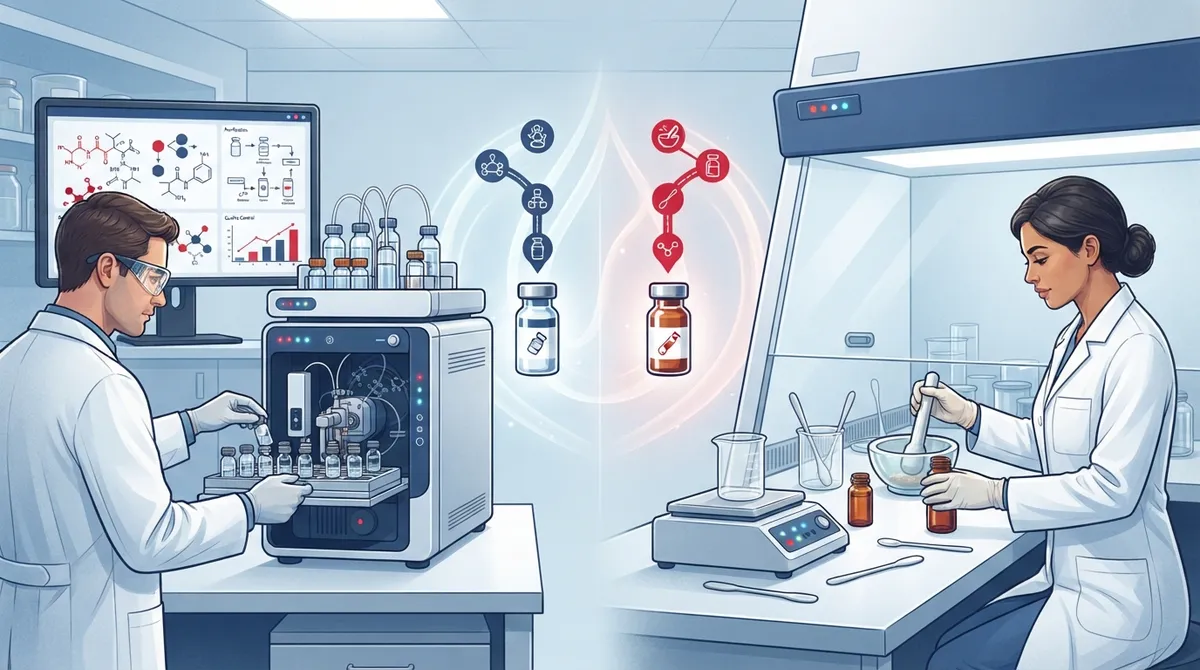
What Does "Best Quality Peptides" Actually Mean?
Many people think quality means the highest purity number on a certificate. That's not the full picture. True quality includes several factors working together.
- Confirmed identity and correct concentration of the active ingredient
- Sterility and low contamination for injectable products
- Stability over time and proper storage conditions
- Clear traceability back to a licensed manufacturer or pharmacy
- Real clinical evidence supporting the specific use
A product can list 99% purity and still be unsafe if it lacks sterility testing or comes from an unverified source. Quality is about the whole picture, not just one number.

FDA-Approved Peptides: The Clearest Quality Benchmark
In primary care, FDA-approved peptide medicines set the gold standard. These drugs go through years of testing. They face strict manufacturing rules, safety reviews, and ongoing monitoring after approval.
Some well-known examples include:
- Semaglutide – Approved as Ozempic (2017) for type 2 diabetes, Rybelsus (2019) as an oral option, and Wegovy (2021) for chronic weight management
- Tirzepatide – Approved as Mounjaro (2022) for diabetes and Zepbound (2023) for weight loss
- Liraglutide – Used for both diabetes and weight management
- Dulaglutide – Approved for type 2 diabetes support
- Insulin products – Long-standing peptide medicines for diabetes care
These medicines showed real results in large clinical trials. In the STEP 1 trial, patients using semaglutide 2.4 mg lost about 14.9% of body weight over 68 weeks, compared to 2.4% with placebo. The SURMOUNT-1 trial found tirzepatide users lost between 15% and 21% of body weight over 72 weeks, depending on dose. These numbers came from monitored studies, not marketing claims.
It's important to know that FDA approval applies to one specific product, dose, and use. Approval for weight loss does not mean a peptide is safe for unrelated anti-aging or muscle-building claims. If you're exploring weight loss options, ask your provider which medicines carry real FDA backing for your specific goal.
Compounded Peptides vs. FDA-Approved: Key Differences
Compounded peptides are not the same as FDA-approved drugs. Compounding pharmacies create custom medicines, often when a patient needs a different dose or form. This can be helpful, but it comes with more responsibility for both the pharmacy and the patient.
|
Factor |
FDA-Approved Peptides |
Compounded Peptides |
|---|---|---|
|
Regulatory Review |
Full FDA review process |
Not individually FDA-reviewed |
|
Manufacturing Standards |
Strict, standardized controls |
Varies by pharmacy license type |
|
Clinical Trial Data |
Large-scale human trials required |
Often limited or absent |
|
Labeling |
Fixed, regulated labeling |
Pharmacy-specific labeling |
|
Prescription Requirement |
Always required |
Required through licensed pharmacy |
The FDA separates compounding pharmacies into two types. 503A pharmacies typically prepare medicine for a specific patient with a prescription. 503B outsourcing facilities can compound larger batches but must follow extra federal rules. If you're considering a compounded product, ask which category your pharmacy falls under.
Before starting any compounded peptide, verify these details:
- The pharmacy's state licensing status
- Whether the product requires a valid prescription
- Lot number and traceability records
- Clear storage and handling instructions
- Sterility testing results for injectable forms
- A process for reporting side effects
Research-Use-Only Peptides: A Major Warning Sign
You may see peptides sold online labeled "for research use only." These products are not meant for human use. They haven't gone through safety testing for people.
Here's a red flag to watch for: if a seller labels a product "research use only" but also gives dosing instructions, sells needles, or claims health benefits, something doesn't add up. These mixed signals often mean the seller is trying to avoid legal responsibility while still marketing to consumers.
Peptides like BPC-157, TB-500, CJC-1295, ipamorelin, melanotan II, and MOTS-c fall into this risky category for many marketed uses. They lack the same testing and oversight as approved medicines. Potential problems include:
- Impurities from poor manufacturing
- Wrong concentration levels
- Bacterial or chemical contamination
- Immune system reactions
- Unknown interactions with other medications
- Unclear long-term safety data
The FDA has flagged specific concerns about substances like GHRP-2, GHRP-6, and semax related to compounding. These concerns include immune reactions tied to peptide aggregation and impurities. If a product sounds too good to be true, treat that as a warning, not a bonus.
How to Check a Certificate of Analysis
A certificate of analysis (COA) can help verify quality, but only if it's done right. Many patients don't know what to look for. Follow these steps to check if a COA is trustworthy:
- Confirm the lab that performed the testing is independent and credible
- Match the COA to the exact lot number of your product
- Check for testing on identity, concentration, and purity
- Look for sterility and endotoxin testing on injectable products
- Review results for heavy metals and residual solvents
- Ask about testing for microbial contamination
- Verify there's no sign of degradation products
A COA that doesn't match your specific batch is nearly useless. Generic certificates posted online don't prove anything about the product you actually received.
Why Medical Supervision Matters for Peptide Therapy
Even FDA-approved peptides need proper medical oversight. A good clinician looks at your full health picture before starting treatment. This includes:
- Your diagnosis and health history
- Other treatment options that may work better
- Possible drug interactions with your current medications
- Pregnancy status, if relevant
- Kidney and liver function testing
- A follow-up plan to track your progress
For weight management specifically, peptide medications work best as one part of a bigger plan. This plan should include nutrition guidance, exercise support, behavioral coaching, and regular follow-up visits. Be skeptical of any program promising fast, easy, or guaranteed results without this kind of complete care.
At InCare, our team of experienced providers, including Dr. Naveen Paddu, Dr. Pramjeet Ahluwalia, and Dr. Teshy John, reviews your health history before recommending any peptide-based treatment. This approach helps protect your safety while working toward your wellness goals.
Questions to Ask Before Starting Peptide Therapy
Before you commit to any peptide treatment, ask your provider these key questions:
- Is this specific product FDA-approved for my condition?
- If compounded, which licensed pharmacy prepares it?
- What clinical evidence supports this use?
- What side effects should I watch for?
- How will you monitor my progress and safety?
- What happens if I have a reaction?
A trustworthy provider will answer these questions clearly. If someone rushes you past these details, that's a sign to look elsewhere for care.
Why Choose InCare for Peptide and Weight Loss Guidance
InCare combines medical expertise with modern technology to guide patients toward safe, effective treatment. Our primary care team looks at your whole health picture, not just one symptom or goal. We also offer supporting services like DNA gene testing, body composition analysis, and metabolic breath analysis to build a complete wellness plan.
Whether you're exploring weight loss support in Tampa or looking for trusted peptide therapy in Tampa, our clinics in both Tampa and Riverview offer personalized care backed by real medical evidence. You can also find helpful information through our Instagram page and stay connected through our Facebook community, where we share wellness tips and clinic updates. Our TikTok channel also features quick, easy-to-understand health information.
Many patients in our community have shared their experiences online. You can visit us on Google — InCare to read real reviews from people who trust our team for primary care and wellness services in Tampa and Riverview.
Making a Safer Choice for Your Health
The best quality peptides are not defined by flashy marketing or the highest purity claim. They're defined by real evidence, proper regulation, safe manufacturing, and careful medical supervision. FDA-approved options like semaglutide and tirzepatide offer the clearest path to proven safety and results. Compounded products can play a role too, but only through licensed pharmacies with full transparency.
Skip the guesswork behind unverified online sellers and research-only products. Your health deserves better than uncertain sourcing and unclear dosing. Talk with a qualified primary care provider who can review your goals and guide you toward options backed by science.
Ready to explore safe, medically supervised options for weight loss or wellness support? Book your appointment with InCare today and take the next step toward better health with a team you can trust.
FAQs
Q: What are the safest peptide medications approved for weight loss or diabetes?
A: The safest options are FDA-approved medicines like semaglutide, tirzepatide, liraglutide, and dulaglutide. These went through large clinical trials and carry strict manufacturing standards, giving patients a proven safety and efficacy record.
Q: How can I tell whether a peptide product is FDA approved?
A: Check the product name against official FDA drug listings and ask your provider directly. FDA approval applies to a specific brand, dose, and use, so the same peptide sold under a different name or for a different purpose may not carry that same approval.
Q: Are compounded semaglutide and tirzepatide as safe or effective as FDA-approved products?
A: Compounded versions are not FDA-approved and may vary in quality, concentration, and sterility. Patients should verify the compounding pharmacy's licensing and request lot-specific testing before using any compounded peptide product.
Q: Are research-use-only peptides safe for human injection?
A: No. Products labeled research-use-only are not tested or approved for human use. If a seller provides dosing instructions or health claims alongside this label, treat it as a serious warning sign rather than reassurance.
Q: How should a primary care clinician monitor a patient taking peptide medication?
A: Monitoring should include reviewing medical history, checking for drug interactions, testing kidney and liver function when relevant, and scheduling regular follow-up visits to track progress and catch any side effects early.