

Key Takeaways
- KPV is a small tripeptide from alpha-MSH with anti-inflammatory activity in animal studies, but no human clinical trials confirm its safety, effectiveness, or optimal dosing for any condition.
- The term 'KPV oral tolerance' confuses two separate concepts: physical tolerance of an oral supplement and the immunological process of oral tolerance, which has not been proven for KPV in humans.
- No FDA-approved KPV product exists, and unregulated online peptide sellers cannot guarantee purity, concentration, or sterility, placing responsibility entirely on the consumer for unknown product variables.
- Critical research gaps remain including absent large-scale human trials, unestablished oral bioavailability in humans, and no long-term safety data, making current online claims about KPV's benefits unsupported by evidence.
- Patients with gastrointestinal symptoms, immunosuppressive conditions, liver or kidney disease, or those pregnant or breastfeeding should consult licensed clinicians before considering KPV to avoid delaying proper diagnosis.
- Standard evidence-based medical evaluation with bloodwork, imaging, and appropriate testing should always precede experimental peptide use, especially for conditions like IBD that require prompt professional diagnosis.
If you have spent time researching gut health peptides, you may have come across claims about "KPV oral tolerance." This phrase sounds scientific, but it actually mixes up two very different ideas. Many wellness seekers want a simple answer: does taking KPV by mouth teach your immune system to calm down? The honest answer is more complicated, and it matters for anyone considering this peptide for digestive or inflammatory concerns.
At InCare, our providers in Tampa and Riverview believe patients deserve clear, evidence-based information before trying any peptide product. This article breaks down what KPV actually is, what "oral tolerance" means in immunology, and why the two terms should not be confused. We will also cover safety concerns, current research limits, and how a trusted primary care provider can help you make informed decisions about emerging wellness trends.
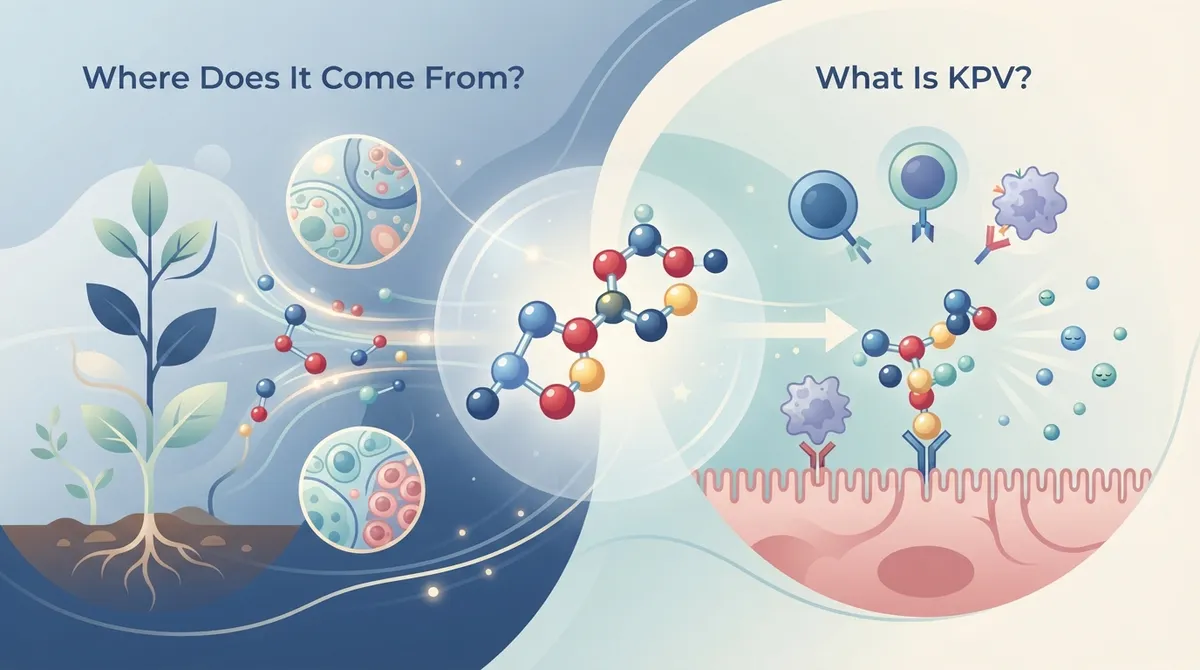
What Is KPV and Where Does It Come From?
KPV stands for Lys-Pro-Val, a tripeptide made of three amino acids: lysine, proline, and valine. It comes from the tail end of alpha-melanocyte-stimulating hormone (alpha-MSH), a hormone your body naturally produces. Scientists became interested in KPV because early studies suggested it might calm inflammation in cells and animal models.
This tiny molecule weighs about 340 daltons, making it small enough that researchers have explored whether it can survive digestion and reach the intestines intact. That question matters a lot when we talk about oral use, since many peptides break down before they ever reach their target tissue.
The Origin Story: Alpha-MSH and Inflammation
Alpha-MSH is best known for its role in skin pigmentation, but researchers also found it has anti-inflammatory properties. KPV represents the smallest active fragment of this hormone. Laboratory studies have tested KPV in models of intestinal inflammation, including colitis induced by chemicals like DSS and TNBS in mice.
These animal studies showed some promising results for reducing inflammatory markers. However, animal data does not automatically translate into safe or effective human treatment. This gap is important to understand before assuming KPV works the same way in people.
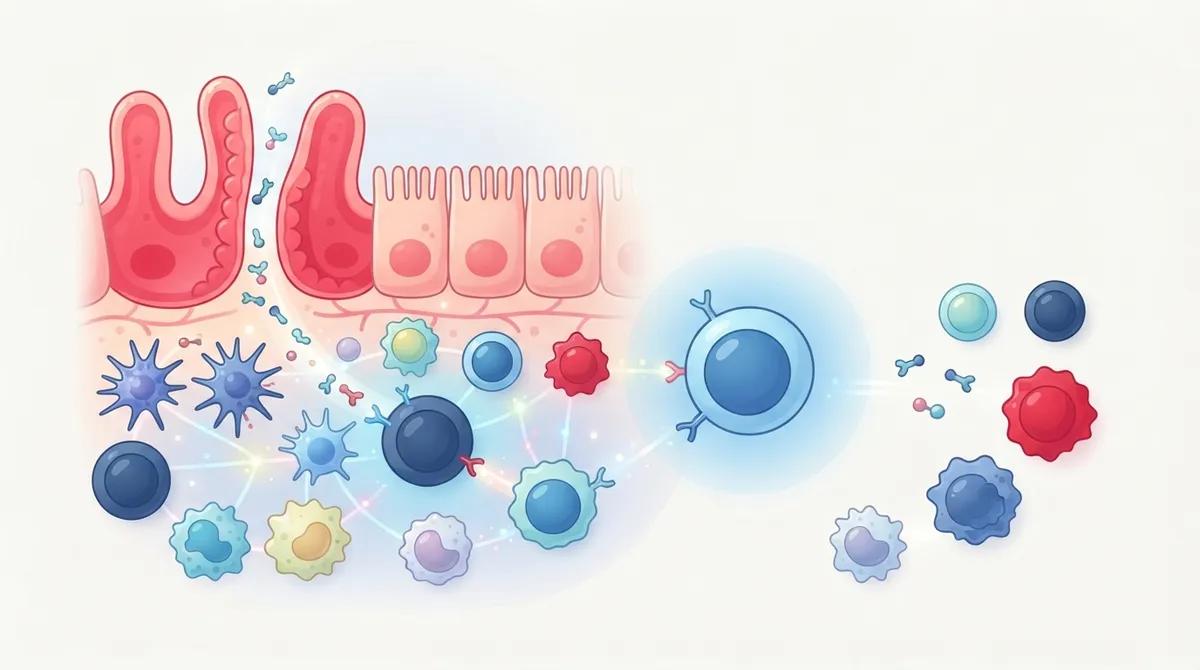
What Does "Oral Tolerance" Actually Mean?
Here is where confusion often starts. In immunology, "oral tolerance" refers to a specific biological process. It describes how your immune system can become less reactive to a substance after that substance passes through your gut multiple times.
This process helps explain why your body does not attack food proteins every time you eat. Your gut immune system learns to recognize common substances as harmless. Researchers study oral tolerance in the context of food allergies, autoimmune conditions, and even potential allergy treatments.
Why KPV and Oral Tolerance Are Not the Same Thing
When people search for "KPV oral tolerance," they often mean one of two different things:
- Whether the body can physically tolerate (safely handle) an orally taken KPV supplement
- Whether KPV can trigger the immunological process called oral tolerance
These are separate questions with separate answers. Current scientific evidence does not establish that KPV induces immunological oral tolerance in humans. No peer-reviewed human studies confirm this specific mechanism for KPV. Claims suggesting otherwise are not supported by the research available today.
What Does the Research Actually Show?
A notable 2017 study examined KPV delivered through hyaluronic acid-based nanoparticles. Researchers tested this delivery system in intestinal cell cultures and in mouse models of colitis. The nanoparticle approach was designed to protect KPV from breaking down before reaching the intestines.
This study reported reduced inflammatory responses in the treated mice. However, it is critical to understand what this study was and was not. It was a drug-delivery and preclinical study, not a human clinical trial. No dosing standard, safety profile, or efficacy rate for humans came out of this work.
Key Research Gaps That Matter
Before considering any peptide product, it helps to understand what science has not yet proven. Here are the main gaps in current KPV research:
- No large-scale human clinical trials have tested oral KPV for safety or effectiveness
- No established human dose or treatment duration exists in medical guidelines
- Oral bioavailability in humans remains uncertain, meaning we do not know how much KPV actually gets absorbed
- No FDA approval exists for KPV as a treatment for any condition
- Long-term safety data in humans has not been collected
This does not mean KPV has no future potential. It means the science is still early, and patients should treat online claims with healthy skepticism.
KPV Research Summary Table
|
Research Category |
What Has Been Studied |
What Remains Unknown |
|---|---|---|
|
Cell studies |
Anti-inflammatory signaling in intestinal cells |
Exact human cellular mechanism |
|
Animal models |
DSS and TNBS colitis reduction in mice |
Human dose equivalent |
|
Delivery systems |
Nanoparticle-based oral delivery (2017 study) |
Human absorption rates |
|
Human trials |
Largely absent or extremely limited |
Safety, efficacy, and tolerability data |
|
Regulatory status |
Not applicable |
No FDA approval for any indication |
Is Oral KPV Safe for Humans?
This is one of the most common questions patients bring to our providers. The honest answer is that reliable safety data for oral KPV in humans is very limited. Compounded or online research-peptide products may also carry uncertain identity, concentration, sterility, and purity.
Without population-level safety studies, we cannot calculate accurate risk rates or predict who might experience side effects. Patients considering any peptide product should discuss it with a licensed clinician first, especially those who are pregnant, breastfeeding, or managing liver or kidney disease.
Who Should Be Extra Cautious?
Certain groups face higher uncertainty when considering unproven peptide products. These include:
- Patients on immunosuppressive therapy
- Individuals with active gastrointestinal illness
- Pregnant or breastfeeding women
- People managing chronic liver or kidney conditions
- Anyone currently prescribed medications that could interact unpredictably
If you fall into any of these categories, a conversation with your doctor is essential before trying an unproven wellness product. Our team can help you weigh the potential benefits against the real risks during a wellness visit or standard consultation.
Has KPV Been Studied for IBD or Ulcerative Colitis?
Inflammatory bowel disease, including ulcerative colitis and Crohn's disease, has drawn research interest for KPV because of its anti-inflammatory activity in animal colitis models. However, available evidence does not establish KPV as an approved or proven treatment for these conditions in humans.
Patients experiencing symptoms like abdominal pain, rectal bleeding, chronic diarrhea, fever, or unexplained weight loss should not delay proper medical evaluation while experimenting with unproven peptides. These symptoms deserve prompt attention from a qualified urgent care or primary care provider who can order appropriate testing.
Why Evidence-Based Evaluation Still Comes First
Delaying proper diagnosis for gastrointestinal symptoms can allow underlying conditions to worsen. Standard diagnostic tools like bloodwork, stool testing, and imaging remain the foundation of good gastrointestinal care. Peptide products, no matter how promising the early data looks, should never replace this process.
Is KPV FDA-Approved or Available by Prescription?
No FDA-approved KPV product exists for any medical indication as of 2026. This means KPV cannot legally be marketed as a treatment for IBD, autoimmune disease, or general wellness in the United States. Products sold online as "research peptides" often carry disclaimers stating they are not for human consumption.
This regulatory gap creates real risk. Without FDA oversight, there is no guarantee of purity, dosing accuracy, or manufacturing quality. Patients who purchase these products assume responsibility for unknown variables that a licensed clinic would normally control.
How Should You Approach KPV If You Are Curious?
Curiosity about emerging peptides is understandable, especially for wellness-focused patients who want to stay ahead of health trends. Here is a practical approach:
- Talk to your primary care provider before trying any peptide product
- Ask about your specific symptoms and whether standard treatments are more appropriate
- Request lab work or screenings if you have digestive or inflammatory symptoms
- Avoid unregulated online peptide sellers making unverified claims
- Stay updated on published, peer-reviewed research rather than marketing content
Our clinics in Tampa and Riverview stay current on peptide therapy research so we can give patients honest, science-based guidance rather than hype.
How Primary Care Fits Into the Peptide Conversation
Many patients discover peptides like KPV through social media or wellness forums before ever discussing them with a doctor. This is where a strong relationship with a primary care physician becomes valuable. Your doctor can help interpret research claims, order relevant testing, and recommend proven treatment paths when appropriate.
InCare integrates traditional primary care with modern wellness services, including DNA gene testing and body composition analysis. This combination allows our providers to look at your whole health picture before recommending any experimental therapy.
What to Expect During a Consultation
If you bring up KPV or other peptides during your visit, expect your provider to ask about your symptoms, current medications, and health history. They may recommend standard testing first to rule out conditions that require immediate treatment. This process protects you from delaying care for a condition that already has proven treatment options.
Common Misconceptions About KPV Oral Tolerance
Let's address a few myths circulating online:
- Myth: KPV has completed human safety trials. Fact: High-quality human evidence remains absent or extremely limited.
- Myth: Oral KPV definitely reaches the intestines intact. Fact: Human oral bioavailability is not well established, though some experimental work suggests interaction with intestinal peptide transport pathways like PepT1.
- Myth: KPV can replace IBD medications. Fact: No approved indication exists, and standard evaluation should never be skipped.
- Myth: All online KPV products are pharmaceutical grade. Fact: Purity, sterility, and concentration can vary widely among unregulated sellers.
Staying informed helps you make safer choices and avoid wasting money on unproven products.
Why Patients Trust InCare for Wellness Guidance
InCare holds a 4.8 out of 5 rating from over 359 reviews, reflecting our commitment to honest, patient-first care. Patients across Tampa and Riverview appreciate our willingness to discuss emerging wellness trends without overselling unproven treatments. You can visit us on Google — InCare to read what our patients say about their experiences.
We also share educational health content through our Facebook page and Instagram account, where we break down complex topics like peptide research in plain language. Our TikTok channel also features quick wellness tips from our clinical team.
Final Thoughts on KPV and Oral Tolerance
KPV remains an interesting research subject, particularly for its anti-inflammatory activity in laboratory and animal studies. However, the term "oral tolerance" should not be used loosely to suggest KPV trains your immune system through gut exposure. That specific immunological process has not been proven for this peptide in humans.
If you are dealing with digestive symptoms, chronic inflammation, or general wellness concerns, the safest first step is a conversation with a licensed primary care provider. Standard, evidence-based care should always come before experimental peptides, especially those lacking FDA approval or robust human trials.
Ready to discuss your health concerns with a provider who values honest, science-based guidance? Book your appointment today at our Tampa or Riverview location, or reach out to our team with any questions about peptide therapy, digestive health, or comprehensive wellness planning.
FAQs
Q: What is KPV peptide and how is it related to alpha-MSH?
A: KPV, or Lys-Pro-Val, is a small tripeptide derived from the C-terminal region of alpha-melanocyte-stimulating hormone (alpha-MSH). It has been studied in laboratory and animal research for potential anti-inflammatory and immune-modulating effects, though human evidence remains limited.
Q: Does oral KPV create immunological oral tolerance?
A: No, current evidence does not establish that KPV induces immunological oral tolerance, which is a specific immune process involving reduced immune reactivity after repeated gut exposure to a substance. These are two separate concepts that should not be confused.
Q: Is oral KPV safe for humans?
A: Reliable human safety data for oral KPV is limited or absent. Compounded and online research-peptide products may also have uncertain purity, concentration, and sterility, so consulting a licensed clinician before use is strongly recommended.
Q: Has KPV been studied for inflammatory bowel disease or ulcerative colitis?
A: KPV has shown anti-inflammatory activity in animal models of colitis, including a 2017 study using nanoparticle delivery systems. However, no human clinical trials confirm its effectiveness for IBD or ulcerative colitis, and it is not an approved treatment for these conditions.
Q: Is KPV FDA-approved or available as a prescription treatment?
A: KPV is not FDA-approved for any medical indication as of 2026. It is not available as a prescription treatment, and products sold online as research peptides often carry disclaimers stating they are not intended for human use.