
Key Takeaways
- Weight loss can reduce sleep apnea severity for adults with overweight or obesity, but results vary widely and it does not reliably cure the condition.
- Bigger weight loss tends to bring bigger improvement, yet a 5% to 10% loss may still help many people, according to the article's research summary.
- Sleep apnea can persist after weight loss, so a repeat sleep study is important before assuming the condition has resolved.
- Never stop CPAP or other prescribed sleep apnea treatment on your own; weight management works best as an add-on, and changes should be guided by your clinician.
- Medically guided plans with nutrition coaching, behavioral support, or eligible medications may offer more structure and safety than dieting alone.
- Seek a sleep evaluation if you have loud snoring, witnessed breathing pauses, morning headaches, or heavy daytime sleepiness, since sleep apnea can occur even without excess weight.
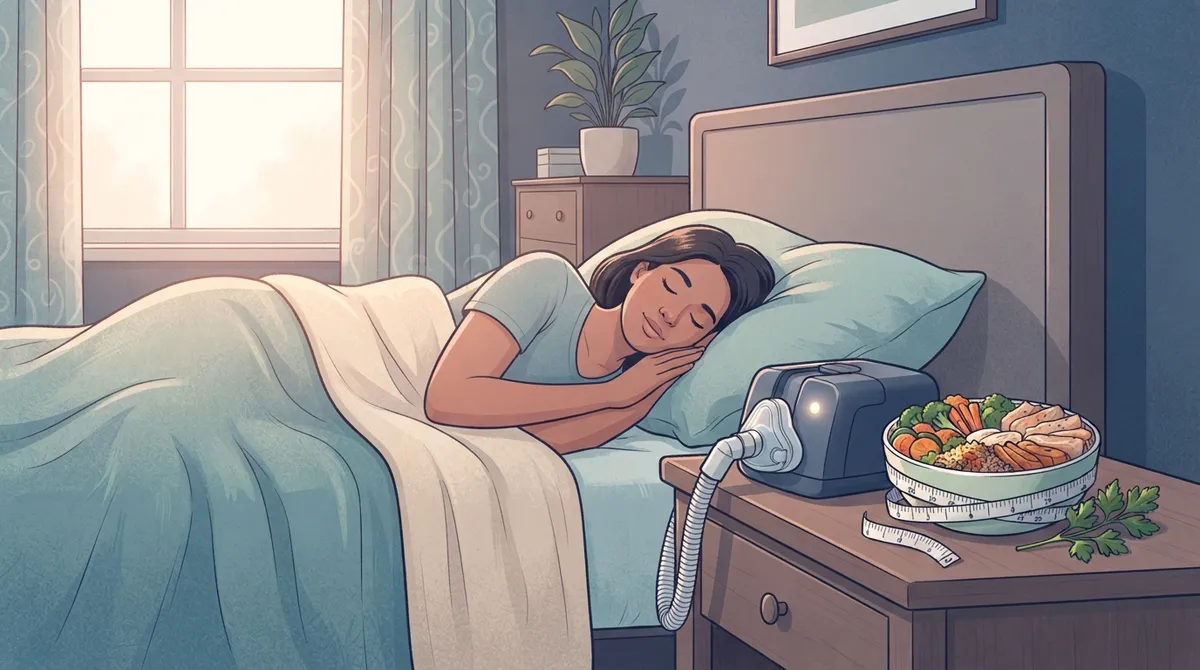
If you snore loudly, wake up tired, or have been told you stop breathing at night, you may wonder: can weight loss help sleep apnea? For many adults with extra weight, the answer is yes. Losing weight can ease pressure on the airway and lower the number of breathing pauses during sleep.
But weight loss is not a magic cure. Results vary from person to person, and some people still have sleep apnea after losing a lot of weight. It also should not replace treatments your clinician has prescribed, such as CPAP.
This guide explains how weight and sleep apnea are linked, what the research says about how much weight loss helps, and which medical options may support you. It also covers why primary care is a smart first stop for both sleep and weight concerns. Whether you are a busy parent, a young professional, or someone focused on long-term wellness, you will find clear, practical steps here.
How Excess Weight Contributes to Sleep Apnea
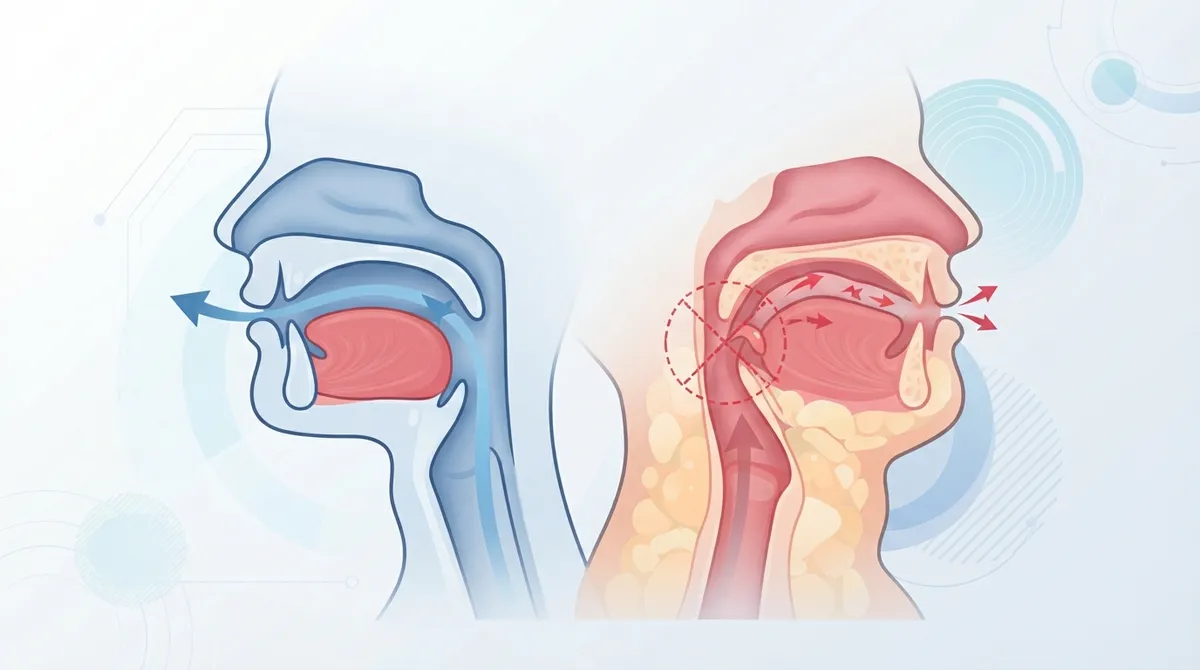
Obstructive sleep apnea (OSA) happens when the airway narrows or closes during sleep. Breathing stops for a few seconds, then restarts with a gasp or snort. This can happen dozens of times each hour.
Extra weight raises the risk in several ways:
- Fat around the neck and throat: Fat near the upper airway can make it narrower and easier to collapse.
- Fat around the belly: Abdominal fat can reduce lung volume and pull on the airway during sleep.
- Inflammation: Excess body fat can raise inflammation, which may swell airway tissue.
- Poor sleep cycles: Broken sleep can increase hunger hormones, which can make weight gain more likely.
This creates a loop. Weight gain can worsen sleep apnea, and poor sleep can make weight loss harder. Breaking the loop often takes a plan that addresses both.
Can Weight Loss Help Sleep Apnea? What the Evidence Says
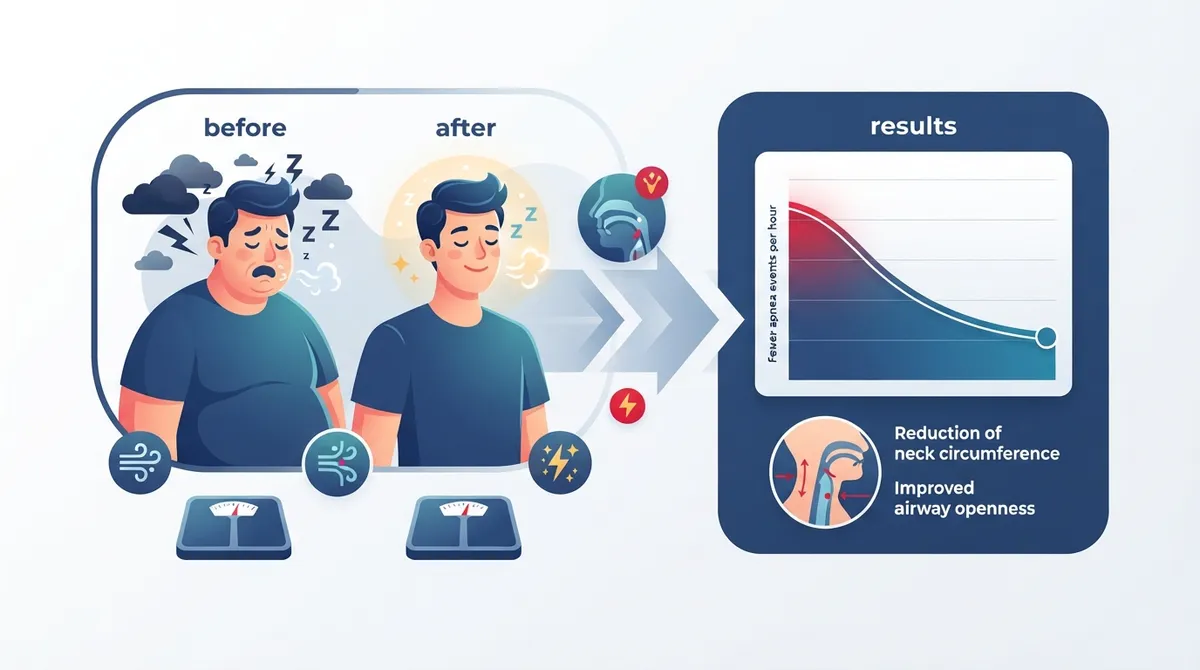
Yes, for people with overweight or obesity, weight loss can reduce the severity of obstructive sleep apnea. Doctors measure severity with the apnea-hypopnea index (AHI), which counts breathing interruptions per hour of sleep.
Here is what the research shows:
- A commonly cited estimate links a 10% gain in body weight to about a 32% rise in AHI. A 10% weight loss is linked to about a 26% drop in AHI. These are group averages, not promises for any one person.
- A 2013 meta-analysis of seven randomized trials (519 participants) found weight-loss programs lowered AHI by about 6 events per hour on average. Results varied widely between studies.
- A 2019 review of 13 randomized trials and 22 before-and-after studies (1,420 participants) found better AHI, better oxygen levels, and less daytime sleepiness after weight-loss programs.
- A 2024 meta-analysis of 10 trials (854 participants) found an average AHI drop of about 0.45 events per hour for each 1% of body weight lost.
The American Thoracic Society's 2018 guideline supports lifestyle programs for adults with OSA who have overweight or obesity. These programs combine a lower-calorie eating plan, regular activity, and behavioral support.
Why Results Vary
Not everyone responds the same way. Some people see a large drop in breathing pauses. Others see only a small change. Sleep apnea can persist after major weight loss because of other factors, such as:
- The shape of your jaw, nose, or throat
- Large tonsils or other airway structures
- Age and sex
- Sleep position and alcohol use
That is why testing and follow-up matter. Do not assume your sleep apnea is gone just because the scale is moving down.
How Much Weight Do You Need to Lose?
There is no single magic number. Even modest weight loss may help. Research suggests that bigger weight loss tends to bring bigger improvement in breathing pauses, but even a 5% to 10% loss can matter for many people.
|
Starting Weight |
5% Loss |
10% Loss |
15% Loss |
|---|---|---|---|
|
200 lbs |
10 lbs |
20 lbs |
30 lbs |
|
250 lbs |
12.5 lbs |
25 lbs |
37.5 lbs |
|
300 lbs |
15 lbs |
30 lbs |
45 lbs |
Use this table as a rough guide only. Your clinician can help you set a goal based on your health history, sleep test results, and other conditions such as high blood pressure or prediabetes.
Weight Loss Does Not Replace CPAP or Other Treatment
This point is important. Weight management works best as an add-on to standard sleep apnea care, not a substitute for it.
Please do not stop CPAP or any prescribed therapy just because you feel better or have lost weight. Instead:
- Keep using your treatment as prescribed.
- Tell your clinician about your weight changes.
- Ask whether a repeat sleep study makes sense.
- Let your care team decide if your treatment should change.
Untreated sleep apnea is linked to high blood pressure, heart rhythm problems, type 2 diabetes, and daytime fatigue. Safe follow-up testing protects your health.
Medical Weight Loss Options That May Support Sleep Apnea
Many people have tried diets on their own and found it hard to keep weight off. A medically guided plan can offer more structure and safety. Options a clinician may discuss include:
- Nutrition and activity coaching: A realistic eating plan and movement routine built around your schedule.
- Behavioral support: Help with sleep habits, stress, and food choices.
- Anti-obesity medication: For eligible patients, medicines may be used alongside lifestyle changes.
- Bariatric surgery: A referral option for some patients who meet medical criteria.
Research on medication is growing. In the 2016 SCALE Sleep Apnea trial, adults with obesity and moderate-to-severe OSA who took liraglutide 3.0 mg for 32 weeks, along with diet and exercise counseling, had a larger AHI drop than those on placebo. The study supports possible benefit, but it does not show that medication can replace standard sleep apnea treatment.
Which option fits you depends on your health history, risks, goals, and preferences. To learn how this works in practice, see what makes medical weight loss different from dieting and what to expect from weight management programs.
Tools That Make Weight Loss More Precise
Modern wellness clinics can go beyond the bathroom scale. Tracking the right numbers helps you and your clinician see what is truly changing.
- Body composition analysis: Shows fat mass versus lean muscle so you can protect muscle while losing fat. Learn more about body composition testing.
- Metabolic breath analysis: Measures how your body uses energy so your plan fits your metabolism. See metabolic breath analysis.
- Health risk assessments: Flag related issues such as blood pressure, blood sugar, and cholesterol.
These tools can be especially useful for tech-minded patients who like data and want to see progress in more detail than weight alone.
Lifestyle Habits That Support Better Sleep and Weight Loss
Small daily habits can help both your weight and your breathing at night. Consider these steps:
- Move most days. Aim for regular walking, strength training, or other activity you enjoy. Your clinician can help you choose a safe starting point.
- Eat balanced meals. Focus on protein, fiber-rich vegetables, and whole foods. Try not to eat heavy meals right before bed.
- Limit alcohol near bedtime. Alcohol can relax throat muscles and make breathing pauses more likely.
- Keep a steady sleep schedule. Consistent sleep and wake times support better hunger control.
- Try side sleeping. Some people have fewer breathing pauses when they avoid sleeping on their back.
- Stay on top of check-ins. Regular visits help you adjust your plan as your body changes.
Meal timing can also play a role in appetite control. Our guide on meal timing tips for weight loss explains how to build a routine that works.
Warning Signs That Call for a Sleep Evaluation
Weight loss is not a substitute for evaluation. See a clinician if you notice any of these signs:
- Loud, frequent snoring
- Pauses in breathing that a partner has seen
- Gasping or choking during sleep
- Morning headaches
- Heavy daytime sleepiness, even after a full night in bed
- Trouble focusing or low mood
- High blood pressure that is hard to control
You can have sleep apnea without being overweight, too. Anatomy, age, family history, and other factors play a role. That is why testing is the only way to know for sure. If you are looking for local guidance, explore our resource on finding a sleep apnea doctor in Tampa and Riverview.
Why Primary Care Is a Strong Starting Point
A primary care team can look at the whole picture. That matters because sleep apnea, weight, blood pressure, blood sugar, and heart health are closely connected. In a primary care setting, you can:
- Screen for sleep apnea symptoms and risk factors
- Check related conditions such as hypertension and diabetes
- Coordinate sleep testing or a specialist referral
- Build a safe, sustainable weight management plan
- Follow your progress and update your care over time
This coordinated approach avoids the gaps that can happen when care is split across many offices. If you are unsure whether you need a regular doctor, read why having a primary care doctor is essential for health. You can also learn how primary doctors help manage chronic illnesses that often go hand in hand with sleep apnea.
How InCare Can Help
InCare is a personalized primary care and wellness clinic serving Tampa and Riverview, Florida. Our team combines medical expertise with advanced technology to support whole-body health. For patients concerned about sleep apnea and weight, that means one place to discuss your symptoms, check your overall health, and build a plan that fits your life.
Our weight loss program is built around your goals, your health history, and measurable progress. Our primary care services help identify related risks and coordinate next steps, including sleep evaluation when needed. Virtual visits are also available for added convenience, which many busy families and professionals appreciate.
Patients often tell us what they value most is feeling heard. InCare holds a 4.8 out of 5 rating from 359 Google reviews, and you can read InCare reviews on Google to hear from them directly. You can also follow our wellness tips on Instagram, Facebook, and TikTok.
Key Takeaways
- Weight loss can reduce sleep apnea severity for people with overweight or obesity, but results vary.
- Bigger weight loss tends to bring bigger improvement, yet even modest loss may help.
- Sleep apnea can remain after weight loss, so follow-up testing matters.
- Do not stop CPAP or other prescribed treatment without your clinician's guidance.
- A medically guided plan can offer structure, safety, and better tracking than going it alone.
- Primary care can connect your sleep, weight, and overall health in one coordinated plan.
Take the Next Step Toward Better Sleep
So, can weight loss help sleep apnea? For many people, yes, and the benefits can reach beyond sleep to blood pressure, energy, and long-term health. The best results come from a safe plan guided by a clinician who understands your full health picture.
If you are ready to talk about your sleep, your weight, or both, book your appointment with InCare today. Have questions first? Contact our team and we will point you in the right direction.
FAQs
Q: Can losing weight cure sleep apnea?
A: Weight loss can reduce how severe sleep apnea is, and some people see big improvements. However, it does not reliably cure the condition, and many people still have sleep apnea afterward. A repeat sleep test can show where you stand.
Q: How much weight do I need to lose to improve sleep apnea?
A: There is no single target. Research suggests that larger weight loss tends to bring larger improvement, and even a 5% to 10% loss may help some people. Your clinician can set a goal based on your health history and sleep test results.
Q: Can I stop using CPAP after losing weight?
A: Do not stop CPAP or any prescribed sleep apnea treatment on your own. Weight loss may change how much treatment you need, but only a clinician or sleep specialist can decide that, usually after repeat testing.
Q: Can you have sleep apnea if you are not overweight?
A: Yes. Airway shape, jaw structure, large tonsils, age, and family history can all play a role. If you snore loudly, stop breathing in your sleep, or feel very tired by day, ask your clinician about a sleep evaluation.
Q: Do weight loss medications help obstructive sleep apnea?
A: Some studies show that certain weight loss medications can lower breathing pauses in adults with obesity and moderate-to-severe sleep apnea. They are used with diet and exercise support, and they do not replace standard sleep apnea treatment. A clinician can tell you whether medication is appropriate for you.


