
Key Takeaways
- GHK-Cu (copper tripeptide-1) may improve skin density and fine lines after 8-12 weeks of consistent use, but small study sizes and short durations mean findings need careful interpretation and it cannot reverse established sun damage.
- Daily broad-spectrum SPF 30+ sunscreen, reapplication every 2 hours, and avoiding peak UV hours (10 a.m.-4 p.m.) remain the single most effective sun damage prevention strategy—no topical product can replace this foundation.
- GHK-Cu cannot remove precancerous lesions, prevent skin cancer, or replace professional skin exams; any changing mole, rough scaly patch, or non-healing sore requires immediate medical evaluation, not skincare products.
- Topical GHK-Cu is generally well-tolerated but has limited long-term safety data; avoid combining it with vitamin C at the same time and alternate with retinol on different nights to reduce irritation risk.
- Injectable or compounded GHK-Cu should never be equated with topical creams as it lacks FDA approval and sufficient human evidence for photoaging treatment, making topical formulations the only evidence-based option.
- Skin health depends on whole-body wellness including hydration, nutrition, sleep, and metabolic health; a comprehensive approach with regular professional skin checks is more protective than relying on any single trendy ingredient.
Years of Florida sunshine leave a mark on your skin. Fine lines, dark spots, and rough texture often show up long before you expect them. Many people search for new ways to repair this damage, and copper peptide products keep coming up in that search. If you have wondered whether GHK-Cu can undo sun damage, you are not alone.
This guide breaks down what GHK-Cu actually is, what the science says, and where it fits into a real skin health plan. We will also cover when sun damage needs more than a skincare product. At InCare, our Tampa and Riverview teams help patients understand these options as part of a bigger picture of wellness and prevention.
What Is GHK-Cu and Why Does It Matter for Sun Damage?
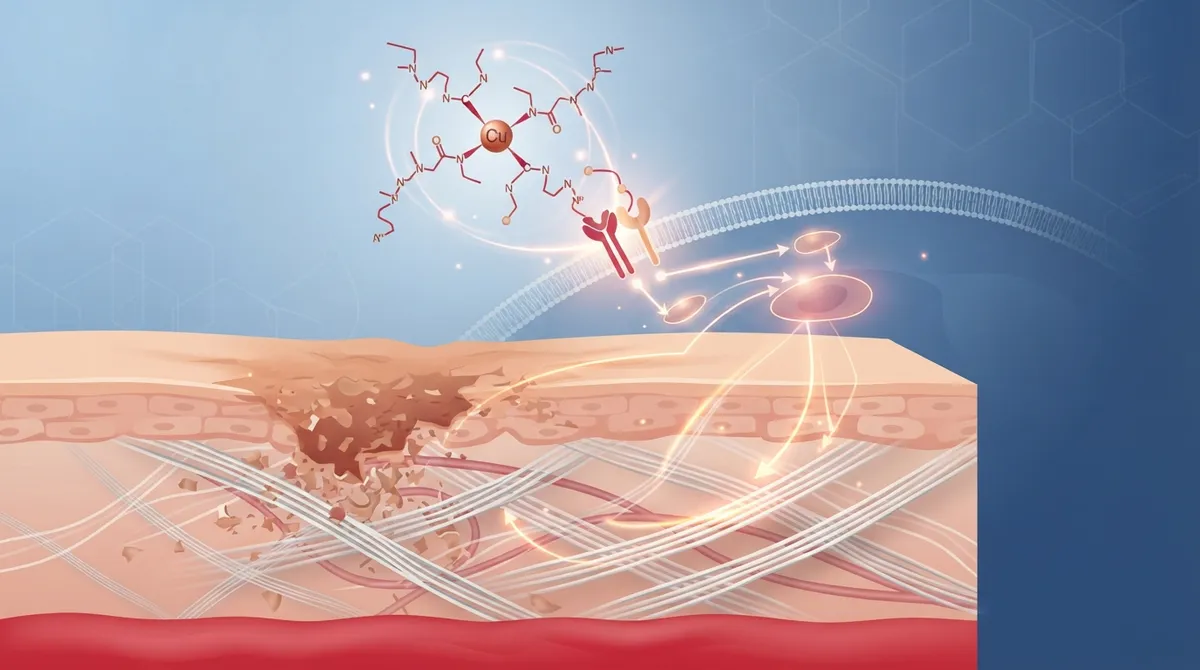
GHK-Cu stands for glycyl-L-histidyl-L-lysine copper. Most people just call it copper tripeptide-1. It is a small copper-binding peptide that occurs naturally in your body. Levels of it tend to drop as you age, which is part of why researchers got curious about it.
Scientists have studied GHK-Cu for its role in skin repair, wound healing, and collagen support. It appears to help fibroblasts, the cells that build collagen and elastin, do their job more efficiently. This matters because sun damage breaks down collagen and elastin over time.
How UV Rays Damage Your Skin
Ultraviolet radiation causes photoaging through several pathways. Understanding these helps explain why any single ingredient, including GHK-Cu, has real limits.
- UV rays cause direct damage to skin cell DNA
- Sun exposure increases oxidative stress and free radical activity
- Chronic sun exposure triggers ongoing inflammation in skin tissue
- Collagen breaks down faster than the body can replace it
- Elastin fibers become disorganized, leading to sagging and wrinkles
- Pigment-producing cells become uneven, creating sun spots
Laboratory studies suggest GHK-Cu may support some repair processes tied to these pathways. It may protect cultured skin cells from oxidative stress and encourage collagen-related activity. These are promising signals, but they come mostly from lab models, not large human trials.

What Does the Research Actually Show?
The evidence around GHK-Cu is genuinely interesting, but it is also limited. Here is an honest look at the numbers behind the buzz.
|
Study Type |
Sample Size |
Duration |
Reported Outcome |
|---|---|---|---|
|
Facial cream study (photoaged skin) |
71 women |
12 weeks |
Improved density, thickness, less laxity and fine lines |
|
Eye-area cream study |
41 women |
~12 weeks |
Improved periorbital lines and skin density |
|
Comparative procollagen study |
Small sample |
Not specified |
~70% improvement vs. 50% (vitamin C) and 40% (retinoic acid) |
These numbers look encouraging at first glance. But small sample sizes and short study periods mean the findings need to be read carefully. There is no large, independently verified trial confirming that GHK-Cu reverses sun damage on its own. The comparative procollagen figures come from secondary reviews, not head-to-head clinical trials against prescription retinoids.
What GHK-Cu Cannot Do
It is just as important to understand the limits of this peptide as it is to understand its potential benefits.
- It cannot remove precancerous lesions such as actinic keratoses
- It is not proven to prevent skin cancer
- It cannot replace an in-person skin exam by a clinician
- It has no FDA-approved indication for treating sun damage or photoaging
- It will not undo years of unprotected sun exposure in a few weeks
If you notice a changing mole, a rough scaly patch, or a spot that will not heal, that calls for medical evaluation, not a skincare product. Our cancer screening services at InCare are designed to catch these issues early, when they are most treatable.
Topical vs. Injectable GHK-Cu: What Is the Difference?
Not all GHK-Cu products are the same, and mixing them up can lead to confusion or unsafe choices.
|
Feature |
Topical GHK-Cu |
Injectable/Compounded GHK-Cu |
|---|---|---|
|
Common use |
Cosmetic creams and serums |
Not standard for sun damage treatment |
|
Evidence level |
Small human studies, lab research |
Insufficient human evidence for skin indications |
|
Regulatory status |
Sold as cosmetic ingredient |
Not FDA-approved for photoaging |
|
Typical tolerance |
Generally well tolerated |
Long-term safety data limited |
Injectable or compounded GHK-Cu should never be treated as equal to a topical cream. The research simply does not support using injections specifically for sun-damaged skin. If you are curious about peptide-based options in general, our peptide therapy program in Tampa can help you understand what is medically appropriate for your goals.
How Long Does It Take to See Results?
Most human studies on topical GHK-Cu run for about 8 to 12 weeks. There is no strong evidence supporting faster results with higher doses or more frequent use. Patience and consistency matter more than aggressive application.
Steps for Using Topical GHK-Cu Responsibly
- Talk with a clinician before adding any new active ingredient to your routine
- Patch test the product on a small area of skin first
- Apply consistently for at least 8 to 12 weeks before judging results
- Always pair it with daily broad-spectrum sunscreen
- Watch for irritation, redness, or breakouts and stop if they occur
- Schedule a skin check if you notice new or changing spots
The Foundation: Sun Protection Still Comes First
No peptide, serum, or supplement replaces basic sun protection. This is the single most effective way to prevent further damage and give your skin a chance to repair itself.
- Wear broad-spectrum sunscreen with SPF 30 or higher every day
- Reapply sunscreen every two hours when outdoors
- Wear hats, sunglasses, and protective clothing during peak sun hours
- Seek shade between 10 a.m. and 4 p.m. when UV rays are strongest
- Avoid tanning beds entirely
- Schedule regular skin exams, especially if you have a history of sunburns
Think of GHK-Cu as a possible supporting player, not the star of the show. Sun protection is the real foundation of skin health. Our team frequently discusses this during annual wellness visits, where prevention is always the priority.
Can GHK-Cu Be Combined with Other Skincare Ingredients?
Many patients ask if GHK-Cu can be layered with retinol, vitamin C, or sunscreen. In general, copper peptides are considered compatible with most skincare routines, though timing matters.
- Copper and vitamin C can sometimes reduce each other's effectiveness if applied together, so many people use them at different times of day
- Retinol and GHK-Cu are often used on alternating nights to reduce irritation risk
- Sunscreen should always be the last step in a morning routine, regardless of other actives
- Layering too many active ingredients at once increases the risk of redness and sensitivity
If your skin reacts poorly to a new combination, stop and consult a clinician. A primary care visit is a good place to start if you are unsure how new products interact with existing conditions or medications.
Who Should Be Cautious with GHK-Cu Products?
Most people tolerate topical copper peptides reasonably well, but certain situations call for extra care.
- People with open wounds or active skin infections
- Those with a known copper allergy or sensitivity
- Anyone with persistent redness, itching, or irritation after use
- People with suspicious or changing pigmented lesions
- Pregnant or breastfeeding individuals, who should check with a clinician first
According to the National Institutes of Health, published research on GHK-Cu remains dominated by small trials and lab studies, which is why long-term safety data is still limited (source: NIH PMC research review). This does not mean the ingredient is unsafe. It simply means expectations should stay realistic.
When Should You See a Primary Care Clinician About Sun Damage?
Skincare products, including GHK-Cu, are not a substitute for medical evaluation. Certain signs mean it is time to book an appointment rather than wait and see.
- A mole that has changed in size, shape, or color
- A rough, scaly patch that does not go away, which may indicate actinic keratosis
- A sore that bleeds, crusts, or will not heal
- New dark spots appearing quickly or growing rapidly
- Any spot that looks different from the others on your skin
Our providers, including Dr. Naveen Paddu, Dr. Pramjeet Ahluwalia, and Dr. Teshy John, regularly evaluate skin concerns as part of comprehensive primary care. Early evaluation matters far more than any topical treatment. You can review our full provider team to find the right fit for your care.
Why Whole-Body Wellness Matters More Than a Single Ingredient
Skin health does not exist in isolation. Hydration, nutrition, sleep, and metabolic health all influence how your skin looks and repairs itself. At InCare, we look at the full picture rather than chasing one trendy ingredient.
- IV hydration and vitamin drips can support overall wellness and hydration levels
- DNA gene testing may reveal predispositions related to skin aging and sun sensitivity
- Body composition analysis tracks broader health trends that affect skin quality
- Routine cancer screenings remain the gold standard for catching skin cancer early
This kind of comprehensive approach is why so many patients trust InCare with both their everyday health needs and their longer-term wellness goals. You can see what real patients say by visiting our testimonials page, or check out patient feedback and updates on our Facebook and Instagram pages.
Setting Realistic Expectations
GHK-Cu is a legitimate area of scientific interest, and the early findings are worth paying attention to. But it is not a miracle fix for sun damage. Think of it as one small piece of a much bigger skin health puzzle that includes sunscreen, regular checkups, and professional guidance.
If you have concerns about sun damage, unusual spots, or general skin health, a conversation with a primary care clinician is the smartest first step. Our team can help you separate solid science from marketing claims, and guide you toward choices that actually protect your long-term health.
Ready to talk with someone about your skin and overall wellness goals? Get in touch with our team today, or go ahead and schedule your appointment now. You can also see what patients across Tampa and Riverview are saying by checking out our InCare reviews on Google, or follow along with wellness tips on TikTok.
FAQs
Q: Can GHK-Cu repair sun-damaged skin?
A: Small human studies suggest topical GHK-Cu may improve skin density, fine lines, and elasticity after 8 to 12 weeks of use. However, it cannot reverse established sun damage or replace medical evaluation for suspicious lesions.
Q: Does GHK-Cu protect skin from UV radiation?
A: GHK-Cu is not a sunscreen and does not block UV rays. It may support repair processes after sun exposure, but daily broad-spectrum sunscreen remains essential for prevention.
Q: Is GHK-Cu better than retinol or vitamin C for photoaging?
A: Current evidence is too limited to say GHK-Cu outperforms prescription retinoids or vitamin C. Some small comparative studies show promising procollagen results, but larger trials are needed before making that claim.
Q: Is injectable GHK-Cu safe for treating sun damage?
A: Injectable or compounded GHK-Cu is not equivalent to topical cosmetic formulations, and human evidence for this use is insufficient. It is not an FDA-approved treatment for sun damage or photoaging.
Q: When should sun-damaged skin be examined by a clinician?
A: See a primary care clinician if you notice a changing mole, a rough scaly patch, a sore that will not heal, or any new spot that looks different from others. These signs require professional evaluation, not just skincare products.