
Key Takeaways
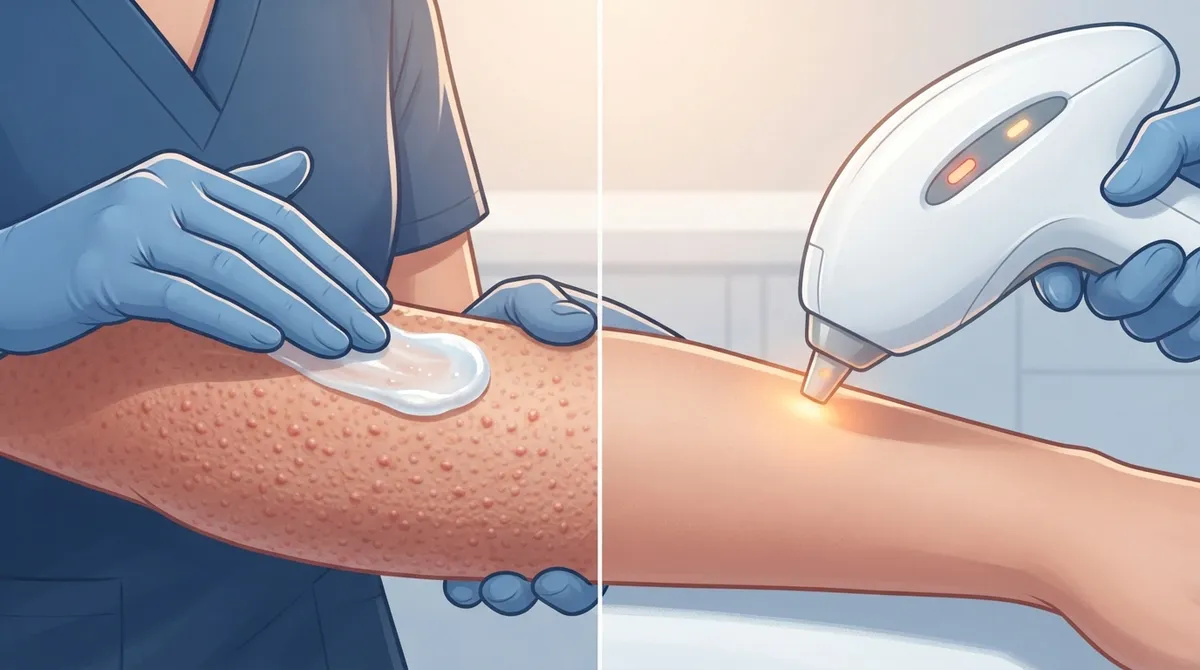
- Start with first-line treatments like daily moisturizers and keratolytics (lactic acid, urea, salicylic acid) before considering laser, as these are lower-risk and often effective for most people with KP.
- Laser treatment may improve texture or redness for some people, but evidence is limited and results vary by individual; the 810-nm diode laser showed texture improvement in skin types I-III over three sessions spaced 4-5 weeks apart.
- Laser is not a permanent cure for KP—bumps can return over time, requiring ongoing maintenance care like moisturizing and gentle exfoliation to sustain results.
- Get a confirmed diagnosis from a primary care clinician before pursuing laser treatment, as other skin conditions can mimic KP, and discuss your specific skin tone and goals to choose the safest device and settings.
Rough, bumpy skin on the upper arms or thighs can be frustrating. Many people call it "chicken skin." The medical name is keratosis pilaris, or KP. It is harmless, but it can make you feel self-conscious. If creams have not helped enough, you may wonder if a laser for KP is worth trying.
The short answer is: maybe. Some lasers and light devices show promise for rough texture and redness. But the research is still small, and results are not guaranteed. This guide explains what KP is, how lasers may help, what the evidence says, and what to do first. It also covers the risks, the cost of waiting, and how a primary care team can help you decide on a safe next step in 2026.
What Is Keratosis Pilaris (KP)?
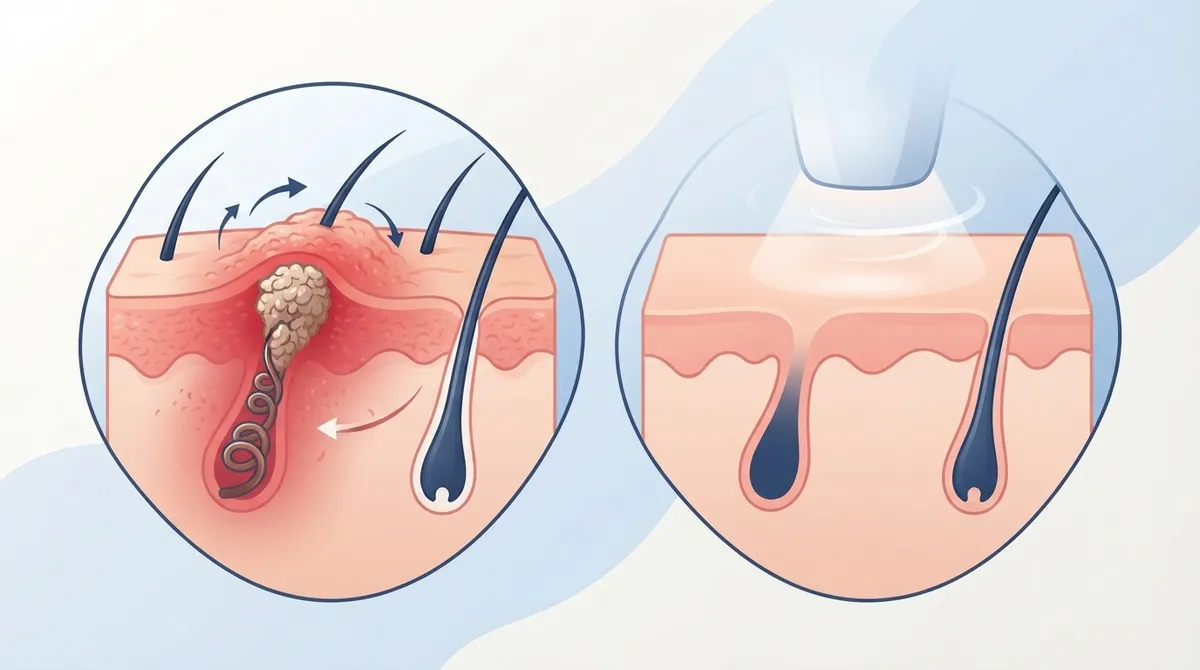
Keratosis pilaris is a common, benign skin condition. A protein called keratin builds up and plugs hair follicles. This causes small, rough bumps. They often show up on the upper arms and thighs. Some people also see redness or darker marks around the bumps.
KP is very common. One review cites a prevalence of around 40% in the general population, though estimates vary by study. It is not contagious and not dangerous. It often looks worse in dry weather and may improve with age.
Common Signs of KP
- Small, rough bumps that feel like sandpaper
- Bumps on the upper arms, thighs, cheeks, or buttocks
- Mild redness or pink color around the bumps
- Brown or dark spots in some skin tones
- Dry skin that gets worse in winter
Does a Laser for KP Actually Work?
Laser and light treatments are an option for persistent KP. They are most often considered when moisturizers and topical treatments have not worked well enough. A 2024 review of KP treatments looked at 459 articles after removing duplicates. It included 52 studies with real treatment-outcome data. The authors found that laser and light treatments have a comparatively solid evidence base. They also noted that studies use different outcome measures. Stronger research is needed before firm recommendations can be made.
Here is what that means in plain terms. Lasers may help some people. But we do not yet have enough large, long-term studies to promise results. Treatment should be tailored to each person by a qualified clinician.
What One Clinical Trial Found
A 2015 randomized, rater-blinded trial tested an 810-nm diode laser. Participants had three treatments, spaced 4 to 5 weeks apart. People with Fitzpatrick skin types I to III saw better skin texture and less roughness and bumpiness. However, baseline redness did not improve in that study.
A small randomized, evaluator-blinded study of a long-pulsed 1064-nm Nd:YAG laser is also cited by the American Academy of Dermatology. The findings suggest possible improvement. Still, the evidence is not strong enough to name one best protocol for everyone.
Which Types of Laser Are Used for KP?
Different devices target different features of KP. Some aim at rough texture and bumps. Others aim at redness. The right choice depends on your main concern and your skin tone.
|
Device Type |
Main Target |
What the Evidence Suggests |
|---|---|---|
|
1064-nm Nd:YAG laser |
Roughness and bumps |
Appears promising in small studies; no single best protocol |
|
810-nm diode laser (hair removal type) |
Texture and bumpiness |
Improved texture in skin types I to III in a 2015 trial |
|
Pulsed-dye laser |
Redness |
Used mainly to reduce redness around bumps |
|
Other light-based devices |
Varies |
Limited and inconsistent data |
Longer-wavelength lasers, such as the Nd:YAG, are often discussed for people with darker skin. But safety still depends on the device, the settings, and the clinician's skill.
How Many Laser Sessions Might You Need?
There is no single answer. In the 2015 diode laser trial, patients received three sessions. Each was spaced 4 to 5 weeks apart. Real-world plans may differ based on your skin, your goals, and the device used.
It is also important to know that laser is not a cure. KP can return over time. Many people need maintenance care, such as regular moisturizing and gentle exfoliation, to keep results.
What to Expect Over Time
- A skin check to confirm the diagnosis is KP.
- A talk about your goals, such as texture, redness, or dark marks.
- A review of your skin tone and past skin reactions.
- A planned series of treatments, often spaced several weeks apart.
- Aftercare steps, such as sun protection and gentle skin care.
- Ongoing home care to help maintain results.
Because studies are small and often have short follow-up, reliable long-term results are not yet established. Ask your clinician to be honest about what is known and unknown.
What Are the Risks and Side Effects?
Laser treatment is not risk free. Side effects depend on the device and your skin type. Pigment changes deserve special attention in darker skin tones.
- Temporary discomfort during treatment
- Redness and swelling
- Burns or blisters in rare cases
- Scarring in rare cases
- Lighter or darker patches of skin
A qualified clinician should look at your skin tone, treatment goals, device choice, and aftercare plan before you start. Do not treat KP with lasers from untrained providers or at-home devices without medical guidance.
Try These First-Line Treatments Before Laser
For most people, the first step is simple skin care. Laser is usually an optional cosmetic add-on, not the starting point. Standard first-line care includes regular moisturizing and topical keratolytics. These help loosen and remove the keratin plugs.
Common First-Line Options
- Daily moisturizer: Thick creams or ointments help soften rough skin.
- Lactic acid: A gentle exfoliating ingredient that smooths texture.
- Urea creams: Hydrate and loosen dead skin cells.
- Salicylic acid: Helps unclog follicles.
- Topical retinoids: A clinician may consider these for some people.
Avoid harsh scrubbing. It can irritate your skin and make redness worse. Short, lukewarm showers and gentle cleansers also help. Give any new routine several weeks before judging the results.
Why Start With a Primary Care Visit?
Not every rough, bumpy patch is KP. Other skin problems can look similar. A clear diagnosis keeps you from spending money on the wrong treatment. A primary care clinician can check your skin, review your health history, and suggest a safe plan. This may include prescription creams or a referral if you need a specialist for laser care.
At InCare, our team focuses on whole-body wellness and personalized care. You can learn more about our approach on our primary care page, or read how a wellness doctor supports your long-term health. If you want to understand the first steps, see what happens during an annual physical exam.
Skin changes can also tie into overall health, such as hydration, nutrition, and hormones. Our skin recovery guide and our related article on why rough skin bumps keep coming back offer helpful background. You can also explore our keratosis pilaris laser options guide for more detail.
When Should You See a Clinician About Bumpy Skin?
Most KP is mild. But you should get checked if you notice any of these signs:
- You are not sure the bumps are KP.
- The skin is painful, very inflamed, or oozing.
- The bumps are spreading or changing fast.
- Home care has not helped after several weeks.
- You are thinking about laser treatment and want safe options.
Getting care early can save time and protect your skin. If you live near Tampa or Riverview, you can see our locations and meet our providers. Want to hear from real patients? Visit us on Google — InCare and read the reviews from our Tampa Bay community.
Realistic Goals for Smoother Skin in 2026
KP is a long-term skin trait for many people. The goal is usually better texture and less redness, not perfect skin. A good plan blends daily care, patience, and, if needed, a carefully chosen laser. Social channels can also share skin care tips and updates, and you can follow InCare on Instagram, Facebook, and TikTok for health and wellness education.
For more information on skin conditions from a trusted source, see the American Academy of Dermatology guide to keratosis pilaris.
Conclusion: Start With a Safe, Simple Plan
A laser for KP may help smooth rough skin or calm redness for some people. Early studies are encouraging, especially for texture. But the evidence is still limited, and results vary. The smartest path is to confirm your diagnosis, try proven skin care first, and talk with a qualified clinician about whether laser makes sense for you.
Ready to take the first step? Book Now to talk with the InCare team about your skin and overall wellness, or contact us with any questions. We will help you build a plan that fits your goals and your health.
FAQs
Q: Does laser treatment work for keratosis pilaris?
A: Laser treatment may improve rough texture or redness for some people. Small studies show promise, but the evidence is limited and results are not guaranteed. A qualified clinician can help decide if it fits your skin and goals.
Q: Which laser is best for KP?
A: No single laser is proven best for everyone. Nd:YAG and diode lasers are often studied for roughness and bumps, while pulsed-dye lasers are used mainly for redness. The right choice depends on your skin tone and main concern.
Q: Does laser remove KP permanently?
A: Laser is not a cure for KP, and bumps can return over time. Many people need ongoing home care, such as moisturizing and gentle exfoliation, to maintain results. Long-term data are still limited.
Q: Is laser for KP safe for darker skin tones?
A: Laser can carry a higher risk of pigment changes in darker skin, so device choice and settings matter. A trained clinician should assess your skin tone before treatment. Always discuss risks and aftercare first.
Q: Should I try creams before laser for KP?
A: Yes, most clinicians suggest starting with daily moisturizer and keratolytics such as lactic acid, urea, or salicylic acid. These are lower risk and often help. Laser is usually considered when these steps are not enough.


