

Key Takeaways
- FDA-approved peptides like semaglutide and tirzepatide have strong clinical evidence, while unapproved peptides like BPC-157 and ipamorelin lack human safety data; compounded versions carry extra risks with 990+ adverse reports linked to compounded semaglutide through May 2026.
- A responsible Tampa clinic must conduct medical history review, physical exams, baseline lab testing, contraindication screening, and clear FDA approval status explanation before prescribing; avoid clinics that pressure quick sales without thorough evaluation.
- Monthly peptide injection costs in Tampa range from $200-$600 in 2026; always request full cost breakdowns including lab work and follow-up visits to avoid hidden fees and identify red flag clinics.
- Verify provider credentials, pharmacy licensing, exact product ingredients, FDA approval status for your intended use, and monitoring plans before choosing a clinic; combine peptide therapy with primary care, nutrition guidance, and lifestyle changes for better results.
Peptide injections have become one of the most talked-about wellness trends in Tampa. Ads promise faster muscle recovery, weight loss, better sleep, and a younger-looking body. But not all peptides are created equal, and not all of them are legal or safe. Before you book an appointment, it helps to know the difference between proven, FDA-approved treatments and unproven products sold at wellness spas without real medical oversight.
In 2026, Tampa has roughly 56 clinics offering some form of peptide therapy, according to local directory listings. That number includes primary care practices, hormone clinics, med spas, and telehealth companies. Some offer FDA-approved medicines like semaglutide and tirzepatide for weight loss and diabetes. Others sell compounded or investigational peptides such as BPC-157, ipamorelin, and TB-500, which carry far less research behind them. Understanding this difference is the key to protecting your health and your wallet.
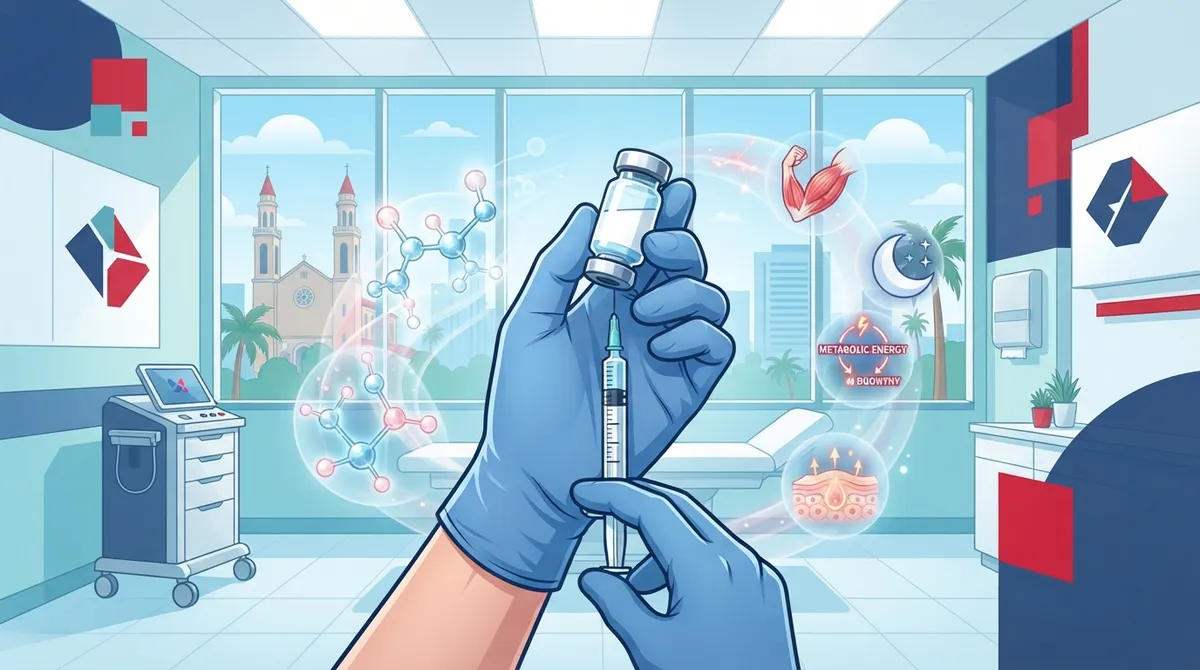
What Are Peptide Injections Used For in Tampa Wellness Clinics?
Peptides are short chains of amino acids that act like tiny messengers in your body. In Tampa's primary care and wellness clinics, peptide injections are marketed for a wide range of goals, including:
- Weight loss and appetite control
- Muscle recovery and tissue repair
- Anti-aging and skin health
- Sleep improvement
- Sexual health and hormone balance
- General energy and metabolic support
Some of these uses are backed by strong clinical evidence. Others are based mostly on marketing claims and small animal studies. That gap is why choosing a clinic with real medical expertise matters so much. At InCare, our providers evaluate each patient before recommending any peptide-based treatment, rather than selling injections based on a wellness trend alone.
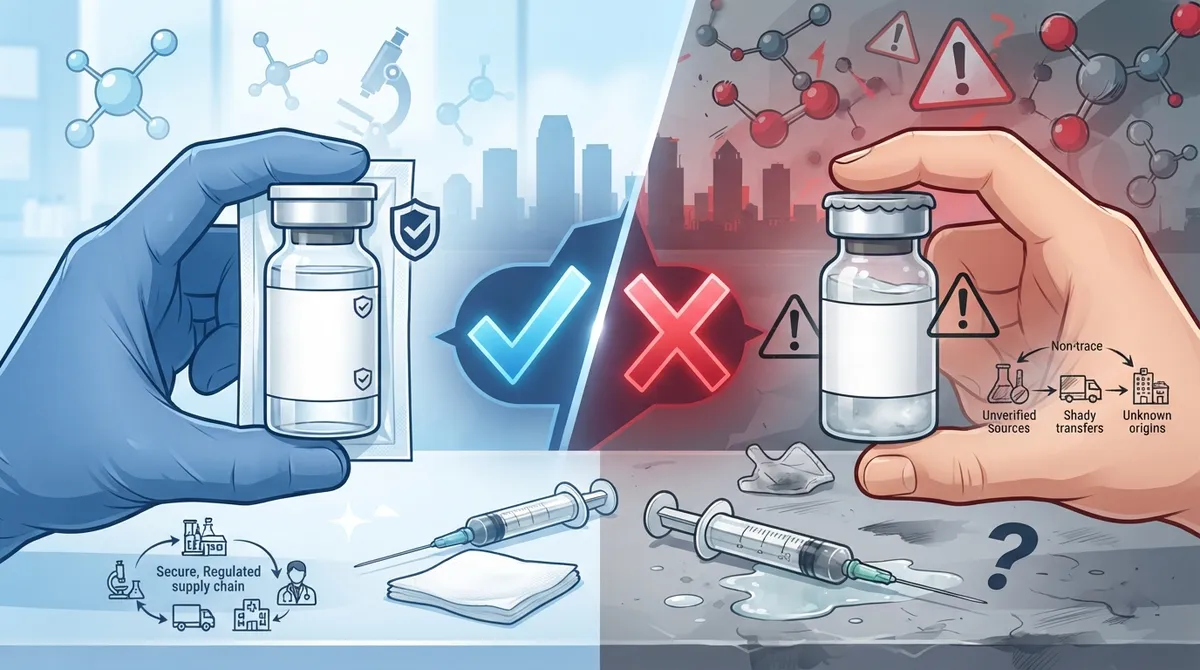
FDA-Approved vs. Unapproved Peptides: What's the Real Difference?
This is the most important distinction to understand before starting any peptide program. FDA approval means a drug has gone through rigorous testing for safety and effectiveness for a specific use. It does not mean every version of that drug, or every peptide marketed alongside it, is equally safe.
FDA-Approved Peptide Medications
Semaglutide and tirzepatide are two of the best-known peptide-based medicines. They are FDA-approved under specific brand names for specific conditions:
|
Medication |
Brand Name |
FDA-Approved Use |
|---|---|---|
|
Semaglutide |
Ozempic |
Type 2 diabetes |
|
Semaglutide |
Wegovy |
Chronic weight management |
|
Tirzepatide |
Mounjaro |
Type 2 diabetes |
|
Tirzepatide |
Zepbound |
Chronic weight management |
Other FDA-approved peptide therapies have narrow, specific uses. Tesamorelin, for example, is approved only for HIV-associated lipodystrophy. Bremelanotide is approved only for a specific sexual health condition in certain premenopausal women. Neither of these approvals supports broad anti-aging claims you might see in an advertisement.
Unapproved and Investigational Peptides
Many peptides sold in wellness settings are not FDA-approved for the uses being advertised. This includes BPC-157, ipamorelin, sermorelin, injectable GHK-Cu, CJC-1295, and TB-500. These substances may show promise in early research or animal studies, but human safety and effectiveness data remain limited. The FDA has specifically flagged safety and regulatory concerns tied to several of these compounds.
Compounded semaglutide and tirzepatide fall into a similar gray area. Even though the original brand-name drugs are approved, compounded versions made by pharmacies are not FDA-approved products. The FDA does not review these compounded versions for safety, effectiveness, or quality before they reach patients.
Why Compounded Peptides Carry Extra Risk
According to FDA data through May 2026, there have been 990 adverse-event reports linked to compounded semaglutide and more than 730 linked to compounded tirzepatide. These reports don't prove the compounded drug caused every problem, but the FDA has specifically called out dosing errors and serious symptoms in a number of cases.
Common concerns with compounded or unregulated peptide products include:
- Incorrect concentration or dosing errors
- Contamination during preparation
- Unknown long-term health effects
- Fraudulent labeling or false ingredient claims
- Drug interactions that go unscreened
This doesn't mean every compounding pharmacy is unsafe. It means patients need to ask direct questions about licensing, ingredient sourcing, and quality testing before starting treatment. A responsible clinic will answer these questions clearly and without hesitation.
What a Responsible Tampa Clinic Should Do Before Prescribing Peptides
Peptide therapy should never be a one-size-fits-all sale. A trustworthy primary care and wellness clinic will take time to understand your full health picture first. This typically includes:
- A detailed medical history and current medication review
- A physical exam when clinically appropriate
- Laboratory testing to check baseline health markers
- Screening for contraindications specific to the peptide being considered
- A clear explanation of FDA approval status for the exact product being used
- An ongoing monitoring and follow-up plan
This process protects you from starting a treatment your body isn't ready for, or one that interacts poorly with an existing condition. At InCare, our approach to peptide therapy in Tampa starts with this kind of thorough evaluation, not a quick sale.
How Much Do Peptide Injections Cost in Tampa?
Pricing varies widely depending on the medication, clinic, and treatment plan. In 2026, commonly advertised monthly peptide protocols in Tampa range from about $200 to $600. Several factors affect your final cost:
- Whether the product is FDA-approved or compounded
- Consultation and lab testing fees
- Frequency of follow-up visits
- Insurance coverage, which is often limited for wellness-focused peptides
- Dosage strength and treatment duration
Before committing to any program, ask for a full cost breakdown, including lab work and follow-up visits. A clinic that hides pricing details or pressures you into a long-term contract before an evaluation is a red flag.
Weighing Potential Side Effects and Risks
Every peptide carries some level of risk, even FDA-approved ones. GLP-1 medications like semaglutide and tirzepatide commonly cause gastrointestinal symptoms such as nausea, especially during dose escalation. These medications require careful screening for certain medical conditions before starting.
Investigational peptides carry additional unknowns. Because human trials are limited, side effects may not be fully documented. Potential risks across various peptides include:
- Allergic or immune reactions
- Injection-site pain, swelling, or infection
- Contamination-related illness
- Unpredictable interactions with existing medications
- Unknown effects with long-term use
This is why ongoing monitoring matters just as much as the initial consultation. A qualified provider will watch for warning signs and adjust your plan as needed.
How to Choose a Reputable Peptide Clinic in Tampa
With dozens of clinics advertising peptide therapy across the Tampa Bay area, it pays to be selective. Before choosing a provider, verify the following:
- The prescribing clinician's credentials and licensing
- Whether the pharmacy supplying the peptide is properly licensed
- The exact active ingredient and concentration in your product
- Whether the specific product is FDA-approved for your intended use
- What monitoring and follow-up care is included
- The total cost, including hidden fees
- How adverse effects would be reported and handled
A clinic that welcomes these questions and provides clear answers is one worth trusting. InCare's team, including Dr. Naveen Paddu and Dr. Pramjeet Ahluwalia, takes this transparent approach with every patient considering hormone or peptide-related treatments.
Peptide Therapy as Part of a Bigger Wellness Picture
Peptide injections work best as one piece of a larger health strategy, not a stand-alone fix. Combining any peptide treatment with regular primary care, updated lab work, and lifestyle changes gives you a much better shot at lasting results. Many patients pair peptide consultations with services like body composition analysis or DNA gene testing to build a more complete picture of their health before starting treatment.
If weight management is your main goal, it's also worth comparing peptide options with structured medical weight loss programs, which often combine FDA-approved medications with nutrition guidance and regular check-ins. This kind of coordinated care tends to outperform any single injection on its own.
For added support during treatment, some patients also explore IV hydration and vitamin therapy to help manage side effects like nausea or fatigue that can occur during dose adjustments.
Why InCare Is a Trusted Choice for Peptide Therapy in Tampa and Riverview
InCare combines medical expertise with a transparent, patient-first approach to peptide therapy. Rather than pushing trendy products, our team focuses on evaluating your specific health needs, checking for contraindications, and clearly explaining the FDA status of any recommended treatment. With locations in Tampa and Riverview, patients have access to in-person consultations, lab testing, and ongoing monitoring throughout their care.
Our providers also stay current on FDA updates regarding compounded medications, helping patients avoid the risks tied to unregulated products. You can follow ongoing health tips and updates from our team on Facebook and Instagram, or see real patient experiences and behind-the-scenes content on TikTok.
Curious what other patients say about their experience? You can visit us on Google — InCare to read reviews from real Tampa and Riverview patients before scheduling your own visit.
Frequently Asked Questions About Peptide Injections in Tampa
If you still have questions about starting peptide therapy, our FAQ section below covers the most common concerns patients bring to their first consultation.
Take the Next Step Toward Safe, Personalized Care
Peptide injections can offer real benefits when they're backed by proper testing, medical oversight, and FDA-approved products. But the wellness industry is full of shortcuts that put patients at risk. Before you start any peptide program in Tampa, make sure you're working with a clinic that prioritizes your safety over a quick sale.
Ready to find out if peptide therapy fits your health goals? Book your consultation with InCare today and get a personalized plan built around real medical evaluation, not guesswork.
FAQs
Q: Are peptide injections in Tampa FDA-approved and safe?
A: It depends on the specific product. Semaglutide and tirzepatide are FDA-approved under brand names like Ozempic, Wegovy, Mounjaro, and Zepbound for specific conditions. Many other peptides, including BPC-157 and ipamorelin, are not FDA-approved and carry limited human safety data.
Q: What is the difference between semaglutide, tirzepatide, and other peptide therapies?
A: Semaglutide and tirzepatide are FDA-approved prescription medicines with strong clinical research behind them for diabetes and weight management. Many other wellness peptides, such as sermorelin and TB-500, lack this level of evidence and are not approved for the uses commonly advertised.
Q: How much do peptide injections cost in Tampa?
A: Monthly peptide protocols in Tampa typically range from about $200 to $600 in 2026. Final costs depend on the specific medication, whether it's compounded, consultation fees, lab testing, and how often follow-up visits are required.
Q: Do I need blood tests or a medical consultation before starting peptide therapy?
A: Yes. A responsible clinic will review your medical history, screen for contraindications, and often order lab testing before starting any peptide treatment. This step helps identify risks and ensures the therapy fits your specific health profile.
Q: How can I choose a reputable peptide clinic in Tampa?
A: Look for a clinic that verifies the prescribing provider's credentials, discloses the exact active ingredient and FDA approval status, and offers ongoing monitoring. Reputable clinics are transparent about costs and never pressure patients into treatment without a proper evaluation.