

Key Takeaways
- Tirzepatide works mainly by reducing appetite through GIP and GLP-1 receptors in brain areas that control hunger, so people eat fewer calories without strict restriction.
- It does not burn fat directly; it helps you feel satisfied with less food, and its effects work best combined with a reduced-calorie diet, protein intake, and regular activity.
- In the SURMOUNT-1 trial, adults lost an average of 15% to 20.9% of body weight over 72 weeks at the 5 mg to 15 mg doses, versus 3.1% with placebo, though individual results vary.
- Slowed stomach emptying adds to early fullness but fades over time, so it is not the main reason for lasting weight loss; weight can return after stopping without lasting habit changes.
Weight loss medicine has changed fast, and many patients now ask the same question: how does tirzepatide cause weight loss? The short answer is that it acts on two gut hormone pathways that control hunger, fullness, and blood sugar. It is not a fat burner. It helps your body feel satisfied with less food.
Tirzepatide is a once-weekly injection that activates both GIP and GLP-1 receptors. In the United States, the weight-management brand is Zepbound. It is used with a reduced-calorie eating plan and more physical activity. In the largest trial to date, adults lost an average of 15% to 20.9% of body weight over 72 weeks. Results vary, and care should always be guided by a clinician.
Below are nine ways this medicine works, followed by what to expect and how primary care can help. At InCare, we use this kind of science to build safe, personalized plans for busy adults and families in Tampa and Riverview.
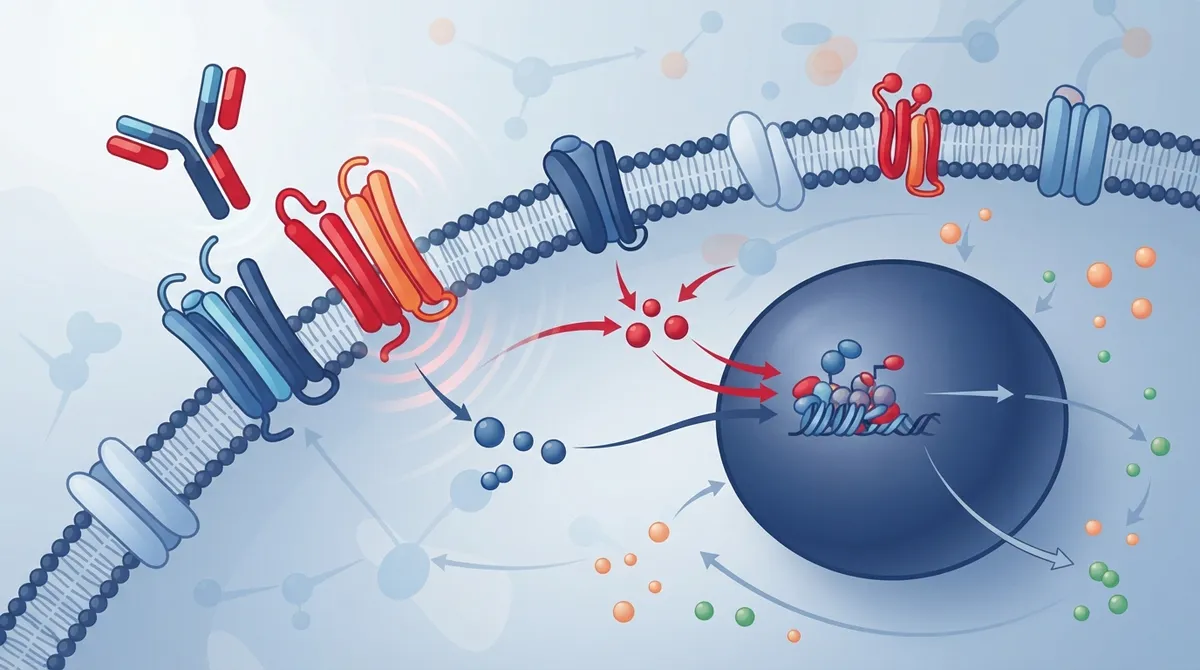
1. It Activates Two Hormone Receptors at Once
Tirzepatide is called a dual agonist. It turns on both the glucose-dependent insulinotropic polypeptide (GIP) receptor and the glucagon-like peptide-1 (GLP-1) receptor. Your gut makes these hormones naturally after you eat.
By copying them, the medicine strengthens the body's own fullness signals. This two-pathway approach is the main reason tirzepatide is often discussed alongside older single-pathway options. For a closer look at how these two options differ, see our guide on tirzepatide vs. semaglutide weight loss injections.
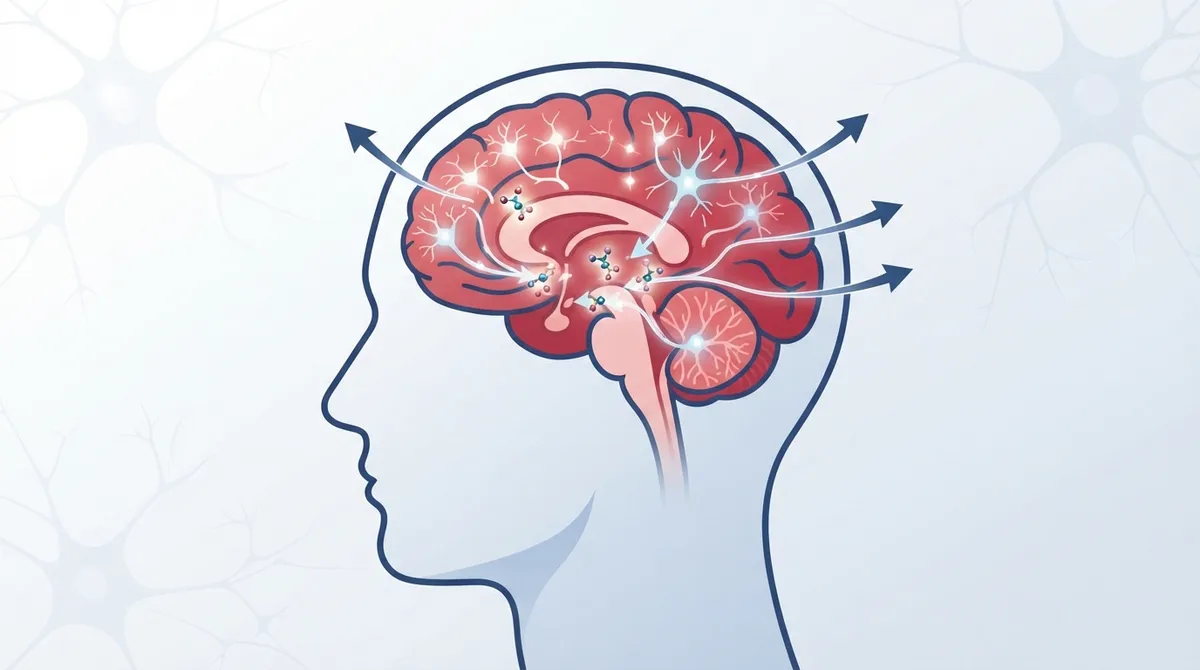
2. It Reduces Appetite in the Brain
FDA labeling states that tirzepatide's effects are likely mediated by appetite regulation. GIP and GLP-1 receptors are found in brain areas that control appetite and food intake.
When those receptors are activated, many patients notice fewer cravings and less constant thinking about food. This is why reduced calorie intake is considered the main pathway to weight loss. People simply eat less without feeling as deprived.
3. It Helps You Feel Full Sooner
Patients often describe feeling satisfied after smaller meals. The hormone signals tell the brain that the stomach has had enough. This effect is easier to notice in the first weeks of treatment.
Meal timing also matters. Eating slowly and choosing protein-rich foods can support these fullness cues. Our article on meal timing tips for weight loss offers practical ideas.
4. It Slows Stomach Emptying
Tirzepatide delays how fast food leaves the stomach. This effect is strongest after the first dose and tends to fade over time. It adds to the feeling of fullness early in treatment.
Because this effect weakens, it is not the full explanation for lasting weight loss. The appetite changes in the brain remain the more important driver. This is also why early nausea or bloating can happen, and why doses rise slowly.
5. It Improves Blood Sugar Control
Tirzepatide also affects glucose. It raises insulin release when blood sugar is high, lowers glucagon release, and can improve insulin sensitivity. These effects matter greatly for people with type 2 diabetes.
Still, weight loss is mainly tied to appetite and calorie intake, not to these glucose effects alone. Better blood sugar control is a helpful bonus. Learn more in our post on how medical weight loss supports diabetics.
6. It Favors Fat Loss Over Muscle Loss
FDA labeling notes that weight reduction includes more loss of fat mass than lean mass. That is encouraging, but muscle can still be lost during rapid weight loss.
Protecting muscle takes effort. Adequate protein, resistance training, and regular activity all help. Tracking body composition gives a clearer picture than the scale alone. InCare offers body composition analysis for exactly this purpose.
7. It Works Best With Lifestyle Support
In clinical trials, tirzepatide was combined with diet and activity changes. The medicine is a tool, not a stand-alone fix. It makes healthy habits easier to follow.
A good plan often includes:
- A modest calorie target set with your clinician
- Protein at every meal to protect muscle
- Walking plus two or three strength sessions per week
- Steady water intake and regular sleep
This approach is the core of medical weight loss, which differs from dieting.
8. It Uses Gradual Dose Escalation
Treatment starts low and rises step by step. This improves comfort and lowers the odds of stomach side effects. Common effects include nausea, diarrhea, vomiting, constipation, abdominal discomfort, and indigestion.
Most symptoms are mild to moderate and often ease with time. Anyone with persistent or severe symptoms should contact their prescriber. Our guide on tirzepatide side effects explains what to watch for.
9. It Needs Clinical Assessment and Monitoring
Not everyone is a candidate. In the United States, Zepbound is indicated for adults with obesity, or adults with overweight plus at least one weight-related condition, alongside diet and physical activity. A clinician must review your history, current medicines, and goals.
Regular follow-up keeps treatment safe and effective. Primary care is well placed for this role because your doctor already knows your full health picture.
How Much Weight Can You Lose?
The SURMOUNT-1 trial enrolled 2,539 adults with obesity or overweight and weight-related complications, without diabetes. Participants received weekly tirzepatide or placebo, along with lifestyle intervention, for 72 weeks (NEJM, 2022).
|
Group |
Average Weight Change at 72 Weeks |
Lost at Least 5% |
Lost at Least 20% |
|---|---|---|---|
|
Tirzepatide 5 mg |
-15.0% |
85% |
Not reported here |
|
Tirzepatide 10 mg |
-19.5% |
89% |
50% |
|
Tirzepatide 15 mg |
-20.9% |
91% |
57% |
|
Placebo |
-3.1% |
35% |
3% |
These numbers use the treatment-regimen estimand. A separate efficacy-based analysis reported larger averages of 16.0%, 21.4%, and 22.5%. The two figures differ because of how each analysis counts participants. Individual results will differ, so these are averages, not promises.
What Tirzepatide Does Not Do
Clearing up myths helps patients set fair expectations.
- It does not burn fat directly. It lowers appetite so you eat less.
- It is not a permanent cure. Weight can return after stopping if habits and plans do not change.
- It does not replace primary care. You still need screenings, lab work, and ongoing guidance.
- It does not suit everyone. Contraindications and drug interactions must be reviewed first.
How Primary Care Supports Your Success
A weight loss medicine works best inside a bigger health plan. Primary care teams can screen for related issues such as high blood pressure, prediabetes, and sleep problems. They also adjust doses and track progress.
At InCare, patients can pair medication with tools like metabolic breath analysis and DNA gene testing for a more personal plan. Our weight loss program is built around prevention and whole-body health. You can also explore the signs that weight loss medication is working.
Cost is another common concern. Our overview of weight loss injection costs in 2026 can help you plan.
Who Should Talk to a Clinician First?
Anyone considering tirzepatide should have a full review before starting. Be ready to discuss:
- Your personal and family medical history
- All prescriptions, supplements, and over-the-counter products
- Past experiences with diets or other weight loss treatments
- Pregnancy plans or breastfeeding
- Your realistic goals and timeline
For a broader comparison of options, read how to choose the best injection for weight loss in 2026. Patient stories and updates are also shared on Instagram, Facebook, and TikTok.
Conclusion: Start With a Clinician-Guided Plan
So, how does tirzepatide cause weight loss? It activates GIP and GLP-1 receptors, reduces appetite and calorie intake, slows stomach emptying early on, and supports better glucose control. Its power comes from helping you follow a healthier plan, not from magic.
If you live in Tampa or Riverview and want a safe, personalized approach, our team can help. Read what patients say about InCare on Google: visit our InCare location on Google. Ready to begin? Book Now or contact our team with questions.
FAQs
Q: How does tirzepatide reduce appetite and calorie intake?
A: Tirzepatide activates GIP and GLP-1 receptors, including those in brain areas that control appetite and food intake. This lowers hunger and cravings, so most people eat fewer calories without strict restriction.
Q: Does tirzepatide work by slowing stomach emptying?
A: It does delay stomach emptying, especially after the first dose, which adds to fullness. This effect fades over time, so it is not the main reason for lasting weight loss. Appetite regulation is the primary pathway.
Q: How much weight can people lose with tirzepatide?
A: In the SURMOUNT-1 trial, average weight loss at 72 weeks was 15.0%, 19.5%, and 20.9% at the 5 mg, 10 mg, and 15 mg doses, versus 3.1% with placebo. Results vary, and treatment should be paired with diet and activity.
Q: What are the common side effects of tirzepatide?
A: The most common effects are nausea, diarrhea, vomiting, constipation, abdominal discomfort, and indigestion. Gradual dose increases help improve tolerability. Patients should report persistent or severe symptoms to their prescriber.
Q: Who is eligible for tirzepatide for chronic weight management?
A: In the United States, Zepbound is indicated for adults with obesity, or adults with overweight plus at least one weight-related condition, alongside diet and physical activity. A qualified clinician must review your history, medicines, and goals before prescribing.