

Key Takeaways
- Schedule your annual physical proactively to catch health issues early before they become serious problems, rather than waiting until symptoms appear or feeling uncertain about what to expect.
- Bring a detailed list of current medications, supplements, family health history, and any new symptoms to your appointment so your provider can personalize lab work and screenings based on your individual risk factors.
- Ask your provider to explain the billing distinction between preventive wellness visits and problem-focused visits upfront, as discussing new symptoms may result in separate charges depending on time spent.
- Confirm fasting requirements and insurance coverage details before your appointment, then schedule your next annual visit before leaving to ensure continuity of preventive care.
Booking an annual physical exam Tampa residents can rely on shouldn't feel like a guessing game. Many people put off this simple visit because they aren't sure what to expect or whether it's worth the time. The truth is, a yearly checkup is one of the easiest ways to catch small health issues before they turn into big problems.
Whether you're a busy parent squeezing in a checkup between school drop-offs, a young professional who hasn't seen a doctor in years, or someone focused on optimizing long-term wellness, an annual physical exam Tampa clinics offer can be tailored to fit your life. This guide breaks down exactly what a good exam should include, so you walk in prepared and walk out with a real plan for your health.

1. A Detailed Review of Your Health History
Your annual physical exam Tampa visit should start with a real conversation, not just a form to fill out. Your provider will ask about past illnesses, surgeries, and any medications or supplements you currently take.
They'll also want to know about your family's health background. Conditions like heart disease, diabetes, or certain cancers often run in families, and this information helps your doctor decide which screenings make sense for you. If you're establishing care with a new provider, this is also the time to bring details about your previous doctors and insurance. Learn more about what a new patient appointment typically involves before you arrive.
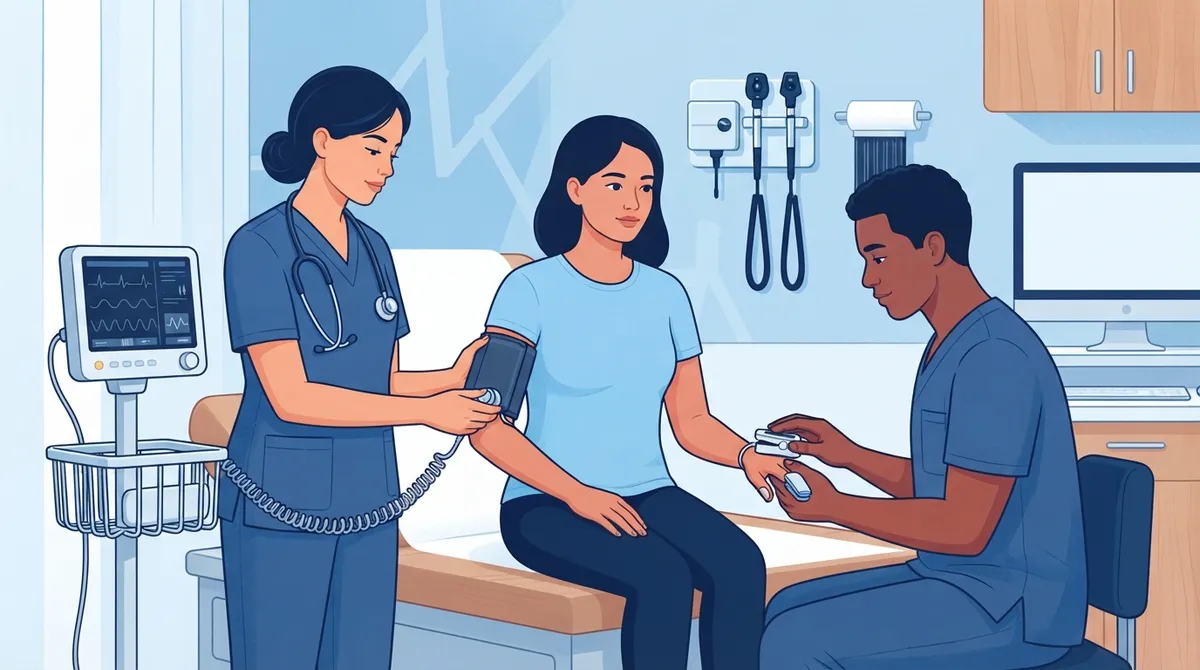
2. Basic Vital Sign Checks
Every physical exam includes a set of simple but important measurements. These numbers give your doctor a quick snapshot of your overall health.
- Blood pressure reading to check for hypertension risk
- Heart rate and pulse to assess cardiovascular function
- Height and weight to calculate body mass index
- Temperature to rule out underlying infection
- Oxygen saturation levels in some cases
These checks are quick, painless, and provide a baseline your provider can compare against future visits. Tracking changes over time is often more useful than any single reading.
3. A Focused Physical Examination
Your doctor will perform a hands-on exam based on your age, symptoms, and risk factors. This typically includes listening to your heart and lungs, checking your abdomen, and examining your skin, eyes, ears, and throat.
The exact focus of this exam depends on your individual needs. A younger, healthy adult may need a shorter exam, while someone managing a chronic condition might need a more thorough review. This is also a good time to mention any new symptoms or concerns you've been noticing.
4. Personalized Lab Work and Screenings
Not everyone needs the same blood tests. Your provider will tailor lab work based on your age, sex, symptoms, and personal or family history. Here's a general look at how screening needs can shift with age and risk factors:
|
Life Stage |
Common Screening Considerations |
|---|---|
|
18-29 years |
Baseline bloodwork, blood pressure, STI screening if relevant |
|
30-39 years |
Cholesterol panel, diabetes risk screening, well-woman exams |
|
40-49 years |
Cancer screenings begin, cardiovascular risk assessment |
|
50 and older |
Colon cancer screening, bone density, expanded cancer checks |
These are general guidelines, not fixed rules. Your provider will explain why each test is recommended and whether it's preventive or being used to investigate a specific concern. If you're curious about a specific test, don't hesitate to ask why it's being ordered.
5. Vaccination and Immunization Review
Your annual visit is a great time to check if you're due for any vaccines. This might include flu shots, tetanus boosters, shingles vaccines, or others based on your age and health history.
Staying current on immunizations is one of the simplest ways to protect yourself from preventable illness. According to the Centers for Disease Control and Prevention, vaccine schedules can vary by age, occupation, and travel plans, so this conversation is worth having every year.
6. Cancer Screening Discussions
Depending on your age and risk factors, your provider may talk about screenings for breast, cervical, colon, skin, or prostate cancer. Early detection dramatically improves outcomes for most cancers.
InCare offers dedicated cancer screening services designed to catch issues early, when treatment tends to be simpler and more effective. If you're overdue for a screening, your annual physical is the perfect time to schedule one.
7. Weight, Metabolism, and Wellness Goals
Many patients use their annual visit to talk about weight management, energy levels, or general wellness goals. This is especially true for those interested in more advanced approaches to health optimization.
A comprehensive checkup can also open the door to services like medically supervised weight loss, body composition analysis, or metabolic breath analysis. These tools give a clearer picture of what's happening inside your body, beyond just a number on a scale.
8. Time to Ask Questions and Address New Concerns
It's completely normal to bring up a new symptom during your physical. Just know that if your provider spends significant time evaluating a specific problem, that portion of the visit may be billed separately from the preventive exam.
This distinction matters for insurance purposes. A wellness visit and a problem-focused visit are billed differently, so it helps to ask your clinic how this works before your appointment. Being upfront about your symptoms still leads to better care, even if it affects billing slightly.
9. A Follow-Up Plan Tailored to You
Before you leave, your provider should give you a clear plan. This might include follow-up testing, referrals to specialists, lifestyle changes, or simply a note to return next year.
- Review your results and next steps with your provider before leaving
- Ask about timing for any follow-up labs or imaging
- Confirm whether you need a referral for specialist care
- Schedule your next annual visit before you walk out the door
- Keep a copy of your visit summary for your own records
A good annual physical exam Tampa clinic doesn't just check boxes. It sets you up with a real, personalized plan for the year ahead.
What to Bring to Your Appointment
Preparation makes your visit more productive. Consider bringing the following:
- A current list of medications and supplements
- Recent test results from other providers, if applicable
- Your insurance card and photo identification
- A written list of questions or symptoms you want to discuss
- Details about your family health history
Many clinics also recommend fasting for certain blood tests, so it's smart to ask ahead of time whether that applies to you.
Why Choose InCare for Your Annual Physical
InCare combines personalized attention with modern technology to make preventive care simple and thorough. With locations in Tampa and Riverview, plus virtual visit options, scheduling a checkup fits into even the busiest schedules. Patients consistently praise the friendly staff and attentive providers, which helps explain InCare's strong reputation across the community.
Beyond the standard physical, InCare offers services like DNA gene testing and IV hydration therapy for patients who want to go further with their wellness journey. You can also explore InCare's team of providers to find the right fit for your care. To see what patients are saying, check out Visit us on Google — InCare before your visit.
Stay connected with health tips and clinic updates by following InCare on Facebook, Instagram, and TikTok.
Take the Next Step Toward Better Health
Your annual physical is more than a routine checkup. It's a chance to catch problems early, build a relationship with a provider who knows your history, and set clear goals for the year ahead. Don't wait until something feels wrong to schedule your visit.
Ready to get started? Book your appointment with InCare today and take control of your health with a team that puts you first.
FAQs
Q: What does an annual physical exam include in Tampa?
A: A typical annual physical includes a review of your health history, vital signs like blood pressure and weight, a focused physical exam, and personalized lab work or screenings based on your age and risk factors. Your provider will also discuss vaccinations and set a follow-up plan tailored to your needs.
Q: How much does an annual physical cost in Tampa, and will insurance cover it?
A: Costs vary depending on your insurance plan, network status, and whether additional testing is needed beyond standard preventive care. Most insurance plans cover annual wellness visits at no cost, but it's best to confirm coverage details with your insurer and clinic before your appointment.
Q: Are blood tests included in an annual physical, or are they billed separately?
A: Some basic labs may be included as part of preventive care, but not all tests are automatically covered or bundled into the visit. Your provider will explain which labs are preventive versus diagnostic, and billing may differ depending on the reason for each test.
Q: Can I discuss a new health problem during my annual physical?
A: Yes, you can absolutely raise a new symptom or concern during your visit. However, if your provider spends significant time evaluating that specific issue, it may be billed as a separate problem-focused service rather than part of the preventive exam.
Q: Do I need to fast before an annual physical or blood work?
A: Fasting requirements depend on which tests are being ordered, such as cholesterol or glucose panels. Your clinic will typically tell you in advance if fasting is necessary, so it's smart to ask when you schedule your appointment.