

Key Takeaways
- Kisspeptin deficiency is rare and lacks a standard blood test for diagnosis; doctors instead test related hormones like LH, FSH, and testosterone to rule out common causes before considering kisspeptin-related issues.
- Nine key signs including missing periods for 3+ months, irregular cycles, delayed puberty, low sex drive, and unexplained infertility after a year of trying may indicate kisspeptin pathway problems worth investigating with your doctor.
- Functional hypothalamic amenorrhea caused by low calorie intake, excessive exercise, rapid weight loss, or high stress is more common than genetic kisspeptin deficiency and often improves with nutrition, stress management, and lifestyle changes.
- Kisspeptin therapy remains experimental with no approved treatment protocols; established options like lifestyle modifications, ovulation medications, and assisted reproductive technology remain the evidence-based standard of care.
- Schedule a primary care visit if you have 3+ months without periods, one year of unsuccessful conception attempts, or delayed puberty in teenagers, as early evaluation helps identify treatable causes and avoids unproven treatments.
- Restoring energy balance through adequate calorie intake matching activity level, reducing intense exercise if periods stopped, and managing stress often restores normal hormone signaling in functional hypothalamic amenorrhea cases.
Struggling to conceive can feel confusing, especially when your lab work looks "normal" but your cycles or sperm counts still tell a different story. One lesser-known piece of the fertility puzzle is a hormone messenger called kisspeptin. While kisspeptin deficiency fertility problems are rare and rarely diagnosed on their own, understanding this hormone can help you ask better questions at your next checkup.
Kisspeptin is a small protein made in the brain. It acts like a switch that tells your reproductive system to turn on. When this switch does not work well, it can affect ovulation, periods, and sperm production. This guide breaks down what kisspeptin does, what signs to watch for, and when to see a doctor. Whether you are a busy parent trying for another baby or a young adult exploring your health for the first time, this information can help you make sense of your body.
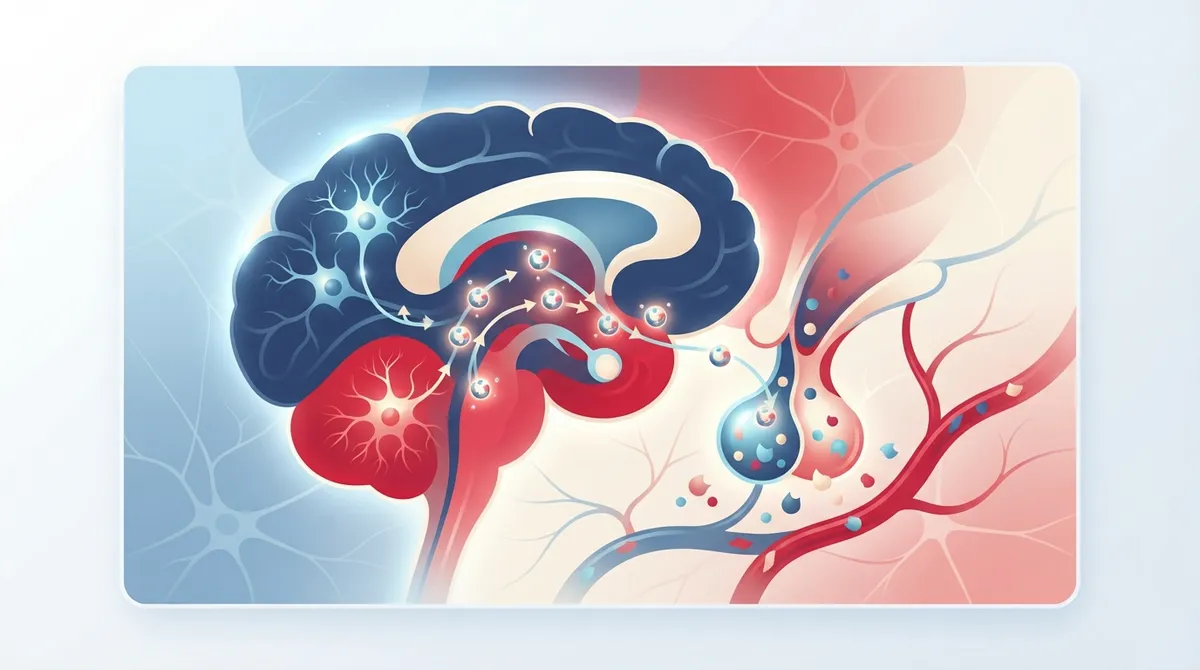
1. Understand What Kisspeptin Actually Does
Kisspeptin is a hormone made in a part of the brain called the hypothalamus. It attaches to a receptor called KISS1R, sometimes known as GPR54. This connection tells another set of brain cells to release a hormone called GnRH.
GnRH then signals your pituitary gland to release two more hormones: LH and FSH. These two hormones control ovulation in women and sperm production in men. Think of kisspeptin as the first domino in a long chain that leads to healthy reproductive function.
Without enough kisspeptin activity, this whole chain can slow down or stop. That is why researchers are so interested in this hormone when it comes to fertility struggles.

2. Know the 9 Signs That May Point to Kisspeptin Deficiency Fertility Problems
Most people will never be diagnosed with true kisspeptin deficiency. It is a rare condition. But certain symptoms can suggest a problem somewhere in this hormone pathway. Here are nine signs your primary care team may look for.
- Missing periods for three months or more without pregnancy, breastfeeding, or menopause.
- Very irregular cycles that come every 40 to 90 days or more.
- Delayed puberty in teens, with no signs of puberty by age 13 in girls or 14 in boys.
- Low sex drive that has lasted for months without a clear cause.
- Low testosterone symptoms in men, such as fatigue, low muscle mass, or reduced sperm counts.
- Unexplained infertility after a year of trying to conceive with regular, unprotected intercourse.
- Excessive exercise or very low body weight combined with lost periods.
- High stress or disordered eating patterns alongside reproductive symptoms.
- A family history of delayed puberty or unexplained infertility, which may point to a genetic cause.
If you notice several of these signs together, it is worth scheduling a visit with your primary care provider. They can start basic testing and refer you to a specialist if needed.
3. Learn How Kisspeptin Deficiency Fertility Issues Develop
Genetic Causes
Some people are born with changes in the genes that make kisspeptin or its receptor. These are called KISS1 or KISS1R mutations. They are linked to a condition called hypogonadotropic hypogonadism, where the body does not make enough LH and FSH. This condition is uncommon and usually shows up as delayed or absent puberty.
Functional Causes
More often, kisspeptin signaling slows down because of lifestyle or health factors. This is called functional hypothalamic amenorrhea. It happens when the body senses it does not have enough energy to support reproduction. Common triggers include:
- Very low calorie intake or restrictive dieting
- Excessive or intense exercise routines
- Significant, rapid weight loss
- High emotional or physical stress
- Chronic illness or poorly managed medical conditions
The good news is that many of these functional causes can improve once the underlying issue is treated. This is where a coordinated care approach really helps. An internal medicine doctor or primary care physician can look at your whole health picture, not just your fertility.
4. Compare Kisspeptin-Related Fertility Conditions
|
Condition |
Typical Cause |
Common Symptoms |
How It Is Managed |
|---|---|---|---|
|
Congenital Hypogonadotropic Hypogonadism |
KISS1 or KISS1R gene mutation |
Delayed puberty, absent periods, infertility |
Specialist referral, hormone therapy |
|
Functional Hypothalamic Amenorrhea |
Low energy availability, stress, over-exercise |
Irregular or absent periods |
Nutrition, stress management, lifestyle changes |
|
Polycystic Ovary Syndrome (PCOS) |
Hormonal imbalance, insulin resistance |
Irregular cycles, excess hair growth, weight changes |
Weight management, medication, monitoring |
|
Male Hypogonadism |
Low LH/FSH signaling |
Low testosterone, reduced sperm count |
Hormone evaluation, lifestyle review |
5. Ask About Testing Options at Your Wellness Visit
Right now, there is no standard blood test for kisspeptin deficiency fertility problems that doctors use in everyday practice. Kisspeptin blood testing remains a research tool, not a routine diagnostic test. Instead, your care team will likely start with more established tests, including:
- LH and FSH blood levels
- Estradiol or testosterone levels
- Thyroid function tests
- Prolactin levels
- Pelvic ultrasound for women
- Semen analysis for men
These tests help rule out more common causes of infertility before anyone considers a rare kisspeptin-related cause. A DNA gene testing panel may also offer insight if a genetic cause is suspected, especially when delayed puberty runs in the family.
6. Explore What the Research Says About Kisspeptin Treatment
Scientists are actively studying kisspeptin as a possible fertility treatment. A 2025 review in the Journal of Clinical Medicine described kisspeptin therapy as an emerging area, but noted that clear treatment protocols do not yet exist for routine fertility care. Another 2025 review in the journal Andrology looked at kisspeptin stimulation as a possible test of brain-hormone function, but said more research is needed before it becomes standard practice.
In early studies, kisspeptin has been given to more than 150 healthy volunteers and patients without serious safety concerns being reported. Researchers have seen measurable increases in LH after kisspeptin doses. However, results vary widely depending on the study group, dose, and timing. Claims of guaranteed pregnancy or ovulation results should be viewed with caution.
Kisspeptin research has also touched on other conditions, including PCOS, high prolactin levels, and low ovarian reserve. None of these uses are approved for routine treatment today. Proven options like lifestyle changes, ovulation medications, and assisted reproductive technology remain the standard of care.
7. Take Practical Steps If You Suspect a Hormone Problem
If you are dealing with irregular cycles, low libido, or unexplained infertility, here is a simple path forward.
- Track your cycle length and symptoms for at least two to three months.
- Schedule a visit with a trusted primary care provider to review your history.
- Ask for basic hormone testing, including LH, FSH, and thyroid panels.
- Discuss your diet, exercise habits, and stress levels honestly.
- Follow up on any abnormal results with a referral to a reproductive specialist if needed.
- Consider a comprehensive wellness visit to look at your whole-body health, not just fertility.
This step-by-step approach helps you avoid jumping to unproven treatments before ruling out more common, treatable causes.
8. Address the Lifestyle Factors That Support Healthy Hormone Signaling
Because functional hypothalamic amenorrhea is a more common cause of low kisspeptin activity than genetic conditions, lifestyle changes often make the biggest difference. Consider these evidence-based steps:
- Eat enough calories to match your activity level
- Reduce intense exercise if your periods have stopped
- Work with a provider to manage chronic stress or anxiety
- Get screened for disordered eating patterns if needed
- Treat underlying medical conditions like thyroid disorders
- Maintain a healthy, sustainable body weight
A personalized weight management program can help if body weight or metabolic health is part of the picture. Restoring energy balance often restores normal hormone signaling over time.
9. Partner With a Primary Care Team That Looks at the Whole Picture
Fertility concerns rarely have one simple cause. A thorough evaluation should look at your hormones, nutrition, stress levels, family history, and overall metabolic health. This is exactly the kind of coordinated, whole-body care that InCare provides at its Tampa and Riverview locations.
InCare combines advanced diagnostic tools, including body composition analysis and metabolic breath analysis, with experienced medical providers who take time to understand your full health history. This approach helps identify contributing factors that a quick, rushed visit might miss.
Patients often share their experiences with InCare's caring team on social platforms like Facebook and Instagram, and you can also visit us on Google — InCare to read reviews from real patients in Tampa and Riverview. For general health education, resources from the National Center for Biotechnology Information can also help you better understand hormone-related research.
When Should You See a Specialist?
Most fertility concerns can start with a conversation at your primary care visit. However, you should ask for a referral to a reproductive endocrinologist if you have:
- No periods for more than three months without explanation
- A year of trying to conceive without success, or six months if you are over 35
- Signs of delayed puberty in a teenager
- A known family history of genetic reproductive conditions
- Abnormal hormone levels that do not improve with lifestyle changes
Early evaluation gives you more options and can reduce stress during an already difficult time.
Bringing It All Together
Kisspeptin deficiency fertility issues are rare, but the broader hormone pathway it controls plays a major role in reproductive health. Most fertility struggles trace back to more common and treatable causes, such as thyroid problems, PCOS, low energy intake, or stress. Working with a knowledgeable primary care team helps you sort through these possibilities with clear, evidence-based steps instead of guesswork.
If irregular periods, low energy, or fertility concerns have been on your mind, do not wait to get answers. Reach out to the InCare team today to schedule a comprehensive evaluation, or book your appointment online to start your path toward better hormone health and a clearer picture of your fertility.
FAQs
Q: What is kisspeptin and how does it affect fertility?
A: Kisspeptin is a hormone made in the brain that triggers GnRH release, which controls LH and FSH production. These hormones drive ovulation and sperm production, so low kisspeptin activity can disrupt fertility.
Q: What are the symptoms of kisspeptin deficiency in women and men?
A: In women, symptoms may include missing periods, irregular cycles, or infertility. In men, symptoms can include low testosterone, reduced sperm count, and low sex drive.
Q: Is there a blood test for kisspeptin deficiency?
A: No standardized blood test for kisspeptin deficiency exists in routine clinical care. Doctors typically test related hormones like LH, FSH, and testosterone instead.
Q: Can kisspeptin treatment restore ovulation or improve sperm production?
A: Experimental kisspeptin therapy has shown some hormone responses in research studies, but it is not yet an approved or routine fertility treatment. Established options like lifestyle changes and fertility medications remain the standard of care.
Q: When should someone with irregular periods or infertility see a doctor?
A: You should see a primary care provider if periods stop for three months or more, or if you have tried to conceive for a year without success. Early evaluation helps identify treatable causes sooner.