
Key Takeaways
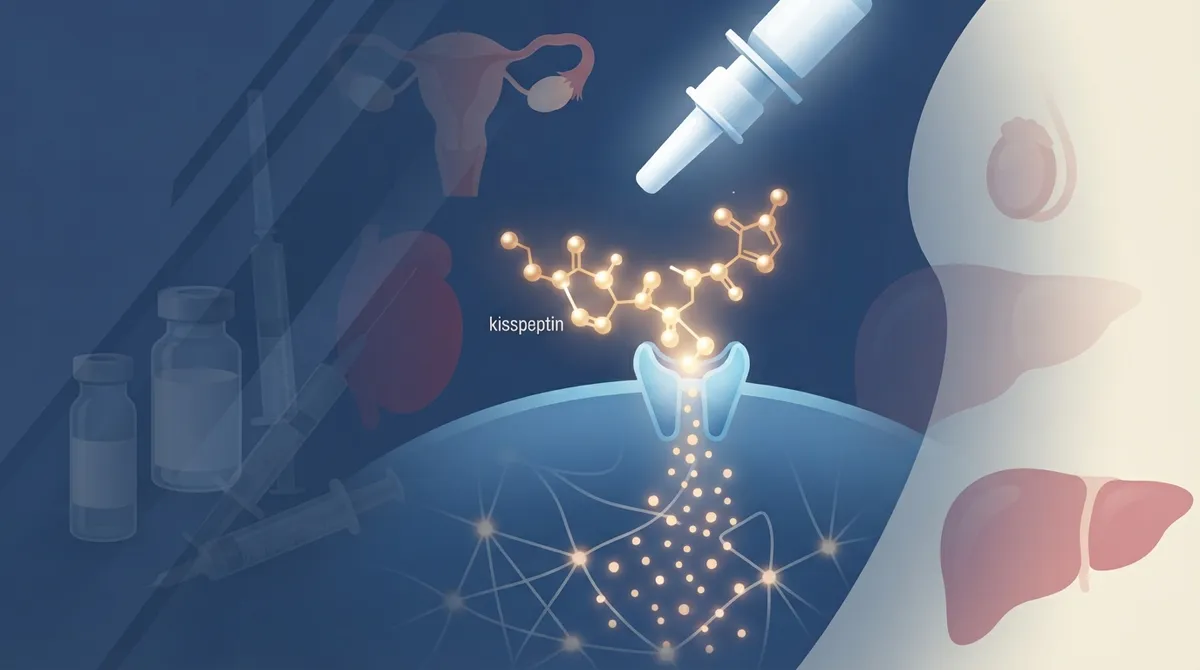
- Kisspeptin acts as a chemical messenger that activates the KISS1 receptor (GPR54) to trigger the release of GnRH, LH, and FSH hormones controlling puberty and reproduction; this system serves as a critical on-off switch for reproductive function.
- Kisspeptin therapy remains experimental with only small clinical trials (15-496 participants) for conditions like hypogonadotropic hypogonadism, hypothalamic amenorrhea, and PCOS; FDA approval and widespread availability should not be expected soon.
- Primary care providers can recognize reproductive hormone symptoms, order basic hormone panels (LH, FSH, testosterone, estrogen), and refer patients to specialists; this is more valuable than pursuing unproven kisspeptin treatments marketed online.
- A 2025 study demonstrated intranasal kisspeptin delivery stimulated gonadotropin release in humans, offering a potential needle-free treatment option, though dosing guidelines and long-term safety data remain undetermined.
- Kisspeptin exists in tissues beyond the brain including ovaries, testes, placenta, liver, pancreas, and bone, suggesting broader metabolic and pregnancy-related roles still under investigation.
- Seek medical evaluation if you experience delayed puberty, irregular periods, low libido, or unexplained fertility difficulties; establishing a primary care relationship ensures proper symptom evaluation before pursuing experimental treatments.
Hormone health questions often start with confusing lab reports and unfamiliar terms. One term gaining attention in fertility and hormone research is kisspeptin, along with its partner molecule, the KISS1 receptor. If you have irregular periods, delayed puberty, low libido, or fertility struggles, understanding this system can help you ask better questions at your next appointment. This guide breaks down the science in plain language and explains where primary care fits into the picture.
At InCare, patients across Tampa and Riverview come in with hormone-related concerns every week. While kisspeptin therapy itself remains largely experimental, recognizing the symptoms it relates to is something your primary care team can absolutely help with. Below are nine key facts to help you understand this hormone system and know when to seek specialist care.
1. Kisspeptin Is a Hormone Messenger, Not a Receptor
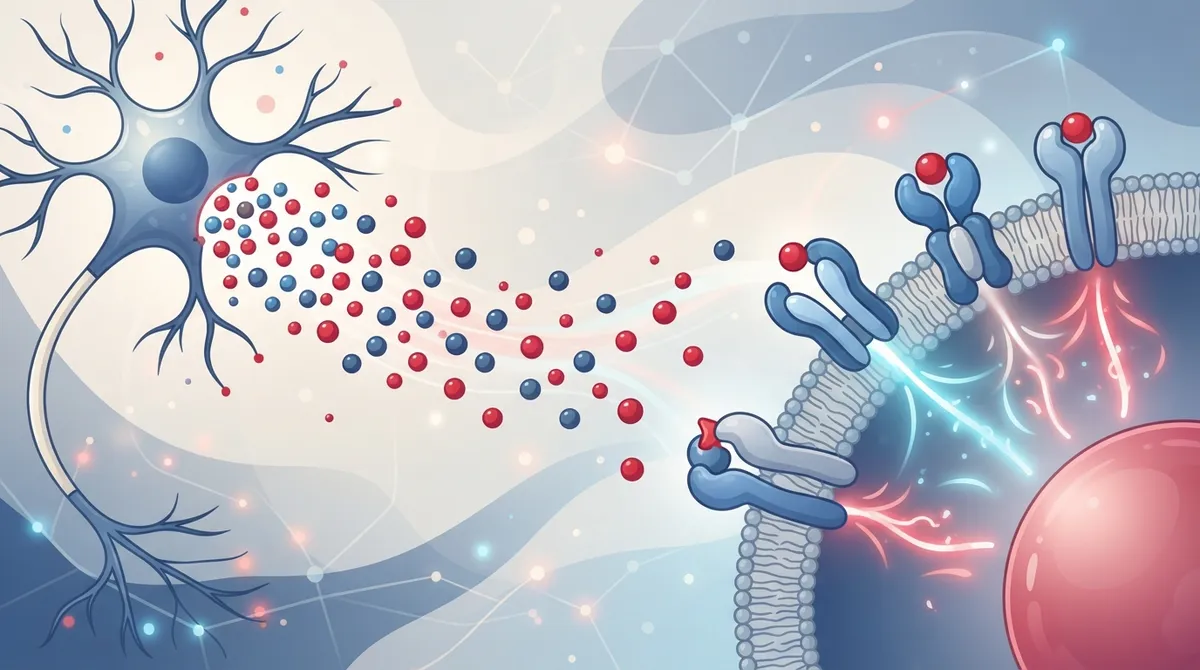
Kisspeptin is a small protein made by the KISS1 gene in your body. Think of it as a chemical messenger that carries instructions from your brain to your reproductive system. It does not work alone. It needs a partner to deliver its message.
2. The KISS1 Receptor Is the Doorway That Receives the Message
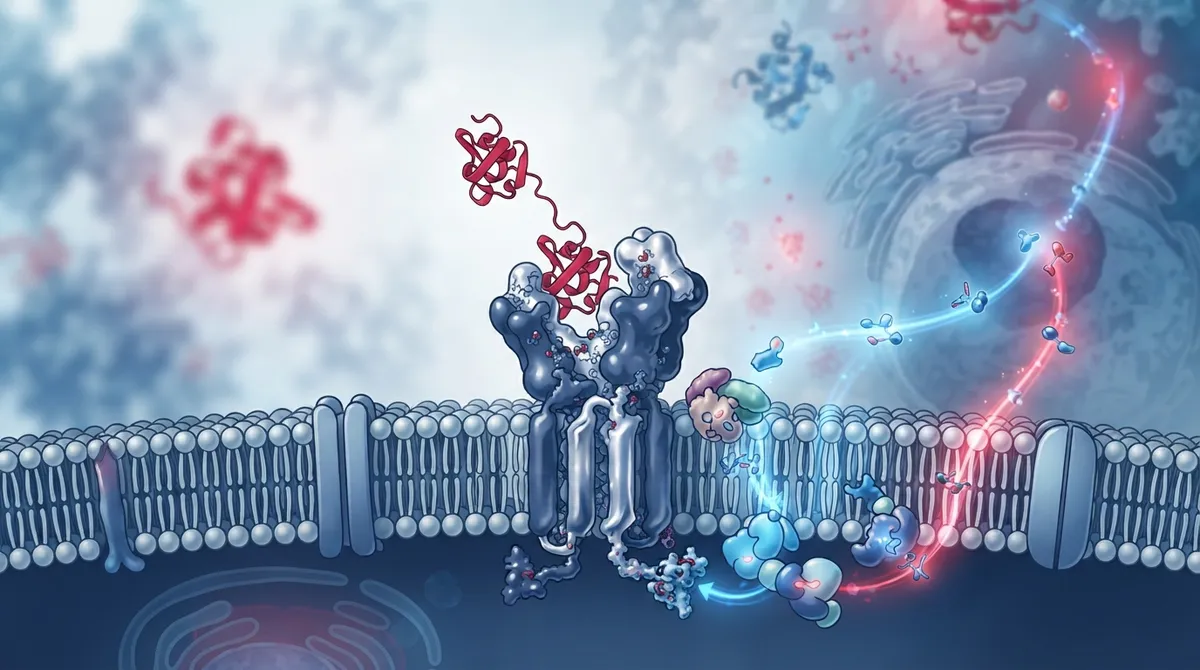
The KISS1 receptor, also called GPR54, sits on certain brain cells like a doorway. When kisspeptin arrives, it fits into this receptor like a key in a lock. This action tells the brain to release other hormones tied to puberty and reproduction.
How the Signal Travels
Once kisspeptin activates its receptor, a chain reaction begins. The receptor triggers signals inside brain cells that produce gonadotropin-releasing hormone, known as GnRH. This hormone then tells the pituitary gland to release two more hormones: luteinizing hormone (LH) and follicle-stimulating hormone (FSH). These two hormones control ovulation, sperm production, and sex hormone levels.
3. This System Controls Puberty Timing
Kisspeptin and its receptor act as a switch that starts puberty. Before puberty begins, this system stays quiet. When the time is right, kisspeptin activity increases and kicks off the hormonal changes of adolescence. Problems with this switch can cause puberty to start too early or not at all.
Genetic changes affecting the KISS1 gene or its receptor have been linked to delayed or missing puberty. This condition is called hypogonadotropic hypogonadism. Children or teens who show no signs of puberty by the expected age should be evaluated by a doctor.
4. Kisspeptin Plays a Role Beyond the Brain
While the brain is the main site of action, kisspeptin and its receptor also appear in other parts of the body. Researchers have found them in the ovaries, testes, placenta, uterus, liver, and pancreas. This wider presence suggests kisspeptin may influence more than reproduction alone.
- Ovarian and testicular tissue, where it may support local hormone production
- The placenta, especially during pregnancy
- Metabolic organs like the liver and pancreas
- Bone tissue, with possible links to bone health
- Areas tied to mood and sexual behavior
These findings have opened new areas of study, though most applications remain in early research stages.
5. Research Shows Promise for Fertility Support
Scientists are actively studying kisspeptin as a possible tool for fertility treatment. A 2025 review in Physiological Reviews describes kisspeptin as a key regulator of the hormone system that controls reproduction. This has led to interest in using kisspeptin for specific fertility challenges.
Conditions Under Investigation
Current research explores kisspeptin's potential role in:
- Functional hypothalamic amenorrhea, where periods stop due to stress, low body weight, or excessive exercise
- Hypogonadotropic hypogonadism, a condition where the body fails to produce enough reproductive hormones
- Certain infertility cases where hormone signaling is disrupted
- Oocyte maturation triggers during in-vitro fertilization (IVF) cycles
A 2024 review found that only about 15% of kisspeptin clinical studies focused on metabolism. Most research still centers on reproductive health, meaning metabolic and general wellness uses remain far less studied.
6. Human Studies Show Kisspeptin Can Be Given Without Injections
One exciting development involves nasal delivery. A 2025 study published in the Lancet's eBioMedicine found that intranasal kisspeptin rapidly stimulated gonadotropin release in humans. This suggests a needle-free option could someday be possible for certain treatments.
However, dosing guidelines, treatment length, and long-term safety data are still being worked out. This is not yet a standard treatment offered in routine primary care settings.
7. Clinical Trials Remain Small and Early-Stage
Despite growing interest, most kisspeptin research involves small groups of participants. A 2024 review noted a phase 1 study with an estimated 496 participants looking at reproductive disorders such as hypogonadotropic hypogonadism, Kallmann syndrome, GnRH deficiency, polycystic ovary syndrome, and high prolactin levels.
Another study examined prolonged pulsatile kisspeptin administration in hypogonadotropic hypogonadism, but with only 24 participants. These numbers show the research is still in its early days. Patients should not expect kisspeptin treatments to be widely available or FDA-approved anytime soon.
|
Kisspeptin Research Area |
Study Size |
Development Stage |
|---|---|---|
|
Reproductive disorders (HH, Kallmann syndrome, PCOS) |
~496 participants |
Phase 1 |
|
Prolonged pulsatile administration in HH |
~24 participants |
Phase 1 |
|
Intranasal delivery for gonadotropin release |
Small human trial |
Early feasibility |
|
Metabolism-focused studies |
~15% of all trials |
Limited evidence base |
8. Kisspeptin May Be a Pregnancy Biomarker
During pregnancy, levels of kisspeptin-54 rise dramatically. This has led researchers to study it as a potential marker for pregnancy outcomes, including miscarriage risk and placental complications. While this is a promising research direction, it is not yet a standard test offered during prenatal visits.
Women concerned about pregnancy complications should still rely on established prenatal screening tools available through their primary care or OB-GYN provider rather than seeking out kisspeptin testing on their own.
9. Primary Care's Role Is Recognition and Referral
Kisspeptin is not currently a standard treatment for infertility, menopause symptoms, weight loss, or general wellness. This is an important point for patients who may see wellness claims online promising kisspeptin as a quick fix. Primary care's job is different but just as valuable.
What Your Primary Care Provider Can Do
- Evaluate symptoms like delayed puberty, missed periods, or low libido
- Order basic hormone panels to check LH, FSH, and other reproductive hormones
- Discuss family and personal health history related to hormone conditions
- Refer patients to endocrinology, gynecology, or reproductive medicine specialists when needed
- Coordinate ongoing care and follow-up testing
This is where a strong primary care relationship matters most. Rather than chasing unproven treatments, patients benefit from a provider who understands the full picture of their health. The team at InCare's Tampa and Riverview locations can help evaluate symptoms and coordinate the right next steps, including specialist referrals when appropriate.
Understanding Related Hormone and Wellness Services
Hormone health rarely exists in isolation. Many patients dealing with reproductive symptoms also benefit from broader wellness evaluations. InCare offers several services that support whole-body hormone health, including DNA gene testing to better understand personal health predispositions and body composition analysis to track metabolic changes that often accompany hormone shifts.
Patients exploring hormone replacement or peptide-based options for other concerns may also want to learn more about peptide therapy options in Tampa, though it is worth noting that kisspeptin itself remains distinct from FDA-approved peptide treatments currently offered in wellness settings.
Common Symptoms Worth Discussing With a Doctor
Many patients wait too long before bringing up reproductive or hormone symptoms. Here are signs that deserve a conversation with your primary care provider:
- No signs of puberty by the expected age in adolescents
- Irregular or missing menstrual cycles for several months
- Difficulty conceiving after a year of trying
- Unexplained low sex drive in men or women
- Fatigue paired with other hormone-related symptoms
- Family history of fertility or hormone conditions
Comparing Kisspeptin to Established Fertility Approaches
Patients often want to know how kisspeptin research compares to treatments already used in fertility care today. The table below offers a simple side-by-side comparison.
|
Approach |
Current Status |
Typical Setting |
|---|---|---|
|
Kisspeptin therapy |
Experimental, early clinical trials |
Research centers, specialty clinics |
|
Standard hormone panels (LH, FSH, testosterone, estrogen) |
Well-established, widely used |
Primary care, endocrinology |
|
IVF ovulation triggers (hCG-based) |
Standard of care |
Reproductive medicine clinics |
|
Lifestyle and nutrition evaluation |
Well-established |
Primary care, wellness clinics |
This comparison shows why patients should not expect kisspeptin to replace established fertility care anytime soon. Instead, it may eventually become one additional tool once more research is available.
Steps to Take If You Suspect a Hormone Issue
If you are dealing with symptoms that suggest a reproductive hormone imbalance, here is a simple path forward:
- Schedule a visit with your primary care provider to discuss your symptoms
- Request basic hormone testing, including LH, FSH, and relevant sex hormones
- Share your full symptom history, including timing and severity
- Ask about referral options if specialist care is needed
- Follow up on test results and treatment recommendations
This process ensures you get accurate answers instead of relying on unverified wellness trends. Patients researching hormone health on social media should be cautious, since many claims outpace the actual science.
Why Whole-Body Wellness Support Matters
Reproductive hormone health connects closely with overall wellness. Stress, nutrition, sleep, and body composition all influence how well your hormone system functions. This is why comprehensive care, rather than a single test or treatment, tends to produce better outcomes.
InCare's approach combines primary care with wellness services like IV hydration and vitamin therapy and metabolic breath analysis to support patients from multiple angles. This kind of coordinated care model often helps patients feel more supported than a single specialist visit alone.
Many patients also appreciate hearing directly from others who have gone through similar health journeys. You can visit us on Google — InCare to read real patient experiences from our Tampa and Riverview community. We also share health education and clinic updates on Facebook, Instagram, and TikTok.
Final Thoughts on Kisspeptin and Hormone Health
Kisspeptin and its KISS1 receptor represent an exciting area of hormone research, especially for fertility and puberty-related conditions. However, most applications remain experimental and are best handled by reproductive specialists rather than routine primary care visits. What primary care can offer is early symptom recognition, basic hormone testing, and a clear path toward the right specialist when needed.
If you are experiencing symptoms like irregular periods, delayed puberty, or fertility concerns, do not wait to get answers. Our team at InCare in Tampa and Riverview is ready to listen, evaluate your symptoms, and guide you toward appropriate next steps. Book your appointment today and take the first step toward understanding your hormone health, or reach out to our team with any questions before your visit.
FAQs
Q: What is kisspeptin and what does the KISS1 receptor do?
A: Kisspeptin is a neuropeptide produced by the KISS1 gene that acts as a chemical messenger in the body. The KISS1 receptor, also known as GPR54, receives this message and triggers the release of hormones that control puberty, ovulation, and reproductive function.
Q: Can kisspeptin help treat infertility or hypothalamic amenorrhea?
A: Research suggests kisspeptin may help with certain fertility conditions and hypothalamic amenorrhea, but these applications remain investigational. Most studies involve small groups of participants, and treatment is not yet a standard option in routine care.
Q: Is kisspeptin approved as a fertility or hormone treatment?
A: No, kisspeptin is not currently approved as a standard fertility or hormone treatment. It remains under study in specialist-led clinical trials, and patients should be cautious of any product marketed as a proven kisspeptin therapy.
Q: Can kisspeptin be used to trigger ovulation during IVF?
A: Kisspeptin is being studied as a possible ovulation trigger during IVF cycles, and early research shows promise. However, this use remains experimental and is typically only available through specialized reproductive medicine research programs.
Q: Should patients with irregular periods or delayed puberty be tested for KISS1 or KISS1R mutations?
A: Genetic testing for KISS1 or KISS1R mutations is usually reserved for specific cases, often after other common causes are ruled out. A primary care provider can evaluate initial symptoms and refer patients to an endocrinologist or geneticist if this testing seems appropriate.