
Key Takeaways
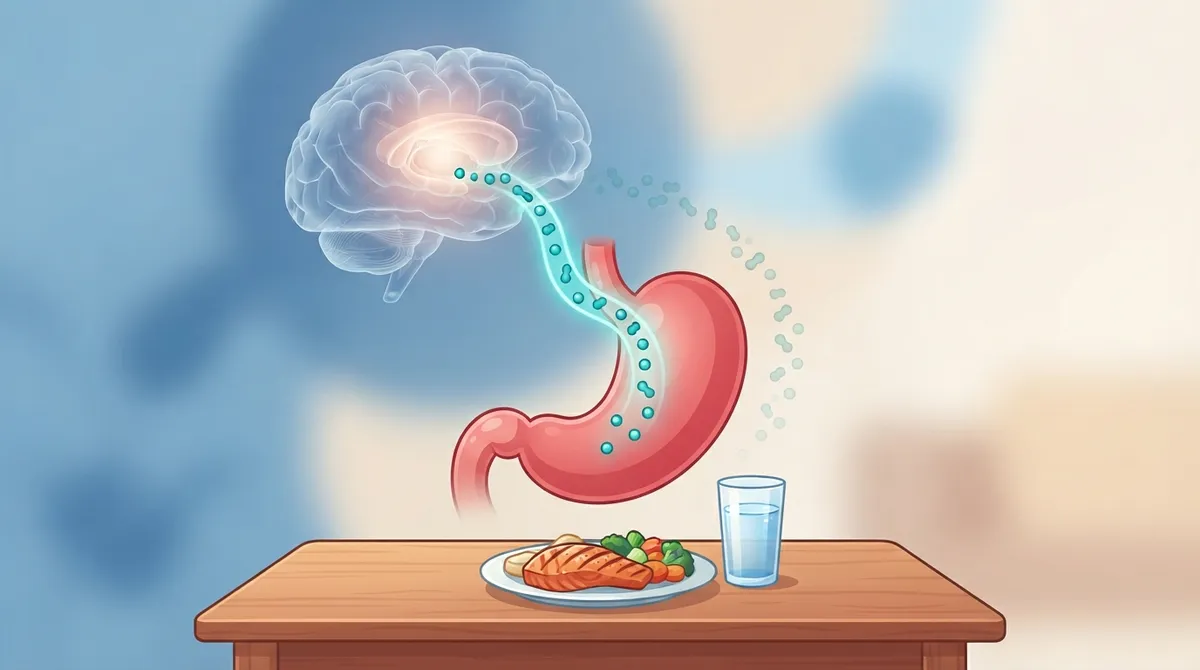
- GLP-1 medicines mimic a natural gut hormone but stay active far longer, since natural GLP-1 breaks down within minutes while these drugs last much longer in the body.
- Much of the appetite-suppressing effect appears to come from brain circuits in the hypothalamus that regulate hunger, not just from slowing the stomach.
- Many people notice less hunger, fullness that comes sooner and lasts longer, and weaker cravings for sweets, fried foods, or late-night snacks.
- Slower stomach emptying contributes to fullness but is not the whole explanation; a 2024 study found calorie intake fell even without a significant change in gastric emptying.
- Common side effects are mostly digestive, such as nausea and diarrhea, so eating protein, staying hydrated, and taking small meals can help while you adjust.
- Appetite often returns after stopping, so never change a dose without your clinician, and plan long-term habits like nutrition and strength training with medical guidance.
If you have ever wondered why a weekly injection can quiet constant food thoughts, you are asking a smart question. Many patients want to know how does appetite suppression from GLP-1 work before they start treatment. The answer reaches from your gut to your brain, and it is more nuanced than "the medicine just slows your stomach."
GLP-1 stands for glucagon-like peptide-1. It is a hormone your gut releases after you eat. GLP-1 medicines such as semaglutide and liraglutide activate the same receptor, but they do so for far longer than your natural hormone can. In 2026, these prescription medicines are a major part of medical weight management in primary care.
This guide explains eight mechanisms and effects behind GLP-1 appetite suppression. It also covers side effects, nutrition, and how a primary care team can guide you safely. At InCare, clinicians in Tampa and Riverview use this kind of evidence to build personalized plans.
The Short Answer: How GLP-1 Appetite Suppression Works
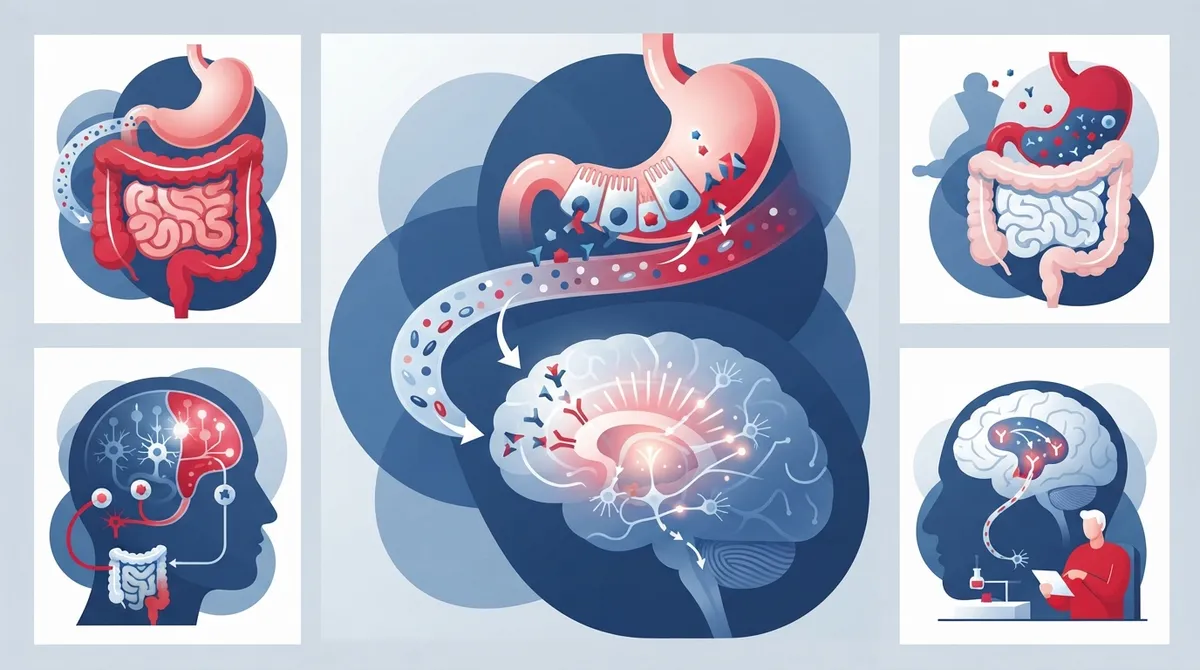
GLP-1 medicines lower appetite mainly by acting on brain circuits that control hunger and food intake. They also affect the gut and blood sugar. Together, these effects help people feel less hungry, feel full sooner, and eat fewer calories.
Semaglutide prescribing information describes GLP-1 as a regulator of appetite and calorie intake. It says the weight-loss effect is likely driven by reduced appetite and lower calorie intake. Response varies from person to person.
1. The Medicine Mimics a Natural Gut Hormone
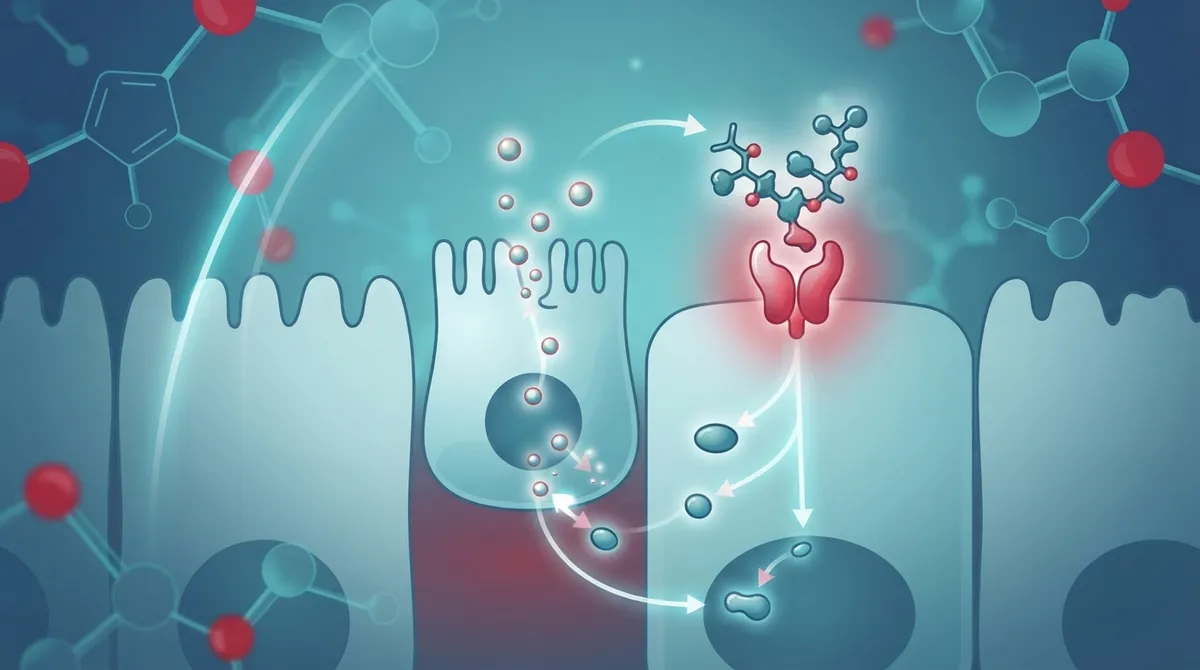
Your body already makes GLP-1. Cells in the gut release it after a meal. It then sends signals that help manage blood sugar and tell your body that food has arrived.
The problem is that natural GLP-1 breaks down within minutes. GLP-1 receptor agonists are built to last much longer. That long activation is what turns a brief after-meal signal into a steady drop in appetite. For a deeper background, see What Is GLP-1? How It Works and Who It Helps in 2026.
2. It Acts on Appetite Centers in the Brain
Research suggests much of the appetite effect comes from the brain. GLP-1 receptors sit in areas that help regulate hunger, including regions of the hypothalamus. When the medicine activates them, the drive to eat can ease.
This is why many patients say the "noise" around food gets quieter. A 2025 review of GLP-1 and hypothalamic regulation of food intake supports this brain-centered view. In plain terms, the medicine changes the message your brain receives about hunger.
3. You Feel Less Hungry
The first effect many people notice is less hunger. You may not feel the strong pull to snack between meals. Portions that once felt small may now feel like plenty.
In a 2021 randomized study of adults with obesity, semaglutide 2.4 mg weekly led to a 9.9% body weight loss over 20 weeks, compared with 0.4% on placebo. Participants also reported lower hunger and food cravings. That study helps show how appetite change and weight change are linked.
4. You Feel Full Sooner and for Longer
GLP-1 medicines can also raise fullness and satiety. Fullness is how satisfied you feel during a meal. Satiety is how long that feeling lasts afterward.
A 2021 semaglutide appetite study reported significant improvements versus placebo in hunger, prospective food consumption, fullness, and satiety (all P < 0.02). So the effect is not just "less hunger." It is also earlier and longer-lasting fullness.
5. Food Cravings May Fade
Many patients describe weaker cravings for sweets, fried foods, or late-night snacks. This is a reported effect in clinical studies, though it differs among individuals.
Cravings are tied to reward and habit, not only to hunger. Some research also looks at changes in taste perception during treatment. This area is still being studied. It helps explain why some people find their food preferences shift over time.
6. Slower Stomach Emptying Plays a Role, But Not the Only One
GLP-1 medicines can slow how fast the stomach empties, especially when you start treatment and while the dose is raised. Food stays in the stomach longer, which can add to the full feeling. It can also soften the blood sugar rise after a meal.
However, this is not the whole story. A 2024 clinical-pharmacology study of 61 adults with obesity tested oral semaglutide 50 mg for 20 weeks. It found no statistically significant difference in gastric emptying at week 20, using the study's measure. Yet energy intake at a free-choice meal fell by 39.2 percentage points compared with placebo, and body weight dropped 9.8% versus 1.5%. That dose was investigational and is not a routine approved dose.
The lesson is simple. Appetite suppression does not depend only on a slow stomach. The brain effects appear to matter a great deal. Stomach emptying effects can also fade with time.
7. Blood Sugar Effects Support the Metabolic Picture
GLP-1 medicines help your body handle glucose. They boost insulin release only when blood sugar is high, and they lower glucagon, a hormone that raises blood sugar. This is why these drugs are used in type 2 diabetes care.
Weight-management products and approved uses differ by drug and by country, so a clinician should match the right medicine to your health needs. If you want to see how this plays out, read 3 Ways Semaglutide Lowers Blood Sugar in 2026.
8. Appetite Change Works Best With Medical Support
Less hunger is a tool, not a full plan. The medicine does not replace nutrition, movement, sleep, or follow-up care. A primary care clinician can check your history, other medicines, goals, and any reasons to avoid treatment.
That is where a coordinated approach helps. Programs that pair prescriptions with counseling tend to protect muscle, manage side effects, and plan for the long term. Learn more in How Does Medically Supervised Weight Loss Work?
Quick Comparison: What Each Mechanism Does
|
Mechanism |
What You May Notice |
Key Point |
|---|---|---|
|
Brain appetite circuits |
Less hunger, quieter food thoughts |
Thought to be a major driver |
|
Fullness and satiety signals |
Full sooner, stay full longer |
Supported by 2021 appetite study data |
|
Craving reduction |
Weaker urge for specific foods |
Varies by person |
|
Slower stomach emptying |
Food feels heavy longer |
Strongest early; may fade over time |
|
Glucose regulation |
Steadier post-meal blood sugar |
Linked to diabetes use |
How Fast Does It Start Working?
Many people notice some change in appetite within the first weeks. Doses are usually raised gradually, so the effect often grows as the dose rises. Your clinician sets that schedule, and you should follow it as prescribed.
Timing varies by drug, dose, and person. Do not raise or stop a dose on your own. If you want a week-by-week view of one related medicine, see Tirzepatide Weight Loss Timeline: What to Expect by Week.
Common Side Effects to Know
Appetite suppression comes with trade-offs. The most common effects are in the digestive system. Talk to your clinician about these early.
- Nausea and vomiting: Often worst when starting or raising a dose.
- Diarrhea or constipation: Both can occur and often ease with time and diet changes.
- Abdominal discomfort: Smaller meals can help.
- Dehydration risk: Eating and drinking less can make this worse, especially with vomiting or diarrhea.
Seek medical help if you have severe or ongoing stomach pain, repeated vomiting, or signs of dehydration. For practical tips, read How to Manage Semaglutide's Gastrointestinal Side Effects.
What to Eat When Your Appetite Drops
When you eat less, every bite counts. A lower appetite can make it easy to miss protein and nutrients. Simple habits help you stay strong while you lose weight.
- Start meals with protein. Eggs, yogurt, fish, chicken, or beans help protect muscle.
- Eat small, regular meals. Large plates can trigger nausea.
- Drink water through the day. Sip steadily, even if you do not feel thirsty.
- Limit greasy and very sugary foods. They can worsen stomach upset.
- Add strength training. Resistance exercise helps preserve lean mass.
These steps work best with guidance from a clinician or dietitian. See How to Preserve Lean Muscle Mass While Losing Weight for more ideas.
How Primary Care Decides If a GLP-1 Fits You
A GLP-1 medicine is a prescription treatment. It is not right for everyone. A primary care clinician will weigh several factors before recommending it.
- Your health history, including diabetes, thyroid, kidney, and digestive conditions
- Your current medicines and possible interactions
- Your goals, such as weight, blood sugar, or heart health
- Contraindications and safety warnings for each drug
- Your ability to attend follow-up visits and lab checks
This is why a trusted medical team matters. If you are comparing options in the area, you may find How to Start GLP-1 Therapy Under Doctor Care in Tampa helpful. It also helps to understand who should not take GLP-1 medications.
What Happens When You Stop?
Appetite often returns when the medicine is stopped, because the drug is no longer acting on those brain and gut signals. Weight regain is common for many people after stopping. This is why long-term planning matters.
Never stop or change a prescribed medicine without talking to your clinician. They can help you plan a safe step-down and keep up the habits that support your results. Read more in How Can You Keep Weight Off for Good After 2026?
Why Personalized Care Makes the Difference
For busy professionals, young families, and wellness-minded patients across Tampa Bay, a one-size-fits-all approach rarely works. Technology can add useful data. InCare offers tools such as metabolic breath analysis and 3D body composition tracking, which help show how your body responds over time.
InCare serves patients in Tampa and Riverview and also offers virtual visits, which suits tight schedules. Patients also share their experiences online. You can visit us on Google — InCare to read reviews from the community. You can also follow updates on Instagram, Facebook, and TikTok.
Key Takeaways
- GLP-1 medicines copy a gut hormone but last much longer in the body.
- Much of the appetite effect appears to come from brain circuits, not just the stomach.
- You may feel less hungry, fuller sooner, and have fewer cravings.
- Slower stomach emptying can help, but it is not the only explanation.
- Side effects are mostly digestive, and hydration and protein matter.
- Treatment works best with medical supervision and ongoing follow-up.
Take the Next Step With InCare
Understanding how appetite suppression from GLP-1 works is the first step. The next step is deciding whether it fits your health and goals. A primary care clinician can review your history, explain the options, and build a plan that is safe and realistic.
If you are ready to talk it through, contact our InCare team or book your appointment now. We will help you move forward with clear information and personal support.
FAQs
Q: How do GLP-1 medications reduce appetite?
A: GLP-1 medicines activate receptors in brain circuits that help control hunger and food intake. They also support fullness signals from the gut. Together, these effects can lower hunger, strengthen satiety, and reduce calorie intake.
Q: Does GLP-1 appetite suppression come from slowing stomach emptying?
A: Slower stomach emptying can contribute to fullness, particularly when starting treatment or raising the dose. It is not the only mechanism, however. One 2024 study found no significant difference in gastric emptying at week 20 even though calorie intake fell.
Q: What are common side effects of GLP-1 medications?
A: The most common side effects are nausea, vomiting, diarrhea, constipation, and abdominal discomfort. They are often strongest during dose increases. Contact your clinician if symptoms are severe, persistent, or cause dehydration.
Q: Does appetite return after stopping a GLP-1 medication?
A: Appetite often returns after the medicine is stopped, and many people regain weight. For this reason, long-term planning with a clinician is important. Do not change or stop a prescribed medicine without medical guidance.
Q: How do primary care clinicians decide whether a GLP-1 medication is appropriate?
A: They review your health history, current medicines, goals, and any contraindications. They also consider your ability to attend follow-up visits. This individualized assessment helps match the right treatment, if any, to your needs.


