Key Takeaways
- Ozempic is FDA-approved only for type 2 diabetes, not weight loss—Wegovy is the approved version for weight management. Off-label Ozempic prescriptions for weight loss lack official FDA approval.
- Semaglutide carries an FDA boxed warning due to thyroid tumors in animal studies; people with personal/family history of medullary thyroid carcinoma or MEN2 syndrome must avoid it completely.
- Clinical trials show 14.9% body weight loss with semaglutide versus 2.4% with placebo over 68 weeks, but digestive side effects like nausea (44%), diarrhea (30%), and vomiting (25%) are common initially.
- Weight regain is likely after stopping treatment, making long-term success dependent on sustained nutrition counseling, regular exercise, behavioral support, and ongoing medical supervision rather than medication alone.
Ozempic has become one of the most talked-about medications in America. Millions of people ask their doctors about it every year. But many patients get confused about what this drug actually does and whether it is safe.
Here is the truth. Ozempic (semaglutide) is FDA-approved to treat type 2 diabetes. It is not approved specifically for weight loss. Wegovy, which contains the same active ingredient, is the version approved for chronic weight management. Understanding this difference matters for your safety and your treatment plan.
At InCare, our providers in Tampa and Riverview help patients sort through these facts every week. This guide breaks down eight key facts about semaglutide safety, backed by research and clinical data, so you can have an informed conversation with your primary care provider.
1. Ozempic and Wegovy Are Not the Same Approval
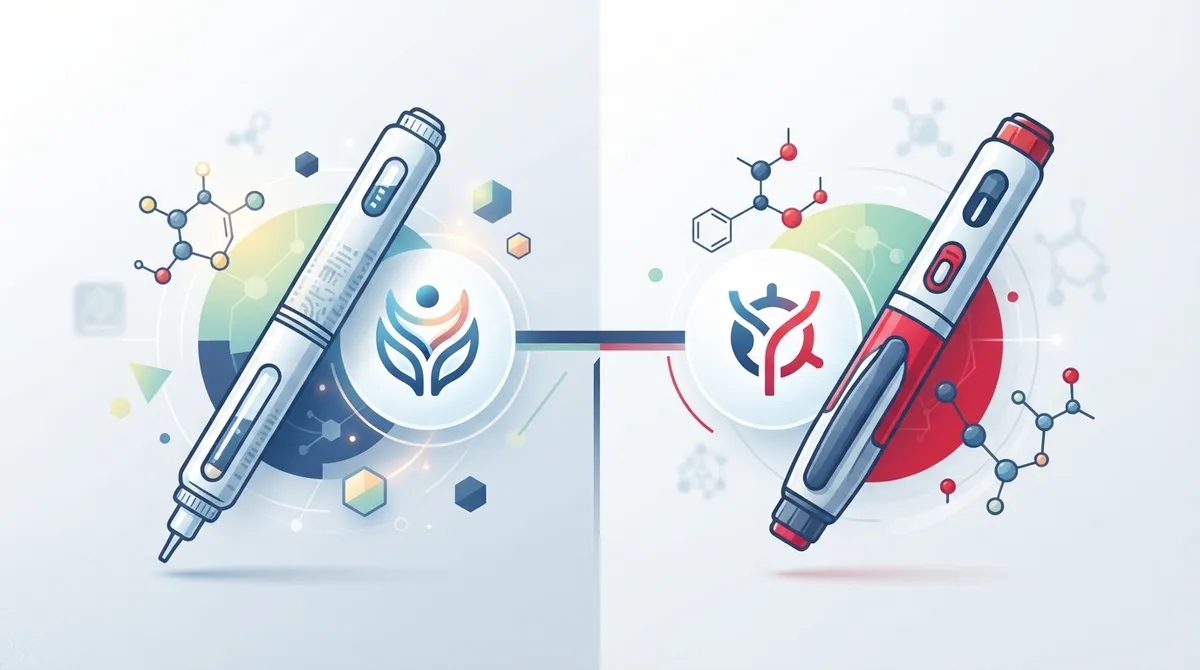
Both drugs contain semaglutide. But their FDA approvals are different. Ozempic treats type 2 diabetes. It also helps lower certain heart and kidney risks in adults with diabetes.
Wegovy is approved for chronic weight management. Doctors prescribe it along with a reduced-calorie diet and more physical activity. Some providers prescribe Ozempic "off-label" for weight loss, but this is not its official use. Learn more about the differences in our guide on semaglutide weight loss options in Tampa.

2. Who Actually Qualifies for This Treatment
Not everyone is a good candidate for semaglutide. Medical guidelines generally point to two groups:
- Adults with a body mass index (BMI) of 30 or higher (classified as obesity)
- Adults with a BMI of 27 or higher who also have a weight-related health condition, such as high blood pressure or type 2 diabetes
A qualified clinician needs to review your full health history before prescribing this medication. This is not a treatment for minor or cosmetic weight loss goals. Our weight loss program starts with a full evaluation to see if you qualify.
3. The Research Shows Real Results
Clinical trials give us solid data on how well this medication works. In the STEP 1 trial, adults without diabetes took semaglutide 2.4 mg weekly along with lifestyle changes.
Here is what happened over 68 weeks:
|
Group |
Average Weight Loss |
|---|---|
|
Semaglutide 2.4 mg |
14.9% of body weight |
|
Placebo |
2.4% of body weight |
These numbers show a meaningful difference. But results vary by person. Genetics, diet, activity level, and consistency all play a role in outcomes.
4. Common Side Effects You Should Expect
Most people who take semaglutide experience some digestive side effects, especially when starting or increasing the dose. This is normal and often improves over time.
- Nausea - occurs in about 44% of patients on semaglutide versus 16% on placebo
- Diarrhea - affects nearly 30% of patients, compared to 16% on placebo
- Vomiting - reported in about 25% of patients versus 6% on placebo
- Constipation - seen in roughly 24% of patients versus 11% on placebo
Your provider can help manage these effects. Slow dose increases, called titration, often reduce discomfort. Staying hydrated and eating smaller meals also helps.
5. Serious Warnings You Cannot Ignore
Semaglutide carries a boxed warning, the strongest warning the FDA issues. This is based on thyroid tumors found in rodent studies. It is unclear if this risk applies to humans, but doctors take it seriously.
People with a personal or family history of medullary thyroid carcinoma or multiple endocrine neoplasia syndrome type 2 should not take this drug. Other serious risks include:
- Acute pancreatitis (inflammation of the pancreas)
- Gallbladder disease
- Severe dehydration leading to kidney injury
- Increased heart rate
- Possible worsening of diabetic eye disease in some patients
Seek medical care right away if you have severe stomach pain, repeated vomiting, or signs of dehydration. Our urgent care team is available for sudden symptoms that need fast attention.
6. Pregnancy and Family Planning Matter
Semaglutide is not safe for weight loss during pregnancy. The FDA advises stopping the medication at least two months before you plan to become pregnant. This is because the drug stays in your system for a long time.
If you are planning a family, talk with your primary care provider early. They can help you build a safe timeline that protects both your health and your weight management goals.
7. Weight Regain Is a Real Possibility
Many patients wonder what happens after they stop taking semaglutide. Research shows that weight regain is common once treatment ends. This is why long-term planning matters so much.
Successful weight management usually involves more than just medication. It requires ongoing support, including:
- Nutrition counseling and meal planning guidance
- Regular physical activity tailored to your ability
- Behavioral health support for lasting habit change
- Follow-up visits to track progress and adjust your plan
This is why a coordinated approach through primary care tends to produce better long-term outcomes than medication alone.
8. Working With a Qualified Provider Is Essential
Safety depends heavily on proper medical supervision. A good provider will screen for contraindications, review your other medications, and check for underlying conditions before starting treatment.
They should also plan regular follow-ups to monitor your progress and watch for side effects. This kind of shared decision-making protects your health and improves your chances of success. Our team, including Dr. Naveen Paddu and Dr. Pramjeet Ahluwalia, works closely with patients to build safe, personalized weight management plans.
How InCare Supports Safe Weight Management
At InCare, we believe medication is just one piece of the puzzle. Our approach combines body composition analysis, metabolic breath analysis, and personalized coaching to give you a complete picture of your health.
We also offer DNA gene testing to better understand how your body responds to different treatments. This data-driven approach helps our providers make safer, smarter recommendations for each patient.
Patients across Tampa and Riverview trust our team for honest, evidence-based care. You can visit us on Google — InCare to read reviews from real patients who have gone through our weight loss programs.
Questions to Ask Before Starting Treatment
Before you start any GLP-1 medication, bring these questions to your appointment:
- Am I a good candidate based on my BMI and health history?
- What side effects should I watch for, and when should I call you?
- How will we monitor my progress over time?
- What is the plan if I want to stop treatment eventually?
- Are there other conditions I have that could affect my safety on this medication?
A thorough conversation with your provider sets the foundation for a safe and effective treatment plan. You can also stay connected with our clinic updates and patient stories on Facebook and Instagram.
Final Thoughts on Safety and Results
Semaglutide can be a safe and effective tool for weight management when the right patient works with a qualified provider. The key is proper screening, honest conversations about risks, and a long-term plan that goes beyond the prescription pad.
If you are curious about your options, our team also shares helpful updates on TikTok covering wellness trends and patient education.
Ready to find out if semaglutide or another weight loss approach is right for you? Schedule your consultation today and take the next step toward a healthier, more confident you with the InCare team in Tampa or Riverview.
FAQs
Q: Is Ozempic FDA-approved for weight loss?
A: No, Ozempic is FDA-approved to treat type 2 diabetes, not weight loss. Wegovy, which contains the same active ingredient (semaglutide), is the version approved specifically for chronic weight management.
Q: What is the difference between Ozempic and Wegovy?
A: Both medications contain semaglutide, but they have different FDA approvals and dosing. Ozempic treats type 2 diabetes, while Wegovy is approved for chronic weight management in adults with obesity or overweight plus a related health condition.
Q: Who should not take semaglutide for weight loss?
A: People with a personal or family history of medullary thyroid carcinoma or multiple endocrine neoplasia syndrome type 2 should not take this medication. It is also not recommended during pregnancy or for those planning pregnancy soon.
Q: What are the most common side effects of semaglutide?
A: The most common side effects include nausea, diarrhea, vomiting, and constipation, especially during dose increases. Clinical trials show nausea affects nearly 44% of patients on semaglutide compared to 16% on placebo.
Q: Does weight come back after stopping semaglutide?
A: Yes, weight regain is common after stopping treatment. This is why long-term planning with nutrition support, physical activity, and regular follow-up care matters for lasting results.