
Key Takeaways
- TRT replaces testosterone only for men with a confirmed deficiency, meaning compatible symptoms plus consistently low blood levels; it is not a fix for aging or fatigue in men with normal levels.
- Diagnosis requires early-morning testosterone tests on two separate days, since a single low result can mislead; about 30% of first low readings normalize on retest.
- TRT suppresses sperm production, so men who want children soon should discuss fertility goals with their doctor before any prescription is written.
- Doctors should find the cause of low testosterone first, because some causes are treatable without TRT and others change which therapy is safest.
- Ongoing monitoring is essential: check testosterone and hematocrit about 3 to 6 months after starting, then every 6 to 12 months once stable, along with blood pressure.
- The FDA added class-wide blood-pressure warnings in 2025, and testosterone products are not recommended for people with uncontrolled high blood pressure.
Many men hear about testosterone replacement therapy and assume it works like a quick fix for tiredness or aging. That belief leads to costly missteps. So, how does TRT work, and why do so many people get it wrong? TRT is a prescription treatment that supplies testosterone to men with a confirmed deficiency. It is not a general tool for aging, low energy, or wellness in people with normal levels.
In 2026, interest in hormone health is higher than ever. Tech-savvy adults and busy professionals look for fast answers online, and some skip the basics. But the basics decide whether TRT helps or harms. A proper diagnosis, the right form of treatment, and steady follow-up make all the difference.
This guide explains how TRT works in plain terms. It also walks through seven common mistakes that weaken results and raise risk. If you want a clear picture before you talk with a doctor, start here. Our primary care team at InCare in Tampa and Riverview uses this same careful approach.
How Does TRT Work in the Body?
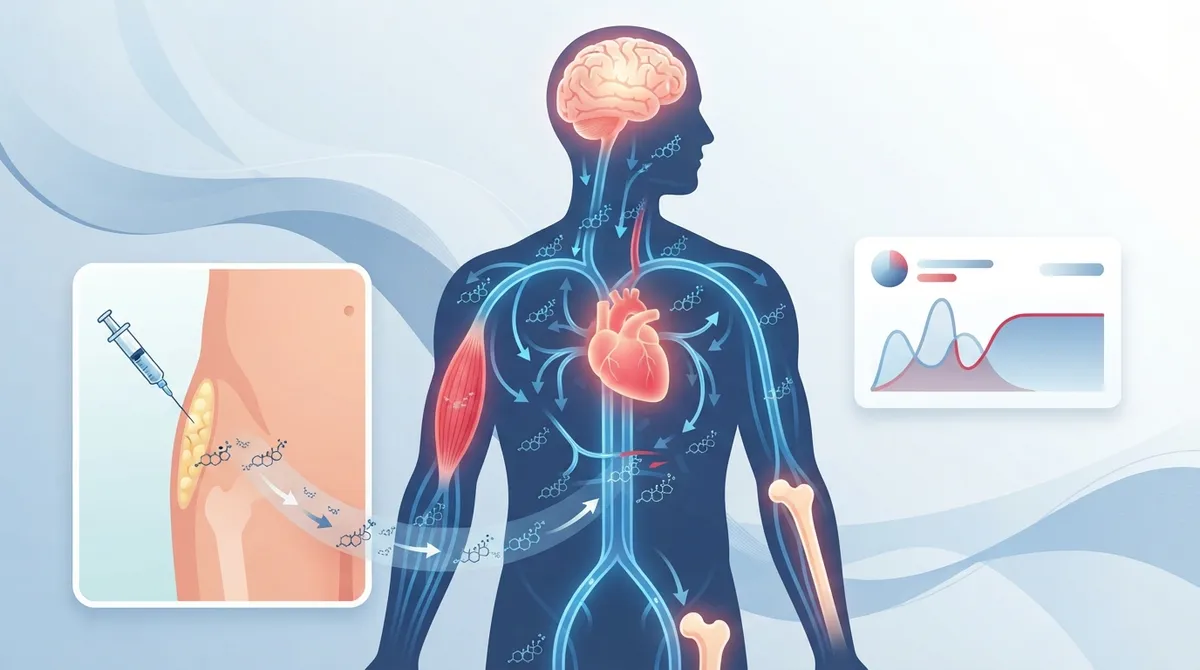
Testosterone is a hormone made mainly in the testes. It supports libido, muscle mass, bone density, red blood cell production, and mood. When the body makes too little, symptoms can follow.
TRT works by supplying testosterone from the outside. The goal is to bring levels back to a healthy, mid-normal range. As levels rise, symptoms that come from the deficiency may improve. TRT does not cure the root cause. It replaces what the body is not making.
Here is the basic flow of care:
- Symptom review. A clinician asks about libido, erections, energy, mood, and body changes.
- Blood testing. Testosterone is measured, usually in the early morning, on two separate days.
- Cause investigation. Other hormones help show where the problem starts.
- Treatment choice. You and your doctor pick a form of therapy that fits your life.
- Monitoring. Follow-up labs check levels, red blood cells, and blood pressure.
Notice that treatment is step four. The earlier steps matter just as much. Skipping them is where many mistakes begin.
Mistake 1: Starting Treatment Without a Confirmed Diagnosis
The most common error is treating symptoms alone. Fatigue, low mood, and weight gain are vague. They can come from poor sleep, thyroid problems, depression, sleep apnea, or diabetes. Testosterone may not fix any of these.
A real diagnosis needs two things. First, you need symptoms or signs that fit low testosterone. Second, you need consistently low blood levels. Reduced libido, fewer spontaneous erections, loss of body hair or muscle, low bone density, and unexplained anemia are stronger signals.
Symptoms alone are not enough. Neither is a single lab result. Doctors look for the full picture before they start any therapy.
Mistake 2: Relying on One Low Test Result
Testosterone levels swing during the day and from day to day. They can drop after illness, poor sleep, or a big meal. That is why one result can mislead.
The Endocrine Society reports that about 30% of men whose first test falls in the low range have normal levels when retested. Guidelines call for early-morning testing on two separate days. The Endocrine Society also advises fasting.
Many clinicians use a total testosterone below 300 ng/dL as a common cutoff, based on American Urological Association guidance. Still, the right reading depends on the lab method and your health history. In some cases, free testosterone gives extra insight. A repeat test protects you from lifelong treatment you may not need.
Mistake 3: Skipping the Search for the Cause
Low testosterone is a finding, not a final answer. Doctors need to know why it is low. This step shapes the whole plan.
Luteinizing hormone, and often follicle-stimulating hormone, help sort the cause. They can show whether the testes are failing or whether the pituitary gland or brain is not sending the right signal. Prolactin and other tests may be added based on your history.
Why does this matter? Some causes are treatable without TRT. Others change which therapy is safest. A thorough annual physical exam often uncovers clues, such as medication effects, weight changes, or sleep problems, that point to the real source.
Mistake 4: Ignoring Fertility Goals
This mistake surprises many men. TRT suppresses sperm production. When outside testosterone enters the body, the brain signals the testes to slow down their own output. Sperm counts can fall sharply.
For that reason, TRT is generally not right for men who want to father a child soon. Other options exist for those men, but they need a specialist conversation. Tell your doctor about family plans before any prescription is written. This is true for tech-savvy millennials and for busy young families alike, since fertility goals often change over time.
Mistake 5: Choosing a Form Without Weighing the Trade-Offs
TRT is not one product. Several forms exist, and each fits a different lifestyle. Choosing without a plan can lead to poor absorption, missed doses, or side effects.
|
Form |
How It Is Used |
Key Considerations |
|---|---|---|
|
Topical gel or solution |
Applied daily to the skin |
Convenient, but can transfer to others through skin contact |
|
Injection |
Given on a set schedule |
Less frequent dosing; levels can rise and fall between doses |
|
Patch |
Worn on the skin |
Steady delivery; skin irritation is possible |
|
Other formulations |
Varies by product |
Cost, absorption, and safety differ |
Your doctor will weigh your preferences, cost, dosing schedule, and safety. For example, a parent with small children may avoid a gel because of transfer risk. Someone who dislikes daily routines may prefer a scheduled injection. Learn more about our approach to physician-supervised testosterone injections.
Mistake 6: Treating Follow-Up as Optional
TRT is not a set-it-and-forget-it plan. Ongoing checks keep it safe and effective. This is where the science of how TRT works meets real-world care.
Testosterone can raise hematocrit, which is the share of your blood made of red cells. A high level can thicken the blood. Doctors also watch blood pressure, symptoms, and side effects such as acne or fluid retention. When it fits your situation, they may discuss prostate risk after a shared decision.
Guidelines give clear timing:
- The Endocrine Society suggests checking testosterone and hematocrit about 3 to 6 months after starting, then periodically.
- The American Urological Association suggests testosterone checks every 6 to 12 months once levels are stable.
Blood pressure deserves special attention in 2026. The FDA announced class-wide labeling changes in 2025 that add blood-pressure warnings for testosterone products. These followed studies that found blood-pressure increases across products. One label for a specific gel reported a mean rise of 2.7 mm Hg systolic and 1.1 mm Hg diastolic after 16 weeks. The size of the effect varies by product. Testosterone products are not recommended for people with uncontrolled high blood pressure. If you have this condition, our guide to blood pressure management can help you prepare.
Mistake 7: Assuming the Risks Are Settled
Some online sources say TRT is completely safe. Others say it is dangerous. The honest answer sits in the middle, and research is still growing.
The TRAVERSE trial enrolled more than 5,200 men. The Endocrine Society's 2026 statement reports no meaningful increase in heart attack or stroke over 1 to 4 years. The same statement notes about a 50% relative increase in pulmonary embolism and more fractures among treated participants. These results do not prove long-term safety.
Other known effects include higher hematocrit, acne, fluid retention, worsening of some urinary symptoms, and suppressed fertility. Cardiovascular and long-term prostate safety should be discussed openly, not treated as closed questions. A good clinic reviews these points with you before you start.
What Benefits Can You Reasonably Expect?
When TRT is used for a confirmed deficiency, treatment aims to ease symptoms that come from low testosterone. Improvement in libido and erections is a common goal. Some men also see changes in energy, mood, muscle, and bone health over time.
Results do not appear overnight. Timelines differ from person to person, and some effects take months. TRT is also not a shortcut for people with normal levels. In that group, it adds risk with no clear gain. If you want a closer look at expected benefits, read about testosterone therapy benefits for men over 40.
It also helps to build strong habits alongside treatment. Better sleep, steady exercise, and a healthy weight support hormone health. Our weight loss and body composition services can support that work.
Why Primary Care Is the Right Starting Point
Primary care clinicians are well placed to guide this process. They can assess symptoms, confirm low levels, look for the cause, discuss treatment and fertility goals, and coordinate monitoring. They also see your full health record, which helps spot other conditions that mimic low testosterone.
At InCare, we combine modern technology with personal attention. Our team offers hormone checks and testosterone care in Tampa and Riverview, along with a full range of preventive services. You can read more about our testosterone replacement therapy approach. Patients also share their experiences, and you can see what people say by choosing to visit us on Google — InCare, where we hold a 4.8 rating.
Follow our updates on Instagram, Facebook, and TikTok for health tips and clinic news.
A Quick Checklist Before You Start TRT
Use these points to prepare for your visit:
- Write down your symptoms and when they began.
- Plan for early-morning blood tests on two separate days.
- Share your fertility goals and family plans.
- List all medications and supplements you take.
- Ask about blood pressure and red blood cell monitoring.
- Ask how often you will need follow-up labs.
Conclusion
So, how does TRT work? It supplies testosterone to bring a confirmed deficiency back into a healthy range, and it works best when each step of care is done right. Avoid the seven mistakes above: starting without a diagnosis, trusting one lab result, skipping the cause, ignoring fertility, choosing a form carelessly, neglecting follow-up, and assuming the risks are settled.
If you think you may have low testosterone, do not guess. Get a careful evaluation from a team that puts safety first. Book your visit with InCare today, or contact our team with questions. We are here to help you make a clear, confident choice about your health.
FAQs
Q: What is TRT and how does it work?
A: TRT, or testosterone replacement therapy, is a prescription treatment that supplies testosterone to people with a confirmed deficiency. It aims to bring levels back to a healthy, mid-normal range so that symptoms caused by the deficiency may improve. It is not a general treatment for aging or low energy in people with normal levels.
Q: What testosterone level qualifies someone for TRT?
A: Diagnosis needs both compatible symptoms and consistently low blood levels, not a single result. Guidelines call for early-morning testing on two separate days, and the American Urological Association uses a total testosterone below 300 ng/dL as a common cutoff. Your doctor will also consider the lab method and your overall health.
Q: Can TRT affect fertility?
A: Yes. TRT suppresses sperm production and is generally not appropriate for men who want to have children in the near term. If fertility matters to you, tell your clinician early so they can discuss alternatives with a specialist.
Q: What monitoring is needed while taking TRT?
A: Your clinician will check testosterone levels, hematocrit, and blood pressure, and may review prostate risk after a shared decision. The Endocrine Society suggests testing about 3 to 6 months after starting, and the American Urological Association suggests checks every 6 to 12 months once levels are stable.
Q: What are the risks and side effects of TRT?
A: TRT can raise hematocrit, cause acne or fluid retention, worsen some urinary symptoms, increase blood pressure, and suppress fertility. Long-term cardiovascular and prostate safety are still being studied, so these risks should be discussed openly with your doctor before you begin.


