
Key Takeaways
- Many adults with high blood pressure don't know it: only 59.2% of U.S. adults with hypertension were aware, and just 20.7% had it controlled below 130/80 mm Hg.
- Confirm high readings on separate occasions, and consider home monitoring, since a single office reading can be inflated by stress or the white-coat effect.
- Under the 2025 ACC/AHA guideline, stage 1 hypertension (130–139 or 80–89 mm Hg) may first be managed with 3–6 months of lifestyle changes if your 10-year cardiovascular risk is below 7.5%.
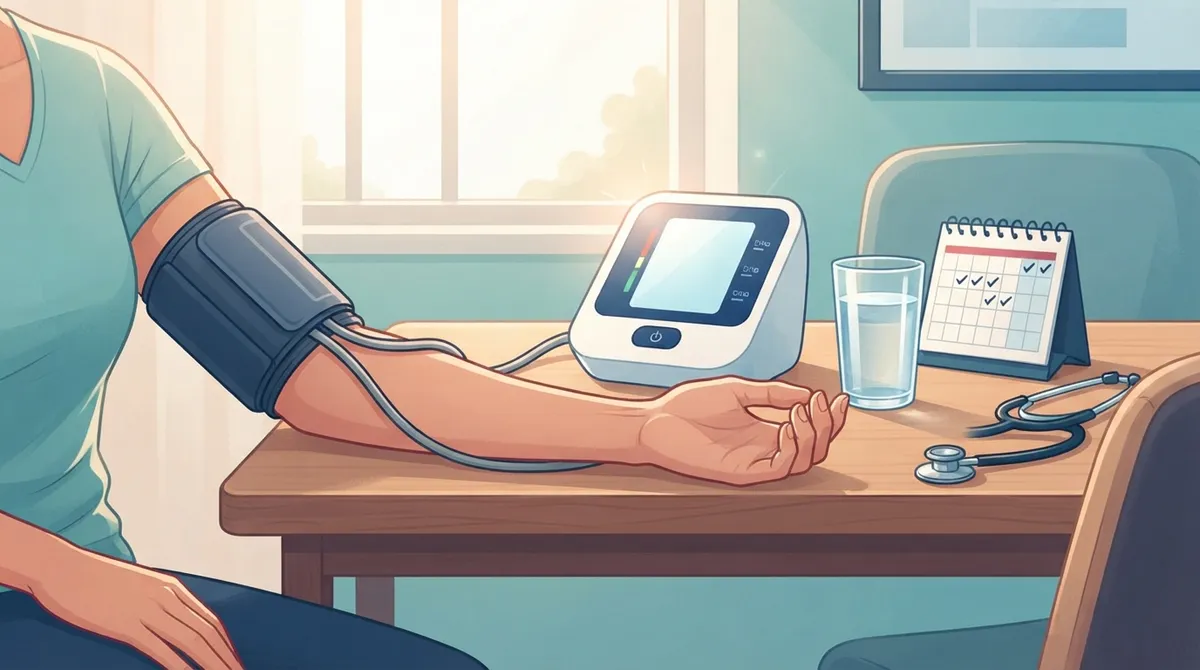
- Prepare for accurate readings by avoiding smoking, caffeine, and exercise for 30 minutes, emptying your bladder, sitting quietly for five minutes, and keeping your arm supported at heart level.
High blood pressure rarely announces itself. Many people feel fine for years while their numbers creep up. That is why finding a trusted blood pressure doctor in Riverview, Florida, is one of the smartest health moves you can make in 2026.
The CDC estimates that 47.7% of U.S. adults had hypertension between August 2021 and August 2023. Yet only 59.2% of those adults knew they had it, and just 20.7% had their pressure controlled below 130/80 mm Hg. In other words, most people with high blood pressure are not reaching their goal.
A primary care clinician can change that. This guide covers seven things a blood pressure doctor in Riverview does for you, from accurate testing to long-term follow-up. It also explains the 2025 ACC/AHA guideline in plain language. Whether you are a busy parent, a young professional, or a wellness-minded adult, you will learn what to expect and how to get started.

1. Confirms Your Numbers With Accurate Measurement
A single high reading does not always mean you have hypertension. Stress, caffeine, rushing to the office, or even a nervous feeling about the exam room can raise your pressure for a short time. This is often called the white-coat effect.
A good doctor confirms your readings on separate occasions. When it makes sense, they may also ask you to track pressure at home or wear an ambulatory monitor. This step separates lasting high blood pressure from a temporary spike.
Proper technique matters too. Your care team should use a validated device and a correctly sized cuff. You should sit quietly for five minutes with your back supported, feet flat, legs uncrossed, and your arm supported at heart level.
How to Prepare for a Reliable Reading
- Avoid smoking, caffeine, and exercise for 30 minutes before the visit.
- Use the restroom first, since a full bladder can raise readings.
- Stay still and avoid talking during the measurement.
- Take repeat readings as your clinician directs.
2. Explains What Your Reading Actually Means
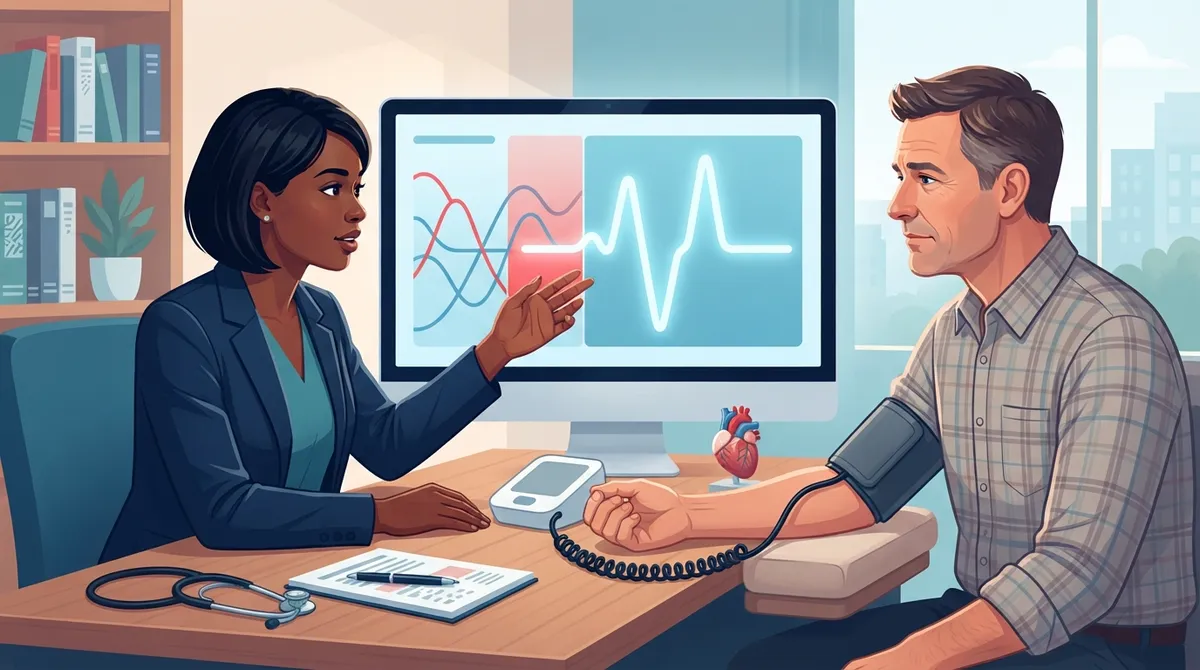
Numbers on a screen can feel confusing. A blood pressure doctor translates them into clear categories and next steps. The 2025 ACC/AHA guideline sets the stages this way:
|
Stage |
Systolic (top number) |
Diastolic (bottom number) |
|---|---|---|
|
Stage 1 hypertension |
130–139 mm Hg |
80–89 mm Hg |
|
Stage 2 hypertension |
140 mm Hg or higher |
90 mm Hg or higher |
Your treatment plan depends on more than the number alone. Your clinician also weighs your overall cardiovascular risk and conditions such as diabetes or chronic kidney disease. Two people with the same reading may need very different plans.
3. Looks at Your Whole Health, Not Just One Number
High blood pressure is tied to the heart, kidneys, blood sugar, weight, sleep, and stress. A primary care doctor looks at the full picture. That includes your health history, family history, current medicines, and lifestyle habits.
This is where whole-body care shines. At InCare's primary care practice, the focus is on prevention and optimization, not just treating problems after they appear. Your doctor may order lab work to check kidney function, cholesterol, and blood sugar. These results help rule out other causes and guide safe treatment.
If you want to learn more about how a full health review works, see this guide on what a health risk assessment is and why it matters.
4. Builds a Lifestyle Plan That Fits Your Real Life
The 2025 ACC/AHA guideline recommends lifestyle changes for adults with hypertension. These changes can lower pressure on their own for some people. For others, they work alongside medicine to improve results.
A good doctor does not hand you a generic handout. Instead, they build a plan that fits your schedule, budget, and goals. This is especially helpful for busy young families and working professionals who have little spare time.
Common Lifestyle Steps Your Doctor May Suggest
- Reduce sodium and eat more fruits, vegetables, and whole foods.
- Move your body regularly, even with short daily walks.
- Limit alcohol and avoid smoking.
- Improve sleep and manage stress.
- Reach a healthier weight with medical support.
Weight plays a big role. Even modest weight loss can bring pressure down. If you want structured help, InCare's medical weight loss program pairs personal coaching with advanced tools. You can also read how weight loss can lower your blood pressure.
5. Decides Whether You Need Medication
Not everyone with high blood pressure needs a prescription right away. The 2025 guideline uses a 7.5% 10-year cardiovascular risk threshold when treating stage 1 hypertension. Lower-risk adults may first try 3 to 6 months of lifestyle changes. Higher-risk adults may be advised to use medication along with lifestyle changes.
For stage 2 hypertension, the guideline recommends starting two first-line medicines from different classes in many cases, along with lifestyle steps. Your clinician makes the final call based on your health.
First-Line Medication Classes
|
Medication class |
Common role |
|---|---|
|
Thiazide-type diuretics |
Help the body remove extra salt and water |
|
Long-acting calcium-channel blockers |
Relax and widen blood vessels |
|
ACE inhibitors |
Reduce hormones that tighten blood vessels |
|
Angiotensin receptor blockers (ARBs) |
Block signals that raise pressure |
Your doctor picks the best fit based on your other health conditions, risks, and current medicines. Never start, stop, or change a blood pressure medicine without medical guidance. For help staying organized, check these prescription management tips.
6. Tracks Progress and Adjusts the Plan Over Time
Blood pressure care is not a one-time visit. It is an ongoing partnership. Your doctor will schedule follow-ups, review your home readings, and adjust your plan as needed.
This matters because control is the real goal. Remember that only 20.7% of adults with hypertension in the CDC analysis had their pressure controlled. Regular check-ins close that gap.
Tech-savvy patients can benefit from home monitors and digital tracking. Bring your logged readings to each visit. Your doctor can spot patterns, such as morning spikes, that a single office reading would miss.
For a deeper look at day-to-day strategies, explore these 12 proven strategies for blood pressure management. You can also see how primary doctors help manage chronic illnesses over the long term.
7. Knows When to Refer You or Act Urgently
Most people with hypertension can be managed well in primary care. Still, some cases are complex or hard to control. A skilled doctor knows when to bring in a specialist, such as a cardiologist or kidney specialist.
Some situations also need urgent attention. Seek emergency care right away if you have very high readings along with any of these symptoms:
- Chest pain or pressure
- Shortness of breath
- Sudden severe headache
- Vision changes
- Weakness, numbness, or trouble speaking
For less severe but time-sensitive concerns, urgent care can be a fast option. Your regular doctor can then follow up and coordinate your ongoing care.
Why Riverview Residents Choose InCare
Hypertension affects people of every background. The CDC data shows prevalence rises from 23.4% among adults ages 18 to 39 to 71.6% among adults 60 and older. That means early screening is valuable at any age.
InCare is a personalized clinic that blends medical expertise with state-of-the-art technology. With a Riverview location at 11922 Boyette Rd, plus Tampa and virtual visits, care fits your schedule. Patients praise the friendly staff and the quality of care, and InCare holds a 4.8 out of 5 rating on Google across 359 reviews. You can see what InCare patients say on Google.
Beyond blood pressure, InCare offers cancer screenings, metabolic breath analysis, body composition analysis, and DNA gene testing. These tools support a prevention-first approach to long-term health. You can meet the clinicians on the providers page, or learn why so many families trust the practice in this guide to primary care in Riverview.
Follow InCare for health tips on Instagram, Facebook, and TikTok.
Take the Next Step Toward Healthier Blood Pressure
Finding the right blood pressure doctor in Riverview means finding someone who measures carefully, explains clearly, and stays with you for the long run. Early action can protect your heart, brain, and kidneys for years to come.
Do not wait for symptoms. If you have not had your pressure checked recently, now is the time. Book your appointment with InCare today, or contact our team with any questions. Your healthiest year starts with one simple visit.
FAQs
Q: What kind of doctor treats high blood pressure?
A: A primary care doctor is usually the first clinician to screen for and treat high blood pressure. They confirm your readings, assess related risks, and build a treatment plan. If your case is complex or hard to control, they may refer you to a specialist such as a cardiologist.
Q: What blood pressure reading is considered high?
A: Under the 2025 ACC/AHA guideline, stage 1 hypertension is a systolic pressure of 130–139 mm Hg or a diastolic pressure of 80–89 mm Hg. Stage 2 is a systolic pressure of at least 140 mm Hg or a diastolic pressure of at least 90 mm Hg. Your doctor also considers your overall risk before deciding on treatment.
Q: How is high blood pressure diagnosed at a primary care visit?
A: Diagnosis relies on accurate, repeated measurements rather than a single reading. Your doctor may confirm results on separate occasions or use home or ambulatory monitoring. They may also order lab tests to check your kidneys, cholesterol, and blood sugar.
Q: Can lifestyle changes lower blood pressure, or will I need medication?
A: Lifestyle changes such as better nutrition, regular activity, healthy weight, and less alcohol can lower blood pressure for many people. Some adults with stage 1 hypertension and lower risk may try lifestyle changes first for 3 to 6 months. Others, especially those with stage 2 hypertension or higher risk, often need medication alongside lifestyle steps.
Q: Should I monitor my blood pressure at home before seeing a doctor?
A: Home monitoring can be very helpful, especially if you suspect white-coat effects. Use a validated device with a properly sized cuff, sit quietly for five minutes, and keep your arm at heart level. Bring your logged readings to your appointment so your doctor can review them.


