Key Takeaways
- Poor sleep affects mood, weight, blood pressure, and focus, yet many Tampa residents wait months or years before seeking help. Watch for loud snoring, witnessed breathing pauses, and heavy daytime sleepiness.
- Starting with primary care helps uncover links to thyroid, weight, anxiety, or blood pressure, and can rule out simple causes before you commit to a full sleep study.
- Not every sleep concern needs the same test: home sleep apnea tests suit suspected obstructive sleep apnea, while in-lab studies fit complex cases. Let a clinician choose the right one.
- Confirm referral requirements, network status, and home-testing or CPAP coverage with your insurer before booking, since these rules vary by clinic and plan.
Poor sleep rarely stays a sleep problem. It affects your mood, your weight, your blood pressure, and your focus at work. Yet many people in Tampa wait months or even years before they ask for help. According to CDC data, 30.5% of U.S. adults reported sleeping fewer than 7 hours a night in 2024. Only 54.8% said they woke up well-rested most days.
Finding the right sleep health clinic in Tampa can change that. But the search itself is full of traps. Some people book the wrong test. Others skip their regular doctor. Some never confirm insurance rules until the bill arrives.
This guide covers seven common mistakes and how to avoid each one. It is written for busy professionals, young families, and health-minded adults across Tampa Bay who want clear answers. By the end, you will know what a sleep evaluation involves, what questions to ask, and how primary care can guide your next step.
Why Sleep Health Deserves Medical Attention
Sleep is not a luxury. The CDC states that adults generally need at least 7 hours per night. When you fall short, your body pays for it.
Common conditions seen at a sleep health clinic in Tampa include:
- Obstructive sleep apnea
- Insomnia
- Narcolepsy
- Restless legs syndrome
In 2024, 15.4% of U.S. adults reported trouble falling asleep, and 18.1% reported trouble staying asleep. These numbers show that sleep trouble is common, not rare. It is also treatable once the cause is found.
Mistake 1: Ignoring Warning Signs for Too Long
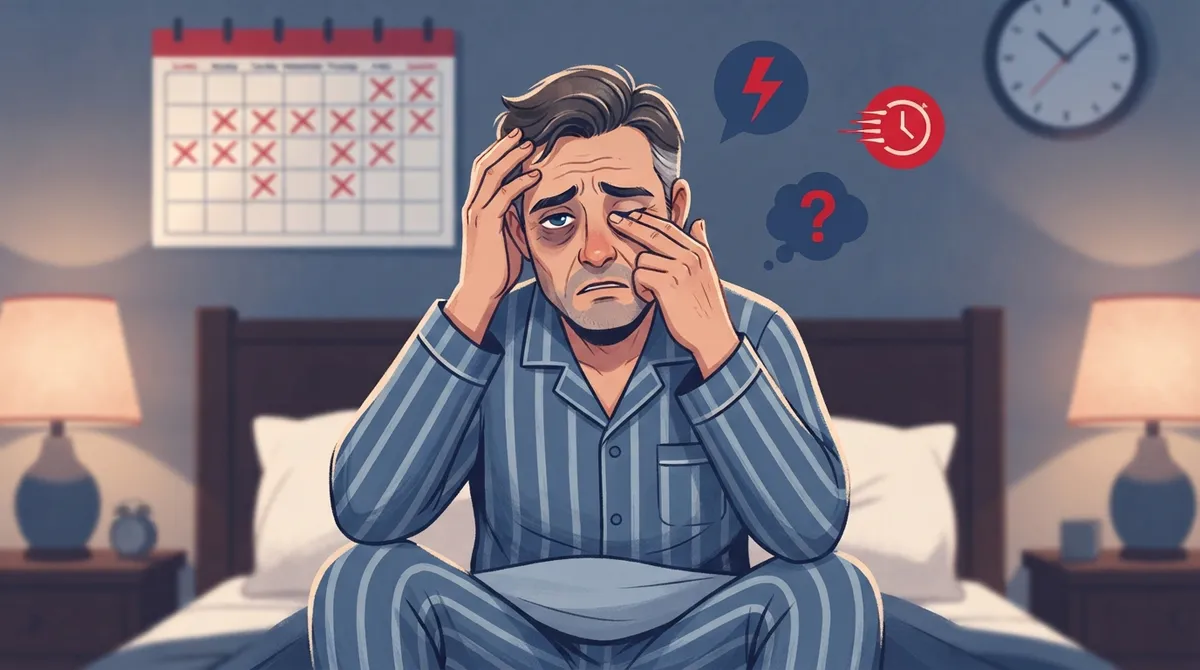
Many people blame stress, age, or a busy schedule. Meanwhile, the symptoms keep building. A sleep health clinic can help when these signs persist:
- Loud snoring most nights
- Pauses in breathing that a partner notices
- Heavy daytime sleepiness, even after a full night in bed
- Ongoing trouble falling or staying asleep
- Waking with headaches or a dry mouth
If you notice two or more of these, do not wait. Early evaluation often leads to simpler treatment. Untreated sleep disorders can raise the risk of other health problems over time.
Mistake 2: Skipping Your Primary Care Doctor First
A common error is jumping straight to a specialist or ordering a gadget online. Primary care is often the best starting point. A clinician can review your symptoms, medications, and health conditions. Many sleep problems link to other issues, such as weight, thyroid function, anxiety, or blood pressure.
At InCare, our team offers primary care built around prevention and whole-body health. We can look at the full picture first. If testing or a sleep specialist is the right next step, we help you take it. You can learn more about what a primary care physician does in Tampa to see how this fits into your care.
Starting with a primary care visit also saves time. Your doctor can rule out simple causes before you commit to a full sleep study.
Mistake 3: Not Knowing Where Local Options Exist
Tampa has several sleep care resources. Current search results point to hospital-based and specialty centers, including:
- Tampa General Hospital Sleep Disorders Center
- AdventHealth Tampa Sleep Care service
- Tampa Bay Sleep Center
- The Sleep Medicine Institute
Each one offers sleep testing and treatment options. Locations and services can change. Always confirm current addresses, availability, and accepted insurance directly with the clinic before you go.
If you want a care team that coordinates everything under one roof, our guide to finding a sleep apnea doctor in Tampa and Riverview explains what to look for. You can also review our locations in Tampa and Riverview.
Mistake 4: Choosing the Wrong Type of Sleep Test
Not every sleep concern needs the same test. Picking the wrong one can delay your diagnosis. Here is a simple comparison.
|
Test Type |
Where It Happens |
Best For |
Limits |
|---|---|---|---|
|
Home sleep apnea test |
Your own bed |
Suspected obstructive sleep apnea without major complications |
Cannot diagnose every sleep disorder |
|
In-lab polysomnogram |
Sleep center overnight |
Complex cases and multiple possible disorders |
Less convenient, may cost more |
|
Split-night study |
Sleep center overnight |
Diagnosing and starting CPAP in one night |
Ordered only when indicated |
|
Multiple sleep latency test |
Sleep center, daytime |
Excessive sleepiness, possible narcolepsy |
Requires a prior overnight study |
Tampa General Hospital reports that more than half of its sleep studies are done at home. That shows home testing is a major option. Still, a clinician should decide which test fits you. A home test works well for many adults, but it is not right for everyone.
Mistake 5: Overlooking Insurance and Referral Rules
This mistake costs people the most money. Referral rules and coverage vary by clinic and by insurance plan. Some plans require a referral from a primary care provider. Others require prior authorization for sleep studies or CPAP equipment.
Before you book, ask these questions:
- Do I need a referral to be seen?
- Is the sleep center in my network?
- Does my plan cover home testing, lab testing, or both?
- Is CPAP equipment covered, and how often is it replaced?
- What will my out-of-pocket cost be?
If you have Medicare, check coverage details early. Our team can help you understand your options. See our overview of what Medicare covers in primary care for a useful starting point.
Mistake 6: Treating Symptoms Instead of the Cause
Sleep aids and caffeine can mask a problem for a while. They rarely fix it. Treatment works best when it matches the diagnosis. Options may include:
- Behavioral and lifestyle changes
- Medication when appropriate
- Positive airway pressure (PAP or CPAP) for sleep apnea
- Oral appliances
- Selected surgical or device-based therapies
Weight and metabolism also play a role in many cases. Extra weight can worsen sleep apnea, and poor sleep can make weight loss harder. This is a two-way relationship. Our weight loss program uses personalized plans and advanced tools, including metabolic breath analysis, to look at how your body uses energy.
To learn how weight changes may affect breathing at night, read our article on whether weight loss can help sleep apnea.
Mistake 7: Skipping Follow-Up Care
A diagnosis is only the start. Many patients stop using CPAP within weeks because of mask discomfort or dryness. Others never return to check whether treatment is working. Follow-up visits help your care team adjust settings, change equipment, and track results.
Good follow-up includes:
- A check on comfort and mask fit
- A review of sleep and daytime energy
- Monitoring of blood pressure and other health markers
- Adjustments to your plan as your health changes
This is where ongoing primary care adds real value. Your regular provider already knows your history. Whole-person care keeps your sleep plan connected to your other health goals. Our guide on how sleep apnea is treated walks through what to expect after diagnosis.
What to Expect at Your First Sleep Evaluation
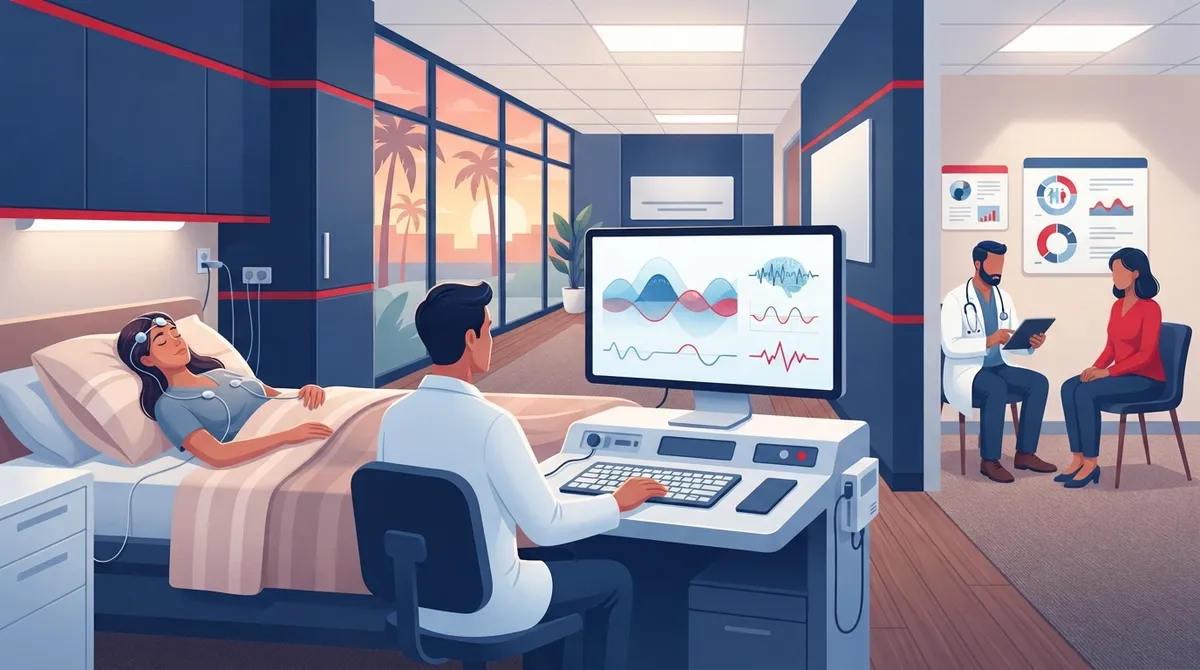
Knowing the process reduces anxiety. A typical first visit follows these steps:
- Medical and sleep history review, including medications and habits
- A physical exam, often focused on the airway, neck, and blood pressure
- Screening questionnaires about sleepiness and sleep quality
- A decision on whether testing is needed, and which type
- A plan for next steps and follow-up
Bring a simple sleep diary if you can. Note your bedtime, wake time, caffeine use, and how you feel each day. This gives your clinician useful detail. Our article on how to spot sleep apnea before it harms your health lists signs worth tracking.
Why Tampa Residents Choose InCare for Sleep-Related Care
InCare is a personalized healthcare clinic that combines modern technology with medical expertise. We serve patients in Tampa and Riverview with primary care, urgent care, and advanced wellness services. We focus on prevention and whole-body optimization, which is exactly what good sleep health requires.
For sleep concerns, InCare can be your best first step. We evaluate your symptoms, review your health history, and look at related factors like weight, blood pressure, and metabolism. When specialty testing is needed, we guide you to the right resources and keep your care coordinated. Our providers, including Dr. Pramjeet Ahluwalia, bring a patient-first approach to every visit.
Our patients agree. InCare holds a 4.8 out of 5 rating on Google with 359 reviews. You can read InCare reviews on Google to see what neighbors in Tampa and Riverview say about their care. You can also follow our updates on Instagram, Facebook, and TikTok for health tips and clinic news.
Simple Habits That Support Better Sleep Tonight
While you plan your visit, small changes can help. These habits support healthy sleep for most adults:
- Keep a steady bedtime and wake time, even on weekends
- Limit caffeine in the afternoon and evening
- Keep your bedroom cool, dark, and quiet
- Avoid heavy meals and alcohol close to bedtime
- Put screens away at least 30 minutes before bed
These steps do not replace medical care. If problems continue for more than a few weeks, schedule an evaluation. Our post on sleep mistakes that quietly wreck your health covers more daily habits to review.
Take the Next Step Toward Better Sleep
Avoiding these seven mistakes puts you ahead of most people searching for a sleep health clinic in Tampa. Act on warning signs early. Start with primary care. Choose the right test. Confirm insurance before you go. Treat the cause, and keep up with follow-up.
You do not have to figure this out alone. Book your visit with InCare today and take the first step toward rested, healthier days. Prefer to ask a question first? Contact our team, and we will help you find the right path.
FAQs
Q: Where can I find a sleep health clinic in Tampa?
A: Tampa offers hospital-based and specialty sleep centers, and primary care clinics like InCare can evaluate your symptoms and coordinate next steps. Always confirm current locations, availability, and accepted insurance directly with each provider before you visit.
Q: What symptoms mean I should see a sleep specialist?
A: Loud snoring, witnessed pauses in breathing, heavy daytime sleepiness, and ongoing trouble falling or staying asleep all warrant evaluation. If these symptoms last more than a few weeks, schedule a visit with your primary care provider.
Q: Do I need a referral to visit a sleep clinic in Tampa?
A: Referral rules vary by clinic and by insurance plan. Some require a referral from a primary care provider, so confirm the requirements with both the clinic and your insurer before booking.
Q: What is the difference between a home sleep test and an in-lab sleep study?
A: A home sleep apnea test is done in your own bed and is mainly used to diagnose suspected obstructive sleep apnea. An in-lab study monitors more body functions overnight and is used for complex cases or when other sleep disorders are suspected.
Q: Can a primary care doctor order a sleep study?
A: Yes. A primary care clinician can review your symptoms and health history, then order testing or refer you to a sleep specialist when appropriate. This is often the most efficient first step.