
Key Takeaways
- No weight loss medication is risk-free, so safety depends on a full medical review, the right product for your body, and follow-up care after you start.
- Prescription eligibility generally starts at a BMI of 30, or 27 or higher with a weight-related condition like high blood pressure or type 2 diabetes.
- Semaglutide (Wegovy) and tirzepatide (Zepbound) carry a thyroid C-cell tumor boxed warning and must be avoided by anyone with a personal or family history of medullary thyroid carcinoma or MEN2.
- Compounded semaglutide or tirzepatide is not FDA-approved and is not interchangeable with branded medicines, so verify the prescriber, product, and pharmacy before any injection.
- Ask any clinic who the licensed prescriber is, what exact product and dose you receive, and what follow-up care is included; walk away if answers are unclear.
- Medications work best within a plan that includes nutrition, movement, sleep support, and scheduled monitoring of weight, blood pressure, and side effects.
Searching for a safe weight loss medication in Tampa can feel overwhelming. Ads promise fast results, social media is full of before-and-after photos, and every clinic claims to have the answer. The truth is simpler. No weight loss medication is risk-free or right for everyone. What makes a medication "safe" is the process around it: a full medical review, the right product for your body, and follow-up care after you start.
This guide is written for busy adults, young families, and health-conscious Tampa Bay residents who want clear facts before they book a visit. You will learn which prescription options are FDA-approved, who may qualify, what side effects to expect, and how to spot a trustworthy program. At InCare, we believe safe weight management starts with a medical assessment, not a quick fix. Below are seven options and safeguards to understand before you begin.

What Makes a Weight Loss Medication Safe?
A safe weight loss medication is one chosen after an individual medical assessment and followed with ongoing monitoring. Safety is not a feature of the drug alone. It depends on your health history, your current medicines, and the clinician guiding your care.
In the United States, anti-obesity medication is generally considered for adults with a BMI of 30 or higher. It may also be considered at a BMI of 27 or higher when a weight-related condition is present, such as high blood pressure, type 2 diabetes, or sleep apnea. BMI is only one part of the picture. Your goals, preferences, and other health conditions matter too.
A responsible Tampa program should always include these steps:
- A review of your medical and medication history
- Screening for conditions that make a drug unsafe for you
- A discussion of FDA-approved options and non-drug alternatives
- Scheduled follow-up to check results and side effects
- Support with nutrition, movement, and sleep
Medication works best as one tool inside a larger plan. A physician-supervised weight loss program keeps that plan in one place.
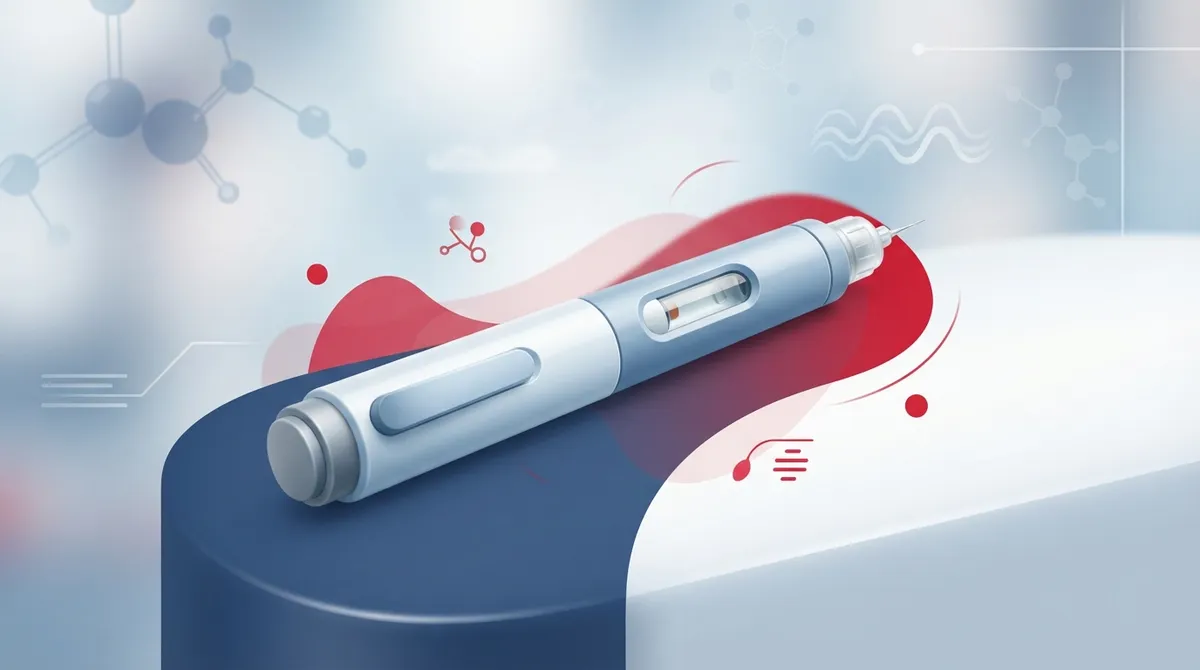
1. Semaglutide (Wegovy)
Semaglutide is one of the most discussed options for safe weight loss medication in Tampa. It is a GLP-1 medicine that slows stomach emptying and increases feelings of fullness, so you feel satisfied with less food. The version approved for chronic weight management is sold as Wegovy and is given as a weekly injection.
In clinical trials, adults taking semaglutide lost about 15% of body weight on average over 68 weeks when combined with lifestyle changes. These are study averages, not promises. Individual results vary widely.
Common side effects include nausea, vomiting, diarrhea, constipation, and stomach discomfort. These often appear during dose increases and tend to ease over time. Rare but serious risks include gallbladder problems, pancreatitis, and dehydration that can strain the kidneys.
Semaglutide carries a boxed warning about thyroid C-cell tumors seen in rodents. It should not be used by people with a personal or family history of medullary thyroid carcinoma or MEN2. To learn more, see our guide to semaglutide in Tampa.
2. Tirzepatide (Zepbound)
Tirzepatide works on two hormone pathways, GIP and GLP-1. This dual action helps control appetite and may improve how your body handles blood sugar. The weight management version is sold as Zepbound and is also a weekly injection.
In studied populations, tirzepatide produced average weight loss of roughly 20 to 22% over the trial period at higher doses. Again, this reflects research settings with close monitoring, not a guaranteed outcome for every patient.
Side effects are similar to semaglutide, mainly digestive. The same thyroid boxed warning applies. If you are weighing both medicines, our comparison of tirzepatide vs. semaglutide explains the key differences.
One important point: the same active ingredient may be sold under different brand names for diabetes and for weight management. For example, Wegovy and Ozempic both contain semaglutide, and Zepbound and Mounjaro both contain tirzepatide. Use the product and dose your clinician prescribes for your specific purpose.
3. Liraglutide (Saxenda)
Liraglutide is an earlier GLP-1 medicine approved for long-term weight management. Saxenda is taken as a daily injection. It also reduces appetite and increases fullness, though average weight loss in trials is lower than with newer weekly options.
Some patients prefer it, or are prescribed it, based on their health history, coverage, or tolerance of other drugs. Side effects are mostly digestive. Because it is a daily injection, it asks more of your routine than a weekly option.
4. Phentermine-Topiramate (Qsymia)
Qsymia combines two medicines in a single daily capsule. Phentermine reduces appetite, and topiramate may help you feel full and reduce cravings. It is a non-injection option, which appeals to patients who dislike needles.
This medicine is not for everyone. It can raise heart rate and may cause tingling, dry mouth, trouble sleeping, or changes in thinking. It also carries a pregnancy risk, so it requires careful screening and effective birth control for those who could become pregnant. A clinician must review your heart health and blood pressure first.
5. Naltrexone-Bupropion (Contrave)
Contrave pairs two medicines that act on brain pathways tied to hunger and reward. It is taken as a daily tablet, with the dose raised gradually over several weeks. Some patients find it helpful when cravings or emotional eating are a major challenge.
Possible side effects include nausea, headache, constipation, dizziness, and trouble sleeping. It is not suitable for people with uncontrolled high blood pressure, seizure disorders, or those using opioid medicines. This is exactly why a full medication review matters.
6. Orlistat (Xenical and Alli)
Orlistat works differently from the others. Instead of acting on appetite, it blocks about a quarter of the fat you eat from being absorbed. Xenical is the prescription strength, and lower-dose Alli is sold over the counter.
Orlistat is a non-injection choice with a long safety record. Its side effects come from undigested fat: oily stools, urgency, and gas. These effects are stronger after high-fat meals. It may also reduce absorption of fat-soluble vitamins, so your clinician may suggest a daily multivitamin.
7. Medical Supervision and Follow-Up Care
The seventh "option" is not a drug at all. It is the care that surrounds the drug. A safe program tracks how you respond and adjusts the plan as needed. This includes checking weight and blood pressure, reviewing side effects, and updating your dose or medicine if something is not working.
Modern tools can make this support more precise. InCare offers body composition analysis to track fat and muscle, and metabolic breath analysis to see how your body burns energy. These help show whether you are losing fat while protecting muscle, which a scale alone cannot tell you.
Medication is generally used alongside nutrition, physical activity, and sleep support. For ideas on structuring that plan, read about what makes medical weight loss different from dieting.
Comparing Your Prescription Options
The table below summarizes the FDA-approved long-term weight management medicines discussed above. It is a general overview only. Your clinician will decide what fits you.
|
Medication |
Brand Name |
How It Is Taken |
How It Works |
Common Side Effects |
|---|---|---|---|---|
|
Semaglutide |
Wegovy |
Weekly injection |
GLP-1; reduces appetite |
Nausea, diarrhea, constipation |
|
Tirzepatide |
Zepbound |
Weekly injection |
GIP and GLP-1; reduces appetite |
Nausea, vomiting, diarrhea |
|
Liraglutide |
Saxenda |
Daily injection |
GLP-1; reduces appetite |
Nausea, constipation |
|
Phentermine-topiramate |
Qsymia |
Daily capsule |
Appetite and craving control |
Dry mouth, tingling, sleep trouble |
|
Naltrexone-bupropion |
Contrave |
Daily tablet |
Acts on hunger and reward pathways |
Nausea, headache, dizziness |
|
Orlistat |
Xenical / Alli |
Capsule with meals |
Blocks some fat absorption |
Oily stools, urgency, gas |
Who Should Not Take Weight Loss Medication?
Some people should avoid these medicines or use them only with special caution. Safety screening exists to catch these situations early. Discuss treatment with a clinician if any of the following apply to you:
- You are pregnant, planning pregnancy, or breastfeeding
- You or a close relative has had medullary thyroid carcinoma or MEN2
- You have a history of pancreatitis or gallbladder disease
- You have uncontrolled high blood pressure, heart disease, or seizures
- You take medicines that could interact with the drug
Be honest about every supplement and prescription you use. Even over-the-counter products can matter. If you want help organizing your list, see our prescription management tips.
A Warning About Compounded and Online Injections
You may see ads for low-cost compounded semaglutide or tirzepatide in Tampa, sometimes at spas or through online sellers. Compounded versions are not FDA-approved and are not interchangeable with branded medicines. The FDA determined the tirzepatide shortage resolved in December 2024 and the semaglutide shortage resolved in February 2025. As a result, the rules that once allowed broader compounding have tightened, and these rules can change.
Before accepting any injection, ask these questions:
- Who is the licensed prescriber, and did they review my medical history?
- What exact product and dose am I receiving?
- Which pharmacy prepared it, and is it licensed?
- Is it FDA-approved, or is it compounded?
- What follow-up care is included?
If you cannot get clear answers, walk away. You can compare typical expenses in our guide to weight loss injection costs in 2026.
How to Choose a Trustworthy Tampa Weight Loss Clinic
The clinic you pick matters as much as the medication. Look for a practice where licensed physicians lead care, not a program that only sells a product. Primary care clinics have a real advantage here because they already know your full health history, including blood pressure, blood sugar, and cancer screening status.
At InCare, patients can meet with experienced physicians, including Dr. Naveen Paddu and Dr. Pramjeet Ahluwalia, who build plans around the whole person. Our team combines primary care with advanced wellness tools, so weight management connects to the rest of your health. Many patients also choose to follow our guidance on mistakes to avoid when choosing a weight loss clinic.
You can learn more about our approach on our About Us page, or see what neighbors say on Google for InCare, where we hold a 4.8 rating. You can also follow health tips from our team on Instagram.
What to Expect From Your First Visit
A good first appointment is a conversation, not a sales pitch. Expect your clinician to ask about your weight history, past diets, sleep, stress, and family health. Labs may be ordered to check blood sugar, cholesterol, thyroid, and kidney and liver function.
From there, you and your provider decide together. Some patients start a medicine. Others begin with nutrition and lifestyle changes and revisit medication later. Either path can be a good one. The goal is steady, sustainable progress that protects your health.
It is also worth planning for the long term. Weight can return after stopping some medicines, so discuss a maintenance plan early. Our article on how to know when weight loss medication is working can help you set realistic checkpoints.
Take the Next Step Toward Safer Weight Management
Safe weight loss medication in Tampa comes down to three things: a thorough medical screening, an FDA-approved option matched to you, and real follow-up support. Be cautious of any program that skips these steps or promises guaranteed results.
If you are ready to talk with a physician, book an appointment with InCare today, or contact our team with questions. With locations in Tampa and Riverview, plus virtual visits, we make it easy to start a plan built around your health and your schedule.
FAQs
Q: What weight loss medications are FDA-approved and available through a Tampa primary care provider?
A: FDA-approved long-term weight management medicines include semaglutide (Wegovy), tirzepatide (Zepbound), liraglutide (Saxenda), orlistat (Xenical), phentermine-topiramate (Qsymia), and naltrexone-bupropion (Contrave). A primary care provider reviews your health history to decide which, if any, is appropriate for you.
Q: Do I qualify for prescription weight loss medication?
A: Eligibility is generally a BMI of 30 or higher, or a BMI of 27 or higher with a weight-related condition such as high blood pressure or type 2 diabetes. A clinician also considers your health history, current medicines, and goals before recommending treatment.
Q: Are semaglutide and tirzepatide safe, and what side effects should I watch for?
A: They are FDA-approved and widely prescribed, but they are not risk-free. Common effects include nausea, vomiting, diarrhea, and constipation, while serious risks can include gallbladder problems, pancreatitis, and dehydration. Both carry a boxed warning about thyroid C-cell tumors and are not for people with a history of medullary thyroid carcinoma or MEN2.
Q: Are compounded semaglutide or tirzepatide FDA-approved?
A: No. Compounded versions are not FDA-approved and should not be treated as equivalent to branded medicines. Verify the prescriber, the product, and the pharmacy, and avoid unverified online or spa-sourced injections.
Q: Can I take weight loss medication if I am pregnant or breastfeeding?
A: Weight loss medicines are generally avoided during pregnancy, and patients who are pregnant, planning pregnancy, or breastfeeding should discuss options with a clinician first. Safe timing and alternatives can be reviewed during a medical visit.