

Key Takeaways
- The FDA does not approve dietary supplements for safety or effectiveness before they are sold; manufacturers are responsible for safety and truthful labeling, so quality can vary widely between brands.
- Supplements can change how prescription and over-the-counter medicines work, especially blood thinners, blood pressure drugs, diabetes medicines, antidepressants, and thyroid treatment.
- Bring every supplement container or clear photos of Supplement Facts labels, plus your medication list, the reason for each product, dosing frequency, and any effects you have noticed.
- Tell your clinician about all supplements before surgery or lab tests, since some products can affect bleeding, anesthesia, recovery, or test results. Never stop prescribed medicine on your own.
- A good review considers your health history, labs, diet, lifestyle, and goals, because the same product, such as vitamin D, may help one person and add nothing for another.
- If you suspect a supplement caused a serious reaction, stop taking it and seek medical care; suspected adverse events can be reported through the FDA's Safety Reporting Portal.
Walk into any store in Riverview, Florida, and you will find shelves packed with vitamins, herbal blends, and wellness powders. Many people take several of these products every day. Few have ever talked to a clinician about them. That gap is where problems start.
In primary care, medical supervision for supplements means a qualified clinician reviews your products, doses, health history, medicines, and goals together. The aim is to find real benefits, spot risks, and avoid harmful interactions. It is not about selling a product or handing out a one-size-fits-all dose.
This guide explains seven reasons professional oversight matters. It also covers what a review includes, what to bring, and how to find the right provider. Whether you are a busy parent, a health-conscious professional, or a young adult exploring wellness, the information below will help you make safer choices in 2026.
1. Supplements Are Not Approved for Safety Before They Reach the Shelf
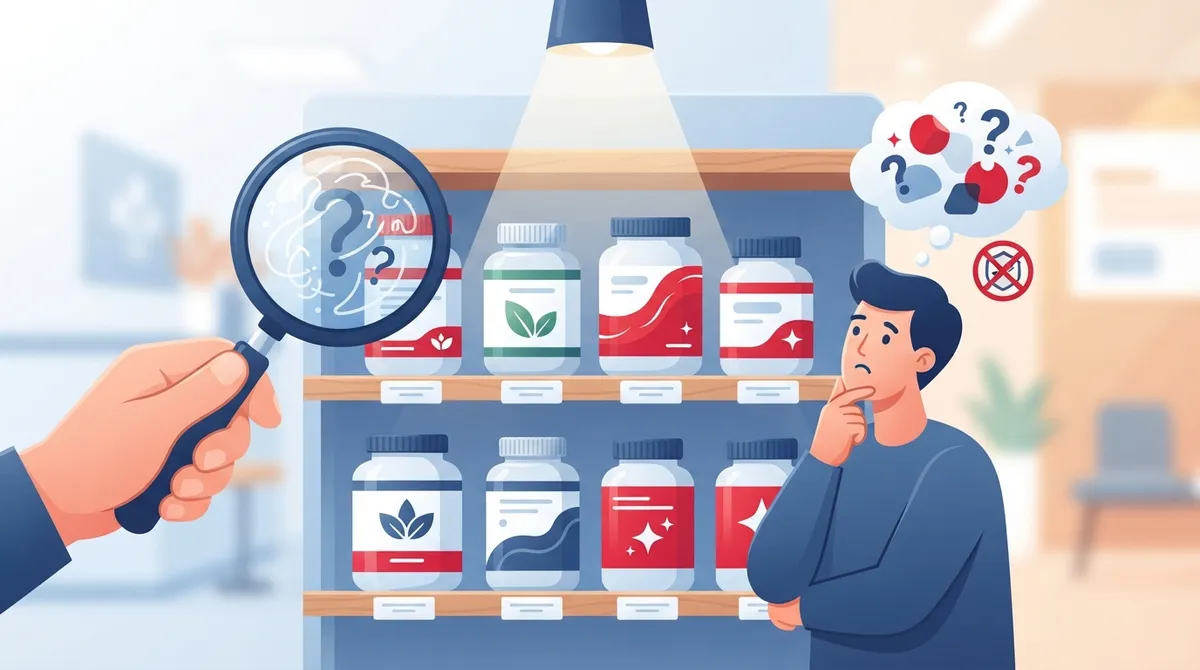
Many people assume that if a product is sold in a store, it has been tested and approved. For dietary supplements in the United States, that is not the case. The FDA states that it does not have the authority to approve dietary supplements for safety and effectiveness before they are marketed.
The Dietary Supplement Health and Education Act (DSHEA), enacted in 1994, created the current framework. Under it, manufacturers and distributors are responsible for product safety and truthful labeling. FDA oversight mostly happens after a product is already for sale.
This does not mean supplements are unsafe by default. It means quality and claims can vary widely from one product to the next. A clinician can help you judge whether a specific product fits your needs.
What This Means for You
- A label claim is not proof that a product works.
- Ingredient amounts and quality can differ between brands.
- You carry more of the decision-making burden than you may realize.
- A clinician can add expert judgment to that decision.
You can read more in the FDA's consumer guide to dietary supplements.

2. Supplements Can Interact With Your Medications
Supplements are active substances. They can change how prescription and over-the-counter medicines work. Some can make a drug stronger. Others can weaken it. Some can raise the risk of side effects.
This matters most for people who take blood thinners, blood pressure drugs, diabetes medicines, antidepressants, or thyroid treatment. It also matters if you take several supplements at once, because ingredients can overlap or stack up.
A clinician who knows your full medication list can spot these conflicts early. That is hard to do on your own, especially when product labels list long ingredient blends. Our guide on prescription management tips for better health in 2026 shows how a complete medication picture supports safer care.
3. A Clinician Reviews the Whole Picture, Not Just the Product
A good supplement review looks at you, not just the bottle. Your age, diet, health conditions, lifestyle, lab results, and goals all shape what makes sense.
For example, two people may both ask about vitamin D. One may have low levels and a clear need. The other may already get enough from sun and food. Without context, the same product could help one person and add nothing for the other.
That is why a personalized approach matters. At InCare, our clinicians combine medical expertise with modern testing tools. This helps ground supplement choices in your actual health data. For example, readers weighing vitamin D products may find our article on how to decide if vitamin D3 and K2 supplements fit you helpful.
What a Supervised Review Typically Covers
- Health history: Current conditions, past surgeries, and family history.
- Medication list: Prescription drugs, over-the-counter products, and every supplement.
- Diet and lifestyle: What you eat, how you sleep, and how active you are.
- Goals: Energy, weight, recovery, immunity, or general prevention.
- Product details: Ingredients, doses, and how often you take each item.
4. Documentation Makes Your Supplement Use Safer
Many people cannot say exactly what they take, how much, or why. That is normal, but it creates risk. A clinician may ask you to bring the container for each supplement or a clear photo of the Supplement Facts and ingredient labels.
Your provider can then document the product, dose, frequency, reason for use, and any effects you notice. This record helps in several ways:
- It prevents duplicate ingredients across products.
- It makes follow-up visits more useful.
- It helps other clinicians understand your full health picture.
- It supports faster action if a problem appears.
Think of it as a health log that grows with you. Over time, it shows what helped and what did not.
5. Some Situations Make Review Especially Important
Anyone can benefit from a supplement check. Certain situations make it more urgent.
|
Situation |
Why Review Matters |
|---|---|
|
Taking prescription or over-the-counter medicines |
Supplements can change how drugs work or raise side effect risk. |
|
Using multiple supplements together |
Overlapping ingredients can lead to excess intake. |
|
Preparing for surgery |
Some products can affect bleeding, anesthesia, or recovery. |
|
Planning lab tests |
Certain supplements can change test results. |
|
Managing a chronic condition |
Products may interfere with treatment or monitoring. |
|
Pregnant or planning pregnancy |
Safety needs are different and require clinical guidance. |
If any of these apply to you, schedule a review before you start or continue a supplement routine. Do not stop prescribed medicine on your own. Always talk with your clinician first.
6. Supplements Should Support Care, Not Replace It
Conventional foods are generally the main source of nutrients. A supplement may fill a gap, but it cannot replace a varied diet or prescribed treatment. Some people lean on products hoping to fix problems that need a different kind of care.
A primary care clinician can tell you when a supplement is a reasonable add-on and when something else is needed. Persistent fatigue, poor sleep, weight changes, or low libido, for example, may point to an underlying issue. Our article on how to know when to see a doctor for poor sleep explains why testing and evaluation often come before any product.
Where Other Team Members Fit In
A pharmacist or registered dietitian can also support your care. Pharmacists are strong at checking interactions. Dietitians help you meet nutrient needs through food first. A coordinated team gives you more complete guidance than any single source can.
7. Medical Oversight Helps You Respond to Side Effects
Even well-chosen supplements can cause reactions. Symptoms may include rashes, stomach upset, heart rhythm changes, or unusual fatigue. When you have a clinician involved, you have a clear place to turn.
The FDA advises that if you think a supplement may have caused a serious reaction, you should stop taking it and seek medical care. Suspected adverse events can also be reported through the FDA's Safety Reporting Portal. Clinicians can help with that reporting and with managing any symptoms.
Supervised use also builds in follow-up. Your provider can check whether a product is helping, adjust the plan, or stop it if the benefit is unclear. That keeps you from taking products indefinitely out of habit. For readers curious about newer wellness options, our overview of glutathione side effects you should know in 2026 shows why even popular products deserve careful review.
How to Prepare for a Supplement Review
A little preparation makes your visit far more productive. Follow these steps:
- Gather every product. Include vitamins, minerals, herbs, powders, gummies, and sports products.
- Bring containers or clear photos. Make sure the Supplement Facts and ingredient labels are readable.
- List your medicines. Include prescriptions, over-the-counter drugs, and any creams or patches.
- Note your reasons. Write down why you take each product and what you hope it does.
- Record any effects. Mention changes in energy, sleep, digestion, or mood.
- Write your questions. Ask about safety, timing, and whether testing is needed.
If you plan to establish care with a new provider, it also helps to know what to bring to your first primary care visit.
Medical Supervision vs. Going It Alone
The table below shows how the two approaches compare for common concerns.
|
Factor |
Self-Directed Use |
Medically Supervised Use |
|---|---|---|
|
Interaction checks |
Often skipped or based on internet searches |
Reviewed against your full medication list |
|
Dose guidance |
Follows label or trends |
Tailored to your health data and goals |
|
Monitoring |
Rarely tracked |
Follow-up and lab review when appropriate |
|
Product choice |
Based on marketing |
Based on evidence and fit |
|
Response to side effects |
Unclear next steps |
Clear clinical support |
Finding Supplement Guidance in Riverview, Florida
If you are searching for a provider, look for a clinic that treats supplements as part of whole-person care. Ask whether they review your medications, order labs when needed, and schedule follow-ups. A provider who only sells products without a health review is not offering supervision.
Residents can also explore options through our guide on finding a family doctor accepting new patients in Riverview. For those who want quality longevity-focused guidance, our article on quality longevity supplements under doctor care in 2026 offers more detail.
InCare serves patients in Riverview and Tampa with personalized primary care and advanced wellness services. We combine clinical expertise with modern technology, including options like DNA gene testing and metabolic assessments, to help guide decisions. Patients can read InCare reviews on Google to see what others say about their experience. If you want outside support on health-related business operations, O'Reilly Consultants is another resource worth knowing. You can also follow our updates on Instagram, Facebook, and TikTok.
Conclusion
Supplements can play a useful role in a healthy life. They can also create risk when used without guidance. Medical supervision brings expert judgment to a market that is not pre-approved for safety. It helps you avoid interactions, choose products that fit your needs, and respond quickly if something goes wrong.
The seven reasons above come down to one idea. Your supplement routine should be reviewed, documented, and monitored like any other part of your health care. That is the safest path in 2026 and beyond.
Ready to review your supplements with a qualified clinician? Book Now to schedule a visit with InCare in Riverview, or contact our team with questions. Bring your products, your medication list, and your goals. We will help you build a plan that is safe, personal, and based on your health.
FAQs
Q: What does medical supervision for supplements include?
A: It includes a clinician reviewing your health history, medications, diet, goals, and every supplement you take. The provider checks products, doses, and possible interactions, then decides whether monitoring or follow-up is needed.
Q: Are dietary supplements FDA-approved for safety and effectiveness?
A: No. The FDA does not approve dietary supplements for safety or effectiveness before they are marketed. Manufacturers and distributors are responsible for product safety and truthful labeling, and FDA oversight mainly occurs after products reach the market.
Q: What should I bring to a supplement review appointment?
A: Bring the container for each supplement or a clear photo of its Supplement Facts and ingredient labels. Also bring a list of your medicines, the reason you take each product, how often you take it, and any effects you have noticed.
Q: Should I stop supplements before surgery or blood tests?
A: Some supplements can affect surgical safety or change lab results, so you should tell your clinician about every product before either one. Your provider can advise which items to pause and when, based on your situation.
Q: Can supplements interact with prescription or over-the-counter medications?
A: Yes. Supplements can change how medicines work, strengthen or weaken their effects, or raise the risk of side effects. A clinician who sees your full medication list can identify these interactions and guide safer choices.


