

Key Takeaways
- Tirzepatide is FDA-approved and available now for weight management (Zepbound) and diabetes (Mounjaro), while retatrutide remains investigational with no FDA approval and a planned application filing in early 2027.
- Retatrutide is a triple agonist activating GIP, GLP-1, and glucagon receptors, versus tirzepatide's dual activation of GIP and GLP-1; the extra glucagon pathway may boost energy expenditure but long-term effects are still being studied.
- No completed head-to-head trial exists comparing retatrutide and tirzepatide directly; separate trials used different populations, doses, and durations, making reliable comparisons impossible despite retatrutide showing higher weight loss percentages.
- Both drugs cause similar gastrointestinal side effects including nausea, diarrhea, constipation, and vomiting; higher retatrutide doses showed 11.3% discontinuation due to side effects versus 4.9% for placebo.
- Never purchase retatrutide through unapproved online channels or wellness clinics; it lacks manufacturing standards, dosing safeguards, and quality controls since it's not FDA-approved.
- Before starting any weight-loss medication, require physician evaluation including BMI review, diabetes screening, medication interaction checks, contraindication assessment, and long-term monitoring plan.
Weight loss medications are changing fast, and patients often ask their primary care team about the newest options. One question comes up again and again: what is the real retatrutide tirzepatide difference? These two drugs sound similar, work in related ways, and both promise major weight loss. But they are not the same, and understanding the gap between them matters for your health decisions.
At InCare, patients across Tampa and Riverview ask about GLP-1 medications every week. Some hear about tirzepatide from a friend who lost significant weight. Others read about retatrutide online and wonder if it is available yet. This guide breaks down the science, the safety facts, and what you should know before considering either option through your weight loss care team.

1. They Target Different Numbers of Hormone Pathways
The most basic retatrutide tirzepatide difference comes down to how many receptors each drug activates. Tirzepatide is a dual agonist. It works on two hormone receptors: GIP and GLP-1. These are natural gut hormones that help control blood sugar and appetite.
Retatrutide goes one step further. It is a triple agonist, meaning it activates three pathways: GIP, GLP-1, and glucagon. That extra glucagon activity may boost energy expenditure, not just appetite control. This is the core biological reason researchers are excited about retatrutide, though the long-term effects are still being studied.
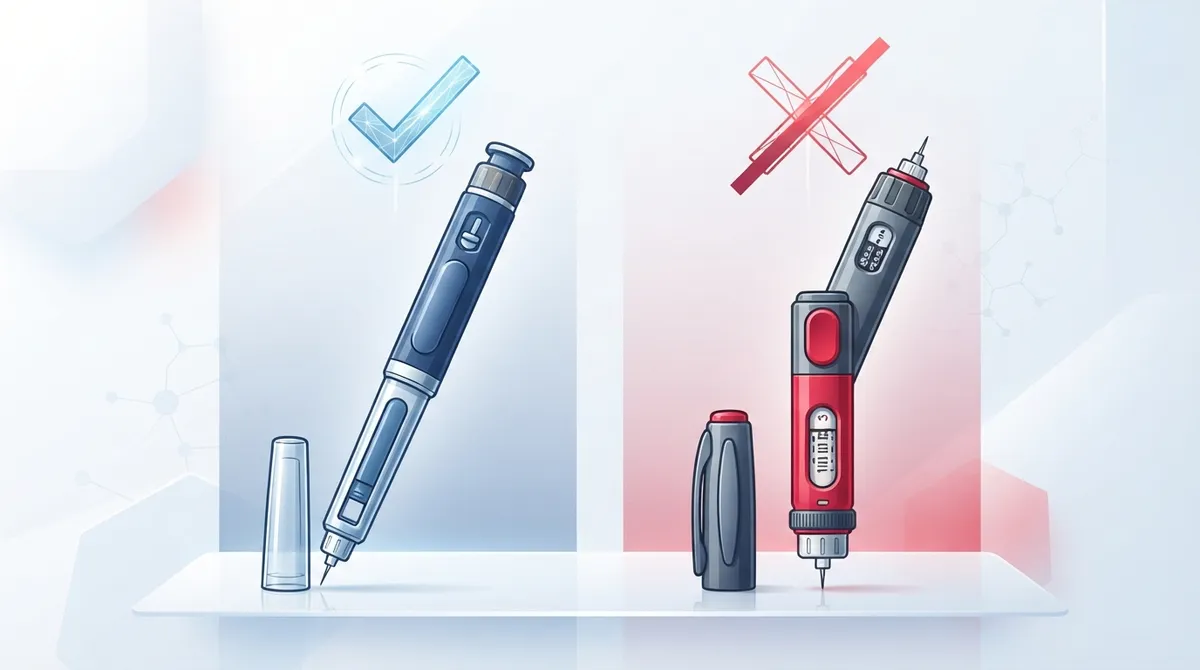
2. Only One of These Medications Is FDA-Approved
This is the most important fact for anyone considering treatment today. Tirzepatide is FDA-approved and sold under two brand names. As Mounjaro, it treats type 2 diabetes. As Zepbound, it treats chronic weight management in adults with obesity or overweight plus a weight-related condition. Zepbound received its approval in November 2023, according to the U.S. Food and Drug Administration.
Retatrutide is not approved for any condition as of this writing. It remains an investigational drug still moving through clinical trials. Reports indicate that Eli Lilly plans to submit a U.S. Biologics License Application in the first quarter of 2027. A filing is not the same as an approval, and there is no guarantee of when or if retatrutide will reach pharmacy shelves.
Why This Distinction Matters for Patients
- FDA approval means a drug has passed rigorous safety and effectiveness testing.
- Approved drugs come with clear dosing guidelines and monitoring standards.
- Unapproved products sold online or through unregulated sources carry unknown risks.
- Your primary care doctor can only responsibly prescribe treatments backed by solid, approved evidence.
3. Weight Loss Results Look Different in Separate Trials
Clinical trial data for retatrutide has generated a lot of buzz. In the Phase 3 TRIUMPH-1 trial reported in 2026, researchers tracked adults with obesity or overweight plus a weight-related condition, none of whom had diabetes. Over 80 weeks, retatrutide produced mean weight loss of 17.6% at the 4 mg dose, 23.7% at 9 mg, and 25.0% at 12 mg. The placebo group lost only 3.9%.
A separate analysis using a different reporting method, called the efficacy estimand, cited mean weight loss of 28.3% at 80 weeks with the 12 mg dose. These two numbers come from different ways of measuring results, so they should not be treated as the same figure. It is important to know which method a source is using before comparing results.
Tirzepatide's approved weight-management trials, reviewed by the FDA for Zepbound, measured outcomes after 72 weeks. Every studied dose showed statistically significant weight loss compared with placebo. However, there has been no completed head-to-head study comparing tirzepatide directly against retatrutide. Different trial populations, doses, and durations make direct comparisons unreliable.
|
Factor |
Tirzepatide (Zepbound/Mounjaro) |
Retatrutide |
|---|---|---|
|
FDA Status |
Approved |
Investigational only |
|
Hormone Targets |
GIP and GLP-1 |
GIP, GLP-1, and glucagon |
|
Trial Weight Loss (approx.) |
Varies by dose, up to 72 weeks |
17.6% to 25.0% or 28.3% at 80 weeks, depending on analysis |
|
Dosing Schedule |
Once weekly injection |
Once weekly injection (trial phase) |
|
Available Through Clinics |
Yes, with a prescription |
No, not for clinical use |
4. Both Drugs Cause Similar Digestive Side Effects
If you have heard that GLP-1 medications can upset your stomach, that reputation is accurate. Both tirzepatide and retatrutide list similar gastrointestinal side effects in clinical data. Common complaints include nausea, diarrhea, constipation, vomiting, and stomach discomfort.
In the TRIUMPH-1 trial's highest-dose retatrutide group, reported side effects included nausea in 42.4% of participants, diarrhea in 32.0%, constipation in 26.1%, and vomiting in 25.3%. These numbers reflect topline 2026 results and may shift as more data is published.
Adverse-event-related discontinuation in that same trial ranged from about 4.1% with the 4 mg dose to 11.3% with the 12 mg dose, compared with 4.9% for placebo. This tells us that higher doses may come with a higher chance of stopping treatment due to side effects.
Tirzepatide's Additional Labeled Warnings
Because tirzepatide has completed the FDA approval process, its label includes specific safety warnings that retatrutide's investigational status does not yet fully address in the same way. These include:
- Risk of pancreatitis, an inflammation of the pancreas.
- Gallbladder disease, including gallstones.
- Low blood sugar when combined with certain diabetes medicines.
- Acute kidney injury, often linked to severe vomiting or diarrhea.
- Complications related to diabetic retinopathy in some patients.
- Hypersensitivity reactions, including allergic responses.
- Warnings about suicidal thoughts or behavior.
Anyone considering tirzepatide should discuss these risks fully with a physician before starting treatment. A thorough review of your health history helps your care team catch potential problems early.
5. There Is No Proven Winner Between the Two Drugs
It is tempting to look at separate trial numbers and declare retatrutide the stronger option. But that conclusion is not scientifically sound yet. There is no completed head-to-head clinical trial proving retatrutide beats tirzepatide. Comparisons drawn from separate studies are considered indirect because the populations, doses, treatment lengths, and background care differ between trials.
For example, a 2026 retatrutide study focused on people with type 2 diabetes found that the 12 mg group lost an average of 16.8% of body weight after 40 weeks. This is a different patient population and a shorter timeframe than the obesity trials. It should not be directly ranked against tirzepatide's Zepbound results without a true side-by-side study.
A separate 104-week extension study of retatrutide, involving participants with a baseline BMI of at least 35, found about 30.3% weight loss with the 12 mg dose. This extension data covers a longer period than the primary 80-week endpoint and should not be confused with it.
6. Retatrutide Should Never Be Purchased Through Unapproved Channels
Because retatrutide has generated so much online attention, some wellness clinics and websites offer compounded or research versions of the drug. This is a serious safety concern. Retatrutide is not FDA-approved, which means there are no established manufacturing standards, dosing safeguards, or quality controls for products sold outside of official clinical trials.
Primary care clinicians should never prescribe or recommend non-approved retatrutide products marketed online. If you are exploring weight-management medication, a proper evaluation should include:
- A review of your BMI and any weight-related health conditions.
- Screening for diabetes or prediabetes.
- A full list of current medications to check for interactions.
- Discussion of contraindications specific to your health history.
- An assessment of your nutritional needs during treatment.
- A long-term monitoring plan to track your progress and safety.
This kind of careful, physician-guided approach is exactly what you should expect from any credible primary care practice. Skipping these steps to chase an unapproved product puts your health at unnecessary risk.
7. Your Care Team Can Help You Choose What Is Appropriate Today
Right now, tirzepatide is the medication that can be responsibly prescribed within its approved indications. Retatrutide remains a research-stage therapy. That does not mean retatrutide is unimportant. It simply means patients need accurate expectations about what is actually available.
At InCare, our providers, including Naveen Paddu MD, Pramjeet Ahluwalia MD, and Teshy John MD, take time to review your goals, your medical history, and your options. Our team combines body composition analysis, metabolic breath analysis, and DNA gene testing with medical weight-loss guidance to build a plan that fits your body, not a one-size-fits-all approach.
If you are curious about GLP-1 therapies, want to understand your cancer screening needs, or simply need a trusted primary care partner in Tampa or Riverview, our providers are ready to help. You can also explore our locations to find the clinic nearest you.
What Patients Should Watch For as Retatrutide Research Continues
Retatrutide's future depends on continued trial results and, eventually, formal FDA review. Patients should watch for updates from trusted medical sources rather than social media claims. Reliable information will come from peer-reviewed studies, official FDA announcements, and guidance from your own physician.
In the meantime, tirzepatide offers a proven, approved path for eligible patients managing type 2 diabetes or obesity. Our team can walk you through eligibility, expected side effects, and what a realistic weight-loss timeline looks like. Many patients find that combining medication with IV hydration therapy and consistent primary care support improves how they feel throughout treatment.
You can also follow health updates and patient education content from InCare on Facebook, Instagram, and TikTok for the latest wellness tips and clinic updates.
Making the Right Choice for Your Health Today
The retatrutide tirzepatide difference boils down to one clear fact: tirzepatide is here now, approved, and available with proper medical supervision. Retatrutide shows promise but remains a research compound without FDA clearance. Patients deserve honest, evidence-based guidance rather than hype.
Our patients often share their experiences after visiting our clinics. You can read what others say by visiting us on Visit us on Google — InCare, where our Tampa and Riverview locations maintain strong patient satisfaction ratings.
If you are ready to discuss weight-loss options, diabetes management, or general wellness goals with a physician who understands the full picture, our team is here for you. Reach out to our care team today or schedule your appointment now to start building a personalized, medically sound plan for your health.
FAQs
Q: What is the main retatrutide tirzepatide difference?
A: Tirzepatide is FDA-approved and activates two hormone receptors, GIP and GLP-1. Retatrutide is investigational only and activates three receptors, adding glucagon to the mix. This extra pathway may increase energy expenditure, but retatrutide has not completed FDA review.
Q: Is retatrutide approved by the FDA for weight loss or diabetes?
A: No, retatrutide is not FDA-approved for any condition as of now. Lilly has reported plans to submit a Biologics License Application in early 2027, but a filing does not guarantee approval or a specific timeline.
Q: Which works better for weight loss, retatrutide or tirzepatide?
A: There is no completed head-to-head trial proving one is superior. Separate trials suggest retatrutide may produce greater weight loss percentages, but different populations, doses, and durations make direct comparisons unreliable.
Q: What side effects can retatrutide and tirzepatide cause?
A: Both medications can cause nausea, diarrhea, constipation, vomiting, and stomach discomfort. Tirzepatide's FDA label also includes warnings about pancreatitis, gallbladder disease, low blood sugar, kidney injury, and other serious risks.
Q: Can I get retatrutide from a primary care or wellness clinic today?
A: No, retatrutide should not be prescribed or supplied by any clinic since it remains investigational and is not FDA-approved. Patients should avoid compounded or online versions and instead discuss approved options like tirzepatide with their physician.