

Key Takeaways
- Injectable GHK-Cu lacks FDA approval and large human safety trials, with highly variable product quality between compounded sources—seek baseline liver and copper testing before any systemic use.
- Topical GHK-Cu shows mild side effects (redness, itching) in 8-16 week studies, but injectable forms carry unknown toxicity risks due to direct bloodstream entry and copper accumulation.
- Avoid GHK-Cu if you have Wilson disease, liver disease, unexplained copper abnormalities, or are pregnant/breastfeeding; seek immediate medical care if you experience nausea, metallic taste, or neurologic changes after use.
- Ask providers about independent lab testing, product sourcing, and require ongoing liver/copper monitoring if using systemic GHK-Cu, as responsible practitioners welcome these safety questions.
Copper peptide skin care has become a popular part of many wellness routines in Tampa and Riverview. GHK-Cu, short for glycyl-L-histidyl-L-lysine copper, shows up in serums, creams, and even injectable products marketed for anti-aging and healing. But how much do you really know about GHK-Cu toxicity risks? Before you add this ingredient to your routine, it helps to separate proven safety data from marketing claims.
At InCare, our providers regularly field questions about peptides, copper compounds, and other wellness trends. This guide breaks down what current research shows about GHK-Cu toxicity, who should avoid it, and how to use it responsibly if you choose to try it. We will also cover warning signs that mean it is time to see a doctor.
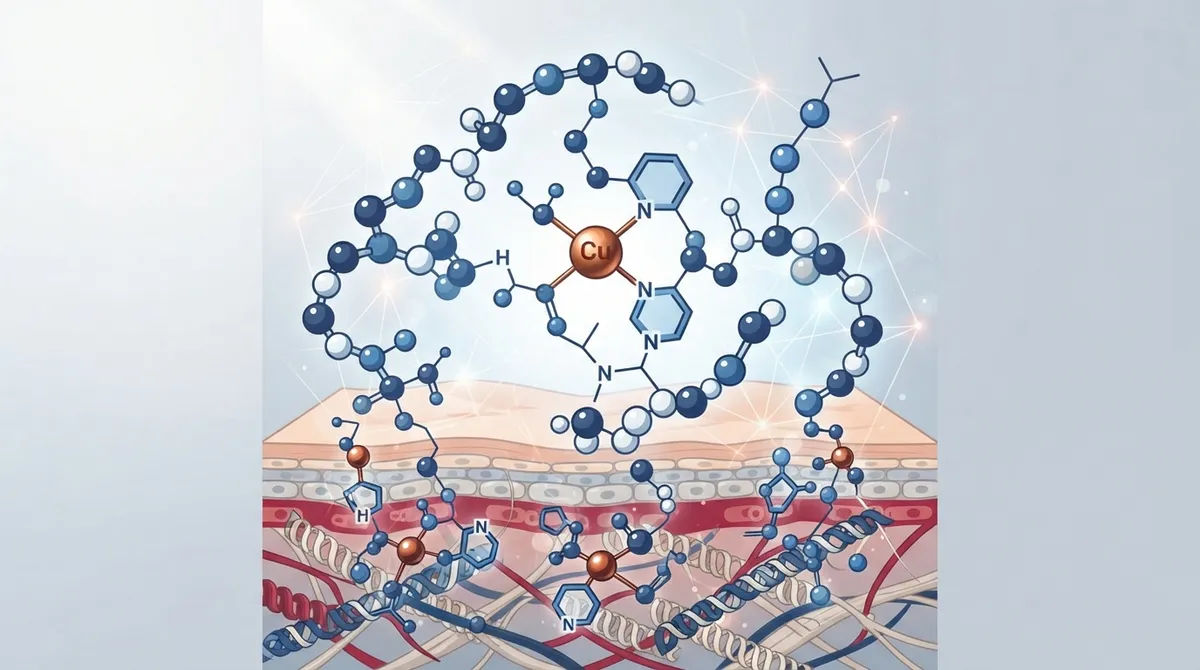
1. Understand What GHK-Cu Actually Is
GHK-Cu is a naturally occurring copper-binding tripeptide. Your body produces small amounts of it, and levels tend to drop as you age. This decline is one reason skin care companies market GHK-Cu for wound healing and tissue repair.
Most available research focuses on topical use in cosmetic products. Scientists have studied GHK-Cu for its role in collagen production, skin firmness, and minor wound support. However, injectable and oral forms of this peptide have much less human safety data behind them.
Why the Distinction Between Topical and Systemic Use Matters
Topical GHK-Cu sits on the surface of your skin. Very little of it enters your bloodstream when used as directed on intact skin. Injectable or oral GHK-Cu works differently, since it enters your system directly and can affect copper levels throughout your body.
- Topical products: applied to skin, low absorption, more established safety data
- Injectable products: enter the bloodstream directly, limited safety research
- Oral supplements: absorption and effects are not well studied
- Compounded formulas: quality and dosing may vary widely between providers

2. Review the Current Safety Evidence
Topical GHK-Cu generally has a reassuring safety record when used in properly formulated skin care products. Reported side effects are usually mild and include redness, itching, tingling, or dryness. Some people experience contact dermatitis, which is a skin reaction to an ingredient.
The story changes for injectable or high-dose systemic use. Controlled human trials that define safe doses, dosing schedules, and long-term effects are lacking. The 2018 review titled Regenerative and Protective Actions of the GHK-Cu Peptide highlighted strong laboratory and animal interest in this compound. But that review was not a substitute for large, modern clinical safety trials in humans.
What the Numbers Tell Us
|
Factor |
Topical Use |
Injectable/Systemic Use |
|---|---|---|
|
Human safety data |
Moderate, mostly short-term cosmetic studies |
Very limited, no large controlled trials |
|
Typical study length |
8 to 16 weeks |
Not established |
|
Absorption into blood |
Low with intact skin |
Direct and immediate |
|
FDA approval status |
Cosmetic ingredient, not a drug |
Not approved as an injectable treatment |
These numbers show why our providers at primary care visits ask detailed questions before discussing any peptide product with patients.
3. Know the Signs of Copper Overexposure
Copper is an essential mineral found in everyday foods. Adults typically consume around 1 to 2 milligrams per day through diet. The National Academies set a tolerable upper intake level of 10 milligrams per day for copper from all sources. This number applies to food and supplements, not to injectable GHK-Cu products.
Some online protocols suggest that 1 to 2 milligrams of GHK-Cu contains roughly 160 to 320 micrograms of elemental copper. This estimate is not a validated clinical dosing standard. It does not prove that repeated injections are safe over time.
Symptoms That May Signal Copper Toxicity
- Nausea or vomiting that does not go away
- Ongoing abdominal pain
- A metallic taste in your mouth
- Unusual weakness or fatigue
- Signs of anemia, such as pale skin or shortness of breath
- Yellowing of the skin or eyes, which may signal liver stress
- Confusion or other neurologic changes
If you notice any of these symptoms after using a GHK-Cu product, especially an injectable one, seek medical care right away. Symptoms after an injection could also point to contamination, dosing errors, or an unrelated medical issue that needs prompt evaluation.
4. Identify Who Should Avoid GHK-Cu
Certain individuals face higher risk when it comes to copper exposure. A thorough annual wellness visit can help identify these risk factors before you try any new peptide product.
- People diagnosed with Wilson disease, a condition that causes copper buildup in the body
- Anyone with unexplained abnormal copper test results
- Patients with significant liver disease or impaired liver function
- Pregnant or breastfeeding individuals, since safety data is insufficient
- Children, due to a lack of pediatric safety research
- People currently undergoing fertility treatment or living with active cancer
If you fall into any of these categories, talk to your doctor before starting GHK-Cu in any form. A conversation during a primary care visit in Riverview or Tampa can help you weigh the risks properly.
5. Ask the Right Questions Before Trying Injectable Products
Injectable GHK-Cu is not FDA approved as a treatment for anti-aging, hair loss, wound healing, or general wellness. Product quality, sterility, and labeling can vary significantly between compounded or unregulated sources. This inconsistency raises real safety concerns.
Questions to Ask Any Provider Offering GHK-Cu Injections
- Is this product tested by an independent lab for purity and concentration?
- What is the source and manufacturing process for this peptide?
- Has my liver function and copper level been checked recently?
- Do I have any condition that increases my risk, such as Wilson disease?
- What symptoms should prompt me to stop use and seek care?
A responsible provider will welcome these questions and encourage lab monitoring rather than dismiss your concerns. This is part of the personalized approach you can expect at InCare, where our team focuses on evidence-based recommendations rather than unproven claims.
6. Monitor Your Health With Proper Lab Testing
If you and your doctor decide that systemic GHK-Cu use might be appropriate for your situation, ongoing monitoring becomes essential. This typically involves blood work to check liver function and copper levels over time.
Our clinics offer comprehensive lab testing alongside services like DNA gene testing and body composition analysis to give you a full picture of your health. Combining these tools with regular checkups helps catch problems early, before they become serious.
Steps for Safer Monitoring
- Schedule baseline liver function tests before starting any systemic peptide
- Repeat testing at intervals recommended by your provider
- Report new symptoms immediately, even if they seem minor
- Keep a record of the product source, dose, and frequency of use
- Discuss any other supplements or medications you are taking
This kind of careful tracking reflects the same standard we apply during a annual physical exam, where prevention and early detection are the priority.
7. Choose a Trusted Primary Care Partner for Peptide Guidance
Wellness trends move fast, and GHK-Cu is just one example of a compound that generates excitement online before science fully catches up. Working with a knowledgeable primary care team helps you separate real benefits from unverified claims.
InCare serves patients in Tampa and Riverview with a combination of medical expertise and advanced technology. Our providers can discuss peptide therapy options in Tampa honestly, including where the evidence is strong and where it is still developing. We also offer services like IV hydration and vitamin drips and medical weight loss programs that are backed by more established research.
Why Patients Trust InCare
- Board-certified providers who prioritize patient safety over trends
- Access to lab testing that supports informed decision-making
- Locations in both Tampa and Riverview for convenient care
- A 4.8 out of 5 rating on Google from hundreds of satisfied patients
You can read what other patients say by visiting our page on Visit us on Google — InCare. Many reviews highlight the friendly, thorough approach our team takes with every visit. You can also follow our updates and wellness tips on Facebook, Instagram, and Tik Tok.
Making an Informed Decision About GHK-Cu
GHK-Cu toxicity risks depend heavily on how the peptide is used. Topical products applied to healthy, intact skin appear to carry a reasonably low risk profile based on current cosmetic research. Injectable or high-dose systemic use is a different matter entirely, with far less human safety data to rely on.
Before trying any GHK-Cu product, especially an injectable one, talk with a primary care provider who understands both the potential benefits and the real risks. Screening for conditions like Wilson disease, checking liver function, and reviewing your full medical history are all reasonable steps to take first.
If you have questions about GHK-Cu, copper toxicity symptoms, or want a full wellness evaluation, our team is ready to help. Reach out to our care team today to schedule a consultation, or book your appointment now to start your personalized wellness plan with InCare in Tampa or Riverview.
FAQs
Q: Is topical GHK-Cu safe to use on the face?
A: Topical GHK-Cu generally shows good tolerability in cosmetic studies lasting 8 to 16 weeks. Mild reactions like redness, itching, or dryness can occur, but serious systemic effects are unlikely with intact skin use. Long-term data beyond this window remains limited, so periodic breaks and monitoring are reasonable.
Q: Can GHK-Cu cause copper toxicity or liver damage?
A: Topical use rarely causes copper toxicity because skin absorption is low. Injectable or high-dose systemic use carries more uncertainty, since large controlled human trials on long-term copper accumulation are lacking. Anyone with liver disease or copper-metabolism disorders should consult a physician before use.
Q: Is injectable GHK-Cu FDA approved?
A: No, injectable GHK-Cu is not FDA approved as a treatment for anti-aging, hair loss, or wound healing. Product quality, sterility, and dosing can vary significantly among compounded or unregulated sources, which adds risk beyond the peptide itself.
Q: Who should avoid GHK-Cu, including people with Wilson disease?
A: undefined
Q: What should someone do after developing nausea, abdominal pain, or a metallic taste while using GHK-Cu?
A: These symptoms may indicate copper toxicity, contamination, or a dosing error, and require prompt medical evaluation. Contact a primary care provider immediately, especially if symptoms follow an injectable product, and bring details about the product source and dose to your appointment.