
Key Takeaways
- Snoring alone does not confirm sleep apnea: it is caused by vibrating airway tissue, while obstructive sleep apnea involves repeated airway blockages. Only a sleep study can confirm OSA.
- Red flags that warrant a clinician visit include witnessed breathing pauses, gasping or choking during sleep, excessive daytime sleepiness, unrefreshing sleep, or diagnosed high blood pressure.
- Simple changes like sleeping on your side, treating nasal congestion, and avoiding alcohol near bedtime may reduce snoring, but they do not replace evaluation if warning signs are present.
- Diagnosis relies on an AHI of at least 5 events per hour with symptoms, or at least 15 without, and a home sleep test may suit uncomplicated adults with suspected moderate-to-severe OSA.
Your partner nudges you at 2 a.m. and says you were snoring again. Now you wonder: is snoring always sleep apnea? It is a fair question, and the answer matters for your health. Snoring is common, and many people who snore do not have sleep apnea. But for some, loud snoring is the first sign of a serious sleep disorder that strains the heart and drains daily energy.
The challenge is telling the two apart. Snoring is a sound. Obstructive sleep apnea (OSA) is a medical condition with repeated airway blockages during sleep. In 2026, primary care teams can sort through symptoms, order the right testing, and guide next steps. This article covers seven clear facts about snoring and sleep apnea, so you know when to relax and when to get checked. At InCare, we help patients in Tampa and Riverview make sense of these questions every day.
1. Snoring Alone Does Not Equal Sleep Apnea
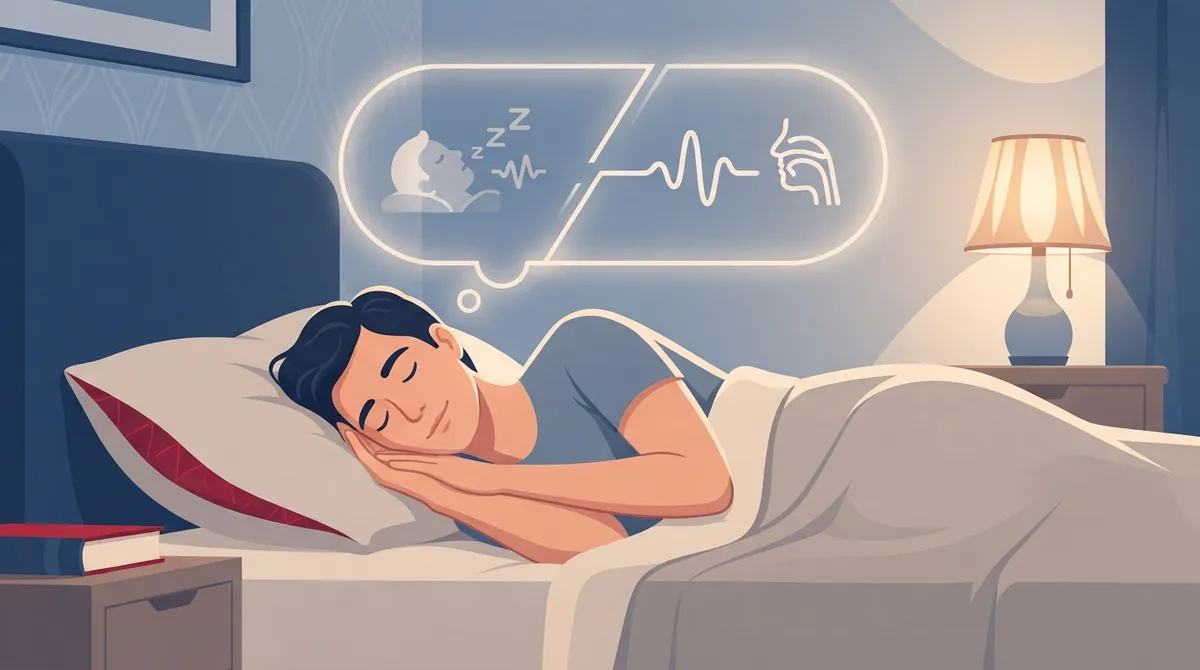
The short answer to "is snoring always sleep apnea" is no. Snoring happens when tissues in the upper airway vibrate as air moves past them. It can occur without the repeated airway blockages that define obstructive sleep apnea. Doctors often call this primary snoring.
Many people snore now and then. A 2009 CDC report of 74,571 adults in 12 states found that 48.0% reported snoring. That was a self-reported survey and is older, so it should not be treated as a current national figure. Still, it shows how common snoring is. Most of those people do not have sleep apnea.
The American Medical Association reported in 2024 that research suggests about half of people who snore loudly have OSA. That is a rough estimate, not a diagnostic rule. It does tell us something useful: loud snoring raises the odds, but it does not settle the question.
2. Many Everyday Factors Cause Snoring Without Sleep Apnea
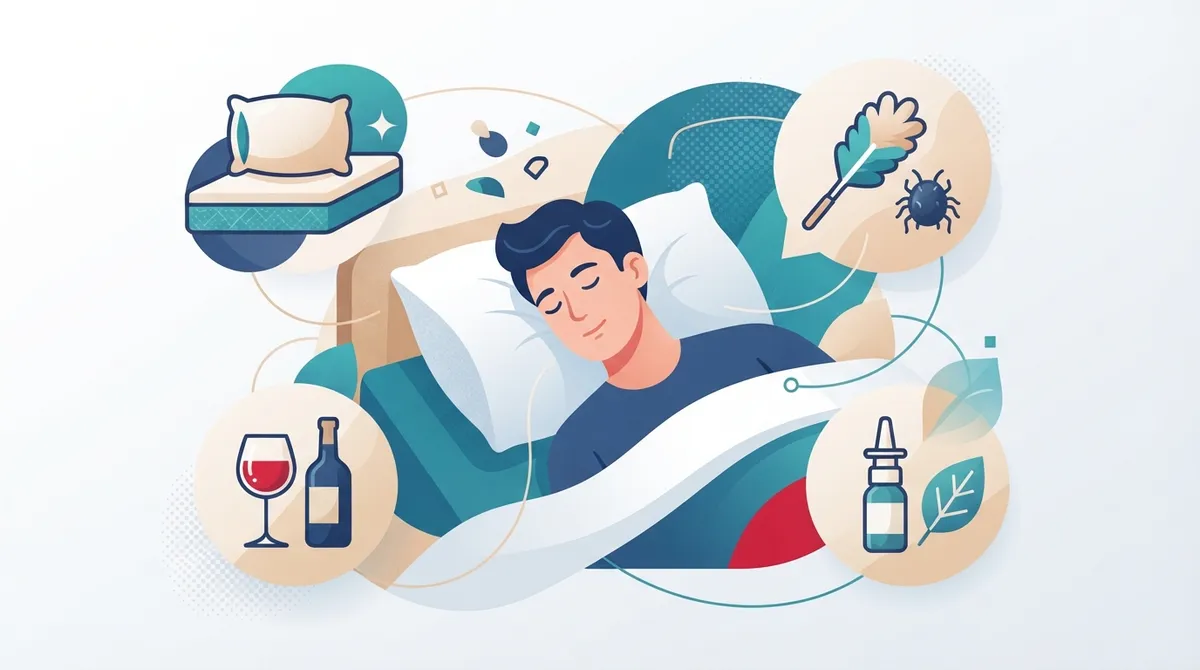
Snoring has many causes that have nothing to do with OSA. More than one factor may be at work at the same time. Common contributors include:
- Nasal congestion from allergies or a cold
- Nasal or throat anatomy, such as a narrow airway
- Sleeping on your back, which lets tissues fall toward the throat
- Alcohol near bedtime, which relaxes throat muscles
- Sleep deprivation, which deepens and loosens muscle tone
- Excess weight, which can narrow the airway
If your snoring started during a cold or after a few drinks, it may fade on its own. If it is steady and loud, it deserves a closer look.
3. Know the Warning Signs That Point Toward Sleep Apnea
Snoring becomes more concerning when it comes with other symptoms. Habitual, loud snoring plus any of the signs below should prompt a talk with a clinician.
- Witnessed pauses in breathing noticed by a partner or family member
- Gasping or choking during sleep
- Excessive daytime sleepiness, even after a full night in bed
- Unrefreshing sleep and morning fatigue
- High blood pressure that has been diagnosed
You may also notice morning headaches, trouble focusing, or a dry mouth. These clues matter more than the snoring itself. Busy parents, shift workers, and professionals often blame stress for these symptoms, so they go unchecked for years.
4. Primary Snoring vs. Sleep Apnea: A Quick Comparison
This table gives a simple side-by-side view. It is a guide only. It cannot replace a medical evaluation.
|
Feature |
Primary Snoring |
Obstructive Sleep Apnea |
|---|---|---|
|
Airway blockage |
Vibration without repeated blockage |
Repeated partial or full blockage |
|
Breathing pauses |
Not present |
Often witnessed |
|
Gasping or choking |
Rare |
Common |
|
Daytime sleepiness |
Usually mild or absent |
Often marked |
|
Health risk |
Mostly social or sleep disruption |
Linked to blood pressure and other concerns |
|
Needs a sleep test |
Not always |
Yes, for diagnosis |
5. Only a Sleep Study Can Confirm Sleep Apnea
Here is a key point: snoring cannot confirm or rule out OSA. Screening questionnaires can help estimate your risk, but they do not diagnose the condition. The American Academy of Sleep Medicine says diagnosis requires an appropriate sleep study, interpreted along with a full clinical evaluation.
Doctors measure events called apneas and hypopneas. Results are expressed as the apnea-hypopnea index (AHI), the number of events per hour. Common adult thresholds include:
- An AHI of at least 5 events per hour with relevant symptoms
- An AHI of at least 15 events per hour, even without symptoms
A clinician interprets these numbers alongside your history, exam, and risk factors. A number alone never tells the whole story.
6. Home Tests and Lab Studies Each Have a Place
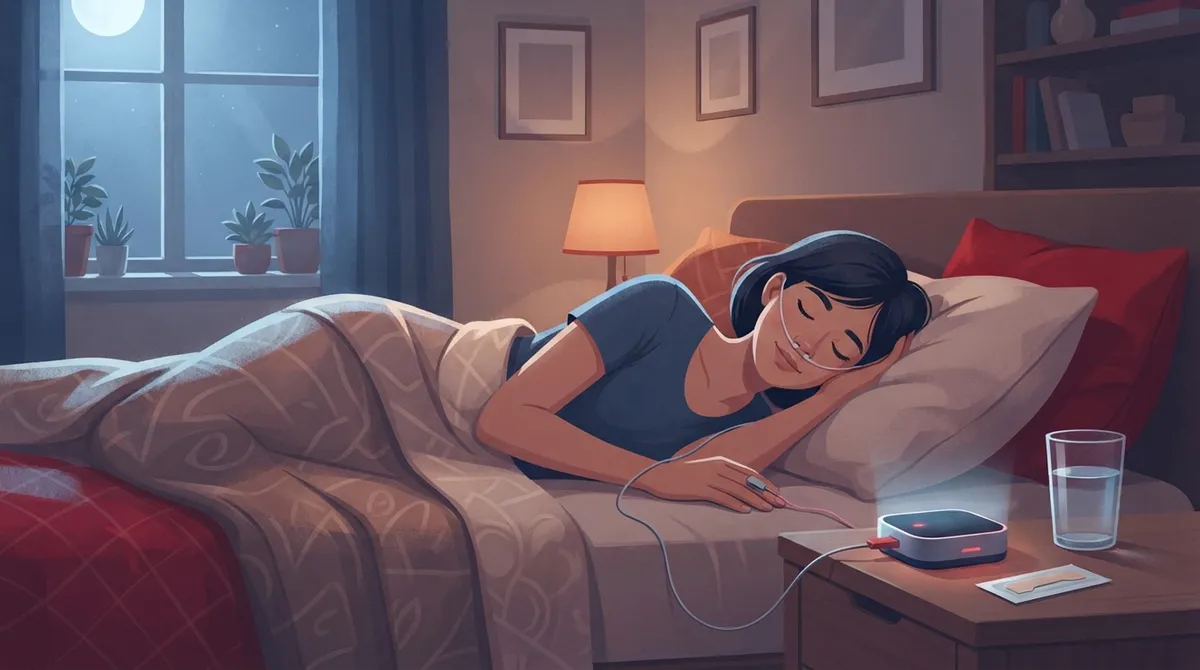
For an uncomplicated adult with signs that suggest moderate-to-severe OSA, a clinician may recommend a home sleep apnea test. It is convenient, and you sleep in your own bed.
In-lab polysomnography is preferred in some cases. These include certain significant medical conditions. It may also be needed if a home test is negative or inconclusive while suspicion stays high. The right path depends on your health picture, which is why the first step is a visit with a clinician who knows your history.
Good primary care also looks beyond the test. Your doctor reviews medications, alcohol use, nasal problems, and airway concerns that may play a role. Patients who struggle with sleep often also manage other conditions, and coordinated care helps. Our guide on how primary doctors help manage chronic illnesses explains why one connected team makes a difference. If you want a sleep-focused starting point, see our page on the best sleep apnea doctor in Tampa and Riverview.
7. Lifestyle Steps Can Help, But They Do Not Replace Evaluation
Simple changes may reduce snoring. They are worth trying, especially if you have no warning signs.
- Sleep on your side. This keeps the airway more open than back sleeping.
- Treat nasal congestion. Address allergies or colds that block airflow.
- Skip alcohol close to bedtime. It relaxes throat tissue and worsens snoring.
- Protect your sleep schedule. Steady, adequate rest lowers snoring for many people.
- Work on weight when appropriate. A medically guided plan can ease pressure on the airway.
That last point connects to wellness care. Our weight loss program uses personalized plans, and our article on weight loss and sleep apnea reviews what research shows. Tools like body composition analysis can track progress beyond the scale.
Remember, these steps do not substitute for a sleep evaluation when warning signs are present. If you gasp, pause, or feel exhausted every day, do not just try a new pillow and hope.
When to See a Primary Care Clinician
Seek an evaluation if your snoring comes with breathing pauses, gasping, marked daytime sleepiness, or trouble getting through your day. Also speak up if you have high blood pressure and snore loudly. Primary care is the right first stop. A clinician can assess your symptoms and risk factors, review your medications, check for nasal or airway concerns, and arrange testing or a referral when needed.
This is where a connected clinic helps. At InCare, our team in Tampa and Riverview offers primary care built around prevention and whole-body health. If you are new to us, our guide to a new patient appointment shows what to expect. You can also learn about our providers before you visit. With more than 350 reviews and a 4.8-star Google rating, patients trust us with their care. You can read InCare reviews on Google to see their stories. We also share health tips on Instagram, Facebook, and TikTok.
Conclusion: Do Not Ignore the Signs, and Do Not Panic
So, is snoring always sleep apnea? No. Many people snore because of congestion, sleep position, alcohol, or anatomy. But loud, habitual snoring with gasping, pauses, or heavy daytime sleepiness should never be brushed off. Only proper sleep testing, guided by a clinician, can tell you what is going on. Getting answers protects your energy, your heart, and your quality of life.
Ready to find out what your snoring means? Book Now with the InCare team, or contact us with your questions. We make it simple to get the right care, right when you need it.
FAQs
Q: Does snoring always mean you have sleep apnea?
A: No. Snoring is the sound of airway tissues vibrating, and it can happen without the repeated blockages seen in obstructive sleep apnea. Congestion, sleep position, alcohol, and anatomy are common non-apnea causes.
Q: What symptoms of sleep apnea should I watch for besides snoring?
A: Watch for witnessed pauses in breathing, gasping or choking during sleep, excessive daytime sleepiness, unrefreshing sleep, and diagnosed high blood pressure. Loud, habitual snoring combined with any of these signs warrants a conversation with a healthcare professional.
Q: How is sleep apnea diagnosed, and can a home sleep test detect it?
A: Diagnosis requires an appropriate sleep study interpreted alongside a clinical evaluation. A clinician may recommend a home sleep apnea test for an uncomplicated adult with signs of moderate-to-severe OSA, while in-lab testing may be needed in other situations.
Q: When should I see a primary care clinician about snoring?
A: Seek evaluation if snoring comes with breathing pauses, gasping, marked daytime sleepiness, or impaired daily functioning. Primary care can review your symptoms, medications, and risk factors, then arrange testing or a referral.
Q: What can I do to reduce snoring safely?
A: Sleeping on your side, treating nasal congestion, avoiding alcohol close to bedtime, and managing weight when appropriate may help. These steps do not replace a sleep apnea evaluation if warning signs are present.


