
Key Takeaways
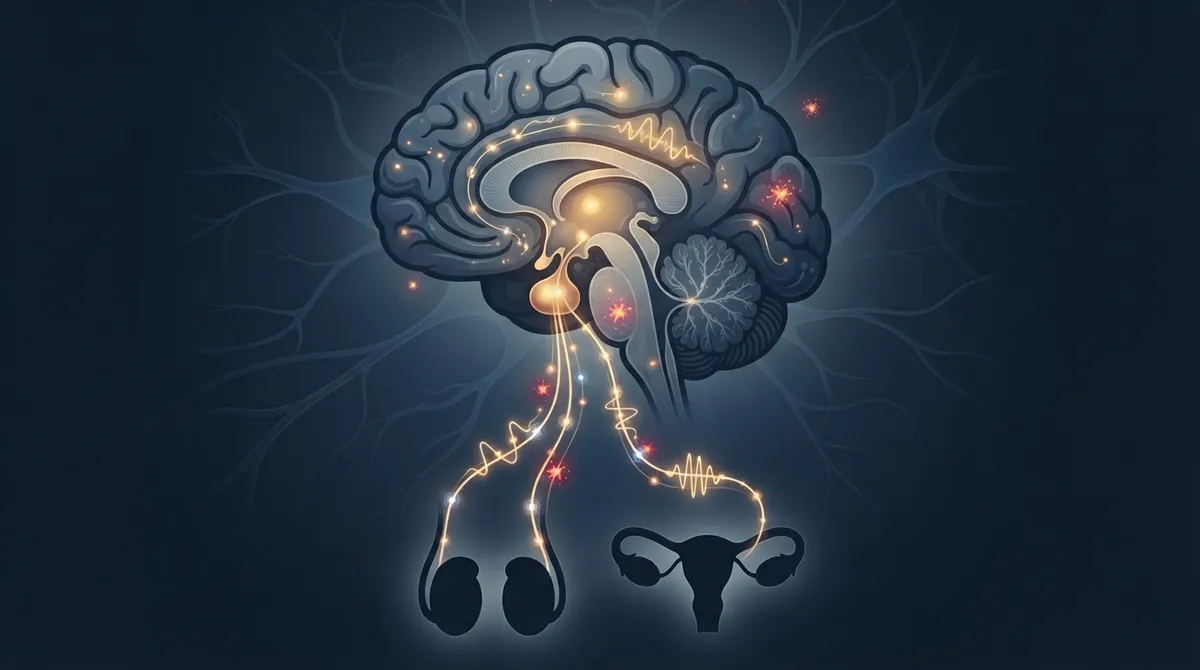
- Kisspeptin triggers GnRH release in the brain, which signals the pituitary to release LH and FSH gonadotropins that control sex hormone production in ovaries and testes.
- Lifestyle factors including low body weight, chronic stress, poor sleep, and excessive exercise reduce kisspeptin activity and can cause irregular periods or low testosterone.
- Kisspeptin neurons in different brain regions serve distinct functions: the arcuate nucleus controls steady hormone pulses in both sexes, while the anteroventral periventricular nucleus triggers ovulation in women only.
- Kisspeptin works as part of the KNDy network with neurokinin B (accelerator) and dynorphin (brake) to create rhythmic hormone pulses essential for normal ovulation and sperm production.
- Kisspeptin therapy remains experimental and not yet approved; standard hormone testing still relies on LH, FSH, and sex hormone levels rather than direct kisspeptin measurement.
- Mutations blocking kisspeptin or its receptor cause hypogonadotropic hypogonadism, resulting in delayed puberty, irregular periods, low energy, and fertility problems.
Hormone health can feel confusing, especially when it comes to fertility and reproductive wellness. One name is showing up more often in medical research: kisspeptin. This small protein plays a big role in how your body controls key reproductive hormones. Understanding kisspeptin gonadotropin regulation can help you make sense of conditions like irregular periods, low testosterone, and fertility struggles. At InCare, our Tampa and Riverview teams help patients understand the science behind their hormones while offering evidence-based primary care. This guide breaks down seven key facts about kisspeptin, using plain language so you can talk to your doctor with confidence.
What Is Kisspeptin and Why Does It Matter?
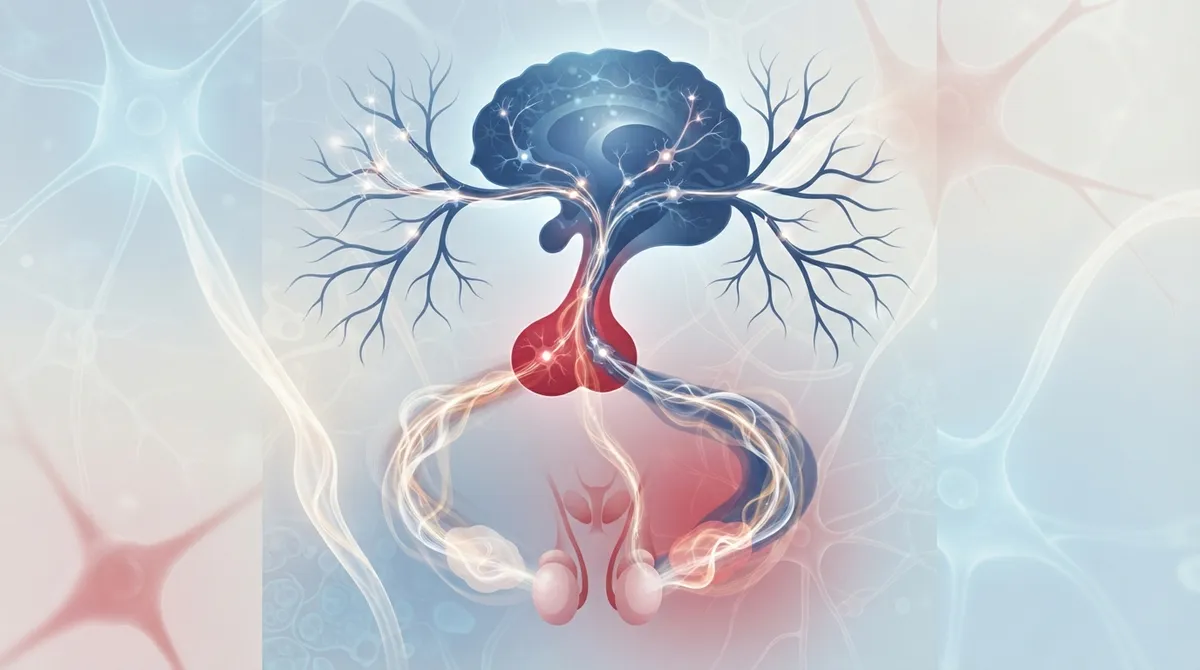
Kisspeptin is a signaling molecule made in the brain. It comes from a gene called KISS1. This protein acts like a messenger, telling other brain cells what to do next.
Kisspeptin connects to a receptor called KISS1R, also known as GPR54. This receptor sits on special brain cells that control reproduction. Think of kisspeptin as a switch that turns on the body's reproductive system.
According to a 2025 review in Physiological Reviews, kisspeptin and a related molecule called neurokinin B help control puberty, monthly cycles, and even menopause. This makes kisspeptin one of the most important discoveries in reproductive science over the last two decades.
1. Kisspeptin Controls Two Major Reproductive Hormones
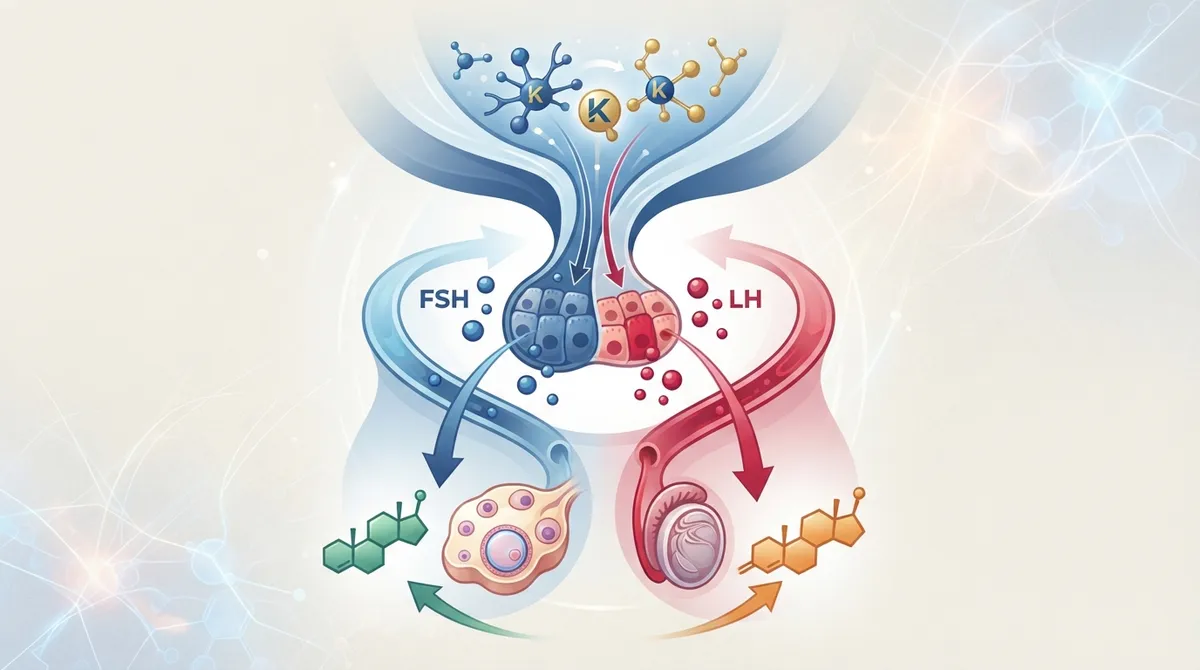
Kisspeptin does not act alone. It triggers a chain reaction that affects two hormones called LH and FSH. These are known as gonadotropins, which is where the term "gonadotropin regulation" comes from.
Here is the simple pathway:
- Kisspeptin binds to its receptor on GnRH neurons in the brain
- This triggers the release of GnRH, a hormone that acts like a starting signal
- GnRH travels to the pituitary gland
- The pituitary gland releases LH and FSH into the bloodstream
- LH and FSH then travel to the ovaries or testes
- This leads to the production of estrogen, progesterone, or testosterone
Kisspeptin mainly works upstream of the pituitary gland. It does not act directly on the ovaries or testes. This is an important distinction for anyone learning about hormone health.
2. Kisspeptin Is Essential for Puberty
Without working kisspeptin signals, puberty simply does not happen the way it should. Children need proper kisspeptin activity to start producing sex hormones at the right time.
People born with gene changes that block kisspeptin or its receptor often develop a condition called hypogonadotropic hypogonadism. This means their brain does not send the right signals to the pituitary gland. As a result, they have low LH, low FSH, and low sex hormone levels.
Patients with this condition may notice:
- Delayed or absent puberty
- Missing or very irregular periods
- Low energy and low libido
- Reduced muscle mass in men
- Trouble getting pregnant
If you or your child show signs of delayed puberty, a visit to a primary care provider is a smart first step. Early evaluation can catch hormone problems before they cause bigger issues.
3. Kisspeptin Neurons Work With a Support Team
Kisspeptin does not work by itself. It teams up with two other molecules called neurokinin B and dynorphin. Scientists call this group the KNDy network, named after the first letters of each molecule.
Here is how this team works together:
- Neurokinin B acts like a gas pedal, pushing kisspeptin activity forward
- Dynorphin acts like a brake, slowing kisspeptin activity down
- Together, they create rhythmic pulses of hormone release
- This rhythm is critical for normal ovulation and sperm production
This balance helps explain why stress, poor sleep, or illness can throw off a person's cycle. The KNDy network is sensitive to signals from the rest of the body, not just the reproductive system.
4. Different Brain Regions Play Different Roles
Not all kisspeptin neurons do the same job. Location in the brain matters a lot.
|
Kisspeptin Neuron Location |
Main Function |
Who It Affects |
|---|---|---|
|
Arcuate nucleus (infundibular in humans) |
Steady, pulsatile GnRH release |
Both men and women |
|
Anteroventral periventricular nucleus |
Triggers the LH surge before ovulation |
Women only |
This means women have an extra kisspeptin system that helps trigger ovulation each month. Men rely mostly on the steady, pulsing signal for ongoing testosterone production and sperm development.
5. Lifestyle Factors Affect Kisspeptin Activity
Your daily habits can influence how well your kisspeptin system works. The brain uses kisspeptin neurons to sense the body's overall condition before deciding whether to support reproduction.
Common factors that can lower kisspeptin signaling include:
- Very low body weight or extreme calorie restriction
- High levels of chronic stress
- Poor sleep quality over time
- Excessive exercise without enough recovery
- Obesity or diabetes-related hormone changes
This is one reason why women with very low body fat sometimes stop having periods. Their bodies sense a lack of resources and reduce kisspeptin activity to conserve energy. A body composition assessment can help identify if weight or fat levels may be affecting your hormone balance.
6. Kisspeptin Research Shows Promise for Fertility Care
Scientists are studying whether kisspeptin itself could become a treatment tool. Early research looks promising, but it remains experimental.
Here is what studies have found so far:
- Giving kisspeptin by IV, shot, or nasal spray raises LH levels quickly in healthy adults
- The FSH response is usually smaller and more variable than the LH response
- A 2025 study in eBioMedicine found that nasal kisspeptin can trigger hormone release fast, without needles
- Kisspeptin only works if the GnRH pathway is intact and functioning
- Researchers are exploring its use for hypothalamic amenorrhea, certain infertility cases, and IVF support
Despite this progress, kisspeptin therapy is not yet an approved standard treatment. Dosing, long-term safety, and manufacturing standards are still being studied. Anyone interested in fertility support should speak with a licensed provider rather than seeking unproven treatments online.
7. Proper Testing Still Relies on Standard Hormone Panels
Even though kisspeptin research is exciting, it is not part of routine testing yet. The Endocrine Society's clinical guideline for male hypogonadism still recommends measuring LH and FSH directly to figure out the cause of low testosterone.
A typical hormone evaluation may include:
|
Test |
What It Shows |
|---|---|
|
LH and FSH |
Whether the problem starts in the brain or the gonads |
|
Testosterone or Estrogen |
Sex hormone levels produced downstream |
|
Prolactin |
Rules out pituitary issues that can suppress GnRH |
|
Thyroid panel |
Checks for thyroid problems that mimic hormone imbalance |
There is currently no widely accepted blood test for kisspeptin itself in routine primary care. If your LH and FSH are both low along with low sex hormones, your doctor may suspect a problem higher up in the brain signaling chain, which is where kisspeptin research becomes relevant.
Who Should Ask About Hormone Testing?
Certain signs suggest it may be time to talk to a provider about your reproductive hormones. Consider scheduling a visit if you notice:
- Periods that stop for three months or longer without pregnancy
- Signs of delayed puberty in a teenager
- Ongoing fatigue paired with low libido
- Trouble conceiving after a year of trying
- Unexplained changes in muscle mass or body fat
Our providers, including Dr. Naveen Paddu and Dr. Pramjeet Ahluwalia, work with patients across Tampa and Riverview to review symptoms, order the right lab tests, and build a clear plan. You can view our full team on the providers page.
How InCare Supports Hormone and Fertility Health
Reproductive hormone issues rarely happen in isolation. They often connect to weight, metabolism, sleep, and stress. That is why a whole-body approach works better than treating symptoms alone.
At InCare, patients can access:
- Comprehensive primary care visits to review symptoms and order lab work
- DNA gene testing to better understand personal health risks
- Weight loss programs that support hormone balance through healthy body composition
- Metabolic breath analysis to assess how your body uses energy
- IV hydration and vitamin drips to support overall wellness and recovery
Patients trust InCare for clear communication and thorough care. You can read what current patients say by visiting our reviews or checking InCare on Google to see recent feedback from the Tampa and Riverview community. You can also follow health tips and clinic updates on our Facebook page, Instagram account, and TikTok channel.
Common Myths About Kisspeptin and Fertility
Misinformation spreads quickly online, especially around hormone topics. Here are a few myths worth clearing up:
- Myth: Kisspeptin supplements are available and safe for home use. Reality: There is no approved over-the-counter kisspeptin product backed by strong safety data.
- Myth: A simple blood test can measure your kisspeptin level at any clinic. Reality: No standard reference range or routine assay exists yet for primary care settings.
- Myth: Kisspeptin therapy already replaces fertility drugs. Reality: It remains investigational and is mainly used in research studies right now.
Trusted primary care remains the safest path for anyone with fertility or hormone concerns. Skipping proper testing and jumping straight to unproven treatments can delay real answers and real solutions.
Take the Next Step Toward Better Hormone Health
Understanding kisspeptin gonadotropin regulation helps explain why reproductive hormones sometimes go off track. Whether you are dealing with irregular cycles, fertility questions, or signs of low testosterone, getting the right tests matters. Our team at InCare in Tampa and Riverview is ready to listen, test, and guide you toward real answers. Book your appointment today and take the first step toward clearer hormone health.
FAQs
Q: What is kisspeptin and how does it regulate LH and FSH?
A: Kisspeptin is a brain protein that signals GnRH neurons to release GnRH in bursts. This signal then tells the pituitary gland to release LH and FSH, the two hormones that direct the ovaries and testes to produce sex hormones.
Q: How does kisspeptin differ from GnRH in the reproductive hormone pathway?
A: Kisspeptin acts one step earlier than GnRH in the signaling chain. It stimulates the neurons that make GnRH, while GnRH itself travels to the pituitary gland to trigger LH and FSH release.
Q: Can kisspeptin treatment help hypothalamic amenorrhea or infertility?
A: Early research suggests kisspeptin may help restart hormone signals in some fertility cases, including hypothalamic amenorrhea. However, this use remains investigational and is not yet a standard, approved treatment.
Q: How do nutrition, stress, and obesity affect kisspeptin signaling?
A: Low body weight, high stress, and irregular sleep can all reduce kisspeptin activity, which lowers LH and FSH output. Obesity and diabetes can also disrupt this signaling pathway, leading to irregular cycles or low testosterone.
Q: What lab tests are used to check for hypothalamic or pituitary hypogonadism?
A: Doctors typically start with LH, FSH, and sex hormone levels such as testosterone or estrogen. Prolactin and thyroid tests may also be ordered to rule out other causes of hormone imbalance.