
Key Takeaways
- Urgent care is not a substitute for the ER: call 911 or go to an emergency department for chest pain, trouble breathing, stroke symptoms, severe allergic reactions, uncontrolled bleeding, or serious trauma.
- Hours vary by clinic, and many Tampa-area urgent cares close around 8 p.m. on weekdays and earlier on weekends, so call or check the website before you leave home.
- Before going, confirm insurance acceptance, self-pay pricing, age limits for children, and whether the clinic offers the service you need, such as X-rays or strep testing.
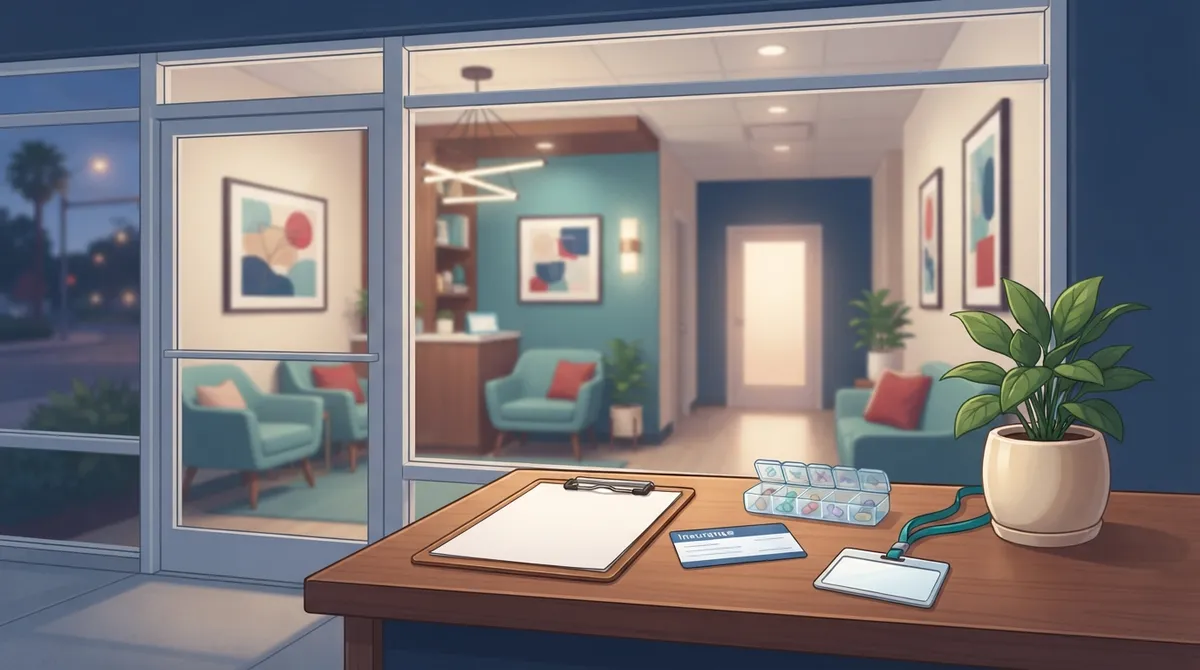
- Bring photo ID, your insurance card, a list of medications and allergies, and notes on when symptoms started, then request visit records to share with your primary care doctor for follow-up.
It is 7 p.m. on a Tuesday. Your child has a fever, or your ear is throbbing, or you twisted your ankle on the way home from work. Your regular doctor is closed. What now? For many people in the Bay Area, after hours urgent care in Tampa is the answer. It gives you fast, same-day care for problems that are not life-threatening but cannot wait until tomorrow.
Still, not all clinics are the same. Hours, services, age limits, and insurance rules can change from one location to the next. This guide covers six key things to know before you go. You will learn what after hours urgent care treats, when to choose the ER instead, and how to follow up with your own doctor. Whether you are a busy parent, a young professional, or someone who simply wants smarter healthcare, these tips will help you act with confidence when illness or injury strikes after the workday ends.
1. What After Hours Urgent Care Really Means
After hours urgent care in Tampa means walk-in or same-day care for non-life-threatening problems outside the usual schedule of a primary care office. That often includes evenings and weekends. It is not the same as 24-hour emergency care.
Think of urgent care as the middle ground. It sits between your regular doctor and the emergency room. You get a real medical exam, testing, and treatment, often without a long wait or a high bill.
Here is a simple way to picture the three levels of care:
|
Care Option |
Best For |
Typical Access |
|---|---|---|
|
Primary care |
Prevention, check-ups, long-term conditions |
Scheduled visits, daytime hours |
|
Urgent care |
Sudden but non-life-threatening illness or injury |
Walk-in or same-day, often evenings and weekends |
|
Emergency room |
Life-threatening symptoms and serious trauma |
Open 24 hours, 7 days a week |
Knowing which level fits your situation saves time, money, and stress. For a deeper look at what urgent care can handle, see what urgent care services can actually treat for you.
2. Common Conditions Treated After Hours
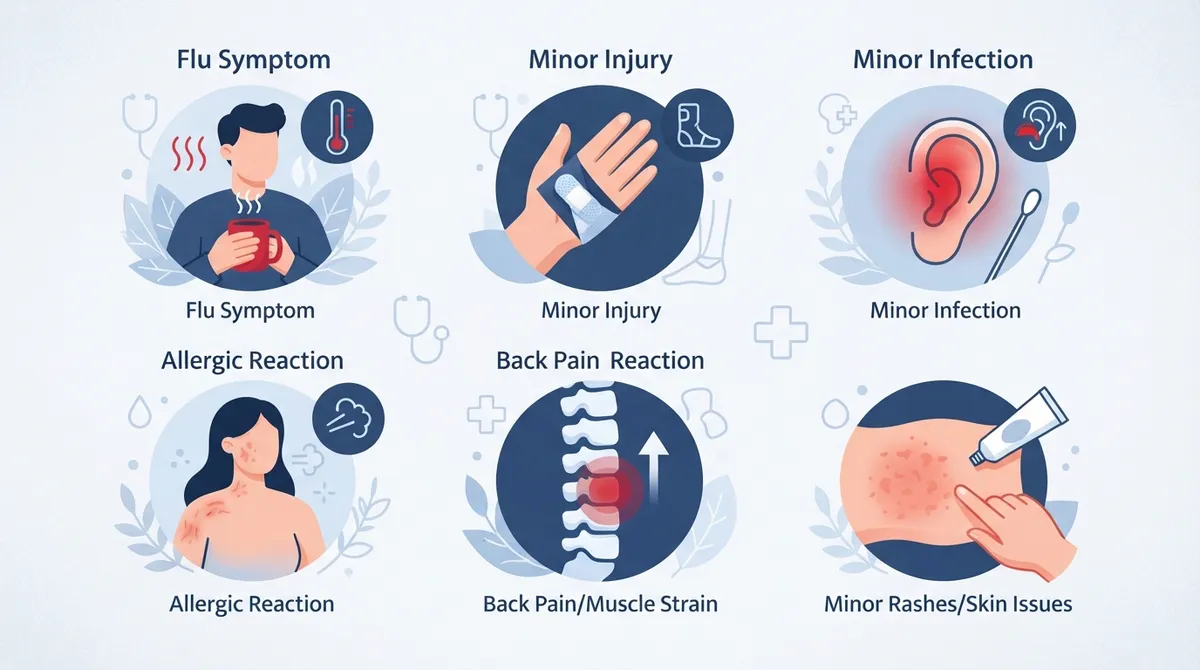
Most urgent care clinics handle everyday illnesses and minor injuries. Services vary by clinic, so confirm what is offered before you travel. Common concerns include:
- Cold and flu symptoms
- Ear infections
- Strep throat
- Urinary tract infections
- Pink eye
- Minor cuts that may need stitches
- Sprains and strains
If you suspect strep, fast testing and treatment matter. Our guide on how to get effective strep throat treatment fast explains what to expect. For families, it also helps to know that urgent care is often a good fit for fevers, minor injuries, and sudden infections in kids. Always ask if a clinic sees children and what age limits apply.
3. Which Tampa Clinics Offer Evening and Weekend Hours
Several Tampa-area clinics advertise extended hours. Current listings show patterns like these:
|
Clinic |
Weekday Hours |
Weekend Hours |
|---|---|---|
|
South Tampa Immediate Care (602 S. Howard Ave.) |
8 a.m. to 8 p.m. |
8 a.m. to 5 p.m. |
|
TampaUC (Westchase and Brandon) |
8 a.m. to 8 p.m. |
8 a.m. to 5 p.m. |
|
BayCare Tampa locations |
8 a.m. to 8 p.m. |
9 a.m. to 6 p.m. (varies) |
Notice a pattern? Many clinics close around 8 p.m. on weekdays and earlier on weekends. Hours can change, especially on holidays, so always call or check the clinic website before you leave home.
If you want care from a team that also knows your health history, consider a clinic that combines urgent care and primary care under one roof. InCare offers urgent care alongside whole-body primary care, so your visit connects to the bigger picture of your health. You can compare options on our locations page for Tampa and Riverview.
4. How to Prepare Before You Go
A little planning makes any urgent visit smoother. Use this short checklist:
- Call ahead or check online. Confirm hours, wait times, and whether they accept walk-ins or offer online reservations.
- Verify insurance. Ask which plans are accepted and what your copay may be. If you are uninsured, ask about self-pay pricing.
- Check for the service you need. Not every clinic offers X-rays, lab tests, or flu and strep testing. South Tampa Immediate Care, for example, reports on-site lab testing and digital X-ray, but you should confirm for any clinic you choose.
- Bring key items. Pack your photo ID, insurance card, and a list of your medications and allergies.
- Note your symptoms. Write down when they began, what makes them better or worse, and any fever readings.
This simple routine helps you avoid wasted trips. It also helps the provider make faster, safer decisions about your care.
5. Urgent Care or ER? Know When to Call 911
This is the most important point in the whole guide. Urgent care is not a substitute for an emergency department. Call 911 or go straight to the ER if you or someone near you has any of these:
- Chest pain or pressure
- Difficulty breathing
- Severe allergic reaction
- Stroke symptoms, such as face drooping, arm weakness, or slurred speech
- Uncontrolled bleeding
- Serious trauma, such as a major fall or car accident
When in doubt, choose the safer option. It is always better to be checked in an emergency room than to wait. For a closer look at how the two settings compare, read 8 reasons urgent care at InCare beats the ER in 2026 for everyday, non-life-threatening needs. You can also review common urgent care mistakes so you avoid delays that put your health at risk.
6. Follow Up With Your Primary Care Doctor
Urgent care solves the problem in front of you. Your primary care doctor looks after the long game. The best results come when the two work together.
After an after-hours visit, take these steps:
- Ask for a copy of your visit summary and any test results.
- Share the records with your primary care clinician.
- Book a follow-up visit if your symptoms last, return, or change.
- Review any new prescriptions with your doctor to avoid drug conflicts.
This matters most for ongoing conditions like diabetes, high blood pressure, or asthma. A single urgent visit can reveal a larger pattern. A primary care team can then adjust your plan, order screenings, and focus on prevention. Learn more about primary care at InCare, or read about same-day primary care appointments when you need fast answers during the day.
Many people also prefer a clinic that blends urgent needs with proactive wellness. That includes tech-forward options such as DNA gene testing, cancer screening, and IV hydration. This approach treats today's problem and supports your long-term health.
Why InCare Is a Smart Choice for Tampa Families
InCare is a personalized healthcare clinic that pairs modern technology with real medical expertise. With locations in Tampa and Riverview, InCare offers urgent care, primary care, and advanced wellness services all in one place. Patients rate the clinic 4.8 out of 5 on Google across 359 reviews, with many praising the friendly staff and the quality of care.
That matters when you are sick or worried. You want a team that listens, moves quickly, and remembers your story. You can read what neighbors say and see our location when you visit us on Google — InCare. You can also follow health tips and clinic updates on Instagram, Facebook, and TikTok.
Our Tampa clinic sits at 1213 N Franklin St, and our Riverview clinic is at 11922 Boyette Rd. Telemedicine is available too, which helps when you cannot leave home. Call 813-553-3330 to ask about current hours and same-day options.
Conclusion
After hours urgent care in Tampa can save you from a long night of worry. Remember the six key points: understand what urgent care is, know what it treats, check clinic hours, prepare before you go, choose the ER for true emergencies, and follow up with your primary care doctor. Hours and services change, so always verify details first.
If you want care that connects urgent needs with long-term wellness, we are here to help. Book your visit with InCare today, or contact our team with questions. Your health deserves a team that is ready when you are.
FAQs
Q: Which urgent care clinics in Tampa are open after hours?
A: Several Tampa-area clinics list weekday hours until about 8 p.m. and shorter weekend hours. Examples include South Tampa Immediate Care, TampaUC, and BayCare locations. Hours can change, so call or check the clinic website before you go.
Q: Do I need an appointment for after hours urgent care in Tampa?
A: Many clinics accept walk-ins, and some also offer online reservations or scheduled visits. Calling ahead can confirm wait times, age limits, and whether the clinic offers the service you need.
Q: When should I go to the ER instead of urgent care?
A: Call 911 or go to an emergency department for chest pain, trouble breathing, severe allergic reactions, stroke symptoms, uncontrolled bleeding, or serious trauma. Urgent care is meant for non-life-threatening illnesses and injuries.
Q: Can I take my child to after hours urgent care in Tampa?
A: Many clinics see children, but age limits vary by location. Ask the clinic before you travel to confirm that they treat your child's age group and the specific problem.
Q: What should I bring to an urgent care visit?
A: Bring a photo ID, your insurance card, a list of current medications, and any known allergies. Notes about your symptoms and when they started will also help the provider.


