Key Takeaways
- Schedule sick visits early when symptoms start rather than waiting days—catching illness early often means faster recovery and fewer complications.
- Choose primary care for non-emergency illnesses like colds, sore throats, and minor fevers; reserve urgent care for after-hours needs and emergency rooms only for life-threatening symptoms.
- Provide detailed symptom information when scheduling (onset, changes, medications tried, exposures) to help your care team prepare and determine if same-day or virtual care is appropriate.
- Bring your medical history, current medications, allergies, and recent medical records to your visit so your doctor can make accurate diagnoses rather than treating symptoms in isolation.
Waking up with a fever, sore throat, or a cough that won't quit is never fun. Many people wait too long before booking a sick visit, or they skip primary care and head straight to a crowded emergency room. Both choices can slow down your recovery and cost you more time and money. A primary care doctor sick visit is often the fastest, smartest way to feel better again.
Whether you are a busy parent juggling work and kids, a young professional who wants care that fits your schedule, or someone building a relationship with a doctor for the first time, knowing how sick visits work can save you stress. Below are six common mistakes people make with sick visits, and how InCare in Tampa and Riverview helps patients avoid them.
What Is a Primary Care Sick Visit?
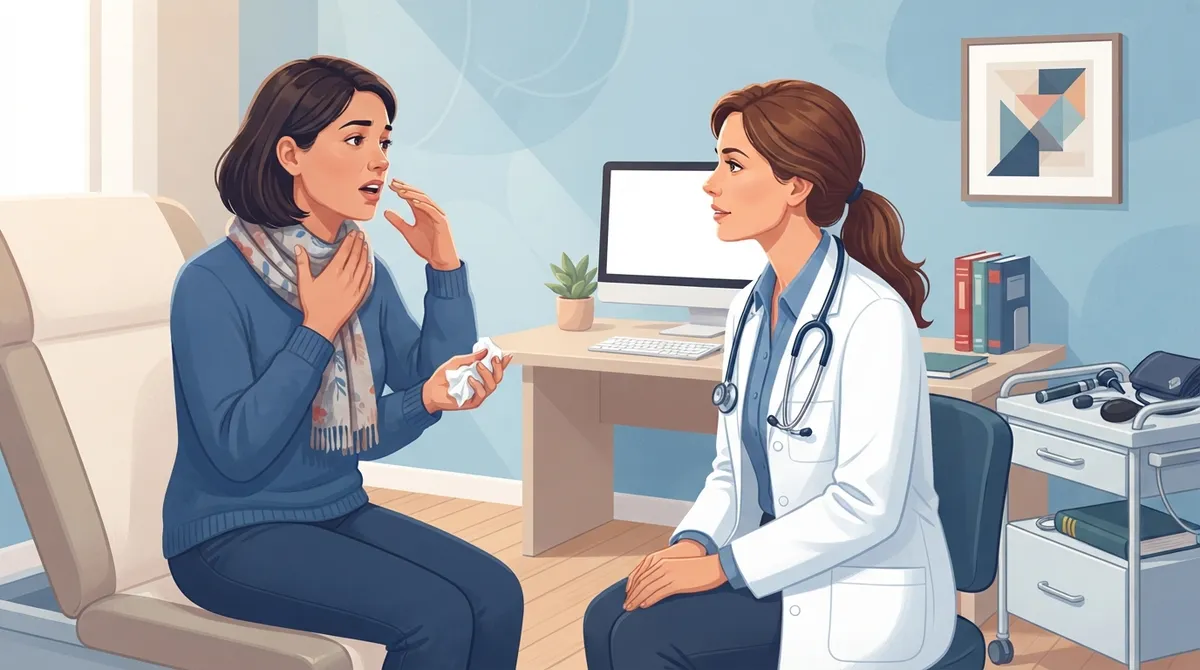
A sick visit, sometimes called an acute or problem-focused visit, is different from your yearly checkup. It focuses on a new illness, injury, or a symptom that has gotten worse. Your primary care doctor will ask about your symptoms, check your medical history, and do a focused exam.
Common reasons for a sick visit include:
- Cold or flu symptoms
- Sore throat or cough
- Fever
- Ear pain
- Urinary symptoms
- Rashes or skin irritation
- Stomach issues like nausea or diarrhea
- Minor injuries such as sprains or cuts
- Flare-ups of ongoing conditions like asthma or diabetes
Your doctor may also order tests, such as a rapid strep test, urinalysis, or bloodwork, if needed. Based on results, they may prescribe medicine, suggest home care, or refer you for more testing.

Mistake 1: Waiting Too Long to Schedule a Visit
Many people try to tough out symptoms for days before calling a doctor. This delay can let a minor issue turn into something more serious. A sore throat can become strep. A small cough can turn into bronchitis.
Most sick visits work best when scheduled early, as soon as symptoms start bothering you. Many practices, including InCare, offer same-day appointments so you don't have to wait days to be seen. Catching an illness early often means a faster recovery and fewer complications.
Mistake 2: Not Knowing Where to Go for Care
One of the biggest points of confusion is deciding between primary care, urgent care, or the emergency room. Choosing wrong can waste your time and money.
|
Situation |
Best Option |
Why |
|---|---|---|
|
Cold, flu, sore throat, mild fever |
Primary Care Sick Visit |
Your doctor knows your history and can treat you quickly |
|
Minor cuts, sprains, sudden illness after hours |
Fast treatment when your primary doctor isn't available |
|
|
Chest pain, trouble breathing, stroke symptoms |
Emergency Room |
Life-threatening symptoms need immediate emergency care |
If you are ever unsure whether your symptoms are an emergency, call local emergency services right away. For most non-emergency illnesses, though, primary care is a smart first stop. Learn more from the University of Maryland Medical System about when to seek emergency care versus other options.
Mistake 3: Skipping Details When You Call
How you describe your symptoms affects how fast you get help. If you call and simply say, "I don't feel good," the front desk may struggle to figure out how urgent your visit is.
When you schedule your sick visit, be ready to share:
- When your symptoms started
- How your symptoms have changed
- Any home remedies or over-the-counter medicine you have tried
- Recent travel, exposures, or contact with sick people
- Any current medications you take regularly
This information helps your care team prepare and may even help them figure out if you need same-day care or a virtual visit instead. It also saves time once you're in the exam room.
Mistake 4: Forgetting Your Medical History and Records
Even for a simple sick visit, your medical background matters. A cough might mean something different for a patient with asthma than for someone with no lung history. Skipping this step can lead to guesswork instead of accurate care.
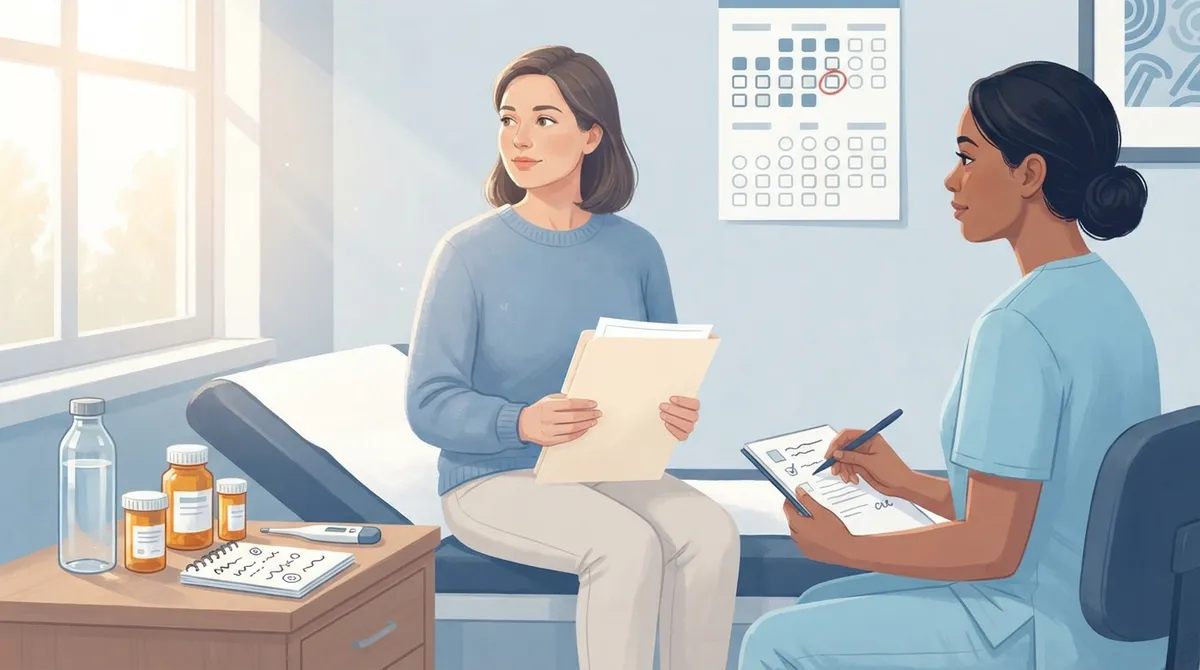
Before your visit, bring or prepare:
- A list of current medications and supplements
- Known allergies
- Records from any recent urgent care or ER visits
- Notes on chronic conditions, such as diabetes or high blood pressure
If you're new to a clinic, this step matters even more. InCare's providers, including Dr. Pramjeet Ahluwalia and Dr. Teshy John, use this history to build a full picture of your health, not just treat the symptom in front of them. This is part of what makes comprehensive primary care so valuable.
Mistake 5: Expecting Antibiotics for Every Illness
Many patients assume every sick visit should end with a prescription. But antibiotics only work on bacterial infections, not viruses. Taking them when they aren't needed can cause side effects and contribute to antibiotic resistance.
During your visit, your doctor will:
- Review your symptom onset and severity
- Check vital signs like temperature and blood pressure
- Perform a focused physical exam
- Order tests if needed, such as a rapid strep or viral test
- Decide if antibiotics, other medicine, or simple rest and fluids are the right treatment
For conditions like strep throat, an accurate diagnosis matters. If you're dealing with a sore throat that won't quit, read more about effective strep throat treatment and how a quick, accurate test can guide the right care plan.
Mistake 6: Ignoring the Option of Telehealth
Some patients assume every sick visit requires an in-person appointment. That's not always true. Telehealth can be a great option for symptom checks, follow-ups, and simple illnesses that don't need a physical exam.
That said, some situations still call for in-person care, especially if testing or a hands-on exam is needed. A quick call to your clinic can help you figure out which type of visit fits your symptoms best. InCare offers both in-person and virtual options, so tech-savvy patients who want convenience don't have to choose between speed and quality care.
Why Choose InCare for Your Sick Visit
InCare combines the comfort of a personal medical home with the speed patients need when they're not feeling well. With locations in Tampa and Riverview, plus telehealth options, InCare makes it easier to get seen quickly without sacrificing quality.
Beyond sick visits, InCare also offers a wide range of wellness services, including cancer screenings, weight loss programs, and IV hydration therapy, so your care doesn't stop at treating today's symptoms. This whole-body approach appeals to patients who want prevention alongside quick relief when illness strikes.
Patients consistently praise the clinic's friendly staff and providers. You can read patient experiences and visit us on Google — InCare to see what current patients say about their visits. You can also follow along on Facebook, Instagram, and TikTok for health tips and clinic updates.
How to Prepare for Your Next Sick Visit
A little preparation goes a long way toward a smooth, efficient visit. Before you go, take these steps:
- Write down your main symptoms and when they started
- List any medications or home remedies you've already tried
- Bring your ID and insurance information
- Prepare questions you want to ask your doctor
- Note any allergies or reactions to medications
This preparation helps your doctor understand your situation quickly, which means less time explaining and more time getting the right treatment. For more guidance, review this helpful resource from Brown University Health on getting ready for a primary care visit.
Take Control of Your Health Today
Sick visits don't have to mean long waits or guesswork. With the right primary care team, you can get fast, accurate care that treats your symptoms and looks out for your long-term health. InCare's providers in Tampa and Riverview are ready to help you feel better quickly, whether your visit is in person or virtual.
Don't wait until symptoms get worse. Schedule your sick visit today and get the care you need from a team that knows your health history and genuinely cares about your recovery.
FAQs
Q: What is a primary care sick visit?
A: A primary care sick visit is a focused appointment for a new illness, injury, or worsening symptom. Unlike an annual checkup, it targets a specific health concern with a focused exam, appropriate testing, and treatment guidance.
Q: Can I get a same-day sick visit with my primary care doctor?
A: Many practices, including InCare, offer same-day or next-day sick visit appointments. Availability varies, so it's best to call ahead and ask about same-day scheduling options.
Q: Should I see my primary care doctor, urgent care, or the emergency room?
A: Primary care is a good first choice for non-emergency illnesses like colds, sore throats, and minor infections. Urgent care works well for after-hours needs, while the emergency room is reserved for life-threatening symptoms like severe chest pain or trouble breathing.
Q: Can a primary care doctor treat a cold, flu, UTI, or sore throat?
A: Yes, these are among the most common reasons patients schedule sick visits. Your doctor will evaluate your symptoms, run tests if needed, and recommend the right treatment, which may or may not include antibiotics.
Q: Can I have a sick visit by telehealth?
A: Telehealth can work well for many symptom checks and follow-up visits. However, some conditions require a physical exam or in-person testing, so your doctor can help you decide which format fits your needs.