
Key Takeaways
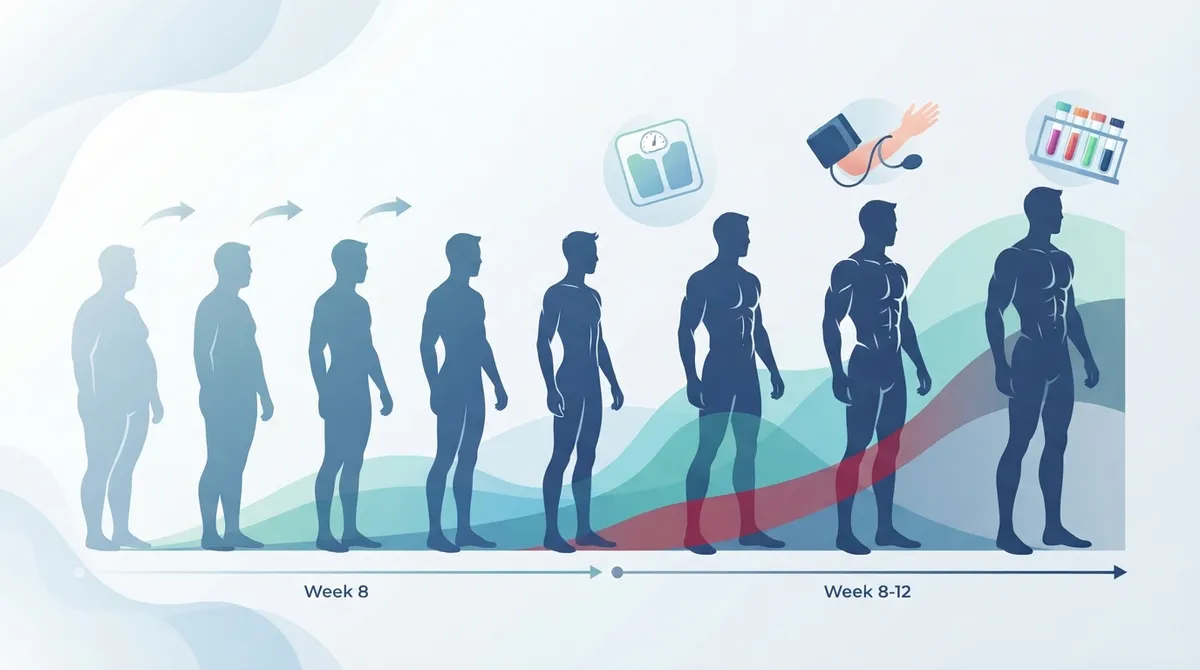
- Most peptide therapies require 8-12 weeks of consistent treatment for meaningful results, not days or weeks—early changes like appetite reduction may appear within days to weeks but don't equal real body composition changes.
- Dose escalation schedules directly affect results; peptides start at low doses and increase gradually every 4 weeks, so expecting full-dose benefits during the starting phase is unrealistic and a common reason for early treatment abandonment.
- FDA-approved peptides like semaglutide and tirzepatide have clinical evidence supporting their timelines, while many wellness peptides (BPC-157, TB-500, CJC-1295) lack rigorous testing and carry risks like contamination and inaccurate dosing.
- Track objective measures like body weight, blood pressure, and lab results rather than relying only on subjective feelings, as body composition changes may occur without noticeable physical sensations.
Starting peptide therapy comes with one big question: how long until it actually works? Many patients expect fast results, then feel discouraged when nothing seems to change in the first week. Others stop treatment too soon, missing out on benefits that take months to appear.
The truth is, peptide therapy timelines vary widely. They depend on the specific peptide, your health goals, your body, and whether you are using an FDA-approved medicine or an unproven wellness product. Understanding these timelines helps you avoid common mistakes that waste time, money, and effort. At InCare, our team in Tampa and Riverview helps patients set realistic expectations from day one. Below are six timeline mistakes to avoid, plus what you should really expect week by week.

Mistake 1: Expecting Results Within Days
Many people assume peptide therapy works like a light switch. In reality, most approved metabolic peptides need weeks before you notice anything. Early changes like reduced appetite or small shifts in blood sugar may appear within days to a few weeks. But these are not the same as real weight loss or body composition changes.
Meaningful outcomes almost always require consistent treatment over at least 8 to 12 weeks. This applies to popular options like semaglutide and tirzepatide, which are used in many weight loss programs today. Judging your progress too early can lead you to quit before the therapy has a real chance to work.
Mistake 2: Ignoring the Dose Escalation Schedule
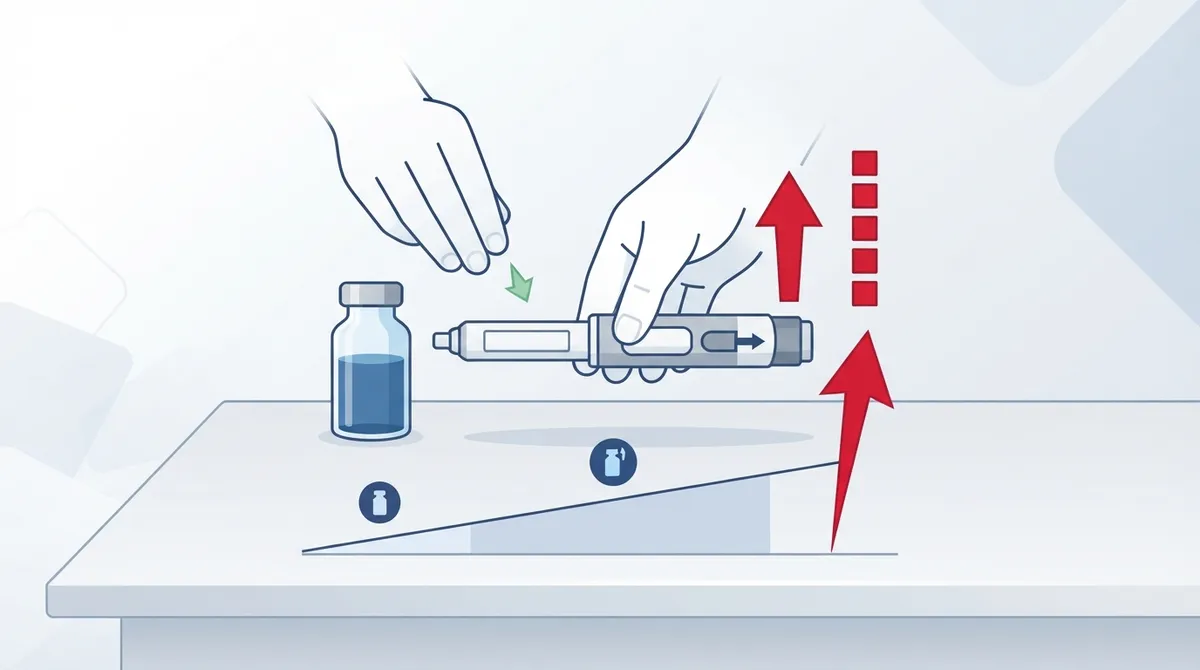
Peptide medications are not started at full strength. Doctors increase the dose slowly to reduce side effects and help your body adjust. This step-by-step process directly affects how fast you see results.
Here is a general pattern for two commonly used peptide medicines:
|
Medication |
Starting Dose |
Dose Increase Schedule |
Typical Maintenance Range |
|---|---|---|---|
|
Semaglutide (Wegovy) |
0.25 mg weekly |
Increased every 4 weeks |
Up to 2.4 mg weekly |
|
Tirzepatide (Zepbound) |
2.5 mg weekly |
Increased in 2.5 mg steps, no sooner than every 4 weeks |
5 mg to 15 mg weekly |
Skipping steps or expecting maintenance-level results while still on a starting dose is a common mistake. Your provider adjusts your dose based on how your body responds, not on a fixed calendar.
Mistake 3: Skipping the Initial Medical Screening
Rushing into peptide therapy without proper screening can delay results or create safety risks. A thorough evaluation checks your health history, current medications, and any conditions that could affect treatment.
This is also the stage where your provider sets a personalized plan. At InCare, our providers review your full health picture before starting any peptide protocol. Steps in a typical screening include:
- Reviewing your medical history and current medications
- Checking baseline weight, blood pressure, and relevant labs
- Discussing your goals and expectations
- Confirming there are no contraindications for the specific peptide
- Creating a monitoring schedule for follow-up visits
This groundwork helps your treatment plan match your body's needs, which supports better and faster results.
Mistake 4: Confusing Approved Medicines With Unproven Peptides
Not all peptides are created equal. FDA-approved options like semaglutide and tirzepatide have solid clinical evidence behind their timelines. Many other products marketed for wellness, such as BPC-157, TB-500, CJC-1295, and ipamorelin, do not have the same level of testing for routine primary care use.
Claims that these compounds work quickly for healing, muscle building, or anti-aging should be treated with caution. Quality, dosing standards, and sourcing can vary a lot between products. The FDA has warned about risks tied to unapproved or compounded peptide drugs, including contamination and inaccurate dosing.
If you are considering any peptide therapy, ask your provider about the evidence behind it. Our team at InCare can walk you through which options are backed by research and which carry more uncertainty, including guidance found in our peptide therapy resources for Tampa patients.
Mistake 5: Judging Success Only by How You Feel
Some patients rely only on how they feel to decide if therapy is working. This can be misleading. Subjective feelings do not always match what is happening in your body.
Your provider tracks objective measures instead, such as:
- Body weight and waist circumference changes
- Blood pressure readings
- Blood sugar or A1C levels, when relevant
- Physical symptoms and any side effects
- Lab results at scheduled intervals
Tools like body composition analysis can offer a clearer picture of your progress than the scale alone. Combining data with how you feel gives a more accurate view of whether treatment is working.
Mistake 6: Stopping Treatment Too Early or Abruptly
Peptide therapy is often not a short cycle. Many approved medicines are meant for ongoing use once benefits outweigh risks. Stopping early, or stopping suddenly without medical advice, can lead to lost progress or weight regain.
A realistic primary care timeline usually looks like this:
- Weeks 1 to 4: Adjustment period as your body gets used to the medication
- Weeks 4 to 8: Early signs of response become more clear
- Weeks 8 to 12: More meaningful changes in weight or symptoms appear
- Months 3 to 12: Continued treatment often needed for full, lasting results
Clinical trial programs for semaglutide and tirzepatide, known as STEP and SURMOUNT, measured outcomes over many months to a couple of years. This shows that lasting results come from sustained treatment, not quick fixes.
What a Realistic Peptide Therapy Timeline Looks Like
Every person responds differently based on their health, adherence, diet, activity level, and sleep habits. Still, most patients can expect this general pattern:
|
Timeframe |
What Typically Happens |
|---|---|
|
Before starting |
Medical screening, lab work, and goal setting |
|
Weeks 1-4 |
Body adjusts to medication; mild side effects possible |
|
Weeks 4-8 |
Early signs of appetite change or symptom improvement |
|
Weeks 8-12 |
Noticeable changes in weight or body composition |
|
3-12 months |
Larger, more meaningful outcomes measured and tracked |
Online sources sometimes cite faster ranges, like 1 to 4 weeks for subjective effects and 6 to 12 weeks for visible changes. These estimates can vary and should not replace guidance from your own provider, especially for peptides without strong clinical backing.
Why Working With a Primary Care Team Matters
Peptide therapy is not a one-size-fits-all treatment. Your age, weight, metabolism, and other health conditions all affect how fast you respond. A qualified clinician adjusts your plan along the way instead of guessing at a fixed timeline.
Working with a coordinated care team also reduces risks. Potential issues with peptide therapy include nausea, dehydration, medication interactions, and low blood sugar risk when combined with certain diabetes drugs. Our primary care providers monitor these factors closely throughout your treatment.
Patients across Tampa and Riverview trust InCare for this kind of hands-on, personalized support. You can also explore related options like IV hydration and vitamin drips or DNA gene testing to build a more complete wellness plan alongside peptide therapy.
Setting Realistic Expectations From the Start
The biggest timeline mistake patients make is expecting instant results without understanding the process. Peptide therapy works best when you follow a structured plan, attend follow-up visits, and give your body time to respond.
Your provider will track your progress using scheduled check-ins rather than random symptom checks. This approach helps catch problems early and adjust your plan when needed. It also helps you stay motivated by showing real, measurable progress instead of guesswork.
To learn more about how InCare supports patients through every stage of treatment, follow us on Facebook or Instagram for patient stories and helpful tips. You can also see real patient feedback and TikTok content that breaks down common wellness questions in simple terms.
Get Started With a Personalized Peptide Therapy Plan
Understanding how long peptide therapy takes helps you avoid frustration and stay committed to your health goals. Whether you are exploring weight management, metabolic support, or other wellness services, a clear timeline built around your body makes all the difference.
Our team at InCare in Tampa and Riverview is ready to guide you through every step, from your first screening to long-term maintenance. Many patients also check out what other InCare patients say on Google before booking their first visit. If you are ready to talk with a provider about whether peptide therapy fits your goals, reach out to our team today or go ahead and schedule your appointment online now.
FAQs
Q: How long does peptide therapy take to start working?
A: Early changes, such as reduced appetite or small shifts in blood sugar, can appear within days to a few weeks. However, meaningful results typically require 8 to 12 weeks of consistent treatment, depending on the specific peptide and your individual response.
Q: How long before semaglutide or tirzepatide produces weight loss results?
A: Most patients begin noticing early changes around weeks 4 to 8, with more meaningful weight or body composition changes typically appearing after 8 to 12 weeks. Larger outcomes are often measured over 3 to 12 months of consistent use.
Q: What should I expect during the first month of peptide therapy?
A: The first month is mainly an adjustment period. Your body gets used to the medication, and your provider may increase your dose gradually based on your tolerance. Mild side effects are possible during this time.
Q: How long should I try peptide therapy before deciding whether it works?
A: Most clinicians recommend giving treatment at least 8 to 12 weeks before evaluating effectiveness. Judging results too early, before your dose reaches an effective level, often leads to inaccurate conclusions about how well the therapy works.
Q: Are compounded or research peptides safe and effective?
A: Many compounded or wellness peptides lack the same level of FDA-approved evidence as medicines like semaglutide and tirzepatide. Quality, dosing accuracy, and safety can vary widely, so these products should be approached with caution and discussed with a qualified provider.