
Key Takeaways
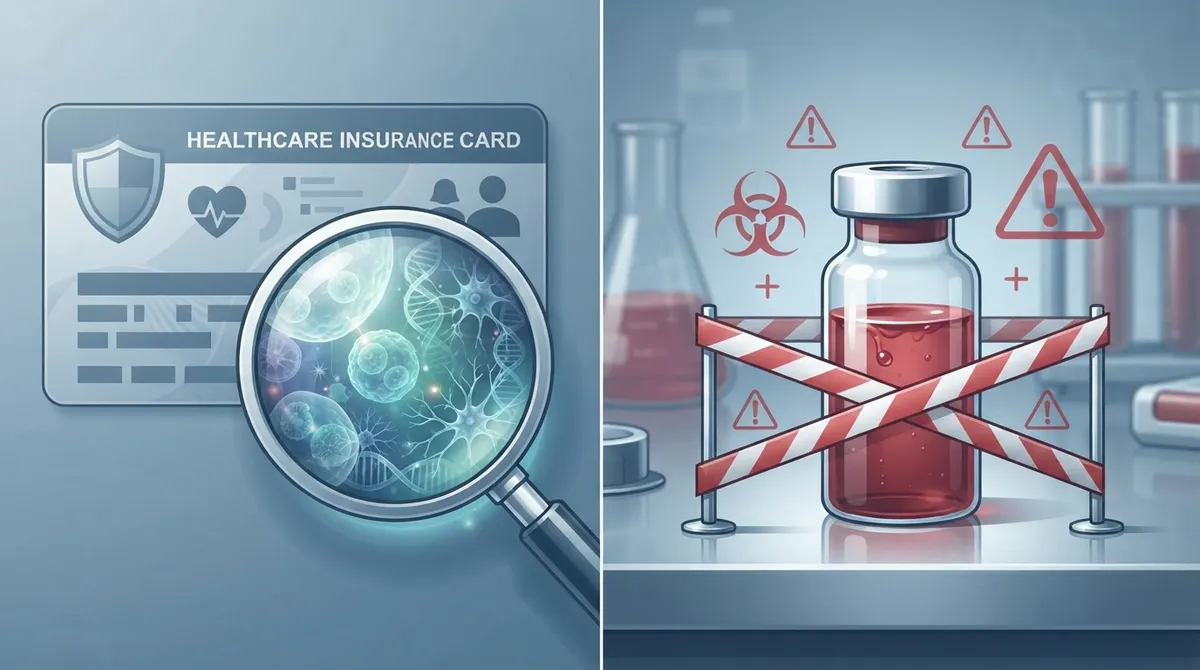
- KP-10 on insurance cards is an informal $10 copay label for primary care visits, but this rate rarely covers additional services like labs, vaccines, imaging, and specialist referrals, which come with separate charges.
- Kisspeptin-10 is a non-FDA-approved research peptide that is not safe for self-administration; the FDA's Pharmacy Compounding Advisory Committee voted against its approval in October 2024 due to insufficient safety data.
- Always verify insurance plan details directly with your insurer using your Summary of Benefits and Coverage document, as KP-10 is not a standardized industry code and varies by plan.
- If exploring hormone health options for fertility or hormone imbalances, consult a licensed medical provider rather than purchasing unregulated research chemicals online, which carry significant health risks.
If you searched "what is KP-10," you likely found two very different answers. One points to a health insurance term. The other points to a hormone-related peptide called kisspeptin-10. Both meanings show up in health and wellness conversations, and mixing them up can lead to confusion or wasted money.
This guide breaks down both meanings in plain language. You will learn what KP-10 means on an insurance card, what kisspeptin-10 does in the body, and why one of these terms deserves far more caution than the other. Whether you are a busy parent checking your health plan or a wellness-focused adult curious about hormone peptides, this article will help you understand the facts before you make any decisions.

1. KP-10 Can Mean a $10 Primary Care Copay on Your Insurance Plan
In many health insurance contexts, KP-10 is shorthand used by some plans or brokers to describe a $10 copay for in-network primary care visits. It is not an official industry-wide code. Instead, it is an informal label that某些 plans use to market low-cost primary care access.
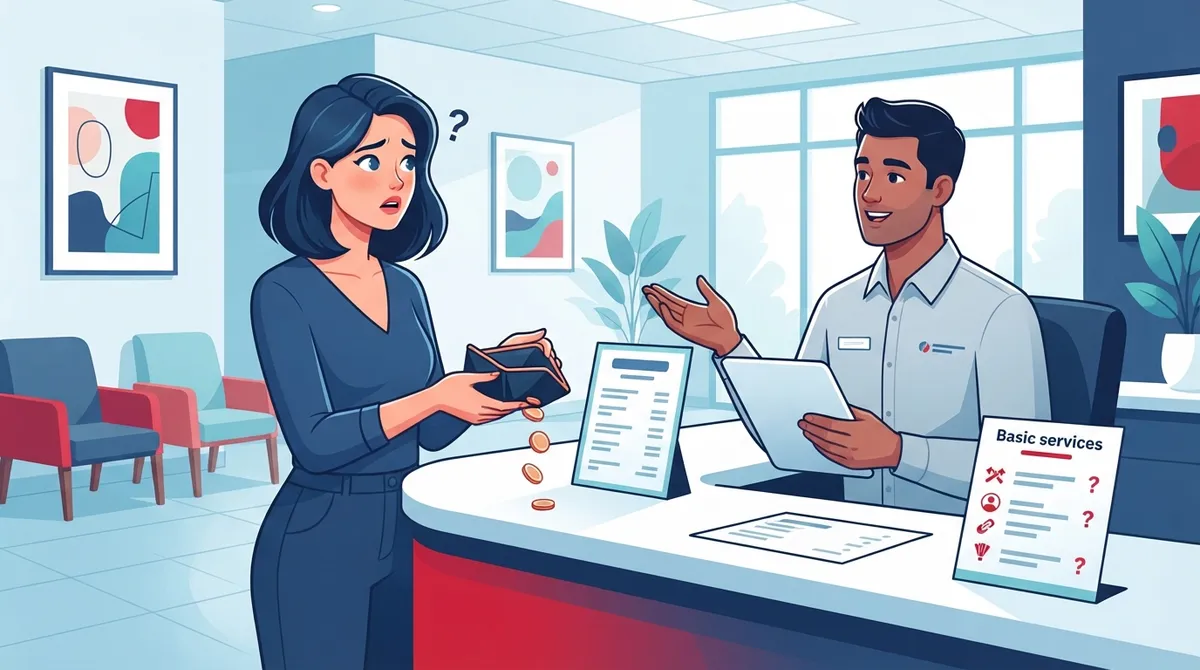
This matters because patients often assume KP-10 guarantees every visit costs exactly $10. That is not always true. Your actual costs depend on your plan's Summary of Benefits and Coverage, your Evidence of Coverage document, and whether your doctor is in-network. Primary care visits may qualify for the $10 rate, but labs, vaccines, imaging, and specialist referrals often come with separate charges.
Before assuming your plan works this way, always confirm the details in writing with your insurer.
2. Extra Services Are Rarely Included in the $10 Rate
Many patients get surprised when a routine visit turns into an unexpected bill. Here is why that happens:
- Bloodwork and lab tests are often billed separately from the office visit
- Vaccines may carry their own copay or coinsurance
- Imaging services like X-rays are typically not part of a flat copay
- Referrals to specialists usually involve a different cost structure
- Deductibles may still apply even if your copay is low
This is one reason working with a coordinated care team matters. At InCare, our providers help patients understand costs upfront, so there are no surprises after your visit.
3. Kisspeptin-10 Is a Different Kind of KP-10 Entirely
The second meaning of KP-10 has nothing to do with insurance. Kisspeptin-10, often abbreviated as KP-10, is a small peptide made of 10 amino acids. Scientists also call it metastin 45-54. It comes from a larger protein created by the KISS1 gene in the body.
This peptide plays a role in reproductive hormone signaling. It is not a supplement, vitamin, or approved treatment. It is a research substance still being studied by scientists who focus on fertility and hormone health.
4. How Kisspeptin-10 Affects Your Hormones
Kisspeptin-10 works by activating a receptor called KISS1R, also known as GPR54. This receptor sits on neurons in the hypothalamus, a part of the brain that controls many hormone functions.
Here is the basic pathway researchers have identified:
- Kisspeptin-10 binds to the KISS1R receptor in the brain
- This action stimulates the release of gonadotropin-releasing hormone (GnRH)
- GnRH signals the pituitary gland to release luteinizing hormone (LH) and follicle-stimulating hormone (FSH)
- LH and FSH then influence the ovaries or testes to produce sex hormones
This chain reaction is why researchers have studied kisspeptin-10 for conditions tied to reproductive hormones, including hypothalamic amenorrhea and low testosterone linked to pituitary signaling problems.
5. Kisspeptin-10 Is Not an Approved Treatment
This is one of the most important facts to understand. Kisspeptin-10 is not approved by the FDA as a medicine. It is also not sold as a legitimate wellness supplement. Products labeled as kisspeptin-10 online are usually marketed for research use only.
These research-grade products are not tested for purity or safety in humans. They may not be sterile. They may not contain what the label claims. Self-injecting or self-dosing any unapproved peptide carries real health risks.
In fact, in October 2024, the FDA's Pharmacy Compounding Advisory Committee voted against including kisspeptin-10 on the list of substances suitable for pharmacy compounding. The committee cited a lack of sufficient safety and efficacy data. This is a strong signal that the substance is not ready for general clinical use, even under medical supervision.
Some published studies have used careful IV dosing protocols in controlled settings, often in the range of 0.1 to 1.0 nanomoles per kilogram. But these numbers come from short, small research trials. They are not consumer dosing guides. One study also noted an intravenous half-life of about 28 minutes for kisspeptin-10, though this can vary based on formulation and delivery method.
6. Talk to a Doctor Before Exploring Any Hormone Therapy
If you are dealing with fertility challenges, low libido, or hormone imbalances, kisspeptin-10 might sound appealing based on early research headlines. But the science is still developing, and self-treatment is not safe.
The better path is working with a primary care team that understands hormone health and can guide you toward proven options. InCare offers services like comprehensive DNA gene testing and body composition analysis to help you understand your health from the inside out. Our providers, including Dr. Naveen Paddu and Dr. Pramjeet Ahluwalia, take time to explain your options clearly.
If hormone concerns are affecting your quality of life, ask about legitimate, evidence-based approaches instead of unregulated research chemicals.
Comparing the Two Meanings of KP-10
|
Aspect |
Insurance KP-10 |
Kisspeptin-10 (Peptide) |
|---|---|---|
|
What it is |
Informal label for a $10 primary care copay |
A 10-amino-acid research peptide |
|
Regulation |
Plan-specific, not standardized |
Not FDA-approved for treatment |
|
Where to verify |
Summary of Benefits and Coverage |
Licensed medical provider only |
|
Risk level |
Low, but check for hidden costs |
High if self-administered |
|
Best next step |
Confirm details with your insurer |
Consult a doctor before considering research options |
Why Clarity Matters for Your Health Decisions
Confusing these two meanings of KP-10 can lead to real problems. Someone might assume a health plan guarantees flat-rate care everywhere, only to face surprise bills. Someone else might read about kisspeptin-10 research and try to buy it online without medical guidance, putting their health at risk.
The safest approach is always to ask questions before you act. If you have a health plan and see the term KP-10, contact your insurer directly. If you are curious about hormone peptides like kisspeptin-10, bring your questions to a trusted primary care provider instead of relying on unverified online sources.
At InCare, we believe patients deserve clear answers. Our team serves families across Tampa and Riverview, helping people navigate confusing health terms every day. We also welcome new patients through urgent care and same-day scheduling when timely answers matter most.
You can also connect with us on Facebook or Instagram for wellness tips and clinic updates. For a closer look at what real patients say about their experience, visit us on Google — InCare and read reviews from our Tampa and Riverview community.
Moving Forward with Confidence
Understanding what KP-10 means in your specific situation is the first step toward smarter healthcare decisions. Whether you are checking your insurance benefits or researching hormone health, accurate information protects your wallet and your body.
For general health education, resources from the National Institutes of Health can offer additional background on hormone research and peptide studies. Always pair outside research with guidance from a licensed provider who knows your health history.
If you have questions about your insurance coverage, hormone health, or want a full wellness checkup, our team is ready to help. Reach out to our care team today or book your appointment now to get started on a clear, personalized health plan.
FAQs
Q: What does KP-10 mean on a health insurance plan?
A: KP-10 is an informal term some health plans use to describe a $10 copay for in-network primary care visits. It is not a universal insurance code, so the exact meaning can vary by plan. Always check your Summary of Benefits and Coverage to confirm what applies to you.
Q: Does a KP-10 plan mean every primary care visit costs $10?
A: Not necessarily. While the base office visit may carry a $10 copay, additional services like labs, vaccines, or imaging often come with separate costs. Deductibles and coinsurance may also still apply depending on your specific plan.
Q: What is kisspeptin-10 and how does it affect reproductive hormones?
A: Kisspeptin-10 is a 10-amino-acid peptide that activates the KISS1R receptor in the brain. This triggers the release of GnRH, which then stimulates luteinizing hormone and follicle-stimulating hormone. This pathway plays a key role in reproductive hormone regulation.
Q: Is kisspeptin-10 FDA approved or available by prescription?
A: No. Kisspeptin-10 is not FDA-approved as a medication or supplement. In October 2024, an FDA advisory committee voted against including it in pharmacy compounding due to insufficient safety and efficacy data.
Q: Can kisspeptin-10 improve fertility, testosterone, or libido?
A: Early research has explored kisspeptin-10 for reproductive hormone conditions, but studies remain small and short-term. It is not proven for general fertility, testosterone, or libido enhancement, and self-treatment is not recommended without medical supervision.