Key Takeaways
- Obstructive sleep apnea is common in adults, with an estimated 54 million U.S. adults affected by mild-to-severe OSA, though many never realize they have it.
- Risk rises with age, higher body mass index, and male sex, and women's risk increases after menopause; women often show fatigue or poor focus rather than loud snoring.
- Symptoms such as loud snoring, gasping at night, witnessed breathing pauses, or daytime sleepiness warrant a doctor visit, especially if you sleep alone and lack a bed partner's observations.
- Diagnosis requires a sleep study, either a home sleep apnea test or in-lab polysomnography; questionnaires and wearable data cannot confirm sleep apnea on their own.
If you wake up tired after a full night in bed, you may wonder if something deeper is going on. Many adults ask the same question: is sleep apnea common in adults? The short answer is yes. Obstructive sleep apnea (OSA) is a common sleep-related breathing problem, and many people who have it never know.
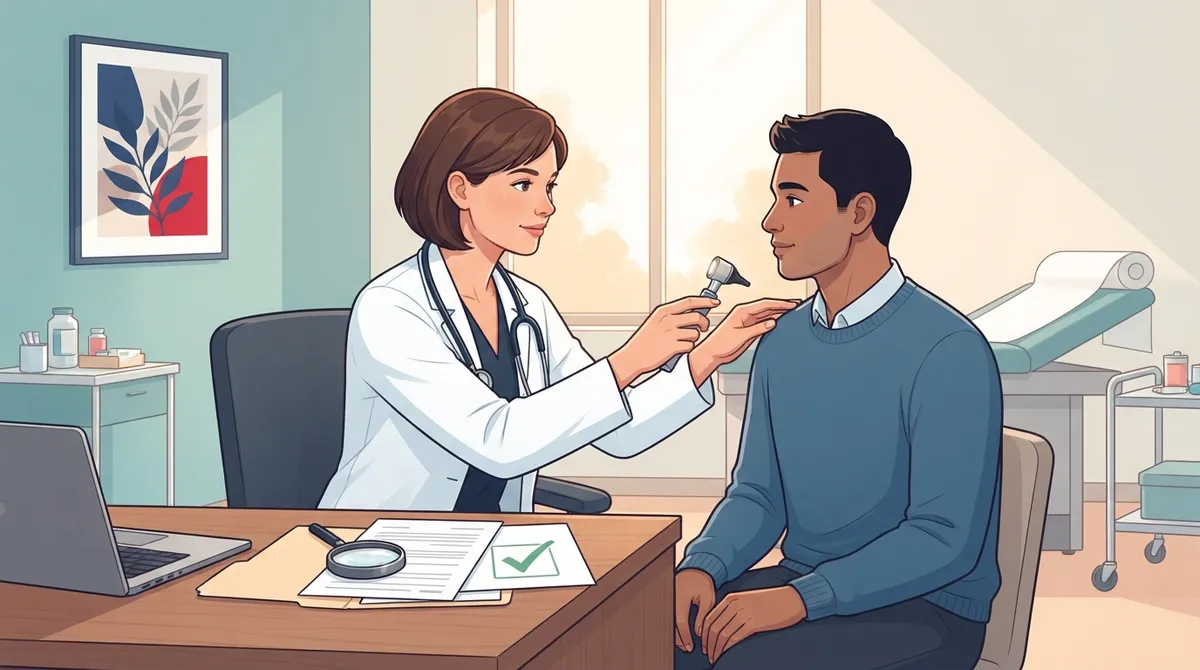
Busy professionals, parents, and wellness-minded adults often blame stress, screens, or coffee for poor sleep. Sometimes the cause is a blocked airway. In primary care, a doctor can look at your symptoms, review your risk factors, and arrange the right test. That is the path to real answers.
This guide covers six key facts about how common sleep apnea is in adults. You will learn what the numbers say, who is at higher risk, which signs to watch for, and how diagnosis works. You will also see what the national guidelines say about screening.

1. Sleep Apnea Is Common, but the Exact Rate Depends on the Study
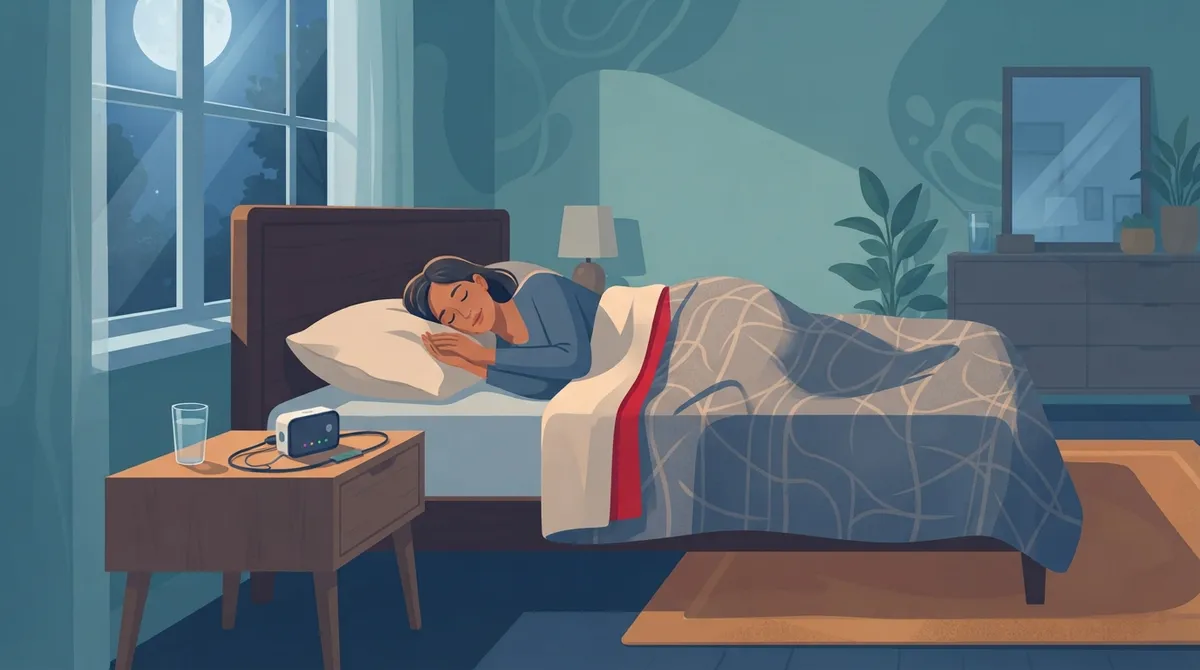
Is sleep apnea common in adults? Yes. Obstructive sleep apnea is the most common form of sleep apnea. It happens when the upper airway repeatedly narrows or closes during sleep. These pauses can break up your rest and may lower your blood oxygen levels.
The exact rate is hard to pin down. Studies define OSA in different ways. Some count mild cases. Others count only moderate to severe disease. The U.S. Preventive Services Task Force (USPSTF) notes that current U.S. prevalence is not well established.
Still, the numbers are large. Here is a snapshot of what major sources report:
|
Source |
Estimate |
Notes |
|---|---|---|
|
The Lancet Respiratory Medicine (2019) |
936 million adults aged 30–69 worldwide with mild-to-severe OSA |
425 million had moderate-to-severe OSA |
|
The Lancet Respiratory Medicine (2019), U.S. figures |
54 million U.S. adults with mild-to-severe OSA |
24 million with moderate-to-severe OSA |
|
USPSTF evidence review (2012 AASM scoring) |
33.2% with any OSA (AHI of 5 or more) |
14.5% had moderate-to-severe OSA (AHI of 15 or more) |
|
American Academy of Sleep Medicine (2025 projection) |
76.6 million U.S. adults by 2050 |
A projection, not a current count |
These figures vary because of scoring rules and study groups. Treat them as a range, not one fixed national rate. The takeaway is simple: sleep apnea is not rare.

2. Older U.S. Data Show Men Are Affected More Often
The USPSTF used U.S. cohort and survey data from 2007 to 2010. These are older estimates, but they show a clear pattern between men and women.
- At least mild OSA plus daytime sleepiness: about 14% of men and 5% of women aged 30 to 70.
- Moderate-to-severe OSA: about 13% of men and 6% of women.
These numbers come from a past decade, and the Task Force says current U.S. prevalence is not well established. They remain useful for one reason. They show that OSA affects a meaningful share of working-age adults, not just older people.
Women should not assume they are safe. Risk rises after menopause. Women may also report different symptoms, such as fatigue, low mood, or trouble focusing, instead of loud snoring. That can delay a correct diagnosis.
3. Risk Rises With Age, Body Weight, and Other Factors
Anyone can have sleep apnea. Some groups face higher odds. Knowing your risk helps you decide when to talk with a doctor.
Common Risk Factors
- Increasing age
- Higher body mass index (BMI)
- Male sex
- Postmenopausal status in women
Risk factors do not make a diagnosis. OSA can also show up in people who do not fit the typical profile. A lean, active adult can have it. A person with several risk factors may not. Only testing can tell.
Body weight is one factor a primary care team can address. Weight changes may affect airway health and overall wellness. If extra weight is part of your picture, a structured plan can help. You can learn more about medical weight loss programs that pair personalized plans with advanced tracking tools.
4. The Signs Are Easy to Miss, Especially If You Sleep Alone
Many adults with sleep apnea do not know it. The pauses happen while you sleep. A partner often notices first. If you live alone, the clues may come only from how you feel during the day.
Nighttime Clues
- Loud, habitual snoring
- Pauses in breathing that someone else has seen
- Gasping or choking during sleep
Daytime Clues
- Excessive sleepiness, even after a full night in bed
- Fatigue and low energy
- Trouble concentrating
- Mood changes
Some people have fatigue and poor focus without obvious snoring. That is why symptoms alone are not enough. If you notice any of these patterns, it is reasonable to ask your doctor about an evaluation.
For tech-savvy adults who track sleep with wearables, the data can be a helpful conversation starter. A watch or app cannot diagnose sleep apnea, but a bad pattern gives you a reason to book a visit.
5. Diagnosis Needs a Sleep Study, Not Just a Questionnaire
A checklist or quiz cannot confirm sleep apnea. A formal diagnosis comes from a sleep study. There are two main types:
- Home sleep apnea test: A simple device you use in your own bed. It may be appropriate for some adults with a high likelihood of moderate-to-severe OSA.
- In-lab polysomnography: A full overnight test in a sleep center. It records more data, such as brain waves and heart rhythm.
Your primary care clinician is often the first stop. They can review your symptoms, check your risk factors, and decide which test fits your situation. They can also look at other health issues that may affect your sleep, such as blood pressure or metabolic concerns. Our team shares more about how a sleep apnea doctor in Tampa and Riverview approaches this process.
Care that connects the dots matters here. Sleep health links to heart health, weight, and daily energy. A doctor who knows your full history can spot patterns that a single specialist visit may miss. That is the idea behind comprehensive primary care at InCare.
6. Screening Guidance: Evaluate Symptoms, Do Not Ignore Them
You may wonder if every adult should be screened for sleep apnea at a routine visit. The USPSTF says the evidence is insufficient to recommend for or against routine screening of adults who have no recognized symptoms.
This point is often misunderstood. The statement does not tell people to skip evaluation. It is not a recommendation against checking people who report symptoms or who raise clinical concerns. Clinicians are expected to use good judgment.
In plain terms:
- If you feel fine and have no symptoms, routine screening is not clearly recommended either way.
- If you snore loudly, gasp at night, or feel sleepy all day, you should talk with a doctor.
- If a partner has seen you stop breathing in your sleep, do not wait.
Why It Matters Not to Wait
Untreated OSA can affect daytime functioning and quality of life. It is also associated with cardiovascular and metabolic health concerns. A clinician can discuss evaluation and treatment options based on your diagnosis and your circumstances. Early attention gives you more choices.
For busy families and young professionals, this is about more than sleep. Better rest can mean safer driving, sharper focus at work, and more patience at home. Preventive care works best when you act on early warning signs.
What to Do If You Suspect Sleep Apnea
Taking the first step is simple. Use this short plan:
- Write down your symptoms, including snoring, gasping, morning headaches, and daytime sleepiness.
- Ask a partner or family member if they have noticed pauses in your breathing.
- Note your health history, including blood pressure, weight changes, and medications.
- Book a primary care visit to discuss an evaluation.
- Follow through on any recommended sleep testing.
InCare offers personalized primary care with locations in Tampa and Riverview, plus virtual visits for added convenience. The team combines modern technology with medical expertise to look at the whole person, not just one symptom. Patients also rate the practice highly. You can see what InCare patients say on Google and read their experiences.
To stay connected with the clinic, you can follow InCare on Instagram and Facebook, or watch wellness updates on TikTok. If you want to meet the physicians, visit the providers page. You can also find the nearest office on the locations page.
Conclusion
So, is sleep apnea common in adults? Yes. Estimates vary, but the numbers reach into the tens of millions in the U.S. and hundreds of millions worldwide. Risk rises with age and body weight. It is more common in men, and it also affects women, especially after menopause. Many people never realize they have it.
The good news is that a clear path exists. Notice the signs, talk with a clinician, and complete the right sleep study. A diagnosis is made by testing, not guesswork. Then you and your doctor can choose next steps that fit your life.
If you have loud snoring, gasping at night, or daytime exhaustion, do not wait. Book your visit with InCare today, or contact our team with questions. Better sleep and better health start with one conversation.
FAQs
Q: How common is sleep apnea in adults?
A: Sleep apnea is common in adults, though exact rates vary by study. A 2019 global analysis estimated 54 million U.S. adults have mild-to-severe obstructive sleep apnea. The USPSTF notes that current U.S. prevalence is not well established.
Q: Can you have sleep apnea without snoring or daytime sleepiness?
A: Yes. Some people notice fatigue, poor concentration, or mood changes instead of loud snoring. Because symptoms vary, a sleep study is the way to confirm a diagnosis.
Q: How is sleep apnea diagnosed in adults?
A: Diagnosis is made with a sleep study, such as an appropriate home sleep apnea test or in-lab polysomnography. Symptoms or a questionnaire alone cannot confirm it. A primary care clinician can help decide which test fits your situation.
Q: Should adults be screened for sleep apnea at a routine primary care visit?
A: The USPSTF finds the evidence insufficient to recommend for or against routine screening of adults without recognized symptoms. This does not discourage evaluating people who report symptoms or have clinical concerns. If you snore loudly, gasp at night, or feel very sleepy, ask your doctor.
Q: What happens if sleep apnea is left untreated?
A: Untreated sleep apnea can affect daytime functioning and quality of life. It is also associated with cardiovascular and metabolic health concerns. A clinician can discuss evaluation and treatment options based on your diagnosis.