
Key Takeaways
- KP-10 (kisspeptin-10) is a reproductive hormone peptide with no approved topical formulation, while KP refers to keratosis pilaris, a common skin condition—confusion arises from similar abbreviations but they are medically unrelated.
- Online KP-10 products labeled 'research use only' lack safety testing, verified purity, and clinical evidence; applying unverified peptides risks skin irritation, infection, and unexpected hormone effects.
- Keratosis pilaris has evidence-based treatments including moisturizers and keratolytic ingredients like urea, lactic acid, and salicylic acid, along with gentle skin care habits like short warm showers and fragrance-free moisturizing.
- Consult a primary care clinician if bumps are painful, rapidly spreading, inflamed, or show no improvement after weeks of consistent home care to rule out eczema, folliculitis, or infection.
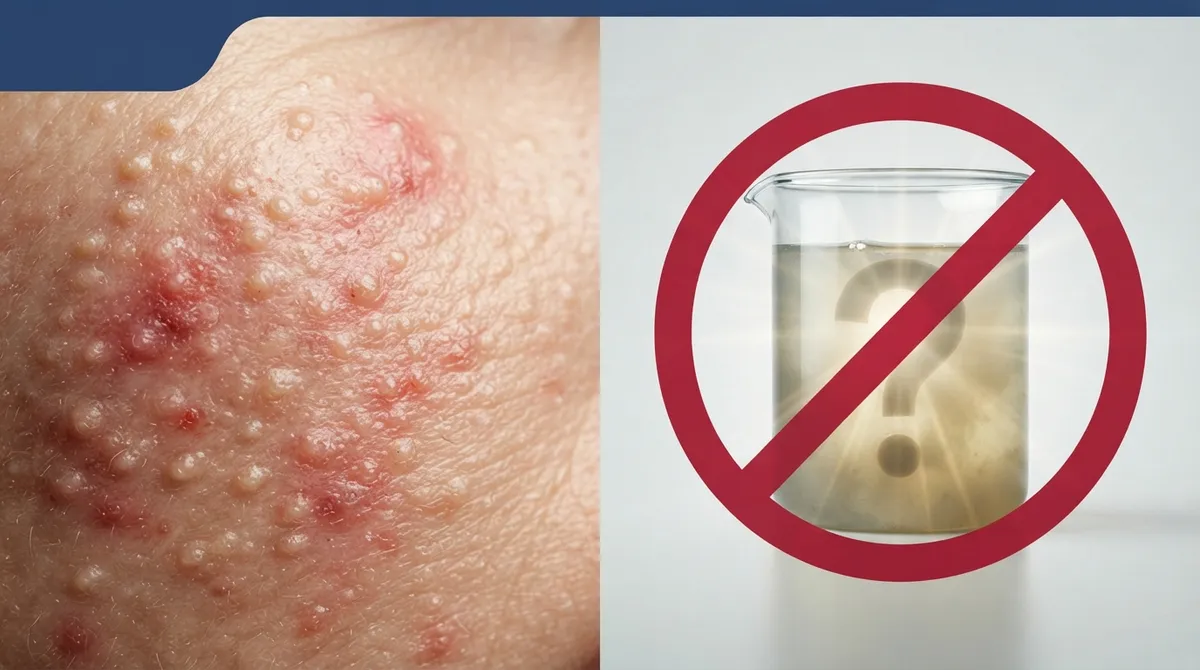
Searching for "KP-10 topical use" often leads to confusing results. Some people find research chemical websites selling kisspeptin-10 for skin application. Others land on pages about keratosis pilaris, a common skin condition also abbreviated as KP. This mix-up matters, because the two things have nothing to do with each other. One is an investigational reproductive hormone peptide. The other is a harmless but bothersome skin condition affecting millions of people.
At InCare, patients ask about trending peptides and skin treatments almost every week. Whether you are a wellness-focused professional in Tampa curious about peptide science, or a parent in Riverview trying to smooth your child's bumpy arms, you deserve clear answers. This guide breaks down what KP-10 actually is, why it should not be applied to your skin, and what actually works for rough, bumpy skin. Let's clear up the confusion with facts, not marketing hype.

1. What KP-10 Actually Means in Medical Research
KP-10 stands for kisspeptin-10. It is a short fragment of a larger protein made from the KISS1 gene. Scientists first identified this peptide family because of its powerful effect on reproductive hormones. In fact, peer-reviewed research from 2009 identified three active forms: KP-54, KP-13, and KP-10. Each one comes from the same parent molecule but has a different length.
Researchers study kisspeptin-10 mainly because it activates gonadotropin-releasing hormone, often shortened to GnRH. This hormone controls the release of luteinizing hormone and follicle-stimulating hormone. Both of these hormones play central roles in puberty, ovulation, and fertility. This is reproductive endocrinology research, not skin care. If you want to understand how hormone-based peptides connect to overall wellness, our team discusses this in more detail on our kisspeptin fertility overview.
Why the Confusion Happens
The overlap in terminology causes most of the confusion. Dermatology commonly abbreviates keratosis pilaris as "KP." Peptide researchers use "KP-10" for kisspeptin-10. Search engines sometimes blend these two topics together. People searching for skin bump treatments may stumble onto peptide research pages, and vice versa.
- KP-10 (kisspeptin-10): a reproductive hormone peptide studied in labs
- KP (keratosis pilaris): a common skin condition causing rough bumps
- Both share similar abbreviations but are medically unrelated
- Only one has established topical treatment guidelines
2. There Is No Approved Topical Formulation for KP-10
This is the most important fact to understand. There is no established, evidence-based topical formulation for kisspeptin-10. No standard topical dose exists. No clinical guideline recommends applying this peptide to skin for any purpose. Kisspeptin research focuses almost entirely on injectable or intravenous administration in controlled clinical settings, not skin application.
Some online sellers market KP-10 products as skin treatments or general wellness boosters. These claims are not backed by peer-reviewed clinical evidence. Before considering any peptide-based product, it helps to understand how legitimate peptide therapy works under medical supervision, versus unregulated products sold online.
What "Research Use Only" Really Means
Many KP-10 products online carry a label stating "for research use only." This label is a warning, not a suggestion. It means the product has not been tested for human safety or effectiveness. Manufacturers use this label to avoid regulatory requirements that apply to medications meant for people.
- The product may not contain what the label claims
- Purity and concentration are often unverified
- Sterility cannot be guaranteed for skin or injectable use
- Storage and stability data are usually missing
- No dosing safety studies exist for human application
3. Health Risks of Unverified Peptide Products
Applying unregulated products to your skin or injecting them carries real risk. Because these products lack quality control, you cannot know their true ingredients. Contamination, incorrect concentration, and degraded compounds are all possible. Without clinical trials, nobody has measured allergic reaction rates, absorption levels, or long-term effects.
Primary care providers see the consequences of self-administered, unverified products more often than people expect. Skin irritation, unexpected hormone effects, and infections are among the reported concerns. If you are curious about wellness optimization, it is safer to consult a licensed provider first. Our providers can walk you through which treatments have real evidence behind them.
Signs You Should Stop and See a Doctor
- Redness, swelling, or pain at an application or injection site
- Unexplained hormonal changes like irregular cycles
- Signs of infection such as warmth, pus, or fever
- Any product purchased without clear manufacturer transparency
- Persistent skin reactions that do not improve
4. Understanding Keratosis Pilaris (The Skin Condition Called KP)
Keratosis pilaris is a very common, harmless skin condition. It causes small, rough bumps, usually on the upper arms, thighs, or cheeks. These bumps form when keratin, a skin protein, builds up and blocks hair follicles. Many people notice it gets worse in dry winter months and improves in humid summer weather.
Unlike kisspeptin-10, keratosis pilaris has well-established, doctor-recommended treatments. According to the Mayo Clinic, ingredients like alpha-hydroxy acids, lactic acid, salicylic acid, and urea can improve both the appearance and texture of affected skin. These ingredients work by gently removing built-up dead skin cells, which helps unclog the follicles causing the bumps.
Daily Habits That Help Keratosis Pilaris
- Limit showers to about 10 minutes or less
- Use warm water instead of hot water
- Avoid vigorous scrubbing or harsh exfoliating tools
- Apply a thick, fragrance-free moisturizer right after bathing
- Use a keratolytic cream containing urea or lactic acid as directed
- Stay consistent, since results often take several weeks
5. KP-10 vs. Keratosis Pilaris: A Side-by-Side Comparison
Seeing these two terms compared directly makes the difference much clearer. Use this table as a quick reference the next time you come across the term "KP-10" online.
|
Feature |
KP-10 (Kisspeptin-10) |
KP (Keratosis Pilaris) |
|---|---|---|
|
What it is |
A reproductive hormone peptide fragment |
A common skin condition |
|
Field of study |
Reproductive endocrinology |
Dermatology |
|
Topical use approved? |
No established topical formulation |
Yes, with urea, lactic acid, salicylic acid |
|
Who studies it |
Fertility and hormone researchers |
Dermatologists and primary care doctors |
|
Available treatment |
None approved for general use |
Moisturizers, keratolytics, gentle skin care |
6. How to Approach Skin Concerns the Right Way
If you have rough, bumpy skin and are unsure what is causing it, the safest first step is a proper evaluation. A primary care visit can confirm whether you are dealing with keratosis pilaris or another skin condition entirely. Conditions like eczema, folliculitis, or fungal infections can sometimes look similar to keratosis pilaris but need different treatments.
Our team at InCare frequently helps patients across Tampa and Riverview sort through confusing health claims they find online. We combine primary care expertise with a focus on evidence-based recommendations, so you are never left guessing. If your skin concern comes with pain, rapid spreading, or signs of infection, do not wait to get it checked.
When to See a Primary Care Clinician or Dermatologist
- Bumps that are painful, not just rough in texture
- Skin that appears inflamed, red, or swollen
- Lesions that spread quickly or change in appearance
- Uncertainty about whether the diagnosis is really keratosis pilaris
- No improvement after weeks of consistent home care
What a Skin Evaluation Might Include
A thorough evaluation often starts with a simple visual exam. Your provider may ask about your skin care routine, family history, and how long you have had the bumps. In some cases, providers recommend a more comprehensive check as part of a broader annual wellness visit, which can catch other health concerns beyond the skin itself.
For patients interested in optimizing their overall health, we also offer DNA gene testing and body composition analysis to build a complete picture of your wellness. These tools help identify patterns that basic checkups might miss, giving you data-driven answers instead of guesswork.
Why Trustworthy Guidance Matters More Than Trends
Wellness trends move fast, especially on social media. Peptides, in particular, get a lot of buzz without much context about safety or approval status. It is easy to see a product labeled "KP-10" and assume it is a skin care breakthrough. The reality is far more nuanced, and that nuance protects your health.
InCare stays current on these trends so our patients do not have to sort through misinformation alone. You can follow our ongoing health education content on Facebook, Instagram, and TikTok for practical, doctor-reviewed information. We believe informed patients make better health decisions, whether the topic is peptide therapy or a stubborn skin condition.
Many patients also check out what current patients say before booking their first visit. You can visit us on Google — InCare to read real reviews from people in Tampa and Riverview who found answers to confusing health questions just like this one.
Final Thoughts on KP-10 Topical Use
KP-10 topical use is not a recognized or recommended medical practice. Kisspeptin-10 remains a research peptide studied for reproductive hormone function, not skin health. If your search led you here because of rough, bumpy skin, you are likely dealing with keratosis pilaris. That condition has real, effective treatments backed by dermatology research.
Do not risk your health on unverified products sold as research chemicals. Instead, talk to a qualified primary care team who can give you an accurate diagnosis and a treatment plan that actually works. Our providers, including those featured on our Naveen Paddu MD and Pramjeet Ahluwalia MD pages, are ready to help you sort fact from fiction. Ready to get real answers about your skin or overall wellness goals? Book your appointment today and let our Tampa and Riverview teams give you care built on evidence, not internet trends.
FAQs
Q: What is KP-10 or kisspeptin-10?
A: KP-10, or kisspeptin-10, is a small peptide fragment derived from the KISS1 gene. Researchers study it mainly for its role in activating GnRH, a hormone that controls reproductive function. It is not an established skin care ingredient.
Q: Can KP-10 be used topically on the skin?
A: No, there is no established, evidence-based topical formulation for KP-10. No standard dose or clinical guideline supports applying this peptide to the skin for any condition.
Q: Is kisspeptin-10 FDA-approved for topical or human use?
A: Kisspeptin-10 is not FDA-approved for topical use. Products sold online are often labeled for research use only, meaning they have not been evaluated for human safety or effectiveness.
Q: What is the difference between KP-10 and keratosis pilaris?
A: KP-10 refers to kisspeptin-10, a reproductive hormone peptide. Keratosis pilaris, sometimes abbreviated KP, is a common skin condition causing rough bumps. They are medically unrelated despite similar abbreviations.
Q: What are evidence-based topical treatments for keratosis pilaris?
A: Mayo Clinic recommends moisturizers and keratolytic ingredients like urea, lactic acid, alpha-hydroxy acids, and salicylic acid. Gentle skin care, short lukewarm showers, and consistent moisturizing also help improve texture over time.